
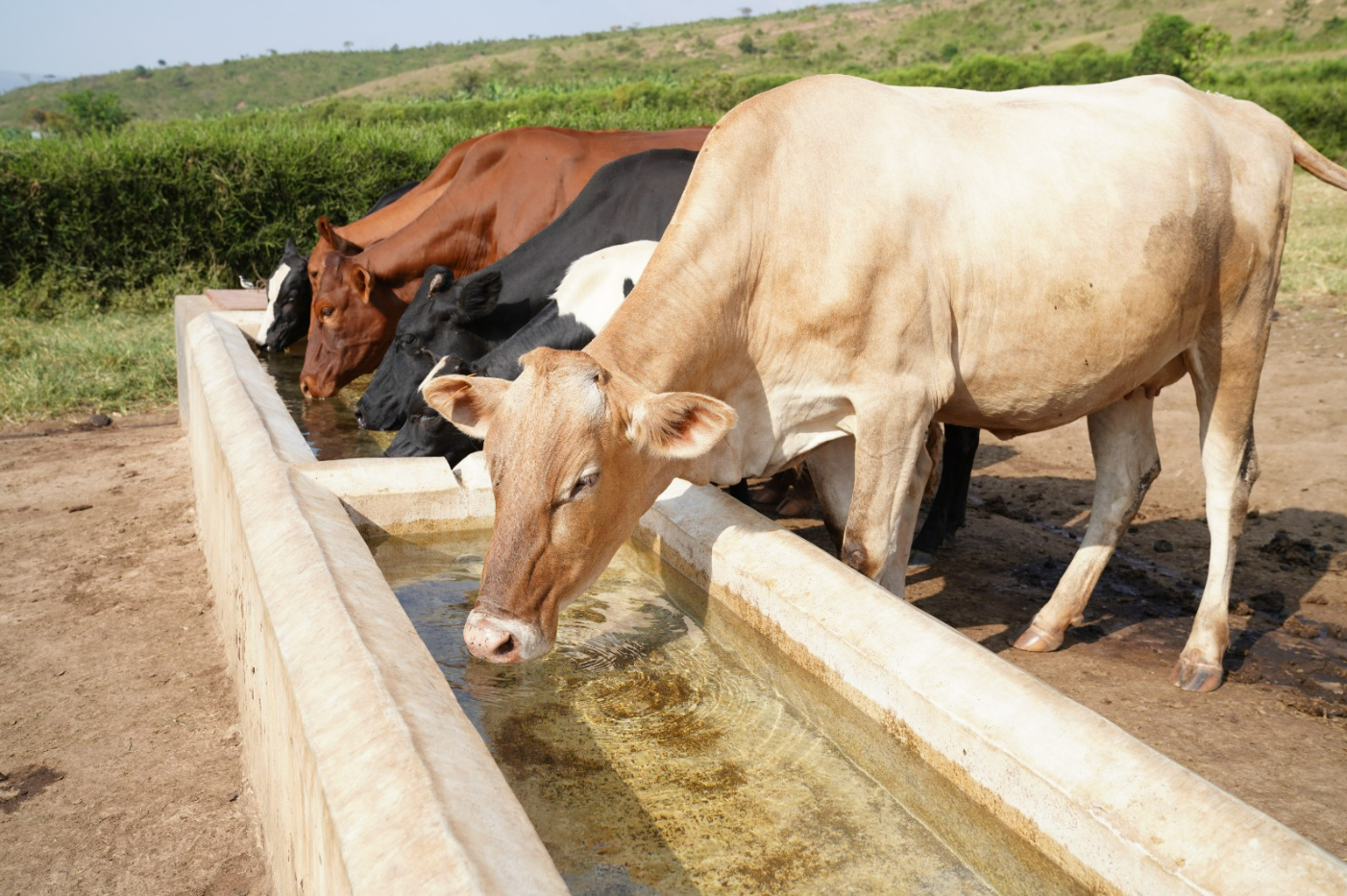
Water for Cows: Kayonza Farmers Boost Dairy Production with New Water Solutions
By Elias HAKIZIMANA.
In recent years, farmers and residents in Kayonza have dreamt of access to sufficient, clean water near their homes. The chronic water scarcity affected both people and livestock, particularly cows.
Previously, the few available water sources, including sub-hills water and stagnant water near Cyamusenyeri dam, posed health risks, leading to hygiene-related diseases, especially among children.
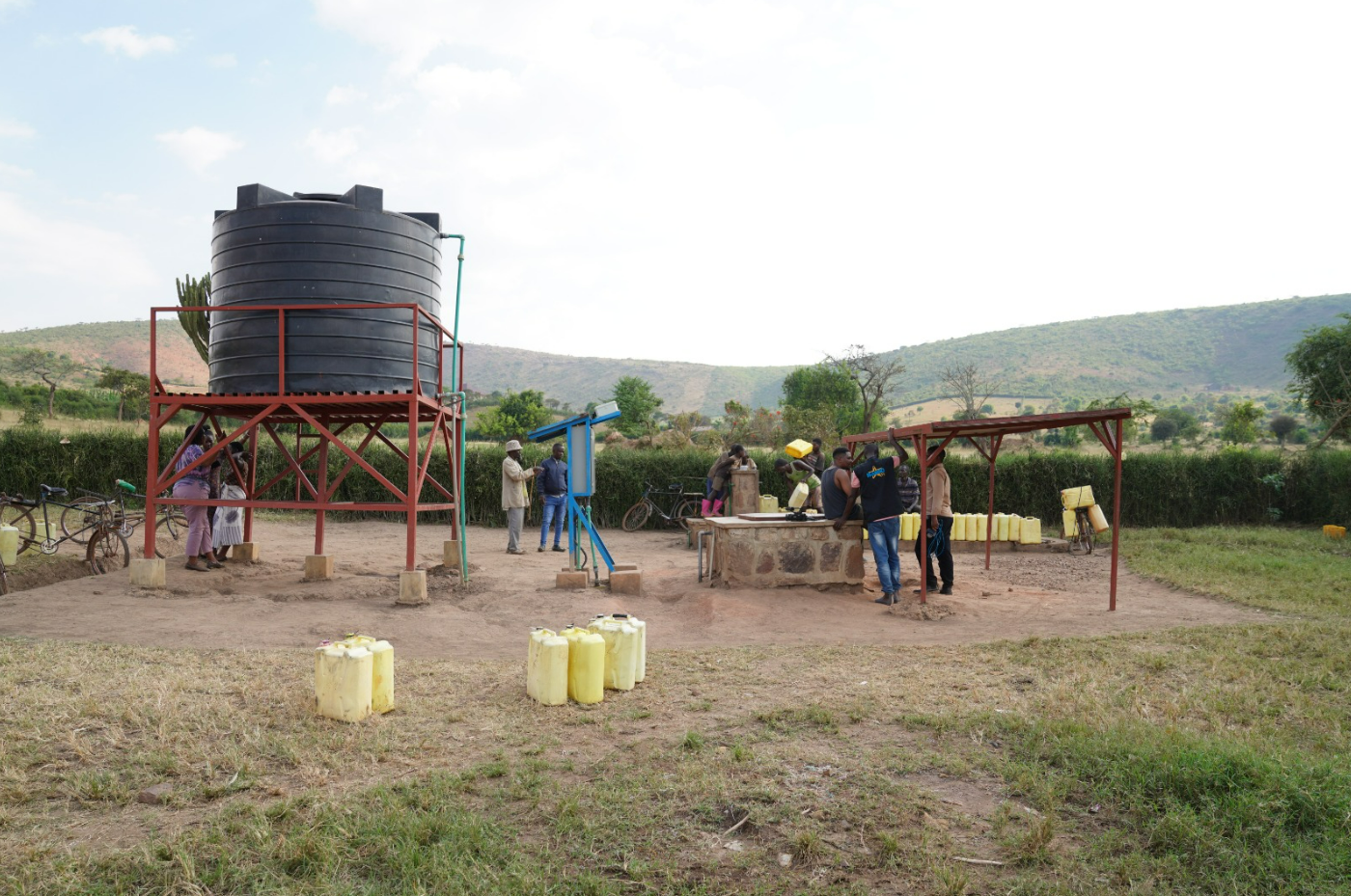
Now, thanks to the Kayonza Irrigation and Integrated Watershed Management Project Phase-II (KIIWP-2), which aims to alleviate poverty and hunger by combating drought, both residents and cattle no longer suffer from water scarcity. The project has built comprehensive water infrastructure to address this critical issue.”
Kayonza district, located in Rwanda’s drought-prone Eastern Province, experienced severe water shortages, particularly in sectors like Gahini, Kabare, Kabarondo, Murama, Murundi, Mwiri, Ndego, Ruramira, and Rwinkwavu. Farmers and residents from Murundi sector highlighted the detrimental effects of water scarcity, including low dairy yields and cattle deaths due to long treks for water.
Felicien Gisagara, a dairy farmer from Buhabwa cell in Murundi sector, recounted how traditional cows were unproductive due to the lack of water and grass. He expressed relief and progress following the implementation of the Kayonza Irrigation and Integrated Watershed Management Project Phase-II (KIIWP-2), which aimed to alleviate poverty and hunger by combating drought.
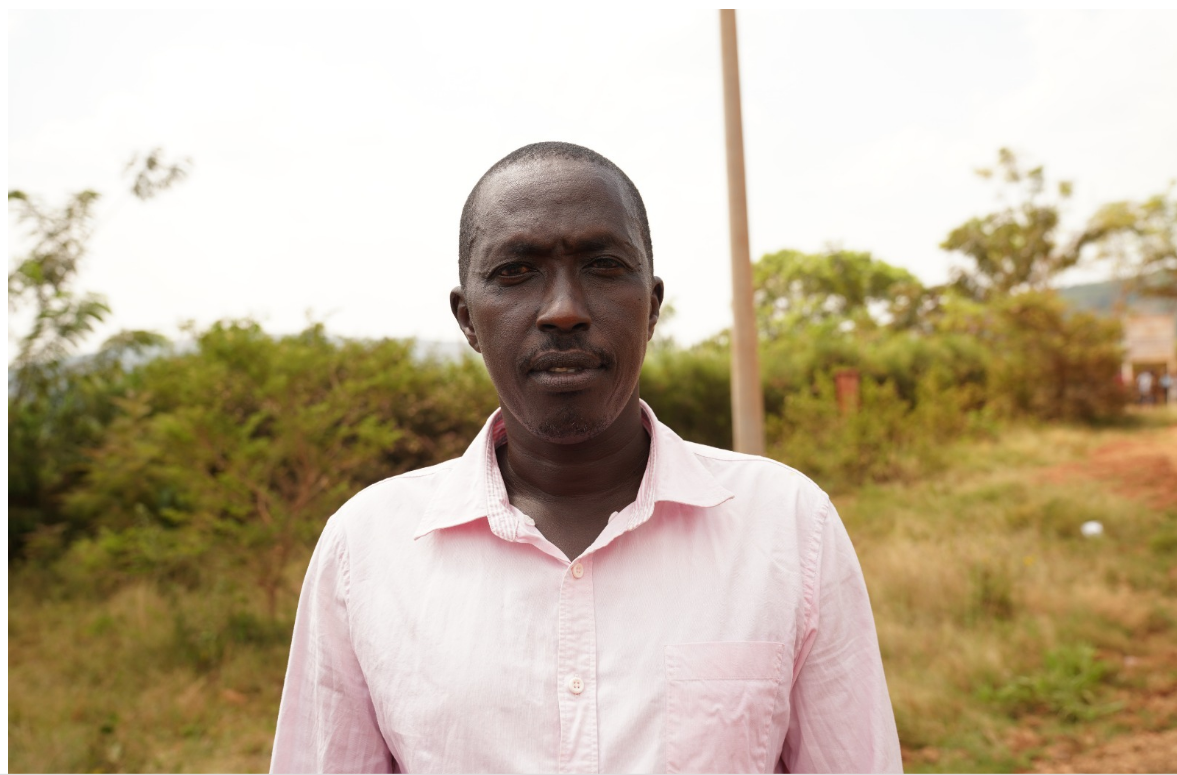
“Under this project, we received dam liners to provide water for our cows. Since then, I’ve been able to raise modern dairy cows that are much more productive. Previously, our cows often died from lack of water, but now, with water readily available, dairy production has increased by 80 percent. We now have enough milk for consumption and sale at the Milk Collection Center (MCC),” Gisagara explained.
“As a dairy farmer, it was once difficult to get 5 liters of milk. Now, my cows produce 30 to 35 liters, and some farmers’ cows produce even more than 300 liters,” he added, emphasizing the need for more dairy cows in the region.
Innocent Ntabyera, another farmer from Kayonza, shared similar sentiments. “We now have water for ourselves and our cows. Before, we fetched water from stagnant sources that were insufficient and unhealthy, causing conflicts and health issues.”
Dairy farmers have requested the government and partners to provide modern bull semen for artificial insemination (AI) to further boost dairy production.

Addressing Water Scarcity
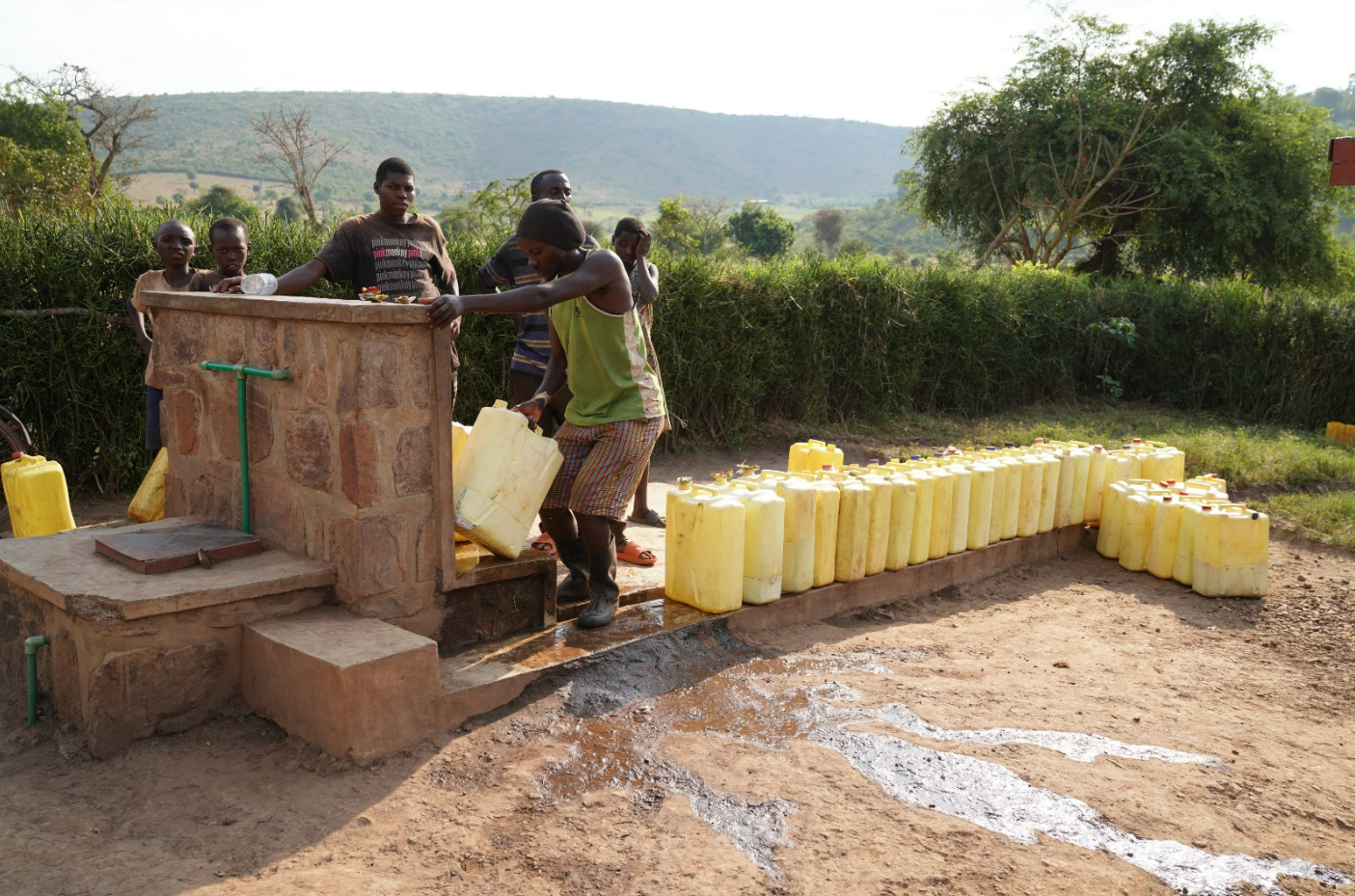
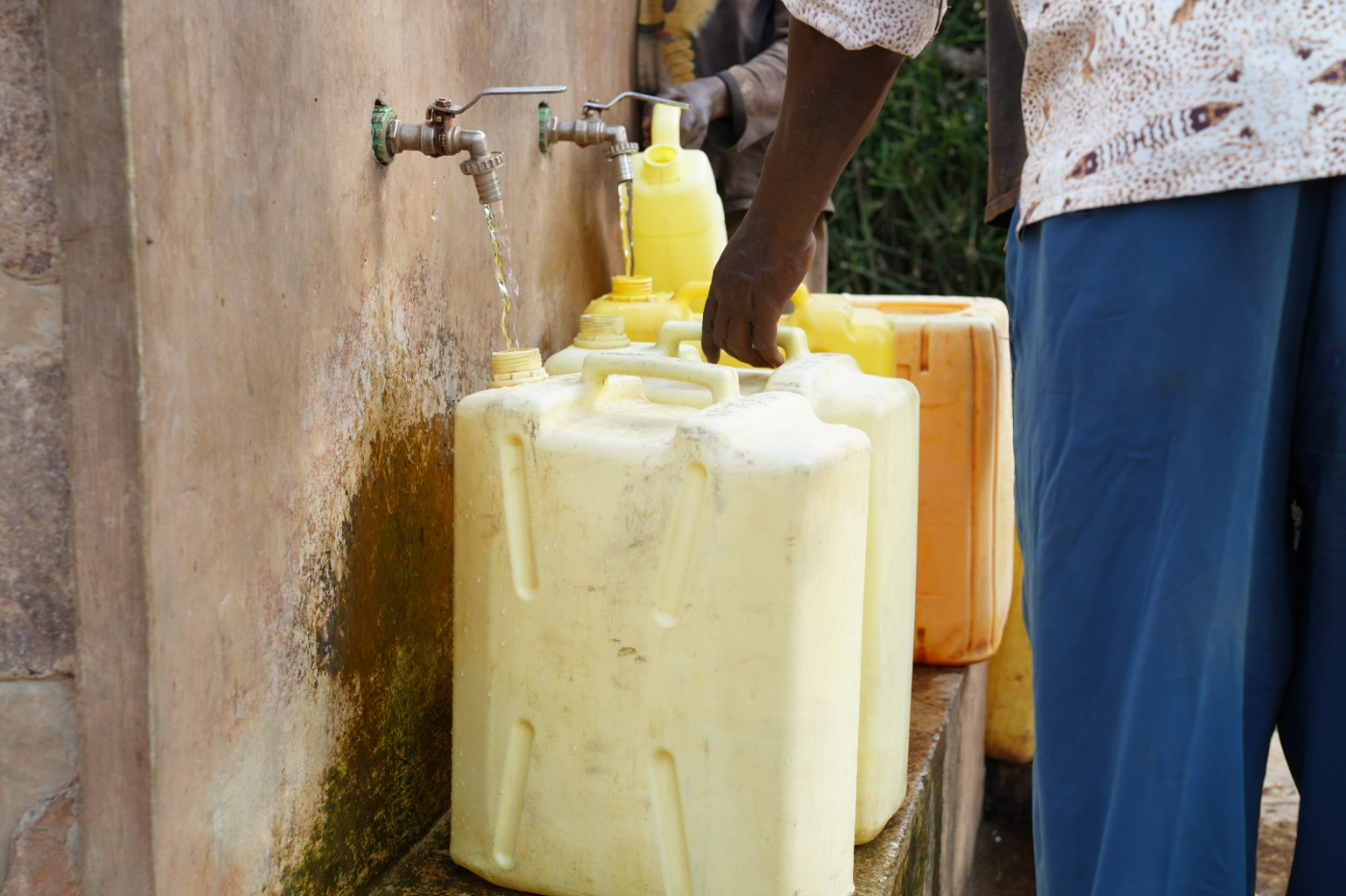
John Mukurarinda, a water transporter from Mucucu village, Buhabwa cell, described the previous struggle for water. “People used to fight for water, especially during the dry season. I sold water at Rwf 500 per jerrycan, making Rwf 6,000 to 7,000 daily. Now, thanks to KIIWP2, we have water tanks and other infrastructure, reducing the price to Rwf 100 per jerrycan, earning Rwf 3,000 to 4,000. This has improved our health and hygiene.”
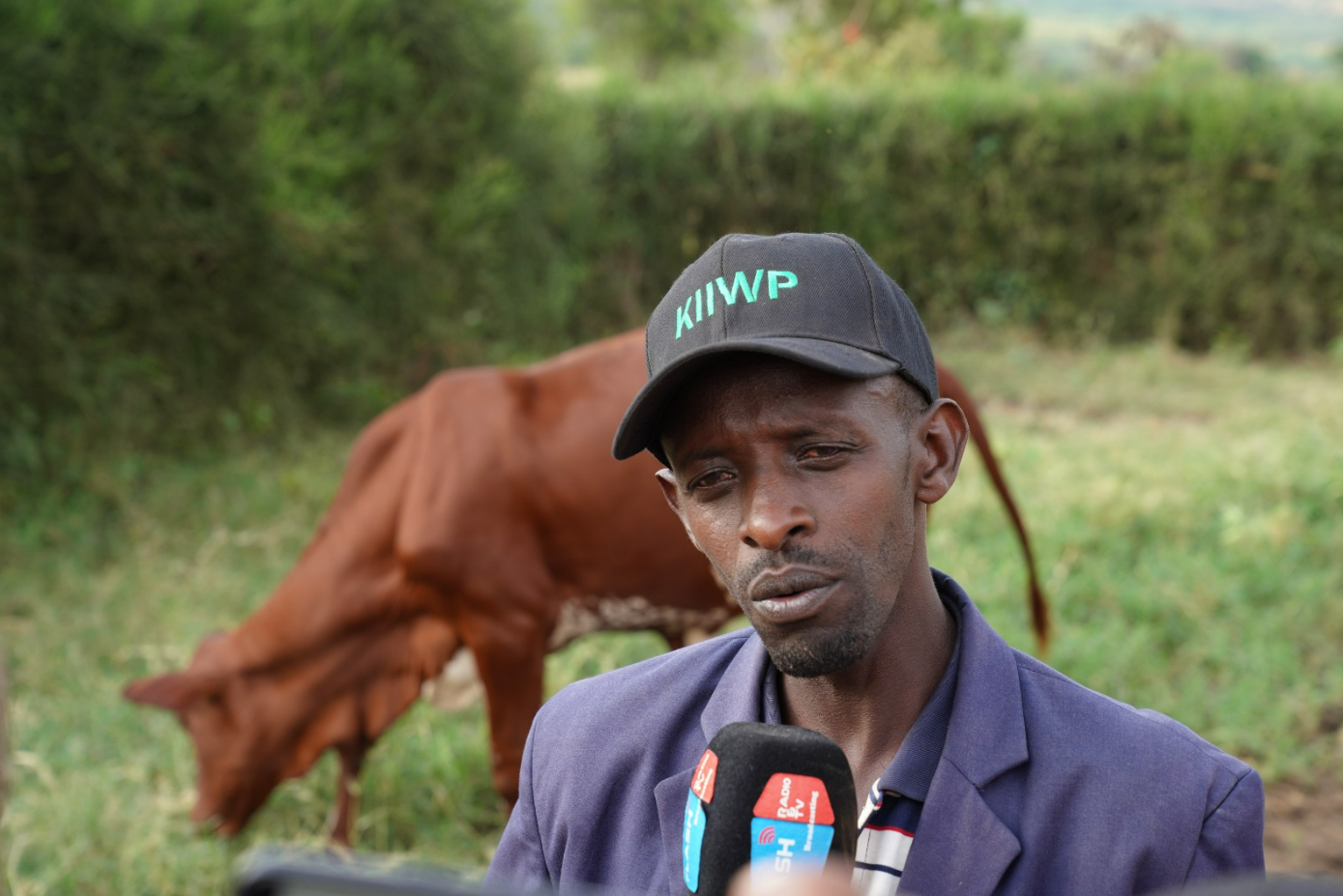
Sam Shyaka, president of cattle farmers in Gakoma village, Buhabwa cell, detailed the past hardships.
“Our local cows barely produced 1 to 2 liters of milk each. We fetched impure water from downhill, causing numerous health issues. With KIIWP2, we now have water infrastructure like boreholes and troughs that purify water, allowing cows to drink nearby.” He says.
Shyaka reported that his dairy cows now produce significantly more milk, exemplified by his cow ‘Gisa,’ which produces 24 liters daily.
Stephane Sebudandi, chairperson of Mubari Farmers’ Cooperative Society (MUFCOS) in Mwiri sector, highlighted the significant increase in milk production.
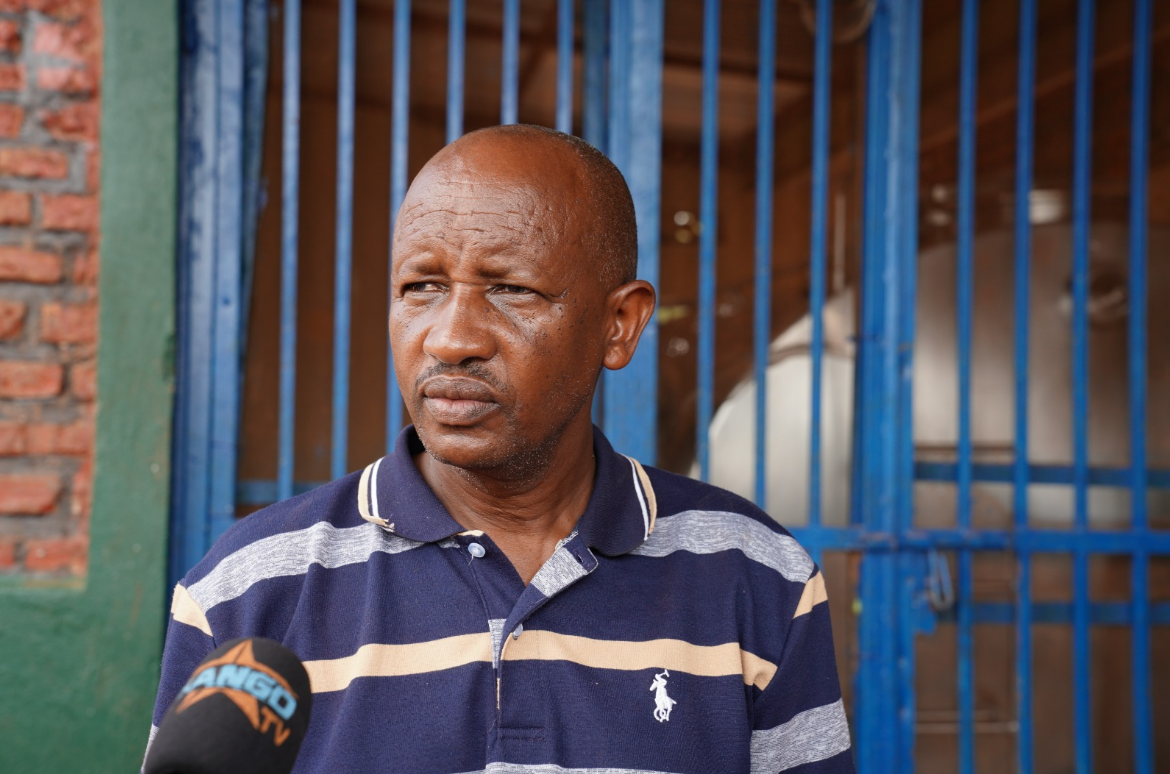
“With KIIWP2’s water infrastructure, dairy production has surged. At our MCC, milk collection increased from 3,000 liters in the dry season to 14,000 liters. We aim to reach 20,000 liters within the next three years.”
Project Impact
Benon Gashayija, Executive Secretary of Murundi Sector, confirmed the positive impact.
“No cows are starving, and milk production has increased because cows now have access to water, thanks to KIIWP2’s infrastructure. This has improved both livestock productivity and residents’ lives.”
Uwitonze Theogene, KIIWP Project Manager in Kayonza District, announced that milk production has doubled.
“Milk production has doubled due to the MCCs, and farmers no longer need to take their cows far for watering.”
The KIIWP2 project, initiated by the Government of Rwanda in collaboration with the International Fund for Agricultural Development (IFAD) and the Ministry of Agriculture and Animal Resources (MINAGRI), is implemented by the Rwanda Agriculture and Animal Resources Development Board (RAB).
The first phase, with a budget of $20.93 million, laid a solid foundation for agricultural development. The second phase, budgeted at $61.025 million, aims to extend benefits to more households, enhance market linkages, and improve land and water management practices.

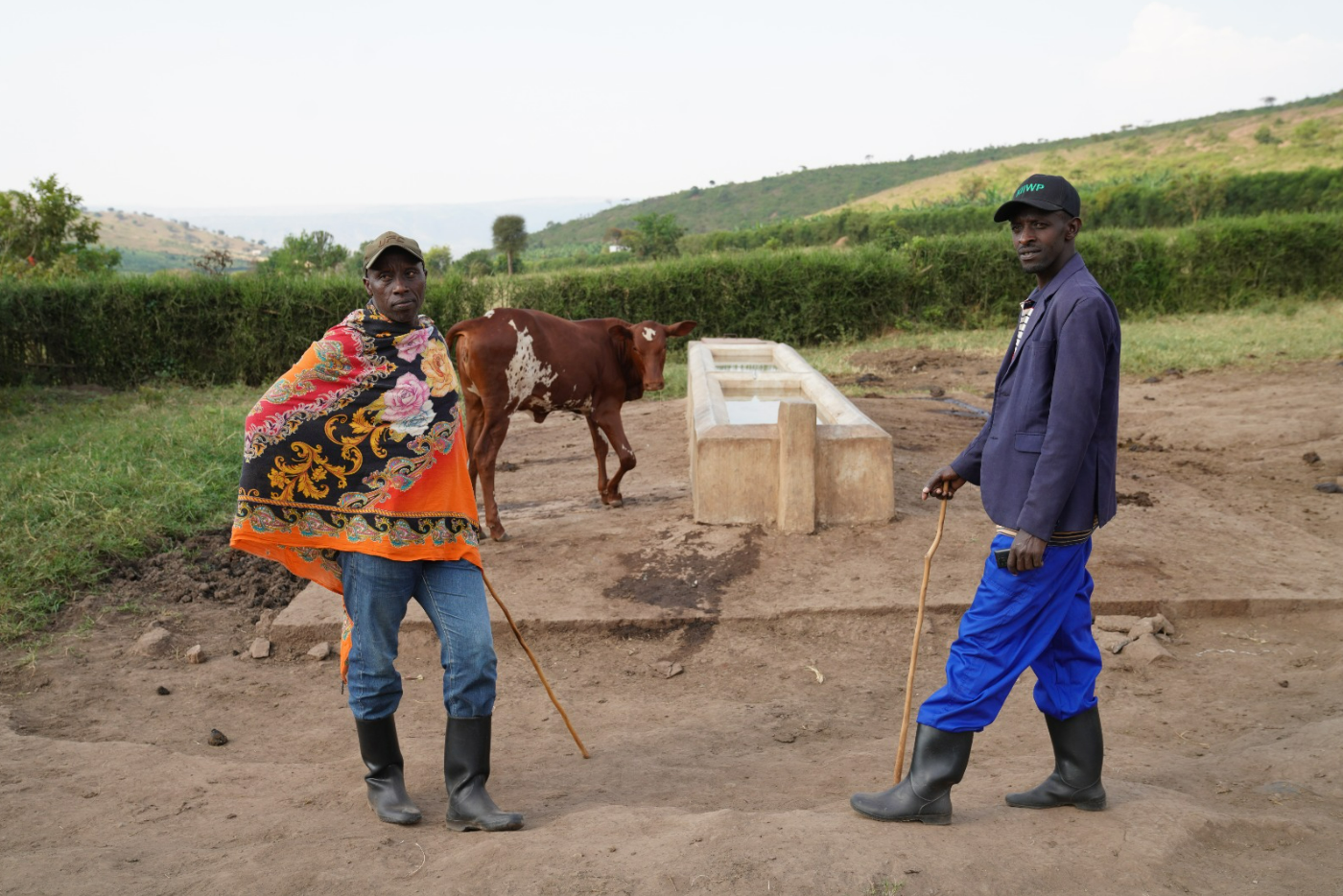
 Sam Shyaka.
theinspirerpublications@gmail.com



Leave a Reply