

The Hidden Dangers of Counterfeit Liquor: A Threat to Public Health in Rwanda
By Elias Hakizimana.
Counterfeit liquor, commonly produced using harmful chemicals and unregulated substances, is posing an alarming threat to public health in Rwanda. These illicit alcoholic beverages, often cheaper and widely accessible, are silently wreaking havoc on consumers’ health—damaging vital organs, causing chronic diseases, and in some cases, leading to death.
One of the most dangerous components found in these illicit liquors is methanol, a toxic chemical typically used for industrial purposes and not intended for human consumption.
When ingested, methanol can cause severe poisoning, leading to blindness, muscle damage, respiratory failure, and even death. Even in smaller doses, prolonged consumption of such alcohol can slowly deteriorate the liver and heart, key organs responsible for filtering toxins and regulating the body.
“Alcohol should never contain methanol. This substance can cause irreparable harm to the body, and if not treated in time, it can result in death,” explained Dr. Eric Nyirimigabo, head of the Food Safety Department at Rwanda Food and Drugs Authority (FDA).
He further warned that many counterfeit liquors found in the country contain dangerously high levels of alcohol—far exceeding the legal limit of 45% alcohol content in Rwanda—alongside toxic acids and unapproved chemicals.
“These acids can burn through clothing, and when consumed, they corrode the digestive tract, stomach, and respiratory system, leading to irreversible damage,” Dr. Nyirimigabo added.
He also pointed out that individuals who regularly consume these harmful drinks could suffer from tooth erosion, with teeth slowly wearing down over time until they disappear entirely.
Worse still, the chemical additives can elevate blood sugar levels, increasing the risk of diabetes—a condition that, if left unmanaged, can lead to heart disease, blindness, and kidney failure.
Dr. Nyirimigabo also emphasized the role of alcohol in mental health deterioration: “Excessive alcohol from these illegal liquors can impair cognitive function, leading to memory loss, poor decision-making, and long-term mental health issues, such as depression.”
The dangers are not limited to long-term health issues. Immediate consumption of these illicit drinks often leads to acute intoxication, impairing judgment and increasing the likelihood of accidents, violence, and other risky behaviors.

These alarming health risks have been brought into the spotlight following a recent crackdown by the Rwanda Investigation Bureau (RIB).
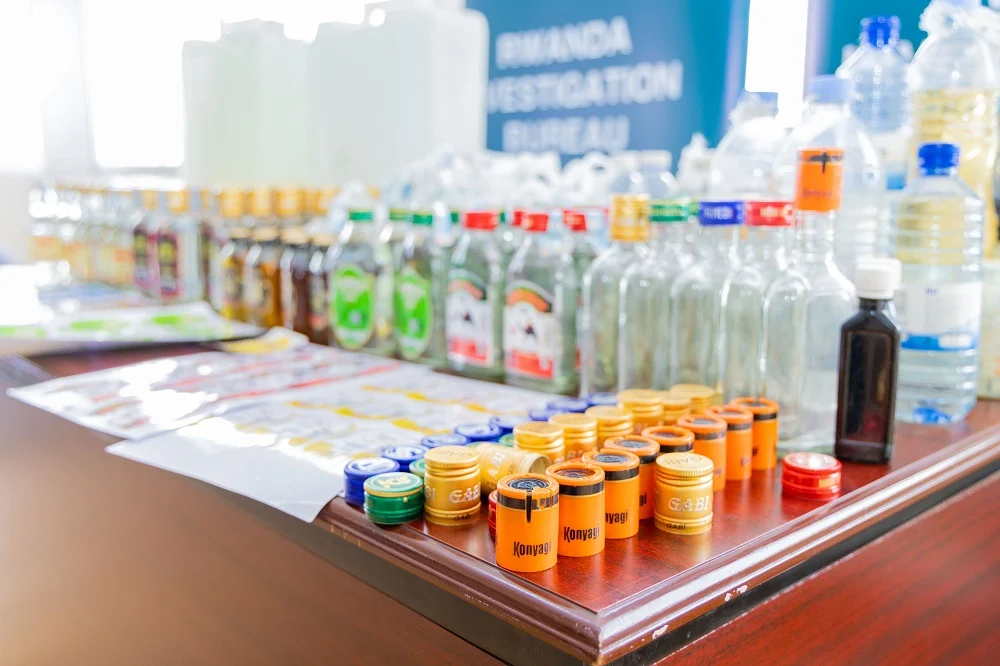
In a joint operation with Rwanda FDA, RIB arrested ten people suspected of manufacturing and distributing counterfeit liquors. Of the ten, three are believed to be directly involved in producing fake alcoholic beverages, while the remaining seven were accused of storing and distributing the necessary equipment used in the operation.
The total value of the seized items is estimated at over RWF 31 million (31,435,750 RWF).
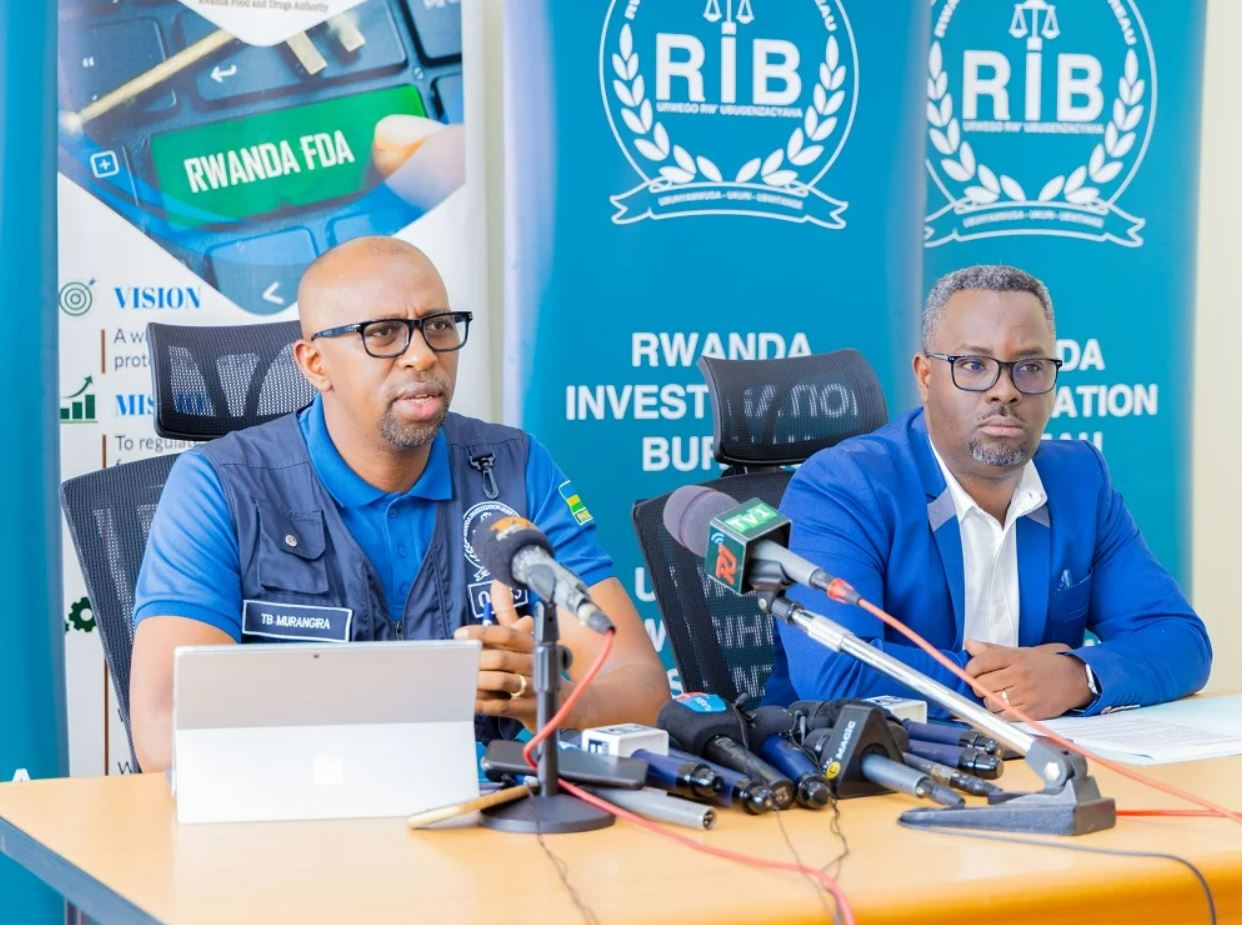
“The products we confiscated were tested and found to be non-compliant with health standards. They contained substances that are extremely dangerous to human health,” said Dr. Thierry B. Murangira, RIB’s spokesperson.
He confirmed that the operation, part of a wider effort to curb the production of fake alcohol in the country, was initiated after reports from the public about suspiciously low-priced alcohol circulating in local markets.
Further analysis of the seized products revealed that many contained highly concentrated levels of alcohol far beyond the legal limit, along with chemical additives such as acids that can cause severe internal damage.
According to Rwanda FDA, consuming such counterfeit liquor over time can severely weaken bones, making them fragile and prone to fractures.
Methanol was found in several batches of these illicit liquors, presenting a significant risk to consumers.
“Methanol is poisonous to the body, and exposure to high levels can cause blindness, respiratory failure, and even death,” Dr. Nyirimigabo explained. “If someone consumes methanol unknowingly, their only chance of survival is immediate medical intervention.”
RIB spokesperson Dr. Murangira urged local authorities and citizens to remain vigilant and report any suspicious alcohol production or distribution.
“These counterfeit products are a serious threat to public health, and we need everyone’s cooperation to eliminate them from the market,” he said.
He also warned against purchasing unusually cheap liquor, as it is often a sign of poor quality or illicit production.
The arrested suspects face multiple charges, including producing counterfeit products, tax evasion, and endangering public health. The penalties for these crimes range from several years of imprisonment to hefty fines, as outlined in Rwanda’s criminal and intellectual property laws.
RIB continues its investigation, particularly to determine if anyone has suffered serious health consequences from consuming the confiscated liquor. However, the bureau emphasizes the importance of public awareness in preventing further harm.
As Rwanda steps up its fight against the production and sale of counterfeit alcohol, health experts like Dr. Nyirimigabo stress the need for continued vigilance.
“People must be cautious and understand the dangers these illicit products pose to their health. Ingesting them is like consuming poison—it slowly destroys your body from the inside out.”
While efforts are underway to control the situation, the health risks associated with counterfeit liquor are clear: the unregulated nature of these products, combined with their harmful ingredients, makes them a public health crisis in the making.
Public cooperation, strict enforcement, and continued education on the dangers of illicit alcohol are crucial in addressing this growing issue.
theinspirerpublications@gmail.com



Leave a Reply