

Supreme Court president hails Rwandans for pioneering homegrown justice after genocide
By The Inspirer.
The President of the Supreme Court, Domitilla Mukantaganzwa, praised Rwandans for finding internal solutions to deliver justice for crimes committed during the 1994 Genocide against the Tutsi, both within the country and abroad.
She made these remarks on Friday, April 11, 2025, in Nyanza, Kicukiro, during the 31st commemoration of the Genocide against the Tutsi.
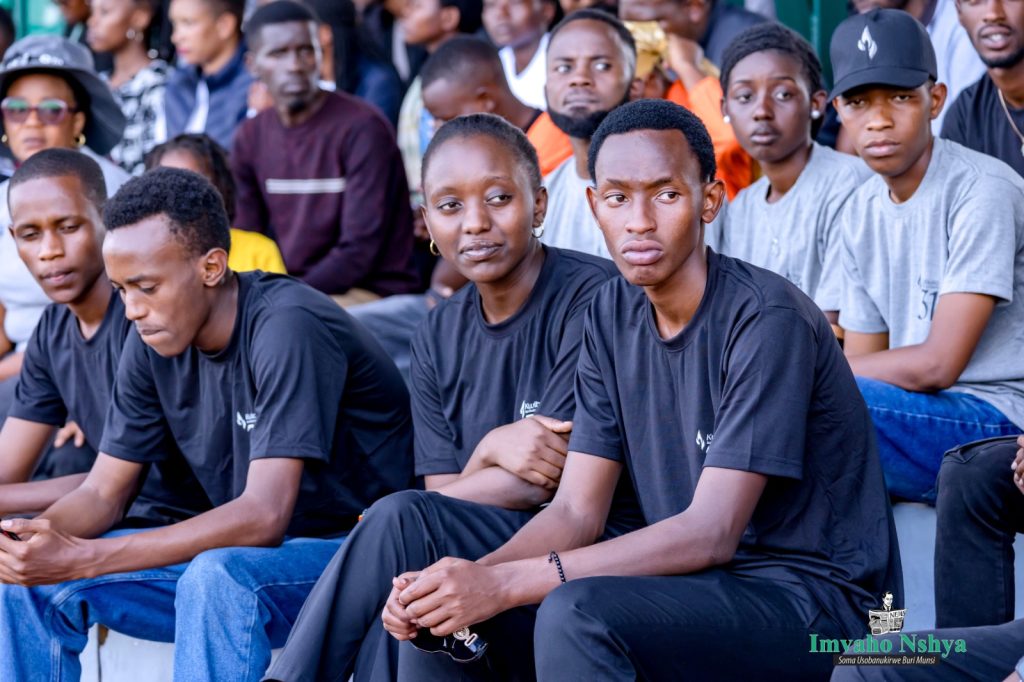
The event was attended by various leaders, youth, and friends of Rwanda from different countries.
In her address, Mukantaganzwa commended Rwanda’s commitment to remembering the 1994 Genocide against the Tutsi, saying that commemoration helps fight against the ideology of hatred and division that once destroyed the country.
She highlighted the failure of the international community, which was unable to protect the Tutsi who had sought refuge at ETO Kicukiro. Belgian troops abandoned them, leaving them at the mercy of the Interahamwe militia and soldiers of the former government army (EX-FAR), who went on to massacre more than 3,000 people in Nyanza, Kicukiro.

“Remembering reminds us of our vow—never again.” She said.
She reminded Rwandans that after the Genocide, they found their own paths to justice for those accused of Genocide crimes.
“Although we will always remember the difficult times we went through, let us also remember that we found within ourselves the solutions to rebuild our beloved nation—thanks to the good leadership of His Excellency President Paul Kagame.” She stated.
“Among the solutions we sought was justice for Genocide crimes. Rwandans actively participated in the Gacaca courts, volunteered to give testimony at the UN’s International Criminal Tribunal for Rwanda in Arusha, and found strength to testify and press charges in countries where perpetrators had fled.” She added.
She emphasized that delivering and receiving justice is a right for Genocide survivors and restores dignity to the victims, fulfilling the duty Rwandans owe to their country and to future generations.
She also pointed out that although Rwanda has taken strong measures to ensure the Genocide never happens again, Genocide ideology still persists in the Great Lakes Region, especially in the eastern Democratic Republic of Congo, where it is spread by individuals who took part in the 1994 Genocide.

“The Genocide ideology is accompanied by acts of violence and killings targeting Congolese citizens who speak Kinyarwanda, especially the Tutsi, while the international community stands by and watches—just as it did in Rwanda in 1994 and even before.” She said.
She further criticized the international community for not taking action to stop these crimes, and instead unjustly accusing Rwanda of being involved and imposing baseless sanctions.
Venuste Karasira, 73, one of the survivors from Nyanza in Kicukiro, gave a testimony. He recounted how, since 1990, he and his family could no longer sleep in their usual bedrooms because of night-time grenade attacks.
“But my wife would go to bed early and sleep until around midnight or 1 a.m., and then I would go to bed while she took over keeping watch—or if I wasn’t too tired, I would let her rest.” He said.
He detailed the harrowing ordeal Tutsis went through after being abandoned by Belgian troops. He and others were taken to Nyanza, where they were fired upon, though he and a few others were later rescued by RPA Inkotanyi soldiers.
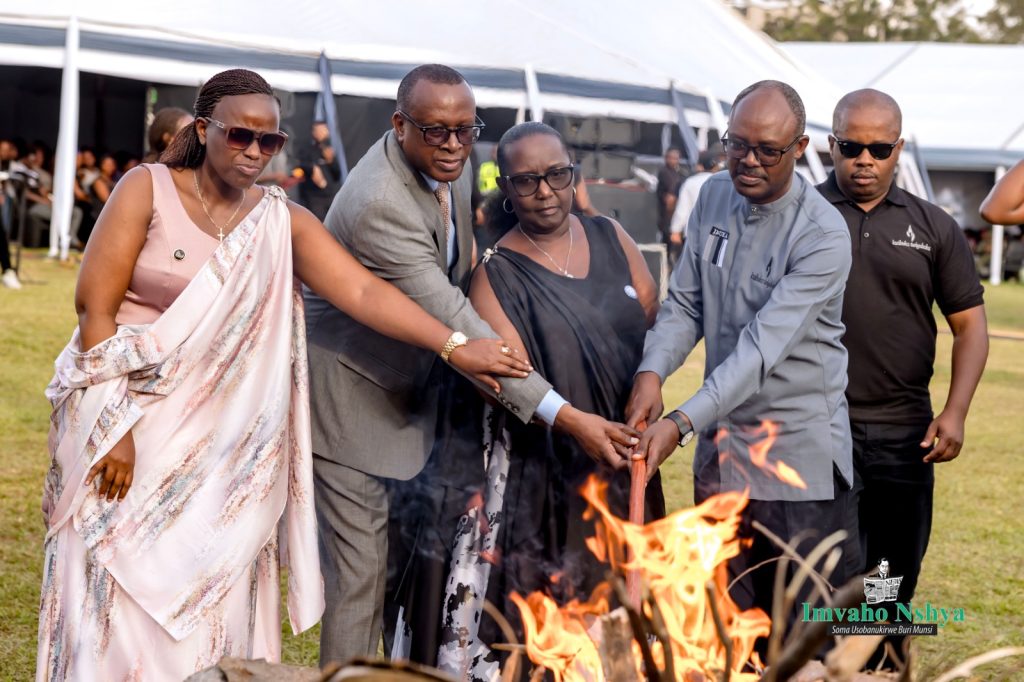
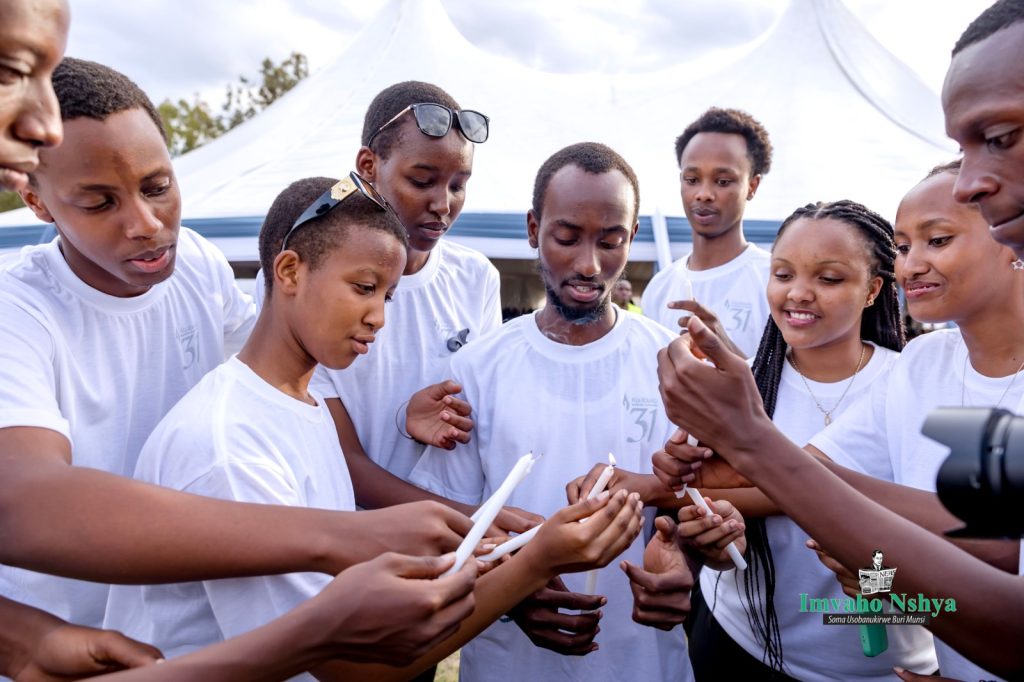
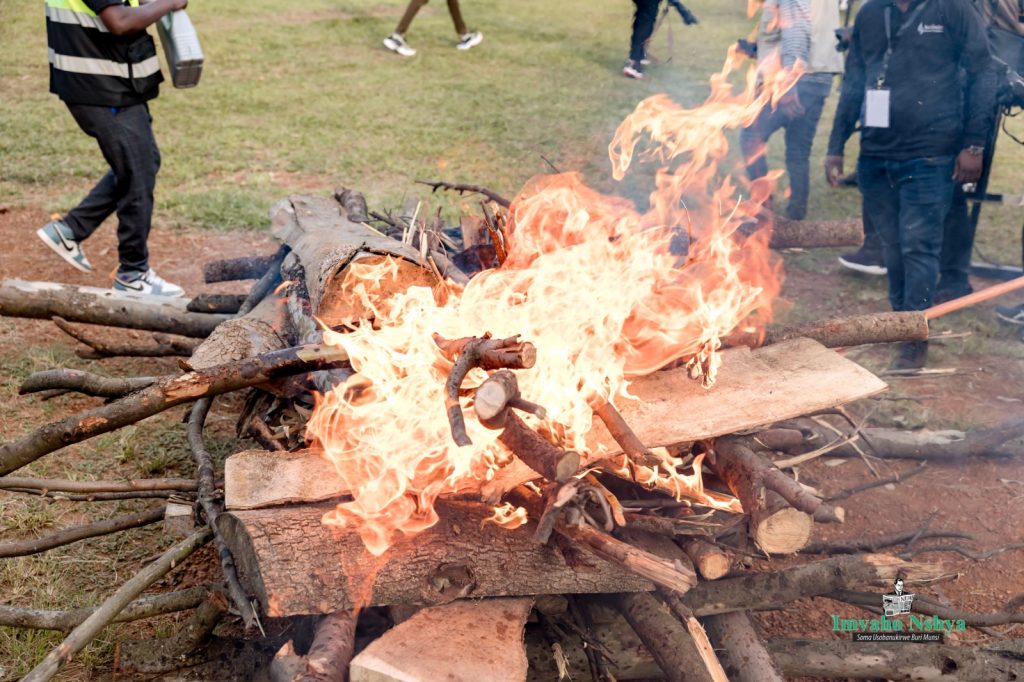
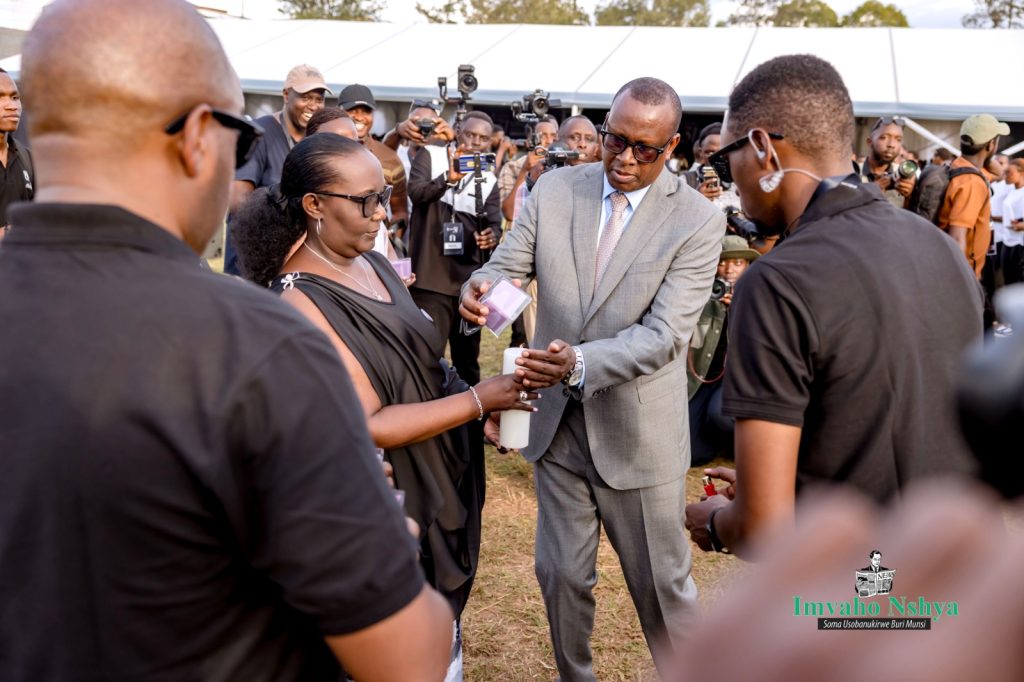
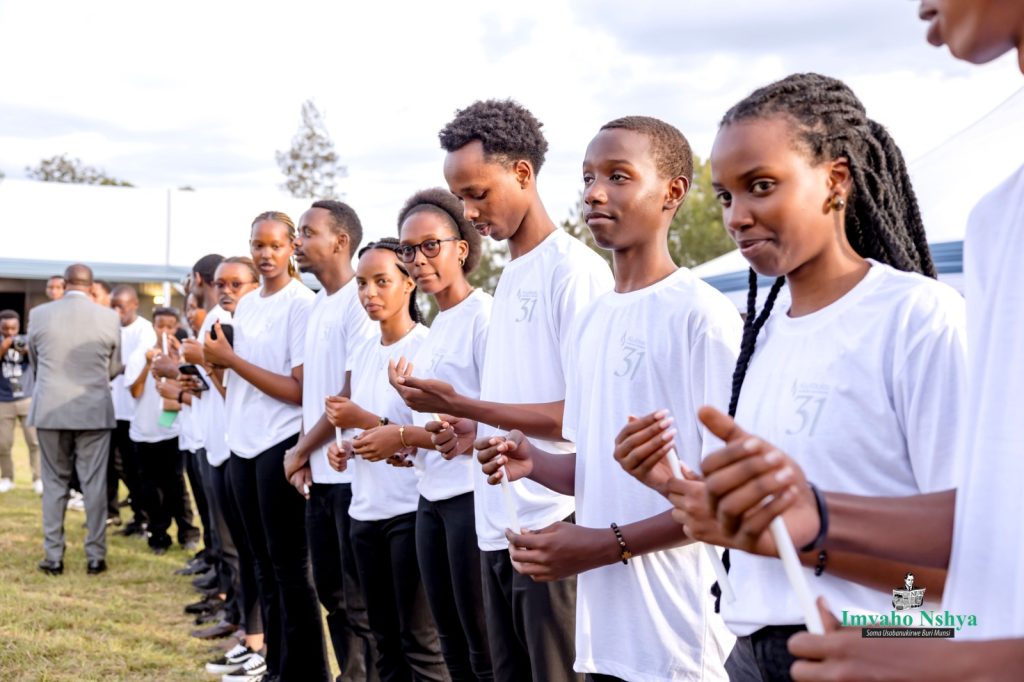
During the commemoration at Nyanza, Kicukiro, the Flame of Hope was lit. The event also featured a remembrance walk retracing the suffering of the Tutsis forced from ETO Kicukiro to the hill of Nyanza, where they were brutally killed.
More than 105,000 Tutsi victims are buried at the Nyanza Genocide Memorial, including about 3,000 who were killed on the Nyanza hill.
Ku Rwibutso rwa Nyanza ya Kicukiro hashyinguwe imibiri y’Abatutsi isaga ibihumbi 105 barimo abagera ku 3 000 biciwe ku musozi wa Nyanza.




Leave a Reply