
Senators call for an end to corruption and favoritism in local government
By The Inspirer
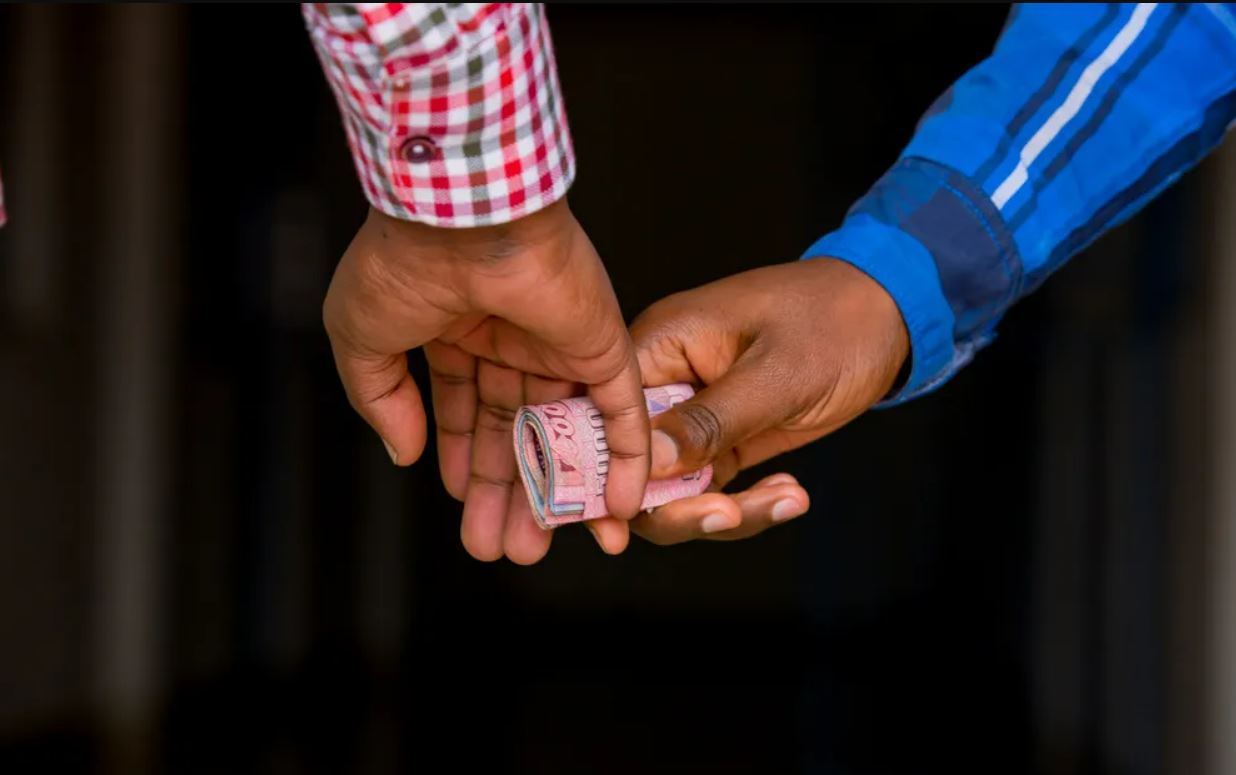
Senators have highlighted that corruption and favoritism remain prevalent in local government institutions and must be eradicated as they undermine the country’s economy. They called for collaboration among different institutions to address the issue.
This was discussed on February 27, 2025, during a plenary session of the Rwandan Senate, where the Political and Governance Commission presented its report on the activities of the Rwanda Governance Board (RGB) for the fiscal year 2023/2024.
The commission’s analysis revealed that corruption and favoritism persist in decentralized government institutions, affecting service delivery.
Pelagie Uwera, Vice President of the Political and Governance Commission in the Senate, presented findings indicating that 76.6% of citizens perceive corruption in local government institutions. Corruption in land services stands at 18.4%, mediation services at 10.9%, the private sector at 8.3%, the District Administration Security Support Organ (DASSO) at 7.9%, and the Rwanda Investigation Bureau (RIB) at 9%.
Similarly, favoritism is perceived by 72.2% of citizens in local government institutions, 17% in land services, 11.5% in mediation services, 10.6% in the private sector, 6.8% in DASSO, and 9.6% in RIB.
The study also highlighted injustice as another major concern, with 73.5% of respondents indicating its presence in local government institutions, 17.6% in land services, 9% in mediation services, 6.8% in the private sector, 5% in DASSO, and 10.9% in RIB.
Senator Dr. Leatitia Nyinawamwiza emphasized the need for urgent action to eliminate corruption, especially in local government.
Senator Uwera explained that although the commission is preparing another report based on recent field visits to assess the effectiveness of governance institutions in combating corruption and injustice, collaboration remains crucial in fighting these issues.
She stated, “Corruption must be continuously fought with joint efforts from all institutions because it weakens the country’s economy.”
She reiterated that Rwanda continues to strengthen its anti-corruption efforts and currently ranks first in the East African region and fourth in Africa in tackling corruption.
She affirmed the need to intensify the fight against corruption across all sectors, noting that it is a persistent crime.
The 2024 Rwanda Bribery Index (RBI), conducted by Transparency International Rwanda, revealed that 15.9% of respondents were asked for bribes when seeking services, while 2.6% admitted to offering bribes. This means that 18.5% of service seekers encountered corruption, down from 22% in 2023.
Key reasons cited for giving bribes included the desire to speed up processes, the perception that bribery was the only way to access services, fear of conflicts with authorities, the need to obtain unauthorized services, and an unwillingness to pay full service fees.



Leave a Reply