

19 court cases to be heard as EACJ holds rotational session in Kigali
By The Inspirer
The East African Court of Justice (EACJ) will hear 19 cases involving East African Community (EAC) partner states between February and March during a rotational session in Kigali.
The EACJ, responsible for interpreting, applying, and enforcing the EAC Treaty, handles disputes between member states and the EAC, as well as cases related to human rights violations, environmental protection, and property rights disputes.
Between February and March, the court will temporarily relocate its staff and logistics from Arusha, Tanzania, to Kigali as part of its annual rotational sittings, an initiative designed to increase awareness of its judicial services among East Africans.
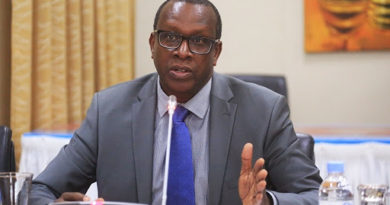
Announcing the Kigali session, EACJ President Justice Nestor Kayobera stated that both the First Instance and Appellate Divisions of the court will conduct hearings in Rwanda.
“We will be handling almost 10 cases from the First Instance Division and nine from the Appellate Division. We shall also deliver a number of judgments, including one from this republic, on February 28,” Kayobera said during a press conference in Kigali on Monday, February 17.
In addition to court hearings, the EACJ will organize training for judges on cybercrime and facilitate discussions between judges and lawyers on business-related legal matters.
From Tuesday to Wednesday, the court will host a conference in Kigali, bringing together over 250 participants, including legal practitioners from the EAC’s eight partner states, government ministers, and other stakeholders.
A strategic planning meeting will also take place to outline the court’s direction for the next five years.
Expanding access to justice
The rotational sittings initiative allows EACJ judges and staff to travel to member states, making justice more accessible and enhancing public awareness of the court’s role in resolving regional legal disputes.
With this session in Kigali, the EACJ aims to strengthen regional legal cooperation and ensure that justice is delivered effectively across all partner states.




Leave a Reply