

Rwanda to use methane gas for cooking by 2027
By The Inspirer.
The Ministry of Environment (MoE) has promised that by 2027, Rwanda will have completed research on methane gas extracted from Lake Kivu, which will begin to be used as an alternative to environmentally harmful fuels.
This methane gas is especially expected to help large institutions access sufficient gas to replace firewood and charcoal, which are currently used for cooking and are harmful to the environment.
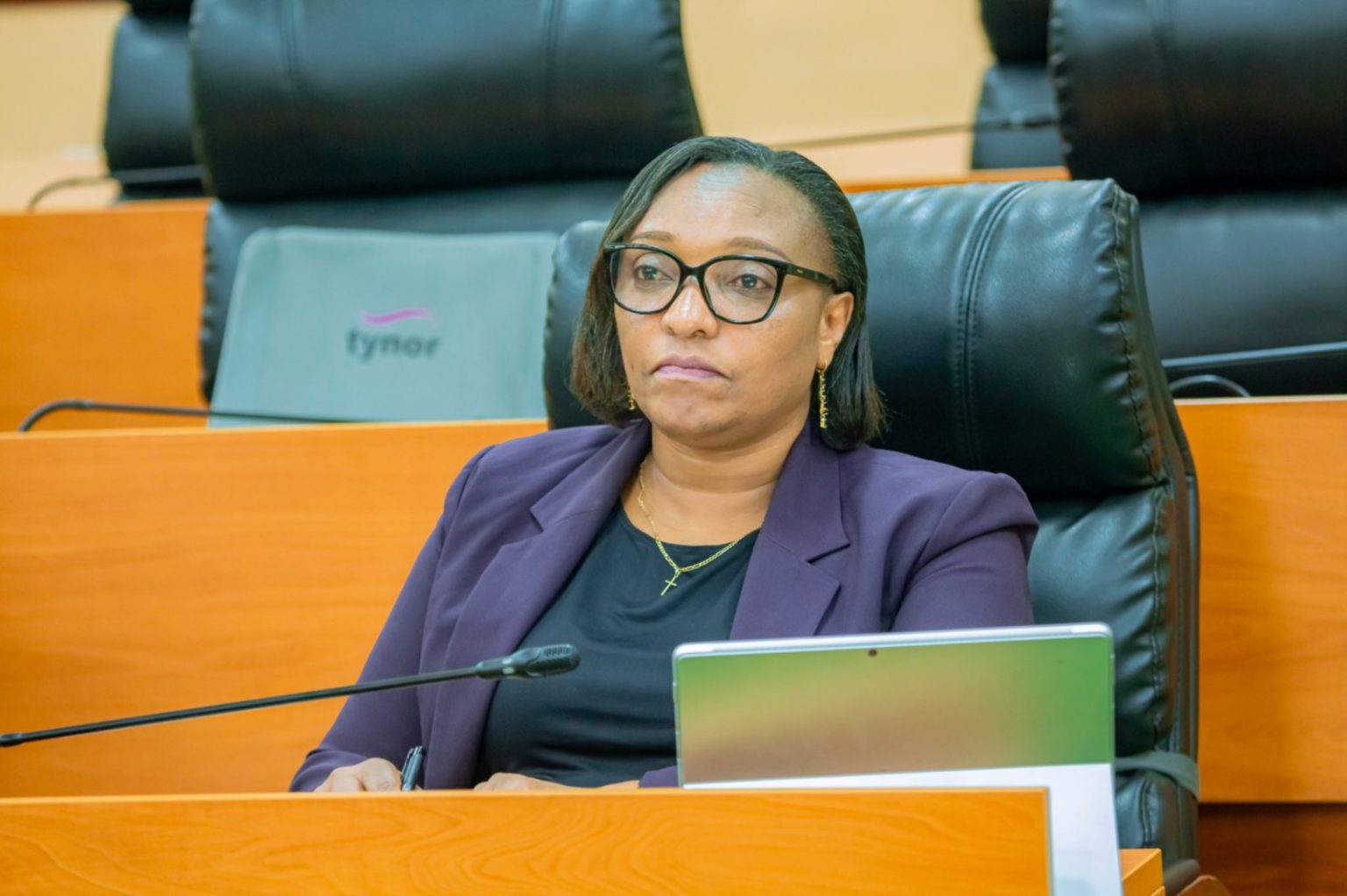
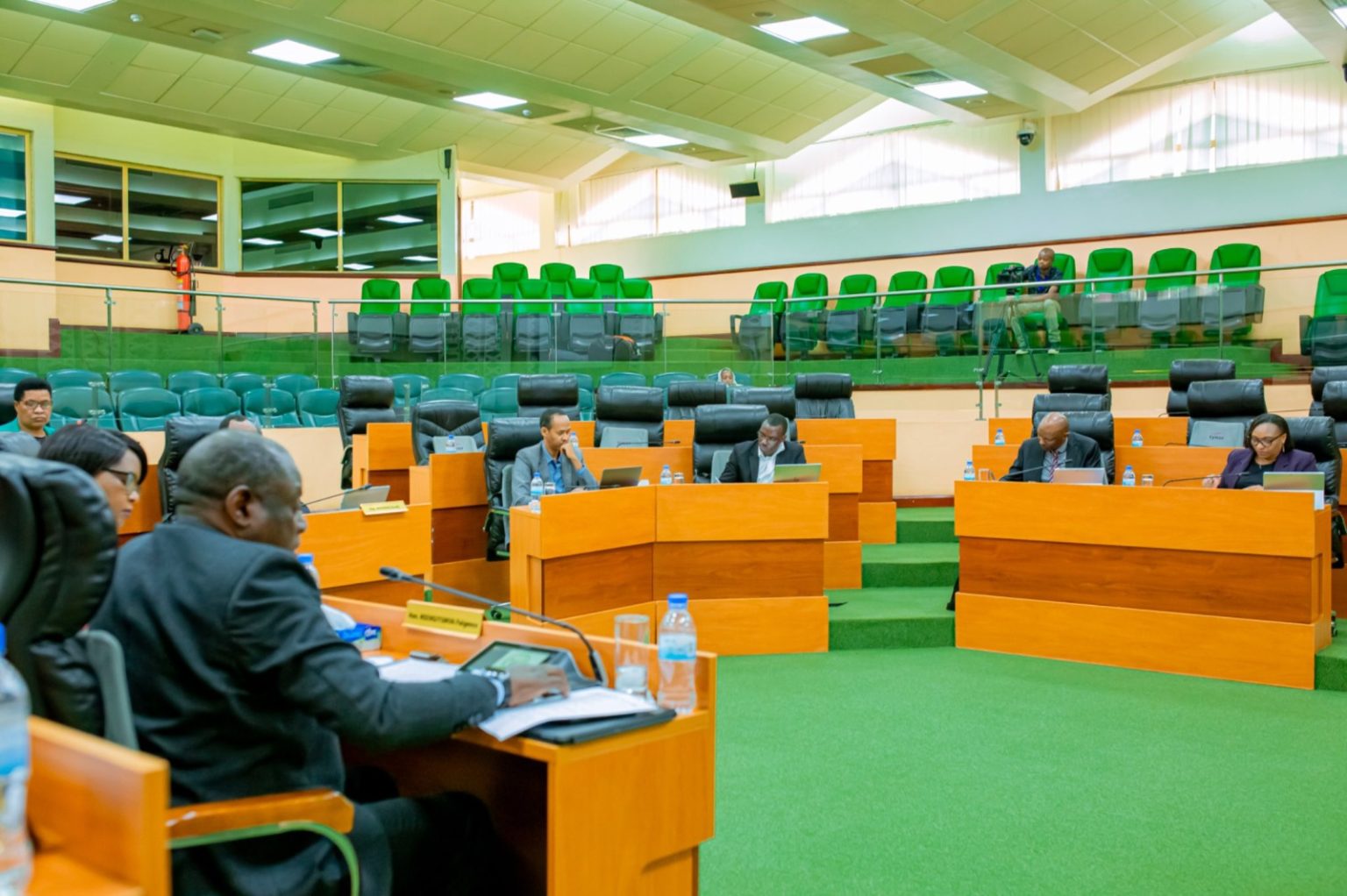
Minister of Environment, Dr. Jeanne d’Arc Mujawamariya, emphasized this on Tuesday, June 3, 2025, during a meeting between MoE and the Rwanda Environment Management Authority (REMA) with Senators from the Committee on Economic Development and Finance.
The meeting aimed to review the Government’s initiatives in facilitating public access to environmentally friendly cooking fuels.
Dr. Mujawamariya stated: “We expect methane gas to be a solution in reducing the use of polluting cooking fuels such as charcoal and firewood. The plan is that it could be available by 2027.”
She mentioned that once this methane gas becomes available, it will help reduce firewood usage in schools, which currently accounts for 45% of total firewood and charcoal use in Rwanda.
She added: “We will be able to solve the cooking fuel issue in schools and other institutions that rely on polluting fuels, which also comes with the burden of expensive gas.”
She further explained that the high cost of cooking gas is due to its being imported, making it vulnerable to currency fluctuations and increasing transportation costs over time.
Senators expressed concern over the large number of trees being cut down for firewood used in factories and schools.
Senator Marie Rose Mureshyankwano said: “Places with large populations like police and military facilities, schools, and factories use a lot of firewood.”
She added: “I spoke to a tea factory manager and asked why they still use firewood instead of other alternatives. He told me, ‘When we use gas, the tea doesn’t taste as good.'”
She pointed out that factories are known to use significant amounts of firewood, contributing to deforestation and environmental degradation. She called for alternative, eco-friendly energy sources for these users.
The senator also noted that gas prices continue to rise and urged action to make it easier for citizens to access improved cooking stoves and affordable gas.
The Ministry of Environment stated that research is ongoing into converting Lake Kivu’s methane gas into cooking gas.
They said this would help reduce Rwanda’s dependence on imported gas and alleviate the rising cost of transportation, which contributes to the high retail price.
The Seventh Integrated Household Living Conditions Survey (EICV7-2023/2024) revealed that 93% of Rwandans still use firewood and charcoal.
While households using environmentally friendly fuels (gas and biogas) have increased from 1% in 2017 to 5.4% in 2024, the number is still low. In urban areas, 34% of households still use firewood compared to 93% in rural areas.
Charcoal remains dominant in cities, used by 51% of urban households, but only 6% in rural areas. In Kigali, 23% of households use gas, 59% use charcoal, and 17% still cook with firewood.




Leave a Reply