

Rwanda Prioritizes Accessibility in Public Buildings to Support Inclusivity
By Boris Prince CYUBAHIRO.
Efforts to ensure accessibility in public infrastructure for people with disabilities are gaining momentum as stakeholders address gaps in the implementation of Rwanda’s Building Code (RBC).
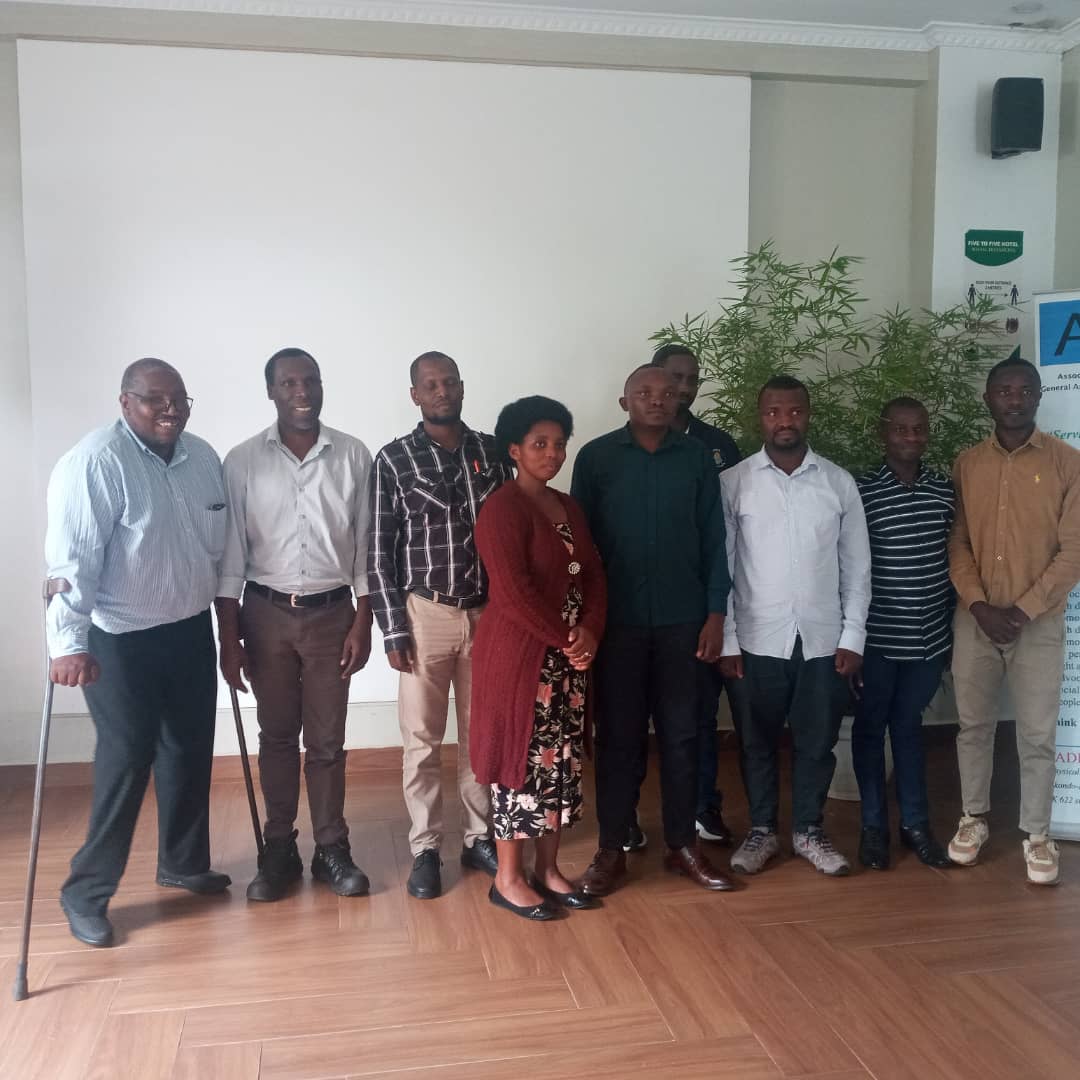
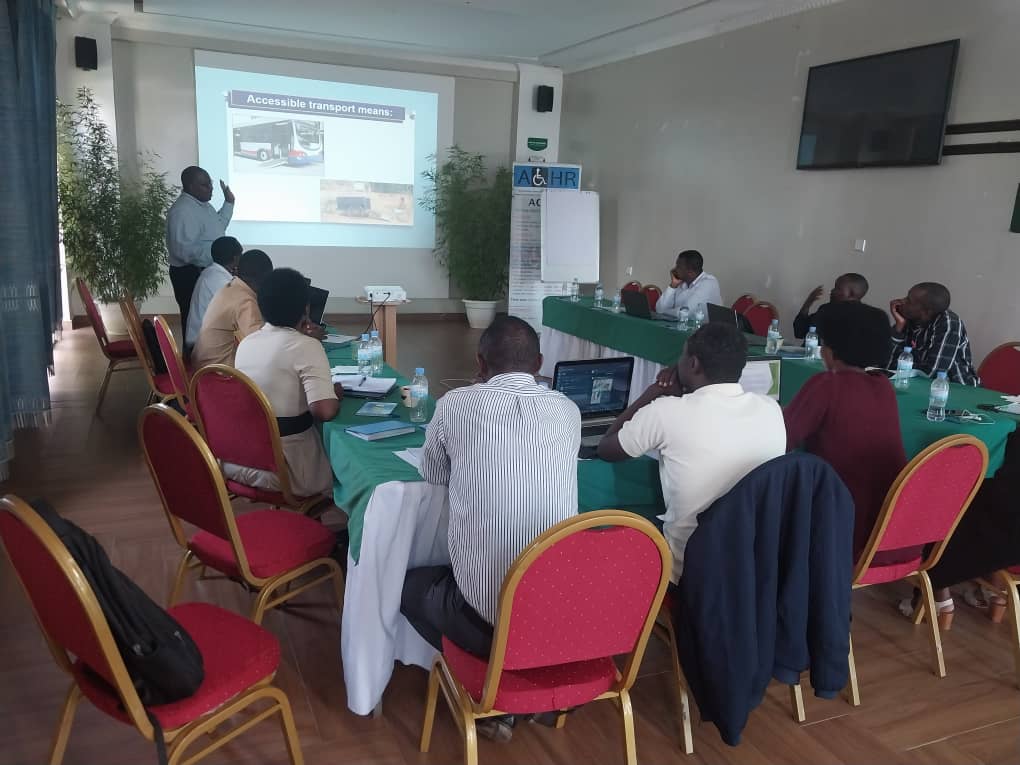
Discussions held in Kigali on December 18, 2024, emphasized the need for compliance in both existing and newly constructed buildings.
Karungi Rebecca, Director of Health and Social Development at Kicukiro District, expressed concern about older buildings that fail to accommodate people with disabilities. “While new structures meet RBC guidelines, older buildings remain exclusionary. We are advocating for adjustments to these structures to ensure inclusivity,” she stated. Karungi also called for stricter monitoring to ensure compliance during construction and after completion.

Eng. Theoneste Byabagambi, Government Building Maintenance Engineer, highlighted that accessibility features such as ramps, signage, and adapted restrooms are mandatory for new public buildings to receive building permits. Additionally, occupational permits are issued only after thorough inspections ensure compliance. He stressed the importance of adherence to guidelines to prevent deviations that might exclude people with disabilities.
“We face challenges with older public buildings, but plans are in place to retrofit them to ensure everyone feels included,” Byabagambi noted. He also called on surveyors to be vigilant during final inspections to uphold the integrity of RBC guidelines.

Aimable Rukundo, Chairperson of the General Association of People with Disabilities of Rwanda (AGHR), highlighted the persistent challenges people with disabilities face, including inaccessible schools, government offices, and other public spaces. “Some ramps do not meet required standards, while other buildings exclude us entirely,” Rukundo remarked. He urged the Rwanda Housing Authority to take a more active role in enforcing accessibility guidelines and ensuring universal access to public services.
Rukundo emphasized the importance of making buildings inclusive to enable individuals with disabilities to contribute to national development. He also noted that while progress has been made, the slow pace of retrofitting older buildings remains a significant challenge.
The discussions underscored that inclusive infrastructure is not merely a compliance issue but a social responsibility. Stakeholders, including government representatives and disability advocates, committed to strengthening collaboration and advocacy efforts to address the gaps.

By rebuilding or modifying older buildings and maintaining stringent checks for new construction, Rwanda aims to create an environment where people with disabilities can fully participate in all aspects of society. These efforts reflect the country’s commitment to achieving an inclusive future, aligning with its broader vision of equitable development.
theinspirerpublications@gmail.com


Leave a Reply