
Breaking barriers: How Masaka Farms is pioneering disability-inclusive employment for sustainable growth
By Elias Hakizimana.
For many people with disabilities (PWDs), securing a job remains a daunting challenge. In both the private and public sectors, the barriers to employment are often insurmountable, from lack of access to appropriate accommodations to widespread misconceptions about the capabilities of disabled individuals.
However, there are companies that are reshaping the narrative, proving that inclusive workplaces can drive not only social change but also business success.
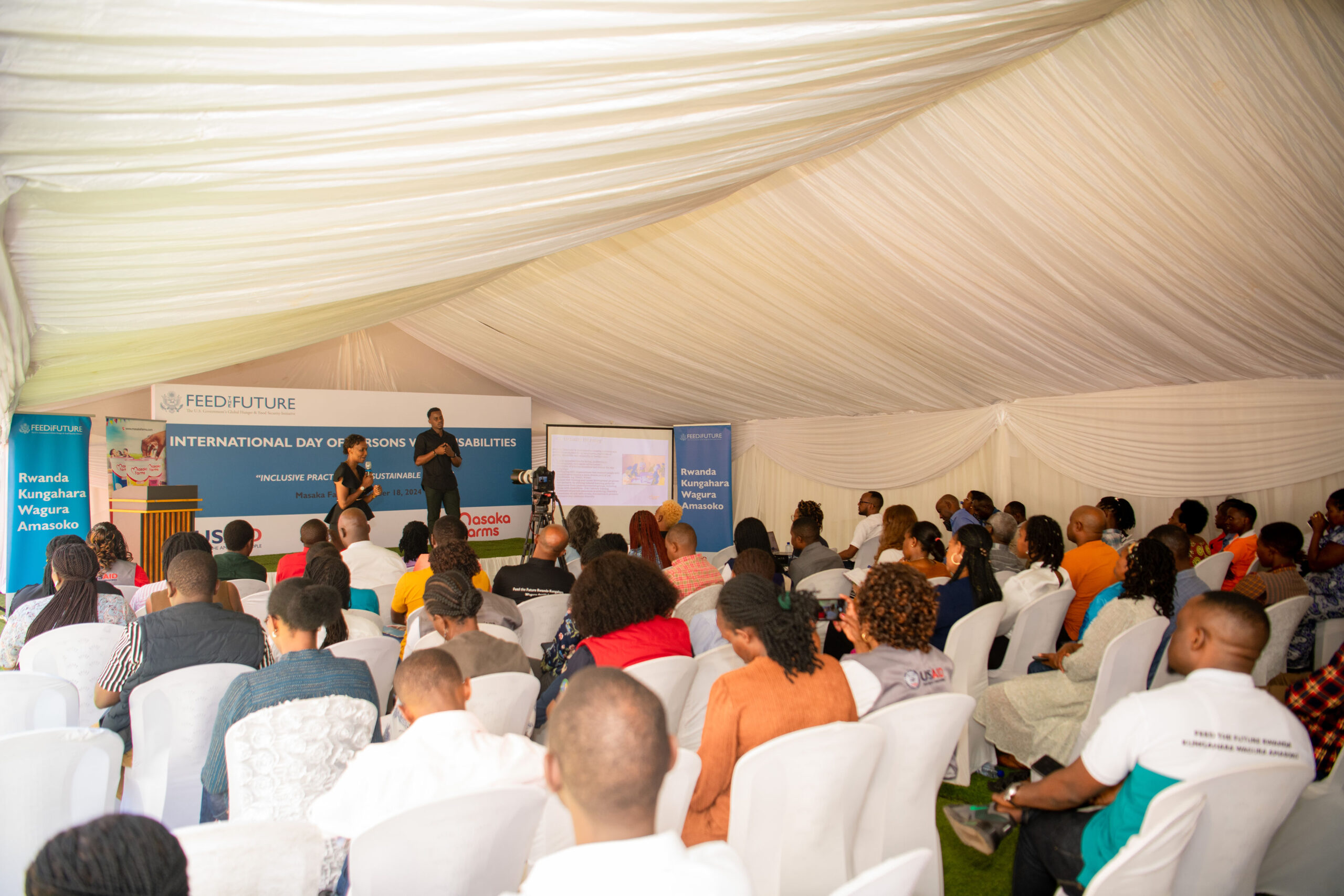
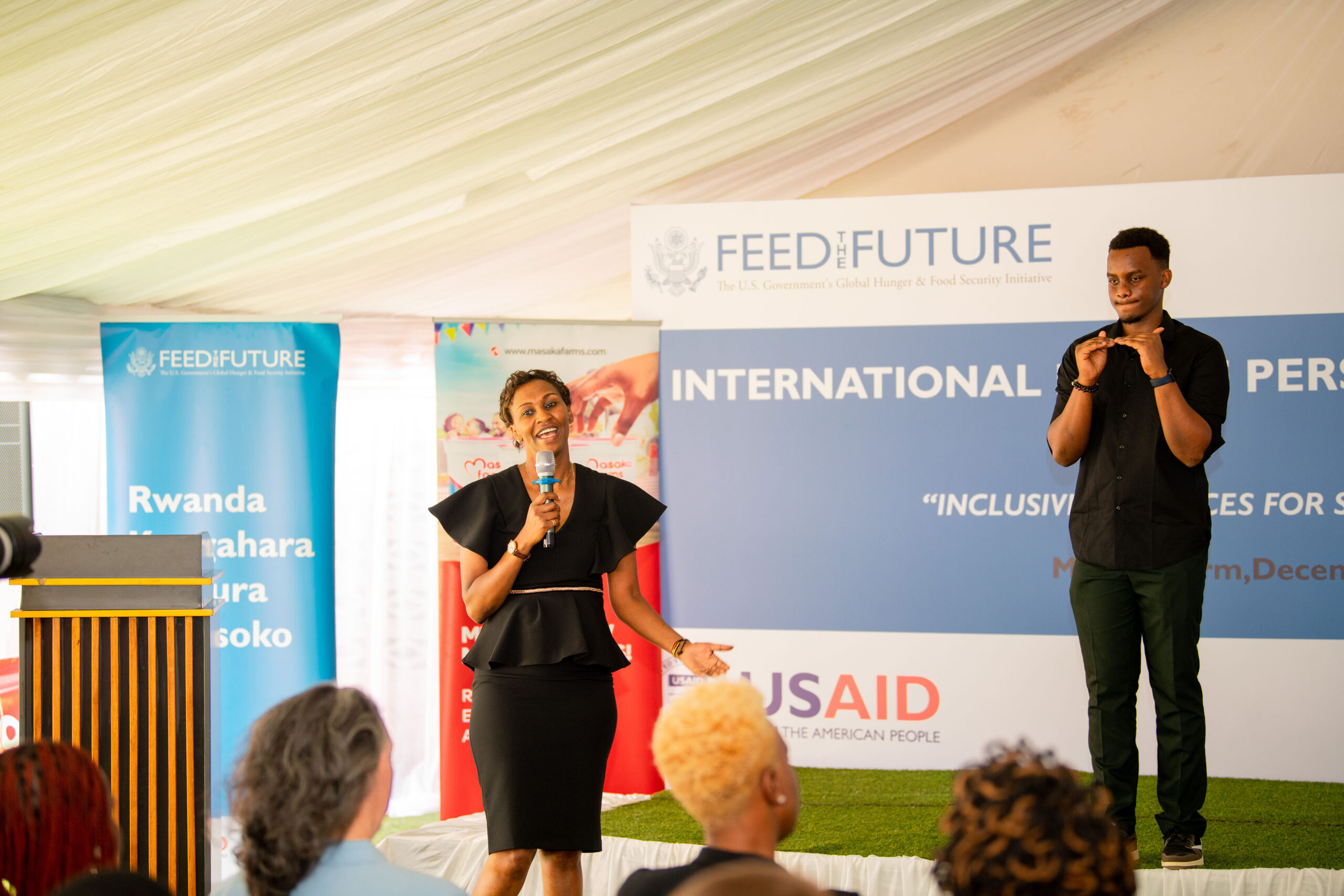
One such company is Masaka Farms Ltd., which celebrated the International Day of Persons with Disabilities on December 18, 2024, with a powerful event centered on the theme “Inclusive Practices for Sustainable Impact.”
In collaboration with USAID’s Feed the Future Kungahara Wagura Amasoko and other partners, Masaka Farms showcased its groundbreaking approach to workplace inclusion.

The event highlighted the vital role that gender equality and disability inclusion play in creating a sustainable and thriving private sector.
Through its commitment to inclusive employment, Masaka Farms has become a model for other businesses to follow, demonstrating that a diverse workforce is key to long-term growth and impact.
Transforming inclusivity into impact
Masaka Farms employs 94 full-time workers, with 60% of them being persons with disabilities. This remarkable commitment earned the company the Gender Equality Seal (GES) from Rwanda’s Gender Monitoring Office (GMO) and Rwanda Standards Board (RSB) in May 2024.

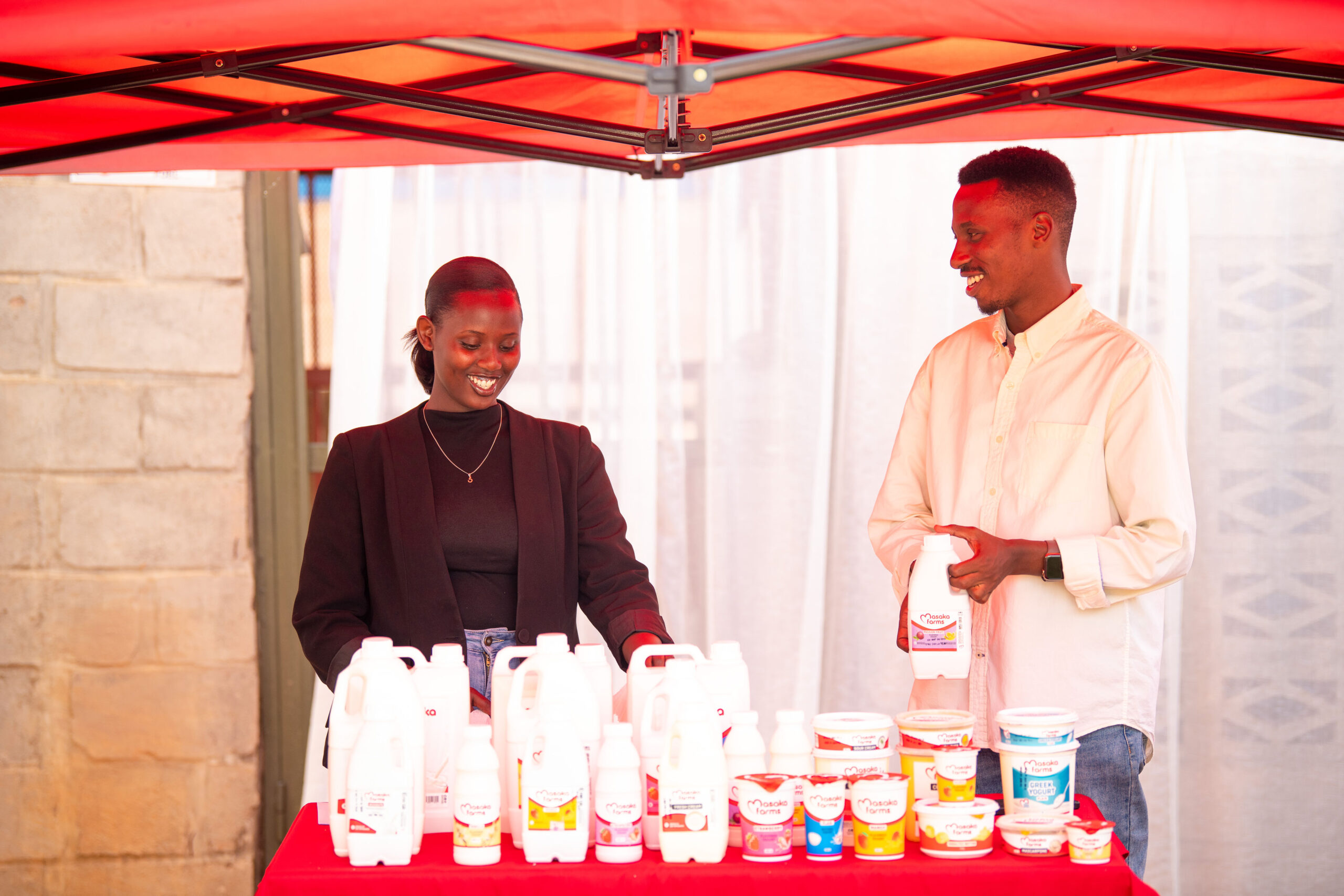
Starting with just two employees, Masaka Farms has grown into a dairy industry leader, producing 7,000 liters of milk daily and offering eight dairy products, including fresh milk, yogurt, and butter.
Jessica Torrens, USAID’s Director of Economic Growth, commended Masaka Farms for advancing inclusion and setting new standards.
“Masaka Farms has set an example by employing over 60% of its workforce from the disabled community and achieving the Gender Equality Seal,” Torrens said.
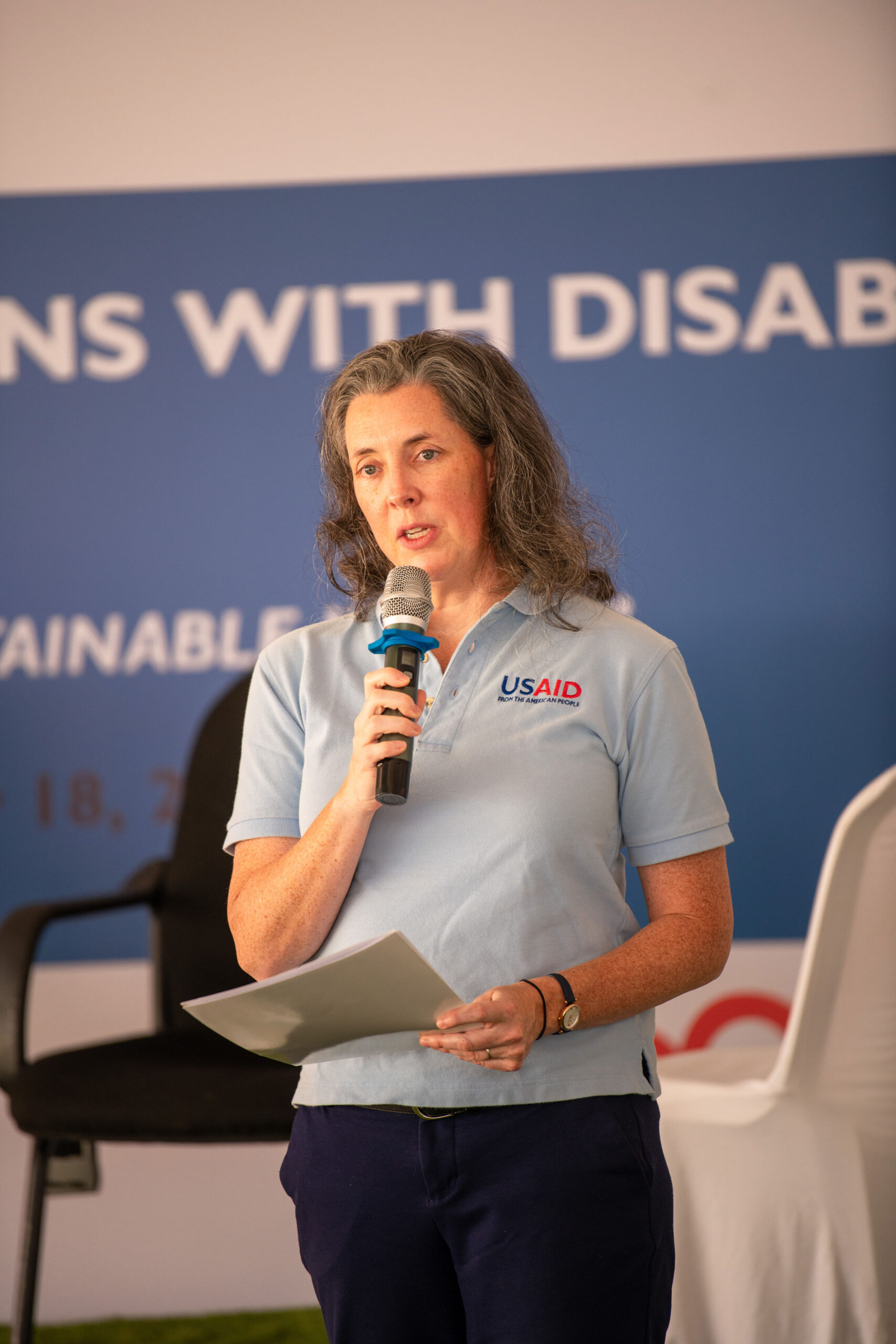
She called on other companies to replicate this model, emphasizing the private sector’s critical role in creating equitable workplaces and advancing inclusive development.
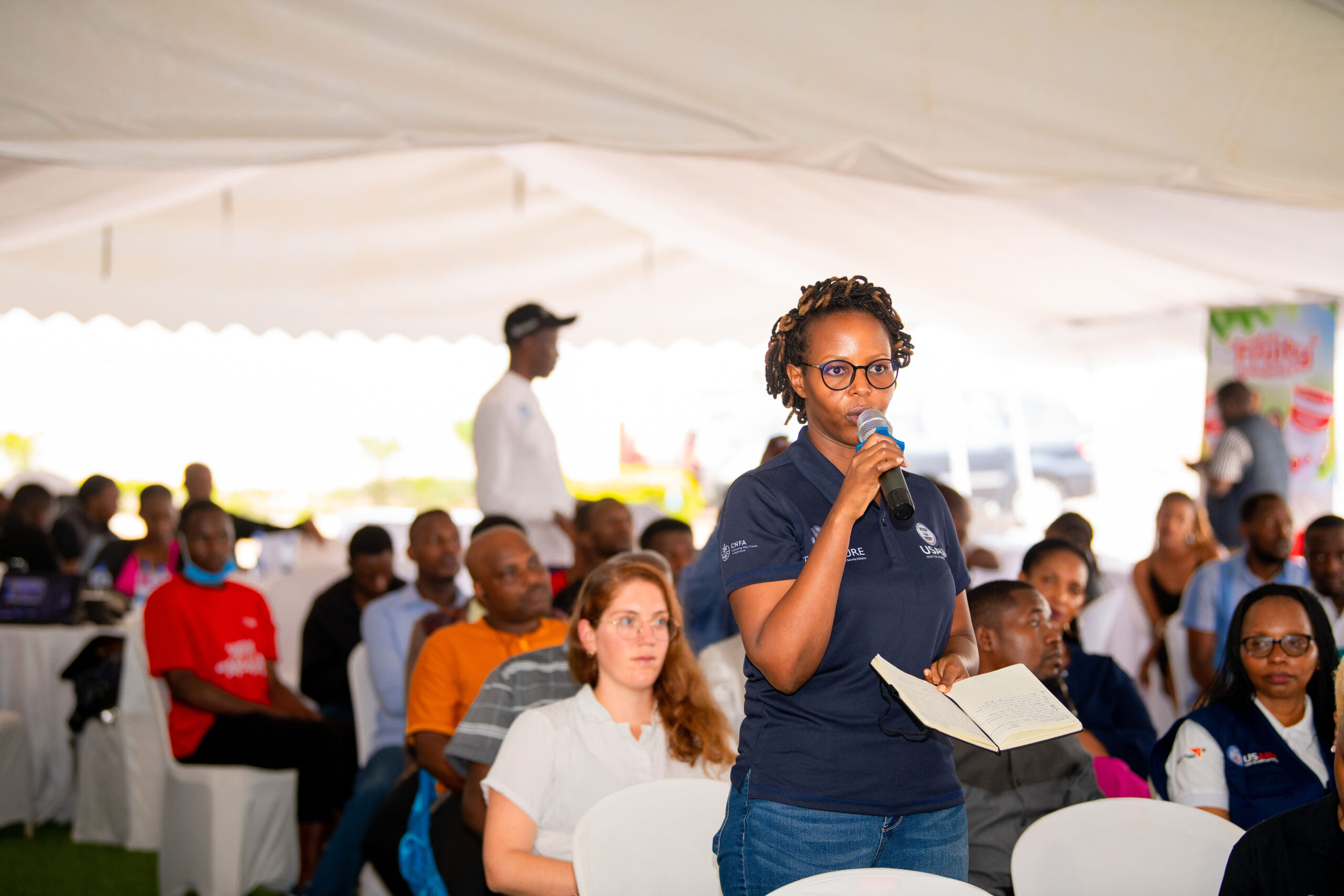
The panel discussion during the event featured diverse voices from Masaka Farms’ inclusive workforce.
Esther Muthee, Quality Control and Operations Manager, provided insights into the company’s journey to integrate deaf employees.
“It was challenging at first, but partnering with NGOs like Kilimo Trust and training youths at IPRC Musanze were pivotal steps. Policies like sign language training, maternity leave, and a focus on gender equality have created a supportive and thriving work environment,” she explained.

Serges Ndabikunze, Assistant Production Manager and a deaf employee, shared his perspective.
“Communication is a significant challenge for PWDs in the job market due to the lack of sign language skills. At Masaka, we have created an inclusive environment where we thrive,” he said through a sign language interpreter.
Ndabikunze emphasized how inclusive policies empower employees to excel and encourage innovation within the organization.
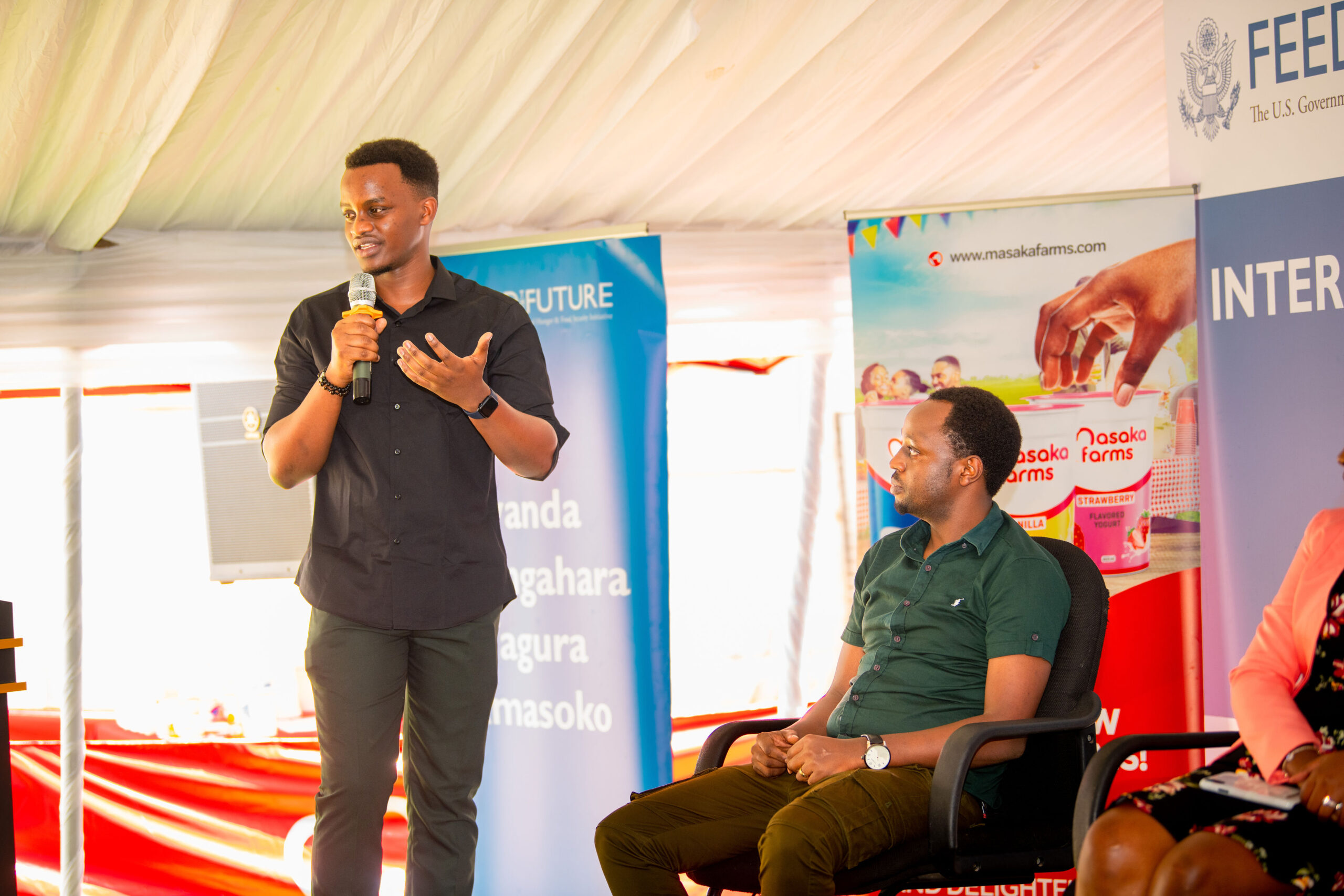
Keneth Muhozi, Operations Specialist and Sign Language Interpreter, praised the contributions of his deaf colleagues.
“They are incredibly focused, disciplined, and productive. Joining the workforce allows them to discover their abilities and inspire their peers to pursue opportunities,” Muhozi noted.
He also highlighted the importance of fostering understanding and collaboration between employees with and without disabilities.

Alphonsine Uwimana, a deaf employee and leader in inclusivity promotion,reiterated: “When I finished secondary school, finding work was difficult. Masaka Farms gave me an opportunity, and now we have seen a societal shift in recognizing the potential of PWDs,” she shared.
Uwimana also reiterated the need for widespread sign language literacy to further improve workplace communication and inclusion.
Inclusive policies driving success
The event also highlighted the impact of USAID’s Kungahara Wagura Amasoko project.
Esther Muthee credited initiatives such as the provision of a cold truck, advanced production and distribution systems, and financial coaching for enhancing operational efficiency.

“With the new system, I can track everything in real time, from inventory to sales, something that was unimaginable before,” she said.
Muthee stressed how these innovations have contributed to Masaka Farms’ ability to maintain product freshness and expand its export capabilities.
Tittiane Donde, Chief of Party at USAID-Kungahara Wagura Amasoko, emphasized the value of inclusive practices in driving both profitability and social change.
“Masaka Farms exemplifies how integrating gender equality and disability inclusion into operations can boost productivity and foster broader societal transformation,” she said.

Donde also noted the partnership’s role in building a community of practice for knowledge-sharing on gender equality and social inclusion.
Amplifying the call to action
The open session concluded with an impassioned call for broader adoption of inclusive practices. Participants stressed the need to combat stereotypes and promote workplace diversity across industries.
As one participant noted, “Working with PWDs is not a favor; it’s about recognizing their potential and creating pathways for success.”
Masaka Farms’ celebration of the International Day of Persons with Disabilities serves as a powerful example of how inclusivity can lead to sustainable impact. The company’s achievements highlight the potential of disability-inclusive employment to redefine success and inspire other organizations to embrace workplace diversity as a driver of economic growth and social progress.



theinspirerpublications@gmail.com




Leave a Reply