

Rwanda launches 16 days of activism against GBV with a Call for action to invest in prevention
The Inspirer.
Rwanda Government through the Ministry of Gender and Family Promotion (MIGEPROF) and Gender rights advocates have launched 16 days of activism against Gender-Based Violence (GBV), calling all the players to invest heavily in the prevention of the burden.
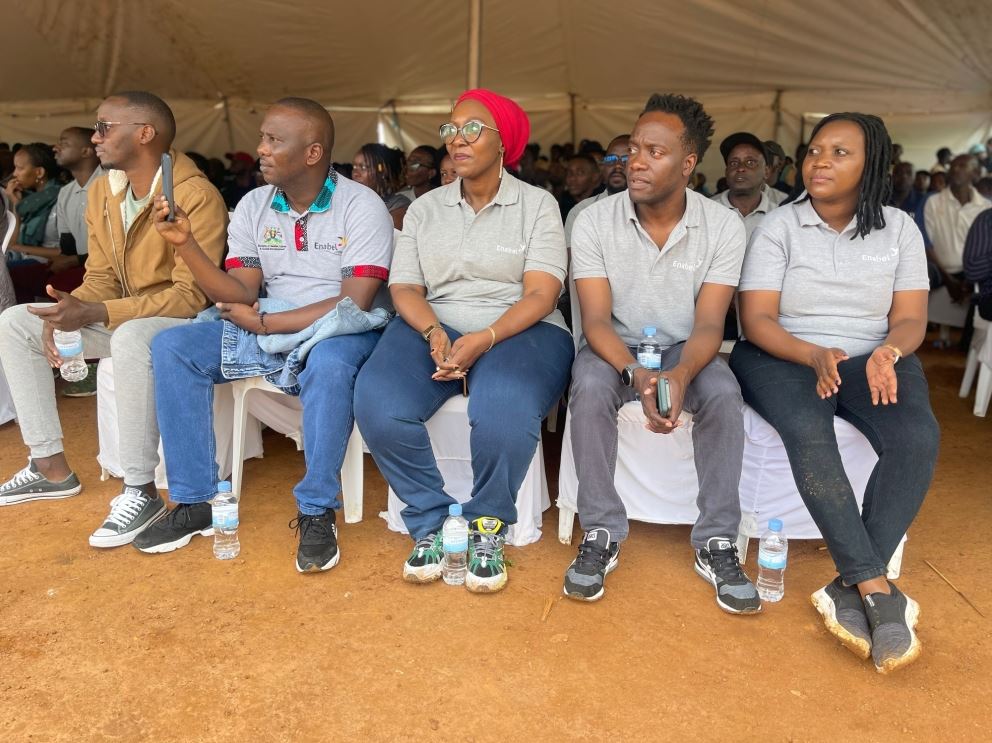
The call was made on November 25, 2023, in Bugesera District, Eastern Province, under the theme “UNITE! Invest to prevent violence against women and girls”.
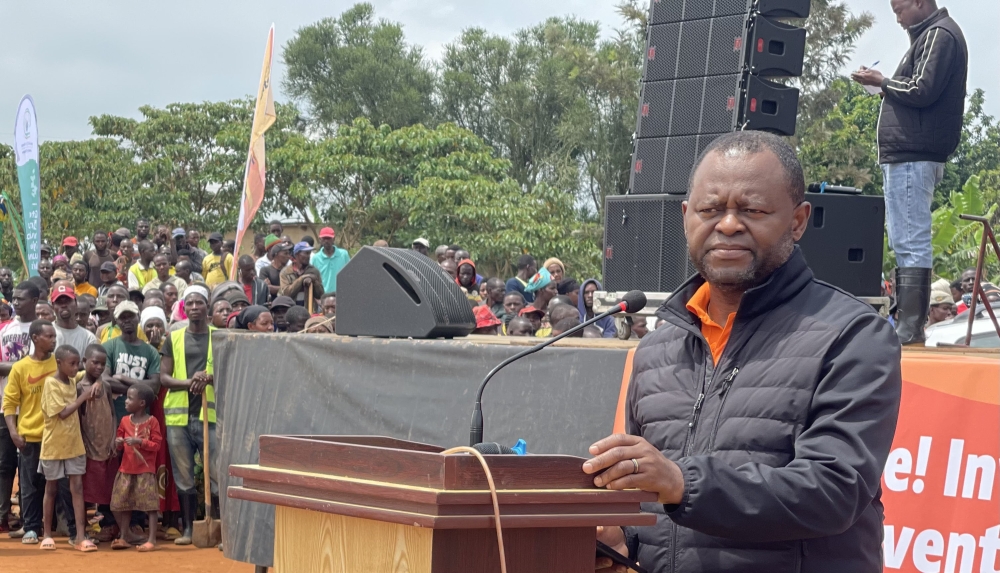
Ozonnia Ojielo, UN Resident Coordinator in Rwanda, explained the event’s rationale as “it aimed to demonstrate solidarity with victims and survivors of violence against women,”
He calls every actor to commit to taking more action to eradicate the shame of violence against women and girls.
“The theme for this year calls all of us to unite and to invest to prevent gender-based violence. It is a call for urgency and seriousness to make substantive and predictable investments to prevent all forms of violence against women and girls,” he observed.
“We need predictable financing from both domestic and external resources to continue to scale up efforts to end the crime of GBV,” Ojielo said.
Referring to the current situation, Ojielo said the data is obvious that in spite of the political will and the commitment made, violence against women is pervasive all over the world.
“Halfway to the 2030 agenda for sustainable development, our global community is failing to end this scourge,” he pointed out.
“And that is why if you look at the 2022 gender snapshot, across the world, 235 million women and girls experience physical or sexual violence from intimate partners each year,” he said.
In Rwanda, Ojielo indicated that the Demographic and Health Survey of 2020 shows that 46 per cent and 37 per cent of women suffer from intimate partner violence and physical violence, respectively, adding “we know that economic crisis, conflicts, and climate change have exacerbated this phenomenon.”
Violence against women is a costly crime
Ojielo pointed out that violence against women is a crime against the family as a whole, and it’s also very expensive.
“From a study by UN Women and the Economic Commission for Africa in 2013, the cost, on average, of violence against women is 2.5 per cent of GDP [gross domestic product] in 10 African countries. Globally, this is 3.7 per cent of GDP – of the global economy,” he said.
“And yet, investment to address violence against women is only at 0.2 per cent, overall,” he said.
Ojielo recommended that gender-responsive budgeting, of which Rwanda is a global champion, could be applied to end and prevent violence against women.
Issues that must be addressed through the right investments include negative social norms where violence is deeply entrenched, and promoting a culture of full equality between men and women, as well as zero tolerance to violence, he observed.
Others are promoting positive masculinity by engaging men and boys as partners and allies in gender equality and women’s rights promotion and implementing laws and policies that will help to eliminate violence against women and girls.
“Violence against women and girls is a hindrance to peace, a hindrance to security, and a hindrance to sustainable development. It is time we continue and deepen the fight against violence and its root causes,” he said.
The Minister of Gender and Family Promotion, Valentine Uwamariya, said that gender-based violence has devastating and long-lasting effects on the victims, including trauma and depriving them of their human rights, such as children dropping out of school because of defilement and associated pregnancy.
She said that GBV should not be endorsed, but rather shunned by society. “We should all have concerted efforts to prevent all forms of GBV in order to build stable families. We cannot end it if everyone does not play a role in the fight against it,” she said, urging members of the community to report GBV cases.
Giving examples of GBV cases that exist, Uwamariya cited teenage pregnancies which were on the rise, pointing out that they were more prevalent in Eastern Province’s districts of Nyagatare, Gatsibo, and Bugesera, with some children losing hope as a result.
“As the society in general, and the leadership, we have a collective responsibility to protect them, but most importantly, prevent (GBV in the form of defilement) so that more children do not fall victim to it,” she said.




Leave a Reply