

Rwanda: Experts Discuss Progress in Food System Transformation, Post-Malabo Agenda
By Xaverine Cyiza & Elias Hakizimana.
The Government of Rwanda hosts the 2023 Regional Strategic Analysis and Knowledge Support System (ReSAKSS) Conference to learn the progress with a call for action to fast-track the African Food Systems Transformation and the Post-Malabo Agenda.
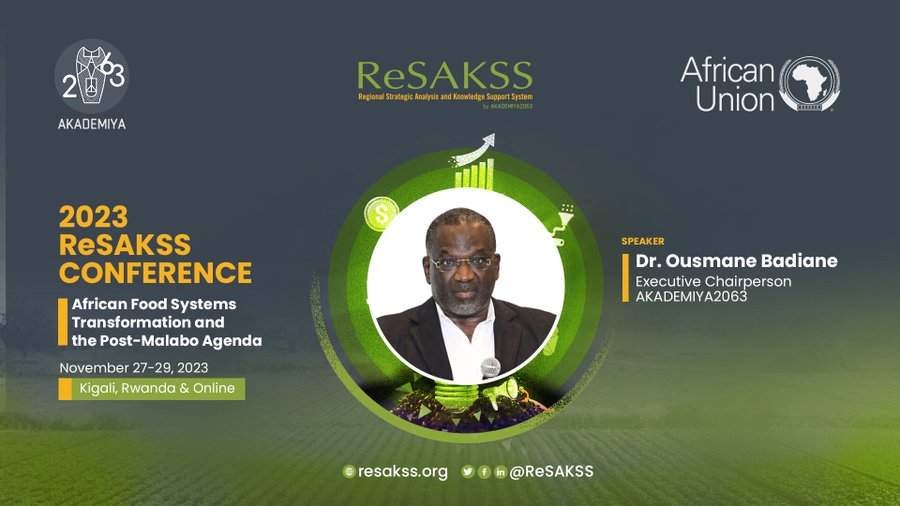
The three-day conference that is taking place in Kigali from Monday, November 27 to 29, 2023 is being hosted by AKADEMIYA2063, in partnership with the African Union Commission.
The conference addresses critical issues surrounding Africa’s food systems transformation and the Post-Malabo Agenda.
It aims to assess the progress made in Africa’s food systems transformation and the Post-Malabo Agenda, focusing on various strategic themes like health, nutrition, food safety, gender, bioeconomy, climate adaptation, science, technology, and data requirements.
Speaking about sustainable agriculture development and the economy, Dr. Ousmane Badiane, Executive Chairperson and Board Chair, AKADEMIYA2063, explained that the program has set up an interactive online platform to track more than 40 indicators for all African member states to follow the progress on implementation of this agenda.
“The current report shows progress, providing great understanding about the many thematic areas of critical importance of the African agenda. We see the opportunity to be less than two years in Malabo Declaration that ends in 2025, to think ahead in terms of what should be done beyond 2025.” Badiane said.
The event analyzes the findings and policy recommendations of the ReSAKSS 2023 Annual Trends and Outlook Report (ATOR) and the Comprehensive Africa Agriculture Development Programme (CAADP) monitoring and evaluation report. These reports evaluate current food systems’ performance and identify opportunities for transformation.
Moving Beyond 2025
Dr. Ousmane Badiane emphasizes the importance of looking beyond the Malabo Declaration’s current tenure, which ends in 2025. The discussions focus on crafting the post-Malabo agenda, utilizing evidence-based data and research to guide future policies and programs.
Lessons from Malabo Declaration
Dr. John Ulimwengu, Senior Research Fellow, International Food Policy Research Institute and co-editor of the 2023 ATOR, highlights the report’s focus on assessing the successes, failures, and lessons learned from the seven years since the adoption of the Malabo Declaration in 2016.
The report scrutinizes countries’ performances, evaluates policies, and addresses issues like data quality, innovation, gender empowerment, economy, trade, and resilience.
The report also touches on key areas such as gender empowerment, economic aspects, trade, resilience, innovation, and technologies for achieving sustainable and healthy diets for all.
Challenges and Solutions
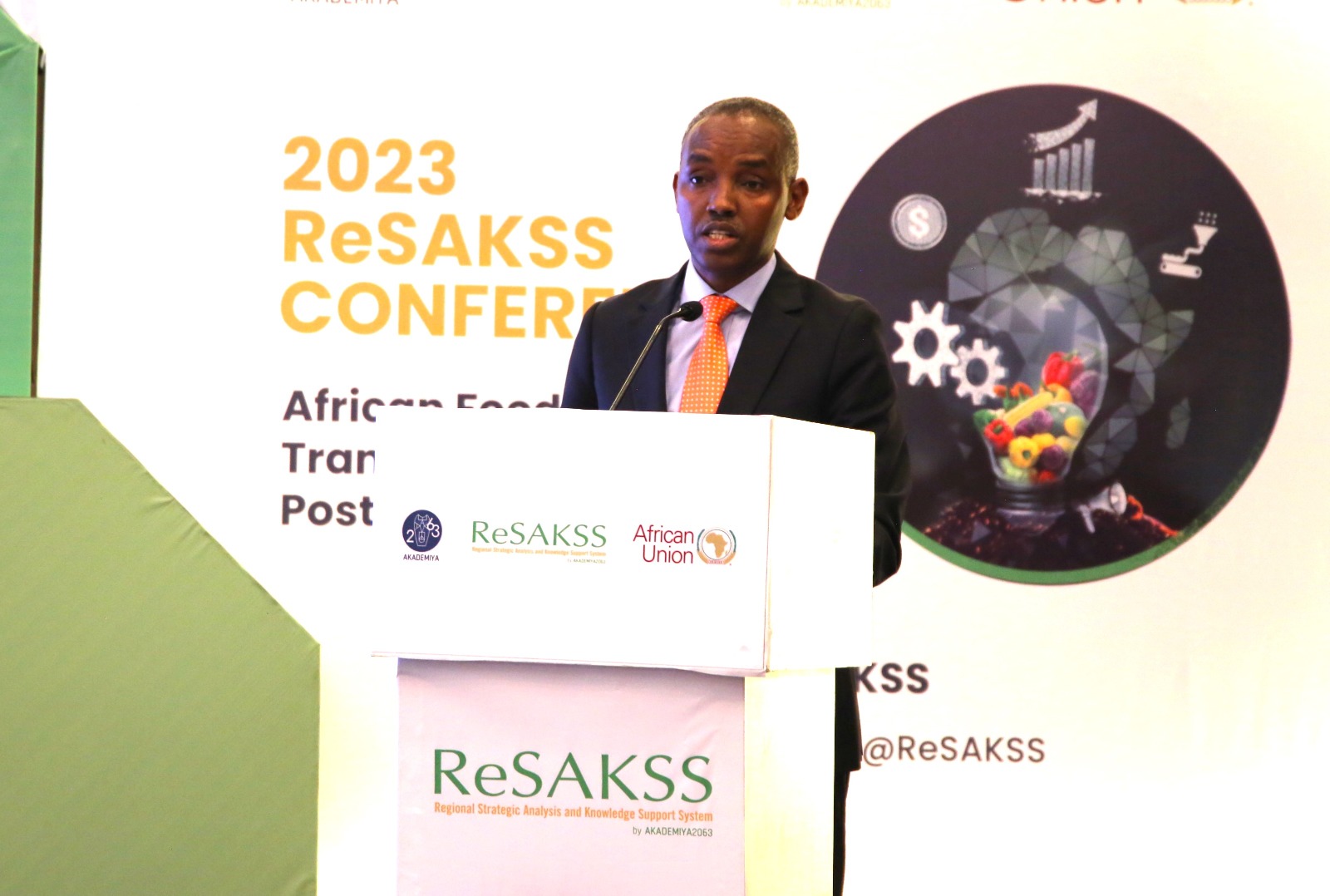
Hon. Eric Rwigamba, Minister of State in the Ministry of Agriculture and Animal Resources (MINAGRI), outlines critical challenges and solutions for Rwanda’s food system sustainability. These include addressing weather prediction, precision agriculture, land use planning, environmental monitoring, and irrigation planning using advanced technologies and data-driven approaches.
Established in 2006 under CAADP, ReSAKSS provides crucial data and analytical support for evidence-based policy planning and implementation. AKADEMIYA2063 leads ReSAKSS’s work, collaborating with the African Union Commission and Regional Economic Communities to enable economic transformation and shared prosperity in Africa.
The conference serves as a platform to evaluate past commitments, identify challenges, and strategize for the future, leveraging data-driven approaches to foster sustainable agriculture and economic growth in Africa.
theinspirerpublications@gmail.com



Leave a Reply