
Rubavu: Vegetable Farmers to Get Markets
By Elias Hakizimana.
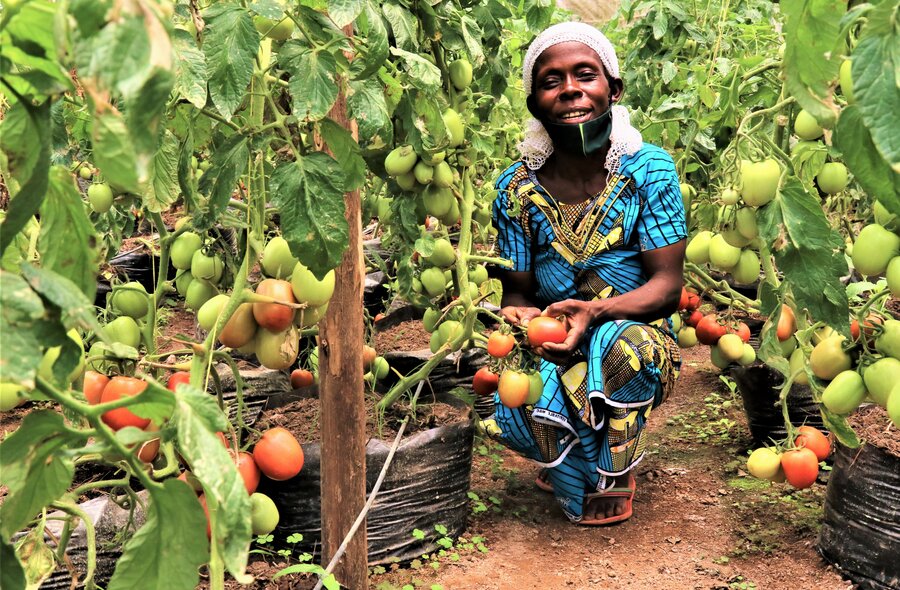
Farmers in Rubavu district whose vegetable yield used to perish are soon to get a market, thanks to the new project ‘Good Food for Cities’ initiated by Rwanda Consumer’s Rights Protection Organization (ADECOR) in collaboration with the farmers.
The ‘Good Food for Cities’ project, led by the Rwanda Consumer’s Rights Protection Organization (ADECOR) in partnership with Rubavu district administration and key players in the agricultural sector, holds promise for vegetable farmers in this area.
The initiative aims to address the challenges faced by farmers, particularly concerning post-harvest losses and market access for their produce.
The project’s objectives encompass several key strategies aimed at enhancing agricultural productivity and market access:
Improved Agricultural Practices
Farmers are encouraged to adopt best agricultural practices, including the use of quality seeds, timely planting, and appropriate pesticide application to increase both the quantity and quality of their yield per hectare.
The project focuses on creating transparent market channels for farmers, ensuring that their produce reaches markets efficiently. This initiative seeks to bridge the gap between farmers and consumers while minimizing losses for both parties.
Paul Mbonyi, representing ADECOR, outlined the genesis of their project, which was born out of witnessing the considerable losses experienced by farmers and traders dealing in fruits and vegetables.
“The primary goal of their initiative is to address these challenges by facilitating a more efficient and transparent market for farmers while aiming to transform dietary habits. Their program intends to introduce produce that not only diversifies diets but also enables farmers to access markets transparently, thereby minimizing losses for both farmers and traders.” Mbonyi highlights.
Mbonyi emphasized the overarching objective of achieving productive agriculture that benefits farmers, consumers, and traders alike.
A key aspect of their approach involves collaboration with cooperatives, financial institutions, lenders, and insurance companies. This collaborative effort aims to provide insurance coverage for crops, ensuring that even in the face of climate changes, natural disasters, floods, or droughts at the national level, insured crops will not suffer losses.
This insurance-backed strategy is designed to safeguard farmers’ interests, providing them with a safety net against unforeseen adversities that could affect their crop yield. By creating a system that protects against such risks, the initiative seeks to bolster the stability and resilience of the agricultural sector in the face of various challenges.
Risk Mitigation
The project emphasizes risk reduction for farmers through various means, including crop insurance against natural disasters or climate-related challenges. This measure aims to safeguard farmers from potential losses due to unforeseen circumstances.
Biradukunda Jérôme, President of the Federation of Fruit and Vegetable Cooperatives in Rubavu District, expresses optimism regarding the project’s potential to uplift farmers in the region.

With hundreds of members in various cooperatives, the project offers hope for increased agricultural productivity and reduced post-harvest losses, particularly in situations where vegetables rot in the fields due to inadequate storage facilities.
Rubavu District administration is enthusiastic about the collaboration, anticipating significant improvements in the local economy.
Mwiseneza Emmanuel, the investment officer in the Rubavu district emphasizes the comprehensive support the project aims to provide.
This includes offering insurance coverage for vegetables and fruits, facilitating access to inputs, securing markets, and ensuring timely payments for farmers before product delivery.
“By partnering with the agricultural community and local administration, this initiative seeks to create a more resilient and profitable environment for vegetable farmers. The focus on reducing losses, improving market access, and providing necessary support can potentially transform the agricultural landscape in Rubavu district, contributing to the overall economic growth of thedistrict and the country,” says Mwiseneza says.
theinspirerpublications@gmail.com




Leave a Reply