

Citizen’s Mindset Change is Key Towards Eradicating Malaria-RBC
By Elias Hakizimana.
During an ongoing campaign to assess malaria indicators through a survey that shows the status of the disease among the population countrywide, Officials from Rwanda Biomedical Centre have revealed the potential for knowledge and mindset change in combating this burden.
However, according to recent figures, the cases and deaths are declining and the goal of achieving zero malaria by 2030 will be undoubtedly met by 2030.
The first batch of the annual Rwanda Malaria Indicator Survey (RMIS) is currently being conducted in the Northern and Western Provinces in Gakenke, Musanze, Rutsiro, and Rubavu districts from October 15 until November 25, 2023, and it targets 15 districts, while the second batch that will target the remaining 15 districts will be conducted until December 17, 2023.
“We started this survey on October 15 and the target is to cover all the districts countrywide. Through this initiative, we want to assess the knowledge and the practices of the citizens in terms of prevention and treatment against Malaria, but we have realized that citizens’ mindset change is key towards eradicating the disease,” says Epaphrodite Habanabakize, Malaria Prevention Senior Officer at Rwanda Biomedical Center (RBC).

The Rwanda Malaria Indicator Survey has deployed 90 workers countrywide, whereby each and every district has 6 workers including 2 Biomarkers, 3 enumerators, and 1 team leader. RBC has sampled 170 clusters as a scope of the survey countrywide.
Habanabakize explains that the results from the survey will help the Ministry of Health in the planning and budgeting process for all the activities to eradicate Malaria by 2030.
Claudette Mukabutare, the team leader of enumerators who are conducting RMIS in Musanze district says that there is a need for citizen’s effective participation.
“We work with the local authorities to mobilize and meet citizens in the households where the preliminary work of the survey is done, we have seen a tremendous mindset among the citizens, most of them sleep in mosquito nets and apply best practices to prevent malaria,” Mukabutare says.
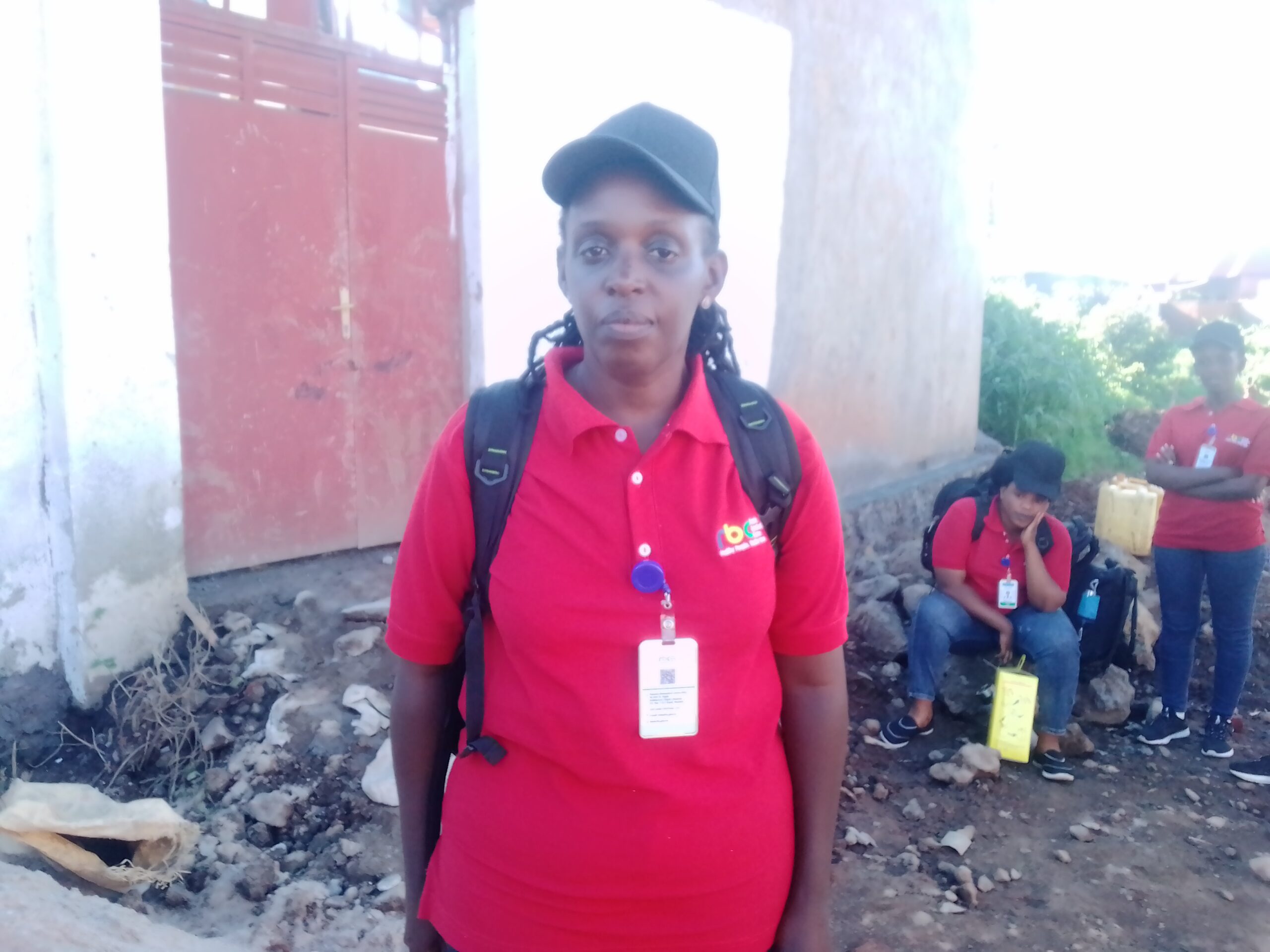
During the survey, all the members of a sampled household except children less than five months are tested for malaria.
Rwanda’s efforts to eradicate malaria by 2030 are showing promising results, according to the Rwanda Biomedical Centre (RBC).
Notable achievements include a significant reduction in new malaria infections, dropping from 5 million patients in 2016 to 621,465 in 2022-23 (around 10 times decrease). Severe malaria cases also decreased from 17,941 in 2016 to 1,316 in 2022-2023, with a decline in deaths from 663 to 51 cases during the same period.

theinspirerpublications@gmail.com




Leave a Reply