
Lack of access to SRHR among women with disabilities is a global issue-Activists
By Elias Hakizimana.
Health advocates and activists say that lack of access to Sexual Reproductive Health Rights (SRHR) among women and girls with disabilities is a global burden.
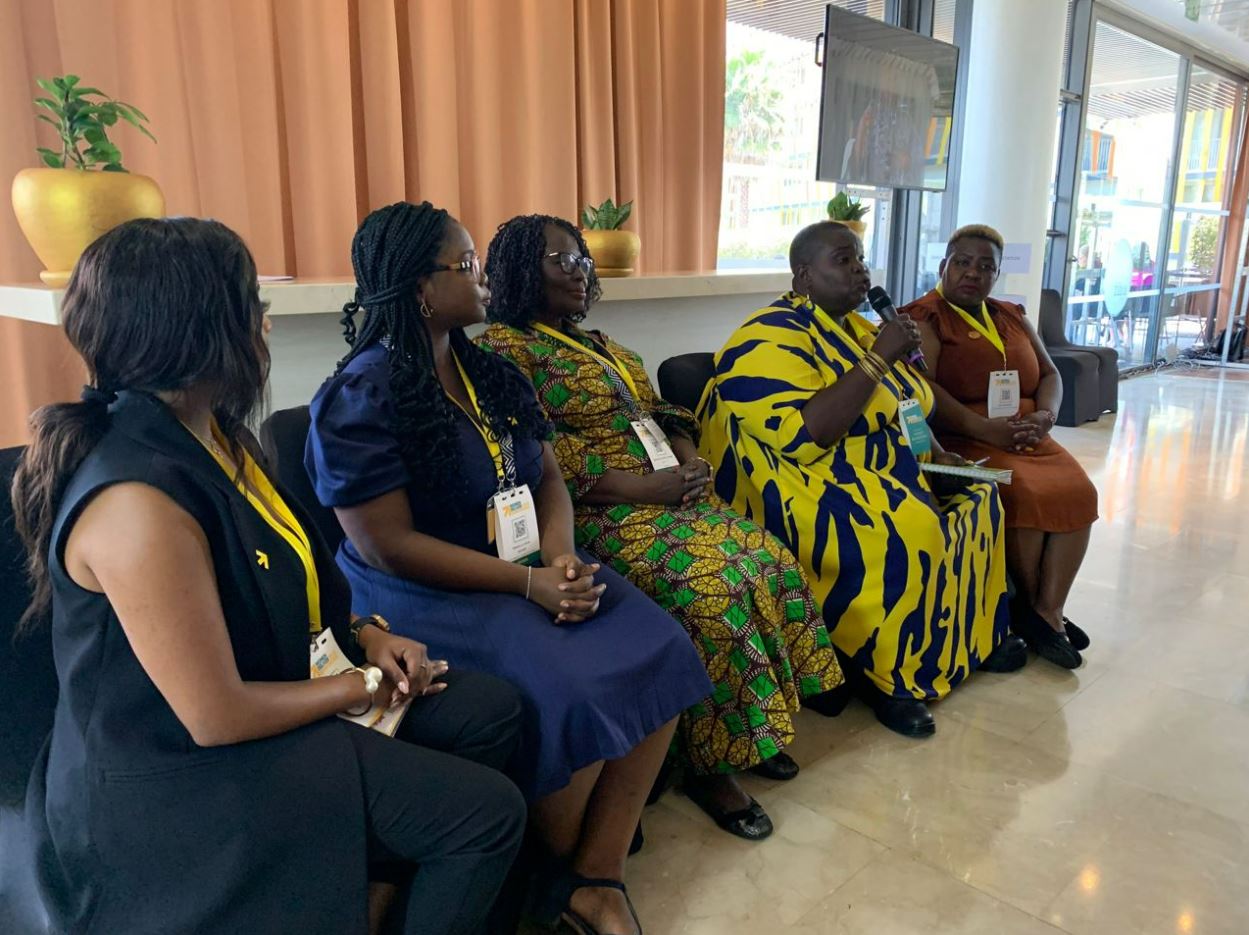
Ruth Mulumbi, a woman with disability and Chairperson of a grassroot organization in Kenya called Kakamega Account Disability Kokasi, that brings together movements that work for disability issues said that they do a lot of work around Sexual Reproductive Health through promoting the rights of girls and women with disabilities, but challenges persist.
She says that one of the biggest barriers they experience as women and girls with disabilities include lack of access to information because many times people imagine that women and girls with disabilities do not deserve the right to education on sexual reproductive health.
“We also experience a lot of barriers especially at health facilities when we want to access medical care, because we do not have a disability desk at the facility that can address sexual reproductive issues for women and girls with disabilities,” Mulumbi told The Inspirer.
“When it comes to giving birth at the maternity, most beds are not disability friendly, so a woman in a wheelchair will be difficult for her to get to these beds to give birth, and even the equipment at the facility, for example for a woman with physical disability, to realize that they are going to take my weight, and the weight is very important for the doctor to know my weight just in terms of intervention when pressure rises, so it becomes difficult and the doctor imagine that may be I am 100kgs or 200 kgs, so, the equipment are not friendly to women with disabilities,” she said.
She also mentions language barrier at health facilities because they do not have sign language interpreters to serve deaf women and girls.
She said that the issues of reproductive health affect girls with disabilities, especially those with mental health.
“They are not taken through on how the young girls can take care of themselves especially when handling menstrual hygiene, and you also realize that even the sanitary pads are not friendly to all women with disabilities because some of the packets are very tight, while some girls do not even have fingers because of their disability status, so it is very hard for them to use and they are not taken through how they are supposed to use the sanitary towels,”
Sanitary towels expensive
Mulumbi said that even the sanitary towels are expensive and not affordable to young girls and women with disabilities.
She said that Sexual Reproductive health Right should also be inclusive and accessible to all women and girls with disabilities. “Women and girls with disabilities should be also given inclusive spaces as other women, when we talk about inclusive spaces it means that everything needs to be very much accessible with reasonable accommodation so that women with disabilities are also given an opportunity to offer meaningful participation in all dialogues,” said Mulumbi.
SRHR Justice
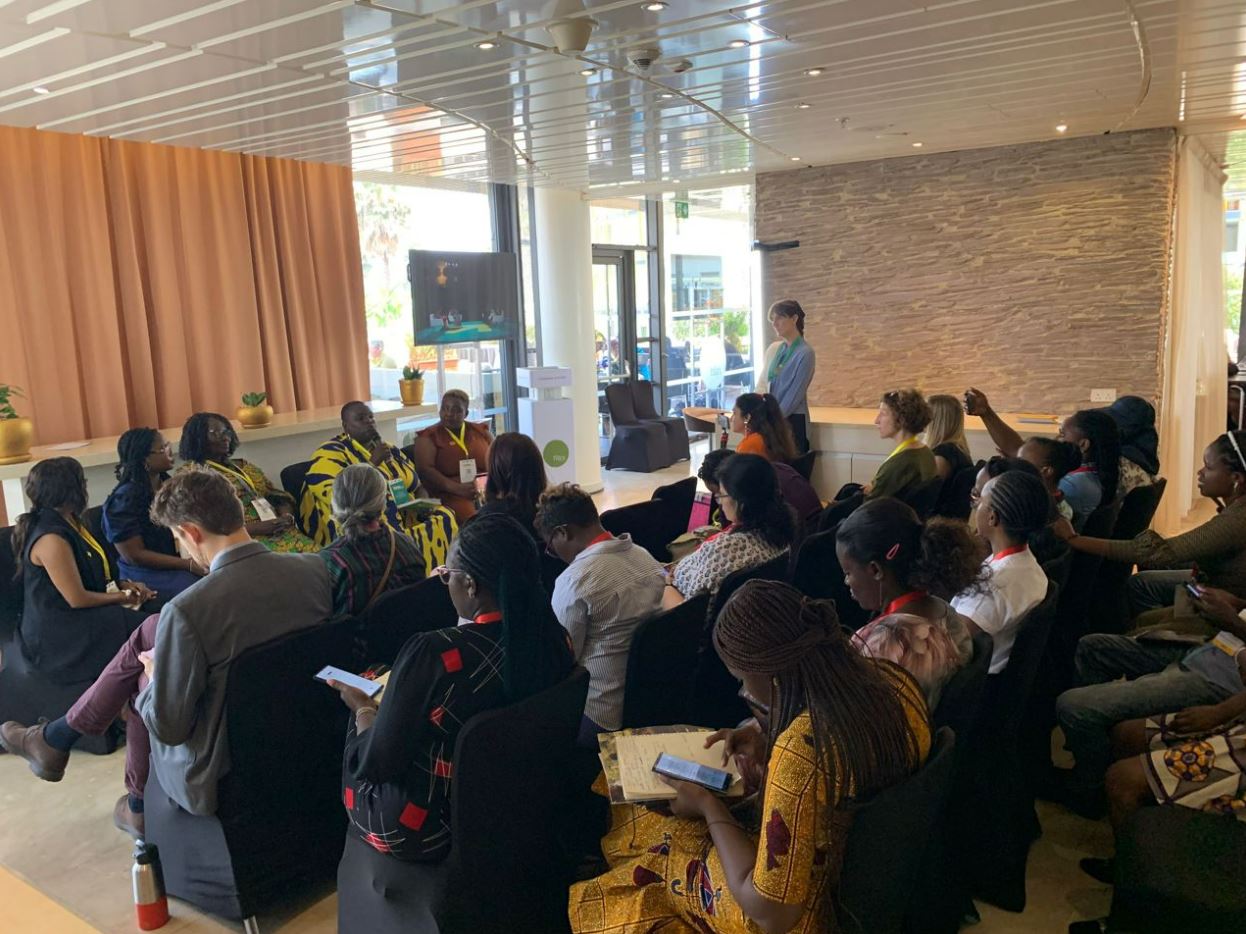
“Something is being done but we are not there yet, because there many injustices thar are affecting girls and women with disabilities that go unreported, and there are even some cases that do not see the light of the day, so we still have a journey ensuring that injustices affecting women and girls with disabilities see the light of the day.” Mulumbi said.
A global burden
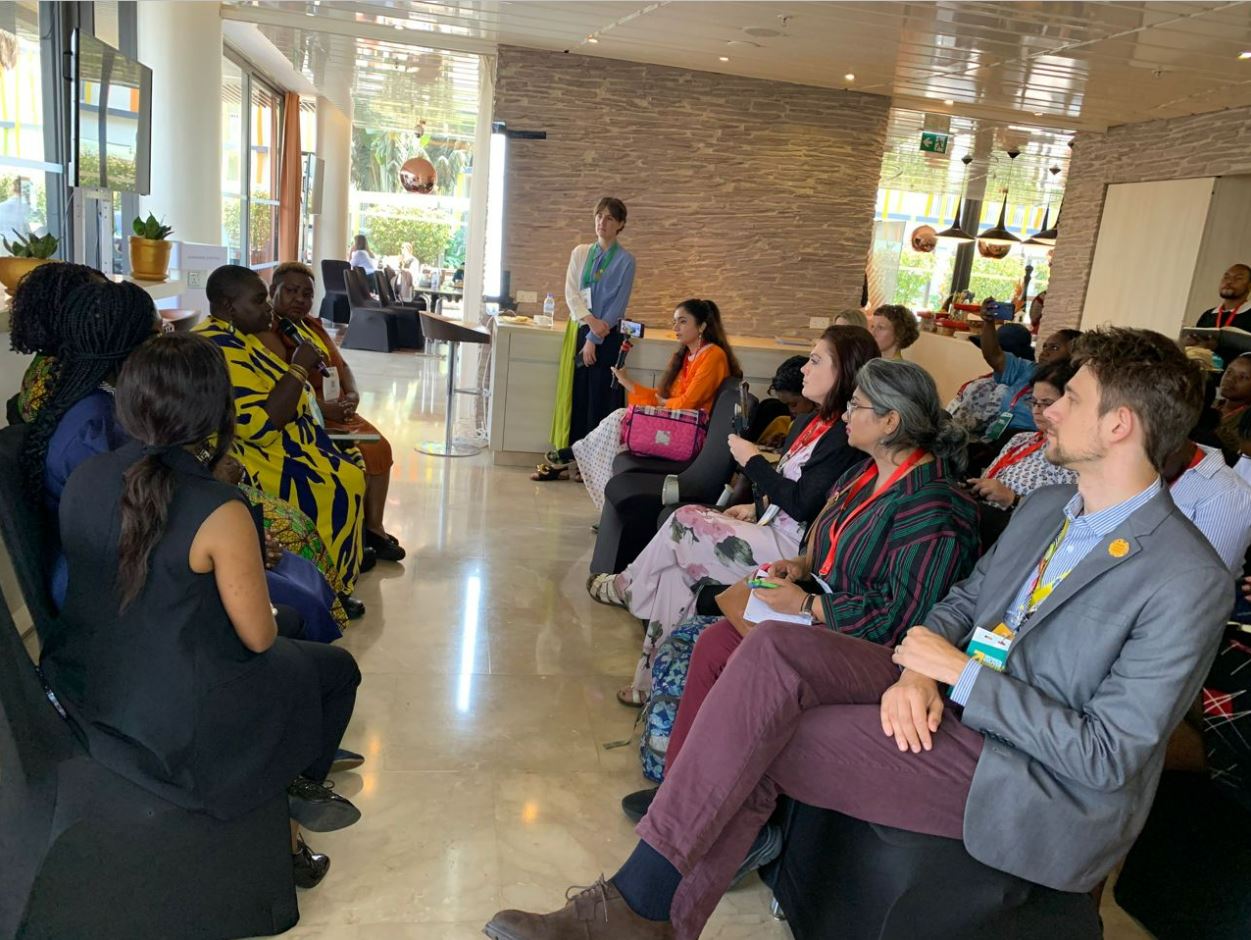
According to Andrea Pregel, Global Technical Lead, Inclusive Health at Sightsavers Organization, women and girls with disabilities always face same challenges in all the societies across the globe.
“Women and girls with disabilities face similar challenges such as lack of access to education, limited opportunities like financial independence, discrimination and it is across the globe, not only in Rwanda, not only in UK or in USA, it happens everywhere.” Andrea said.
He said that when it comes to SRHR, the situation is quite bad in many countries, where women and girls with disabilities are forced into procedures without their consent. These include abortion, contraception and sterilization without their informed consent. “And there is too much stigma at the community level coupled with negative stereotypes,” Andrea noted.
theinspirerpublications@gmail.com
Follow us @theinspirerpubl


Leave a Reply