
Karongi residents turn farming support into businesses and better livelihoods
By Erneste Nsanzimana.
A development project supporting vulnerable households in Karongi District is helping residents move from poverty to self-reliance through livestock farming, agriculture, savings groups and entrepreneurship training.
The Tubeho Neza Aheza project, implemented by CARITAS Nyundo-Kibuye with support from Slovenia’s Ministry of Foreign Affairs in partnership with Caritas Slovenia, has reached 1,595 households across Mutuntu, Rugabano, Rwankuba and Gashari sectors.
Since its launch in June 2024, the project has focused on improving livelihoods by providing livestock, agricultural inputs, training and support to small businesses. It is expected to run until October 2027 with a budget of Rwf780 million.
Jean Damascene Kwizera, a project employee at CARITAS Nyundo-Kibuye, said the programme was designed around the needs of communities, many of whom depend on agriculture and livestock.
“We provided small livestock such as pigs, goats and sheep based on the choices made by beneficiaries,” Kwizera said.
The project has distributed 1,595 animals, supplied fruit tree seedlings and seeds, and trained farmers in improved agricultural practices. Farmers have also received irrigation equipment to help maintain production during dry seasons.
The programme has also supported households with solar-powered lighting systems, with 725 families benefiting from the initiative. Kwizera said the lighting has helped children study at night and enabled families to access information on development programmes.
In addition, 3,190 modern cooking stoves have been distributed to improve household health and reduce reliance on traditional cooking methods.
Kwizera said savings groups established through the project have helped residents develop a culture of saving, access loans and invest in income-generating activities.
“Training has also been provided in hygiene and sanitation, business management and modern farming practices. Beneficiaries are selected in collaboration with local authorities to ensure the support reaches the intended communities,” he said.
The project plans to expand its activities to Ruganda and Murundi sectors.
From hardship to entrepreneurship
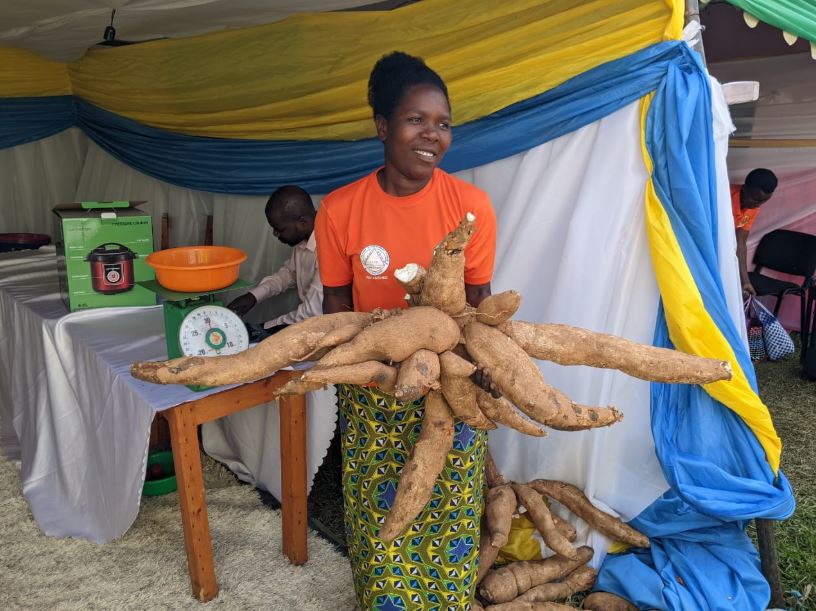
For Marie Jeanne Nibyimana, a resident of Bwishyura Sector, the project marked a turning point after years of poverty and unemployment.
“I was in extreme poverty and had no job. I dropped out of school in Senior Five. CARITAS training showed me that I could start building a life from a small income,” she said.
After receiving Rwf45,000 from the project, she invested Rwf25,000 in a small cassava trading business. She started with 25 kilograms of cassava but gradually expanded her operations.
Today, she works with about Rwf200,000 in capital and supplies cassava to markets in Kigali.
Nibyimana also invested in farming, renting land for Rwf12,000 and buying cassava seeds worth Rwf37,000. She harvested crops worth Rwf94,000 in the first season and Rwf70,000 in the second.
She said improved farming techniques increased her production from 2–3 kilograms per cassava plant to between 25 and 30 kilograms.
She now owns five chickens and plans to expand her livestock activities.
“My goal is to increase my business capital to Rwf2 million and move from cultivating three ares of land to one hectare,” she said.
Nibyimana encouraged people facing poverty to focus on hard work and use available opportunities to improve their lives.
Youth embrace farming and business opportunities
In Rugabano Sector, Concessa Uwiringiyimana said the project helped young people overcome fear and view farming as a business opportunity.
“We received training that encouraged us to invest and reject the idea that farming is only for people without other options,” she said.
Through a savings association, Uwiringiyimana accessed loans and expanded her businesses. She started a mobile money business with Rwf50,000 and later invested in livestock after receiving support from the project.
She also ventured into vegetable farming, producing carrots, cabbages and other crops. One carrot harvest earned her Rwf150,000.
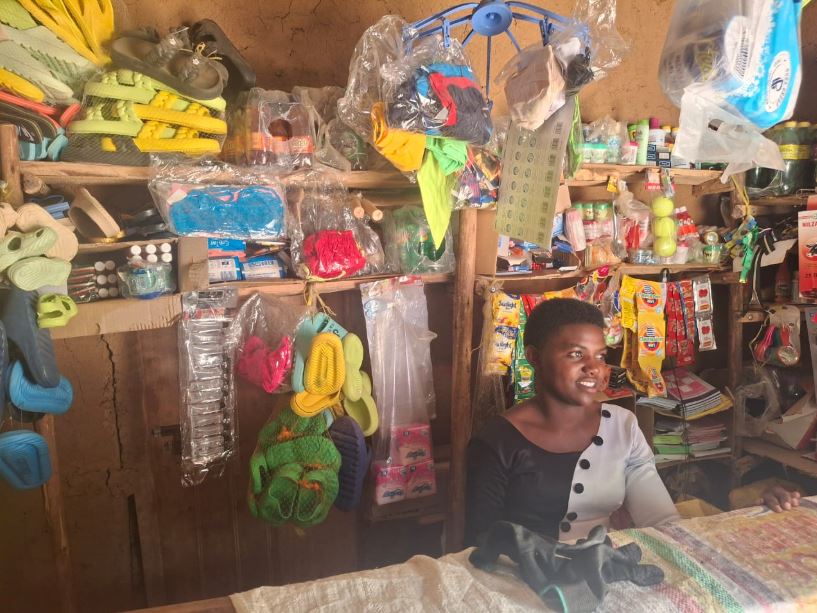
Today, she owns a shop valued at about Rwf1 million and has been able to pay her university fees.
“I encourage young people to work hard, join associations and embrace farming as a professional activity,” she said.
Livestock support helps build a business
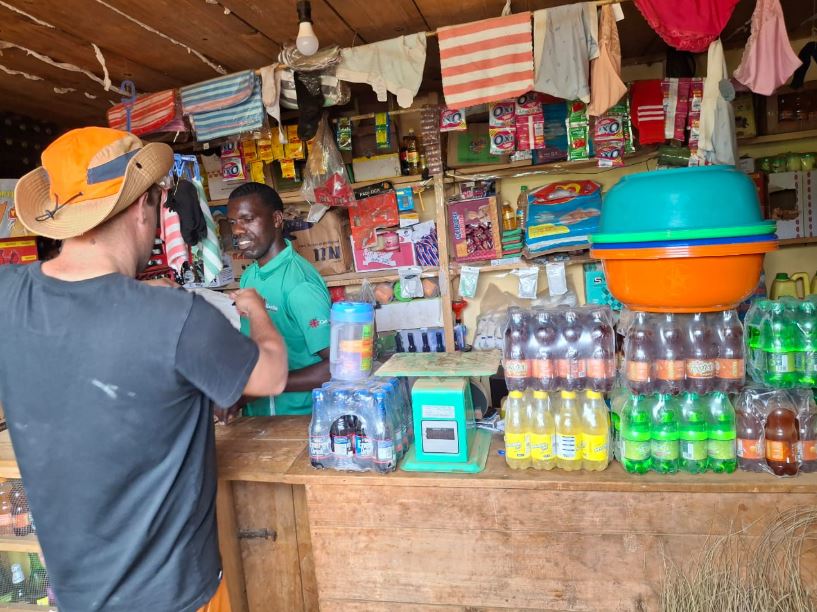
Jean Baptiste Kwihangana from Rwankuba Sector said a piglet received through the project became the foundation of his business journey.
“I was a young married man living in poverty. They gave me a piglet, which I raised and later sold for Rwf230,000,” he said.
With training and loans from his savings association, Kwihangana expanded his business and now owns a shop valued between Rwf2 million and Rwf3 million.
He said the association system has helped members access finance, support each other and invest in sustainable businesses.
“We encourage people to join associations and use loans to invest. Working together has helped us change our lives,” he said.
For many beneficiaries, the project has provided more than financial support—it has helped them gain skills, confidence and opportunities to build more secure livelihoods.


Leave a Reply