
IFAD pushes market access, private finance in Rwanda’s agricultural transformation
By Elias Hakizimana.
Rwanda’s agricultural transformation will require more than increasing production, with greater access to markets, private finance and agro-processing needed to ensure smallholder farmers benefit from the sector’s growth, the International Fund for Agricultural Development (IFAD) has said.
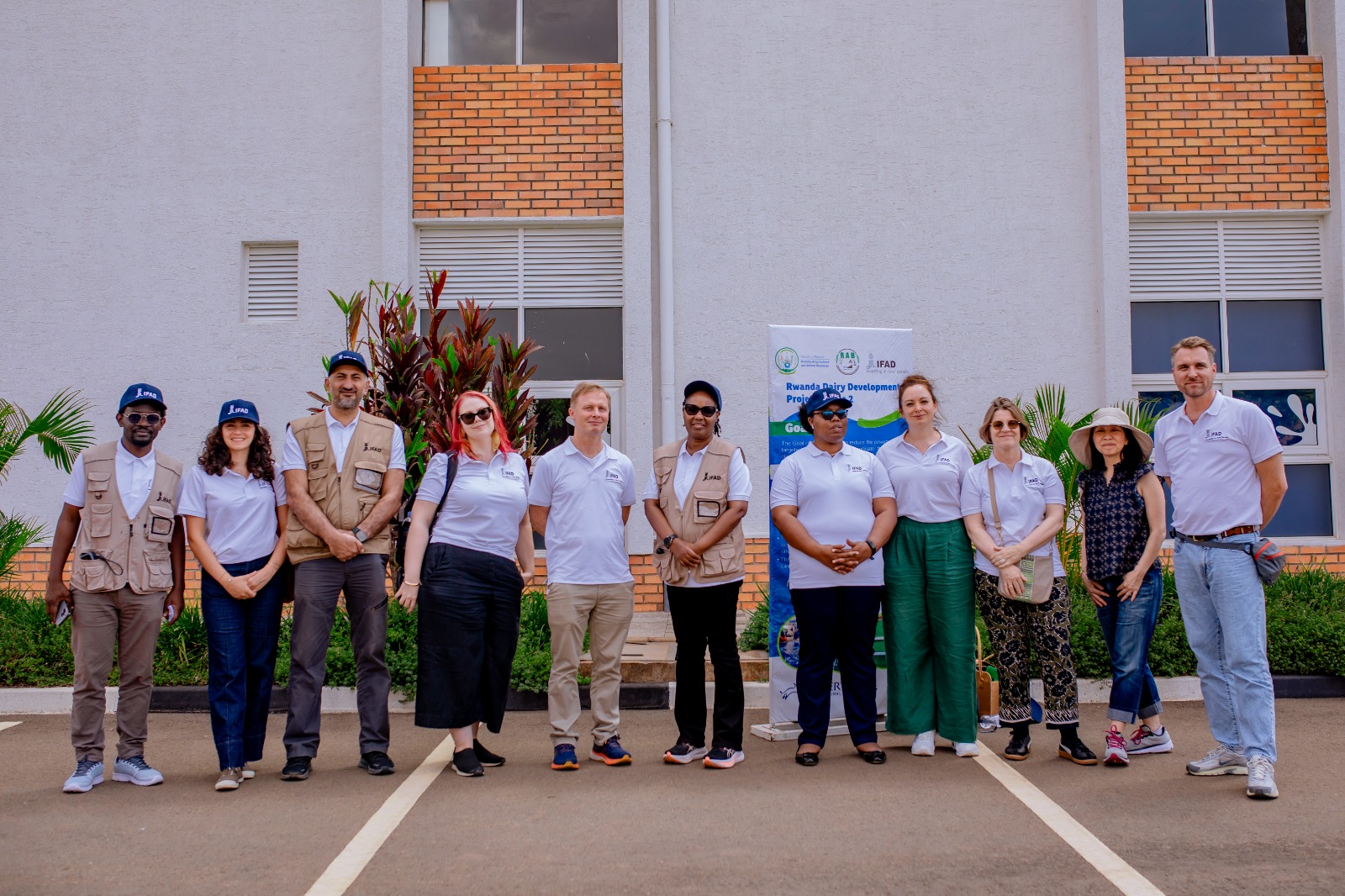
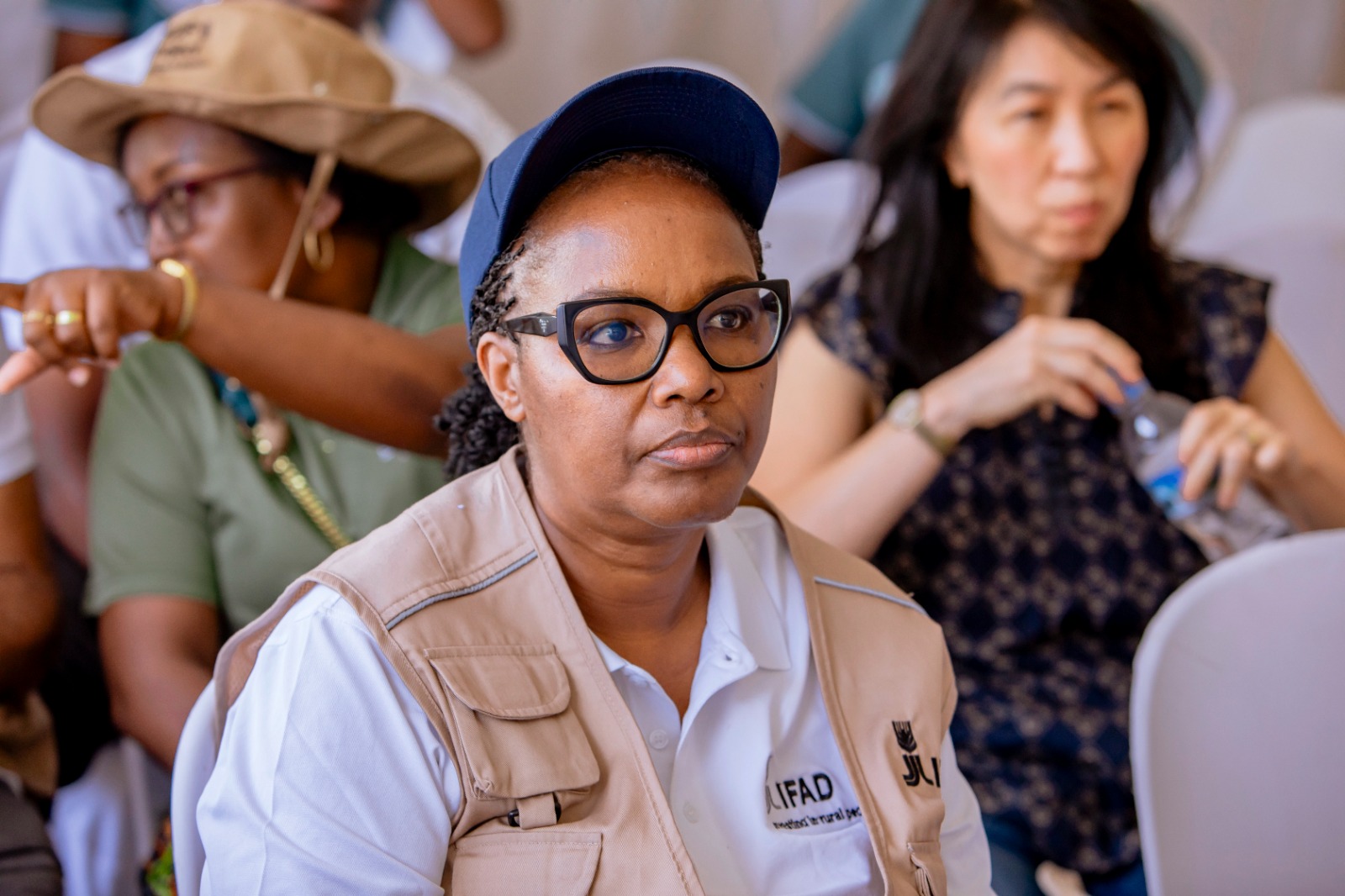
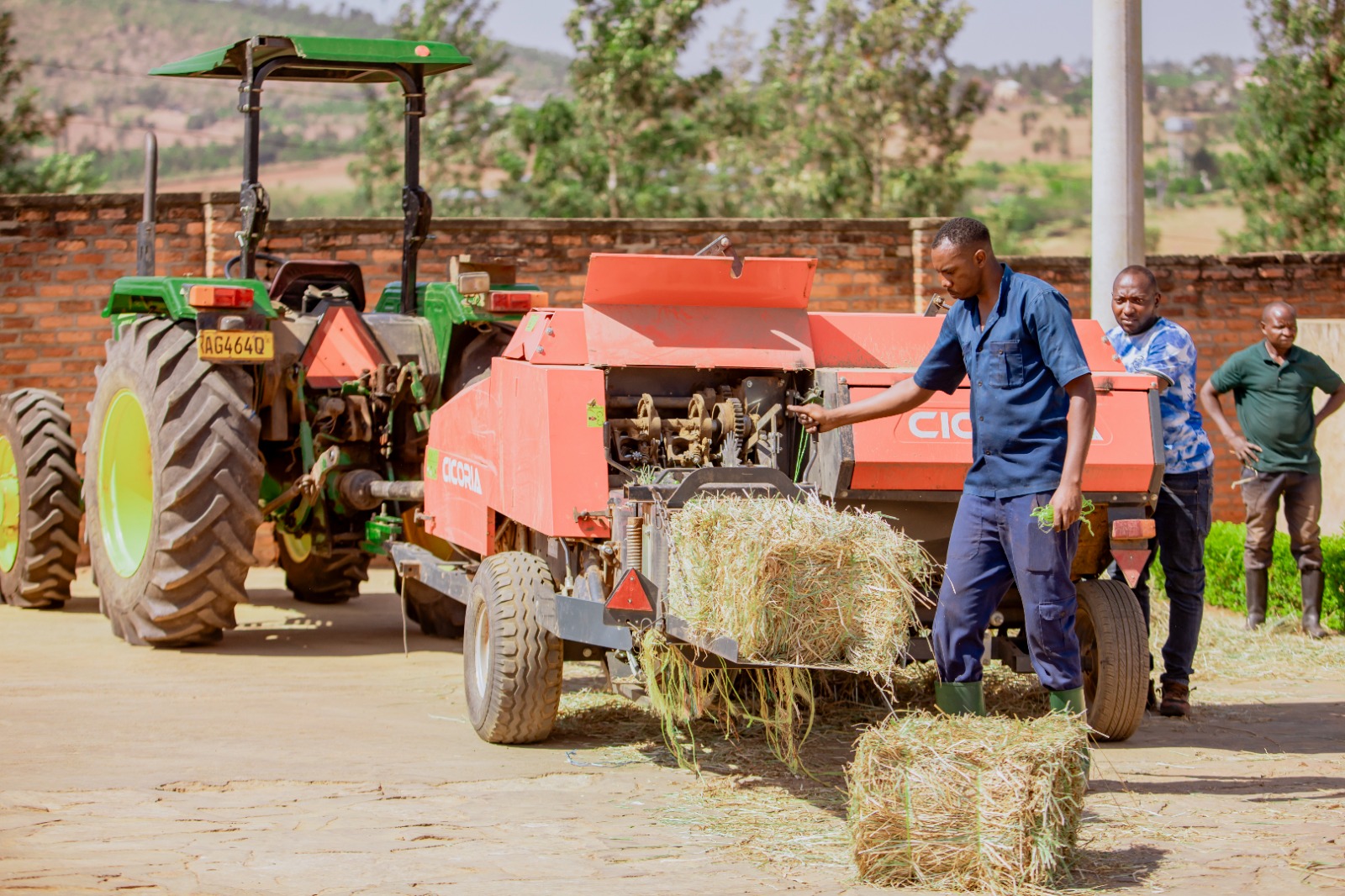
Gérardine Mukeshimana, IFAD Vice-President, made the remarks during a visit to Nyagatare District on Monday, where she assessed projects supporting dairy farming, livestock, veterinary services and agricultural value chains.
The visit highlighted the opportunities created by agricultural investment, but also the gaps that continue to limit the ability of farmers and processors to fully exploit growing markets.
Mukeshimana said IFAD is currently financing four interventions in Rwanda worth about $500 million, reaching nearly 1.5 million households.
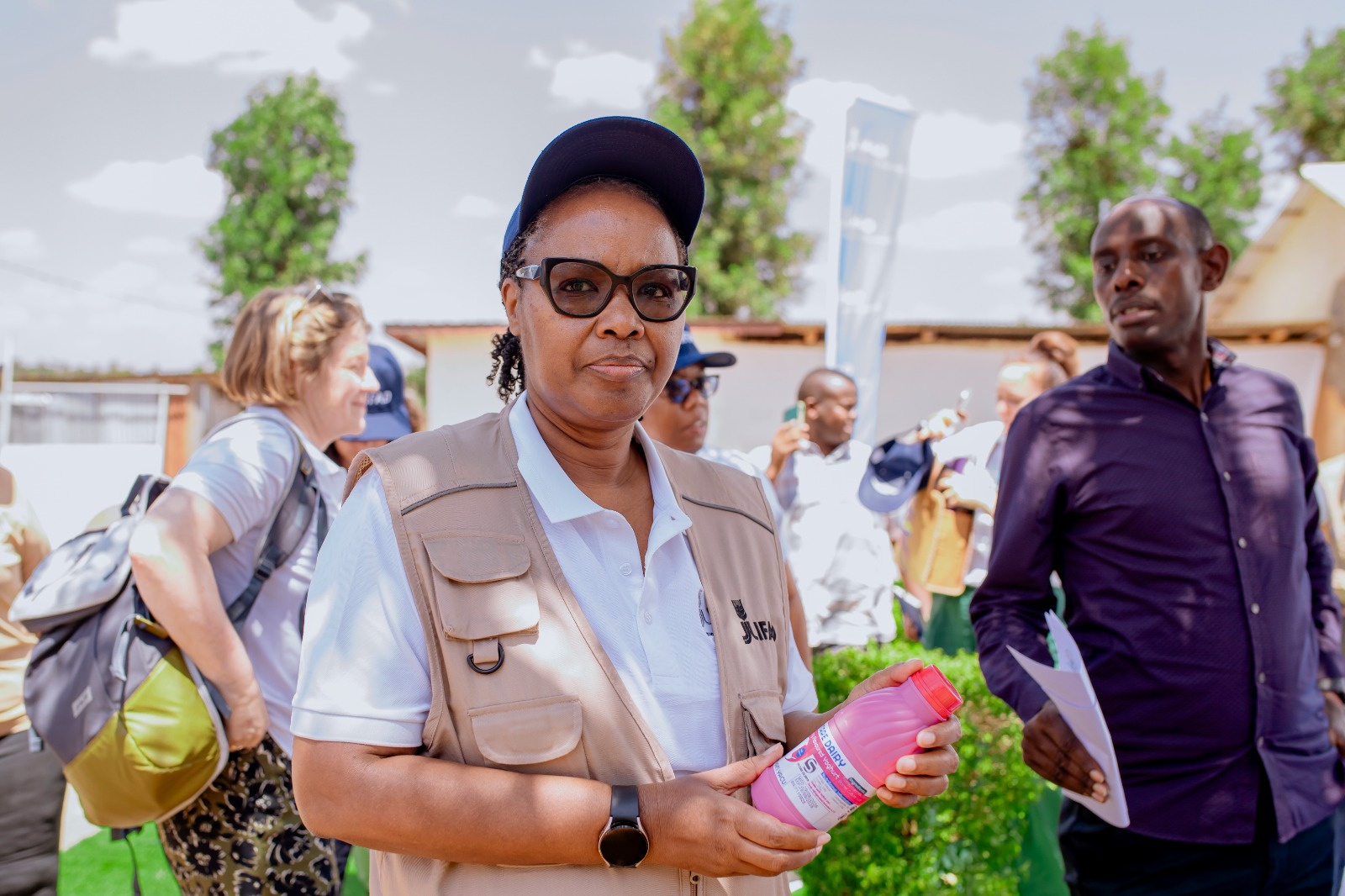
The programmes focus on poverty reduction, nutrition, climate-change adaptation and integrating smallholder farmers into markets.
“Our partnership has significantly increased,” Mukeshimana said, noting that IFAD and Rwanda have implemented 21 projects worth almost $1 billion since their cooperation began in 1981.
Among the current interventions is a dairy project promoting rural businesses, while other projects support small livestock, nutrition, climate adaptation and export-oriented horticulture, tea and coffee production.
Mukeshimana said the focus is increasingly on helping farmers move beyond production and participate in profitable markets.
“We try to address poverty reduction and food insecurity in various angles through climate-change adaptation, but also looking at how we integrate small-scale farmers into the markets,” she said.
She said an assessment of one of IFAD’s projects found that participating farmers had increased their incomes by more than 34 percent.
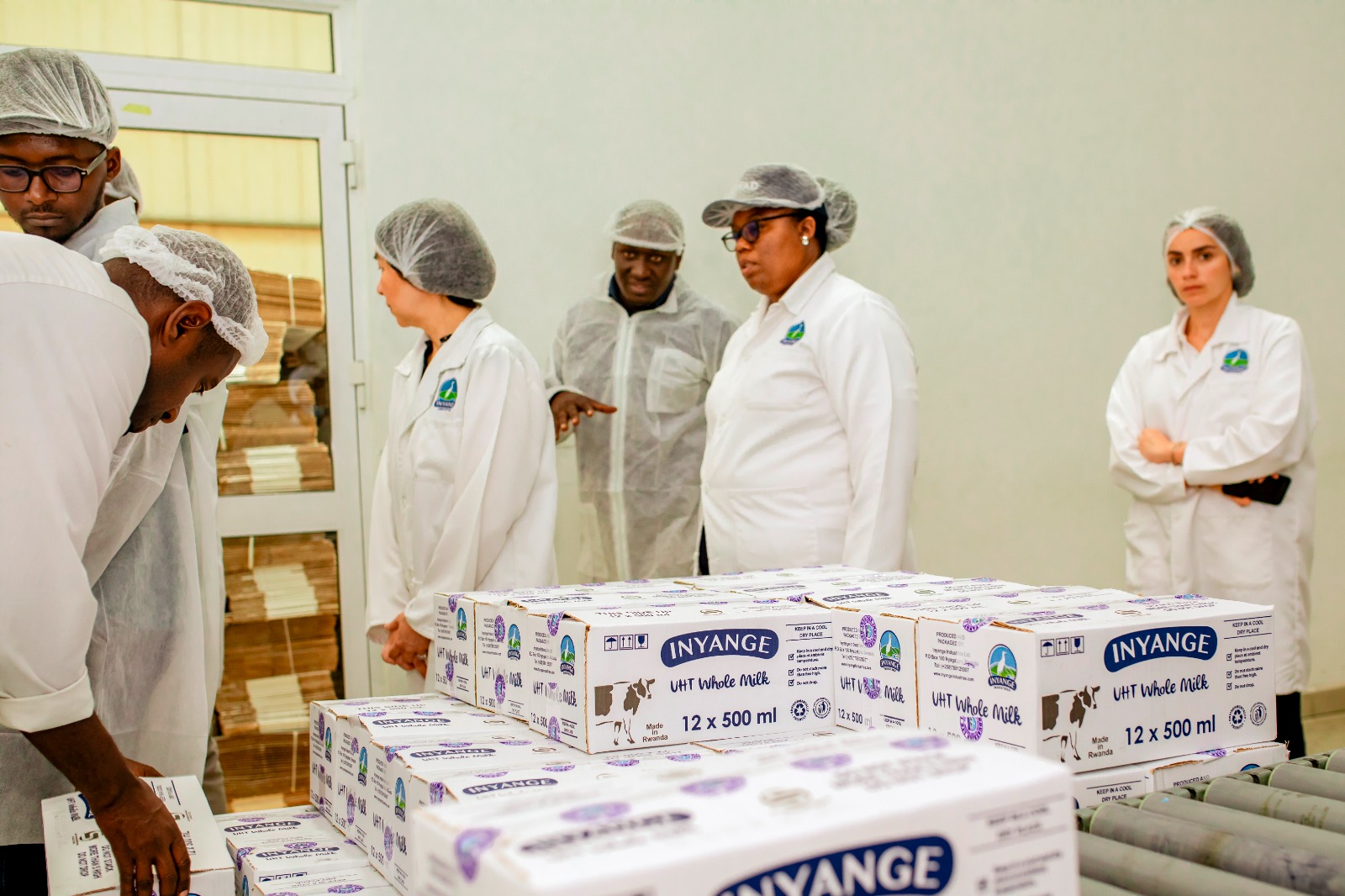
The market connection is particularly important in dairy, where Rwanda is seeking to increase production and expand processing.
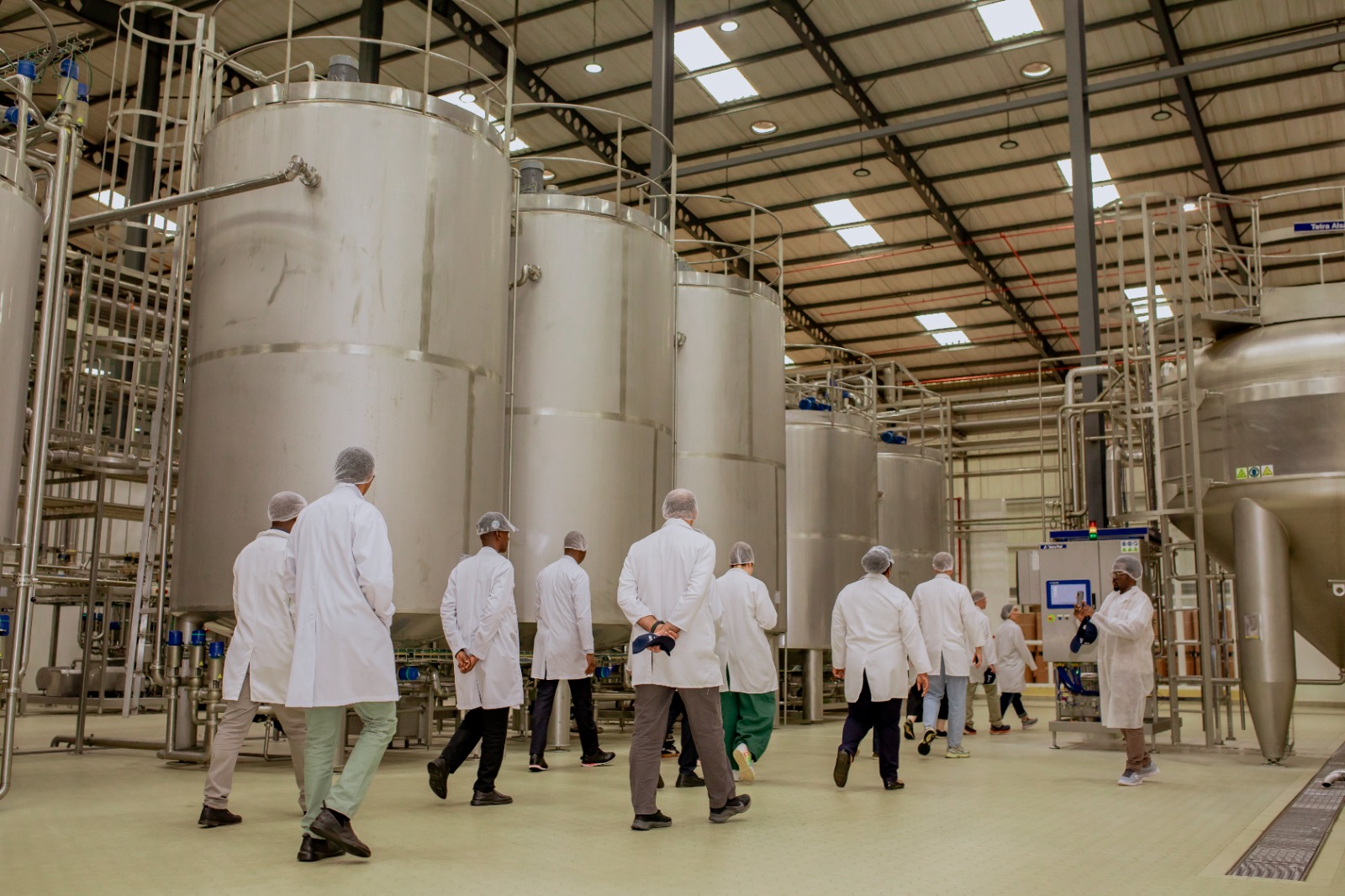
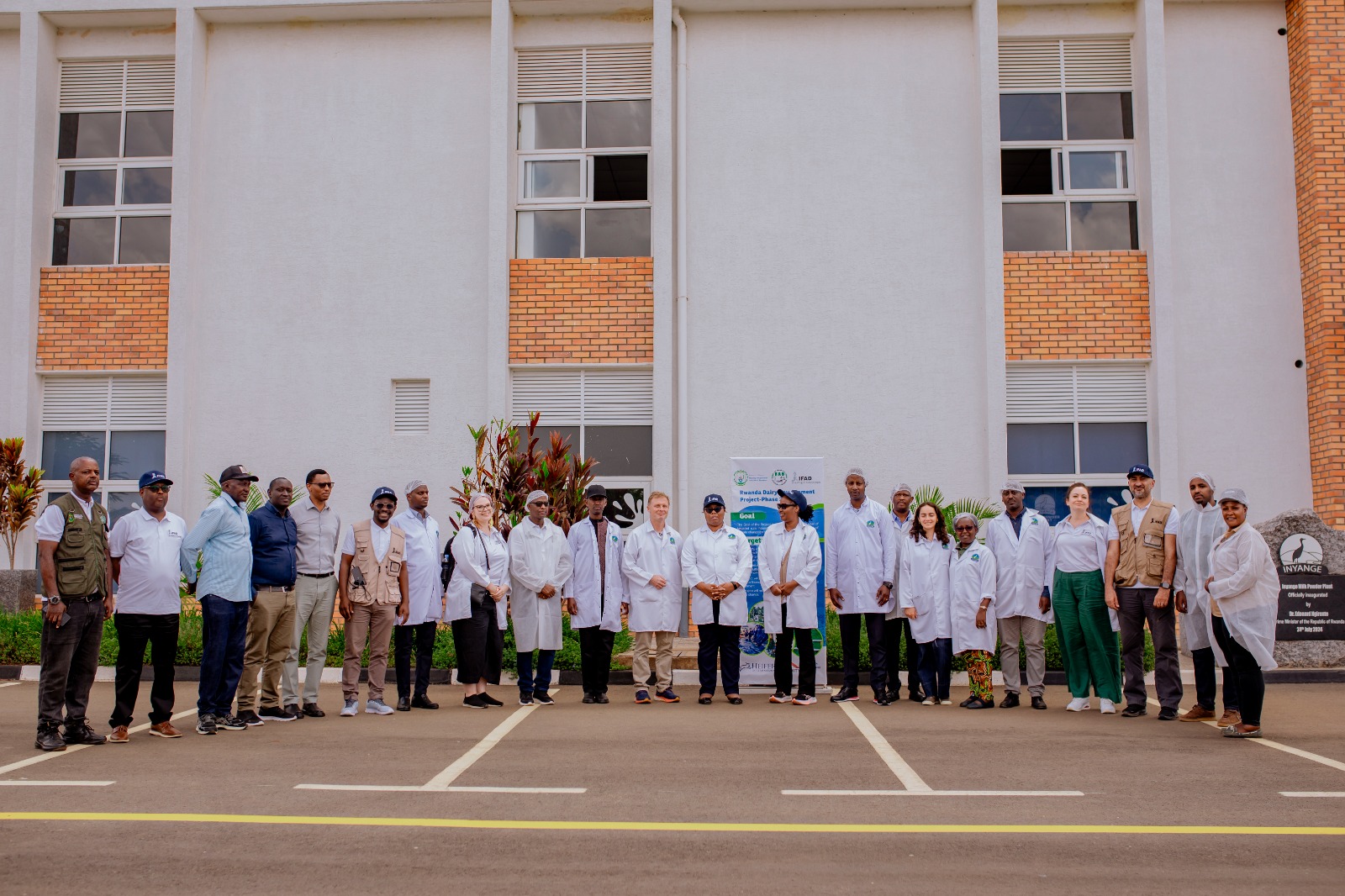
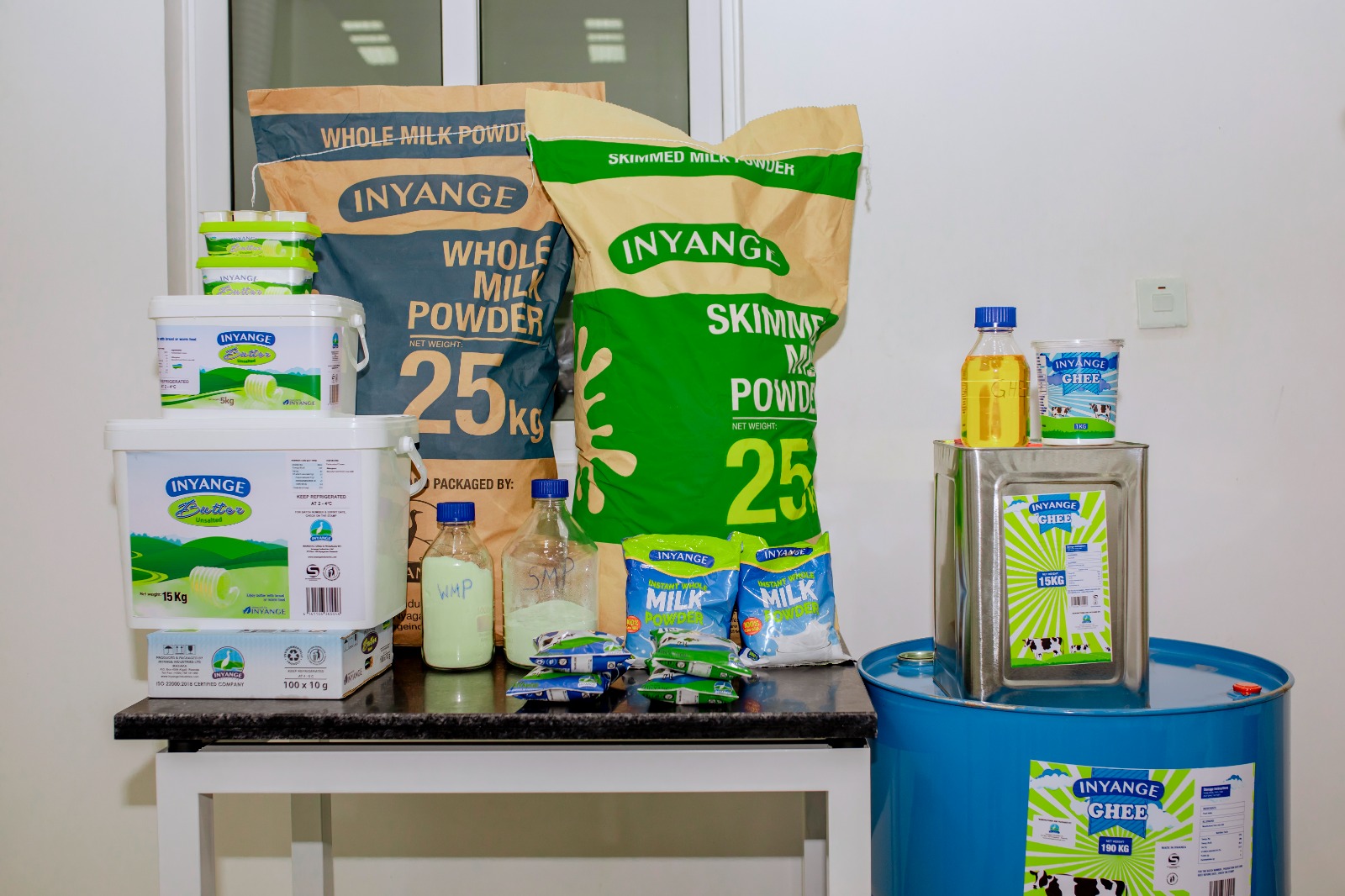
In Nyagatare, the delegation visited a milk powder processing plant whose installed capacity is significantly higher than its current production levels.
James Kagaba, the plant’s director, said the facility is operating at only 15 percent of its capacity, creating room for farmers to increase milk production.
The gap illustrates one of the challenges facing Rwanda’s push for agro-processing: investments in processing facilities must be matched by sufficient and consistent supplies from producers.
The delegation also examined veterinary services supporting smallholder farmers, which officials said are important for maintaining animal health, milk quality and access to markets.
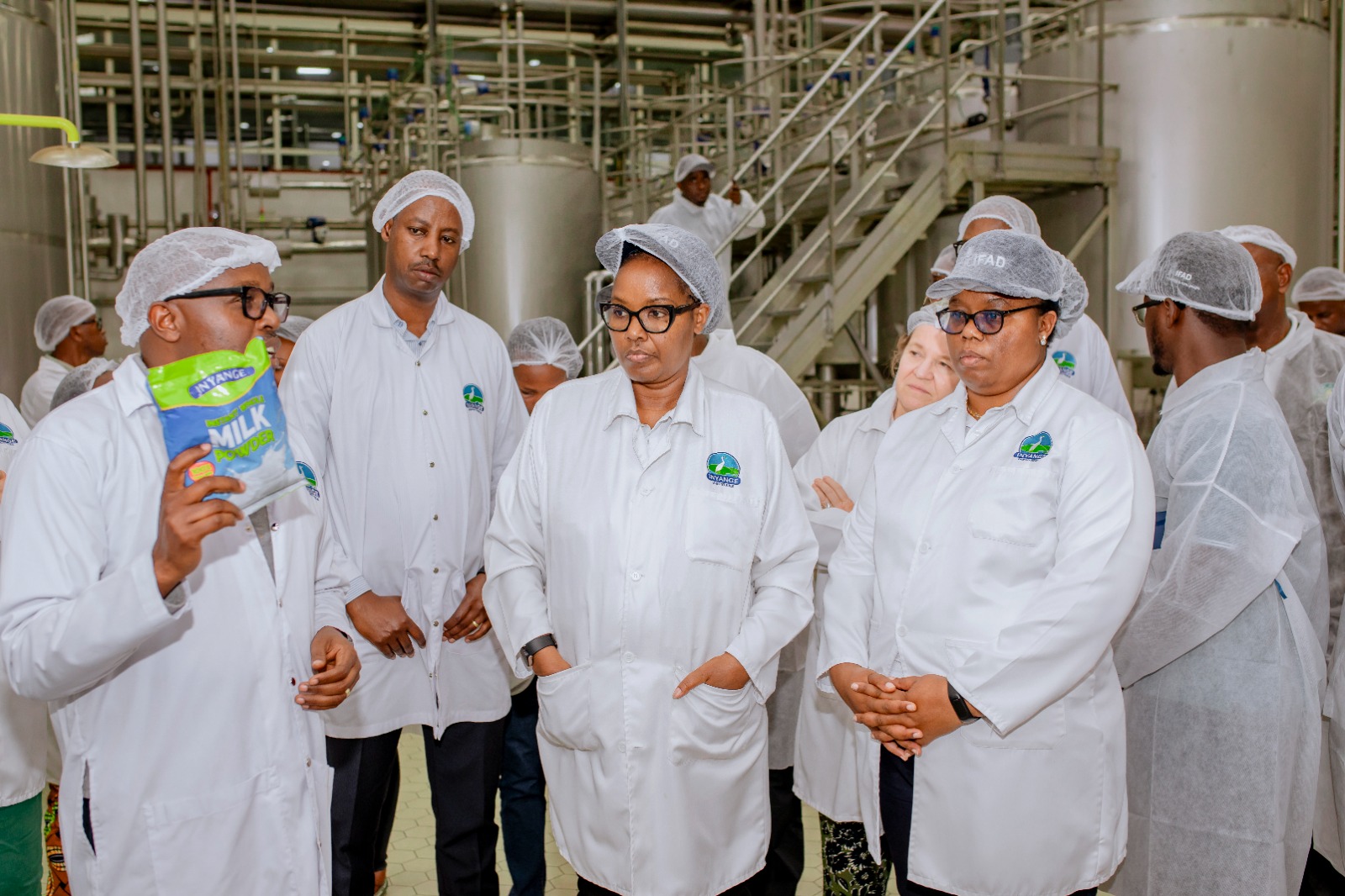
Juha Savolainen, Director General for Development at Finland’s Ministry for Foreign Affairs, said the Nyagatare dairy value chain demonstrated the importance of maintaining quality from milk collection at farm level through processing and eventual access to national and international markets.
He said climate change is adding pressure on smallholder farmers and requires investments that help them remain productive while meeting market standards.
“The challenge that we spoke about today is the impacts of climate change, which impact particularly small holders,” Savolainen said.
He added that agricultural investments should contribute to sustainable livelihoods and create quality jobs, particularly for women and young people.
Finland is also working with IFAD to increase the role of private-sector finance in agricultural development.
Savolainen said Finland and IFAD will launch the African Rural Climate Adaptation Financing Mechanism, or ARCAFIM, together with Equity Bank.
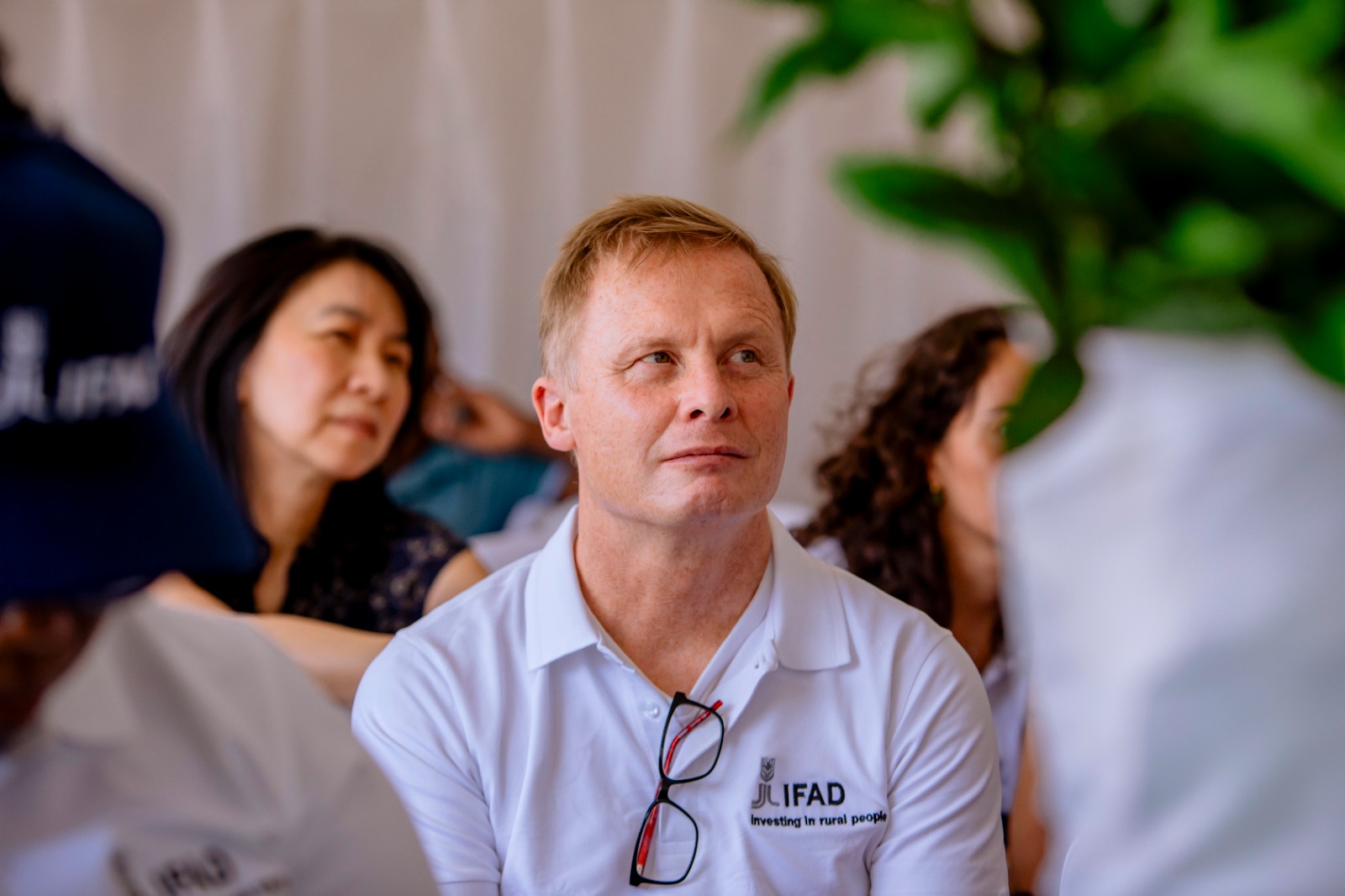
The initiative is expected to support access to private finance for smallholder farmers while helping them invest in measures that strengthen their resilience to climate change.
For Mukeshimana, combining agricultural production with market access, private investment and climate adaptation is essential to reducing rural poverty and strengthening food security.
Rwanda’s second National Strategy for Transformation targets a 50 percent increase in agricultural production by 2029, placing additional emphasis on productivity and value addition.
The Nyagatare visit, held on the sidelines of the Africa Food Systems Forum 2026, underlined the need to ensure that increased agricultural production translates into stronger rural incomes, functioning value chains and greater food security.
The visit also demonstrated that Rwanda’s agricultural transformation is increasingly being viewed not only as a production challenge, but as a question of how effectively farmers can connect to finance, markets and businesses capable of turning their output into higher-value products.
theinspirerpublications@gmail.com
Related photos:




Leave a Reply