
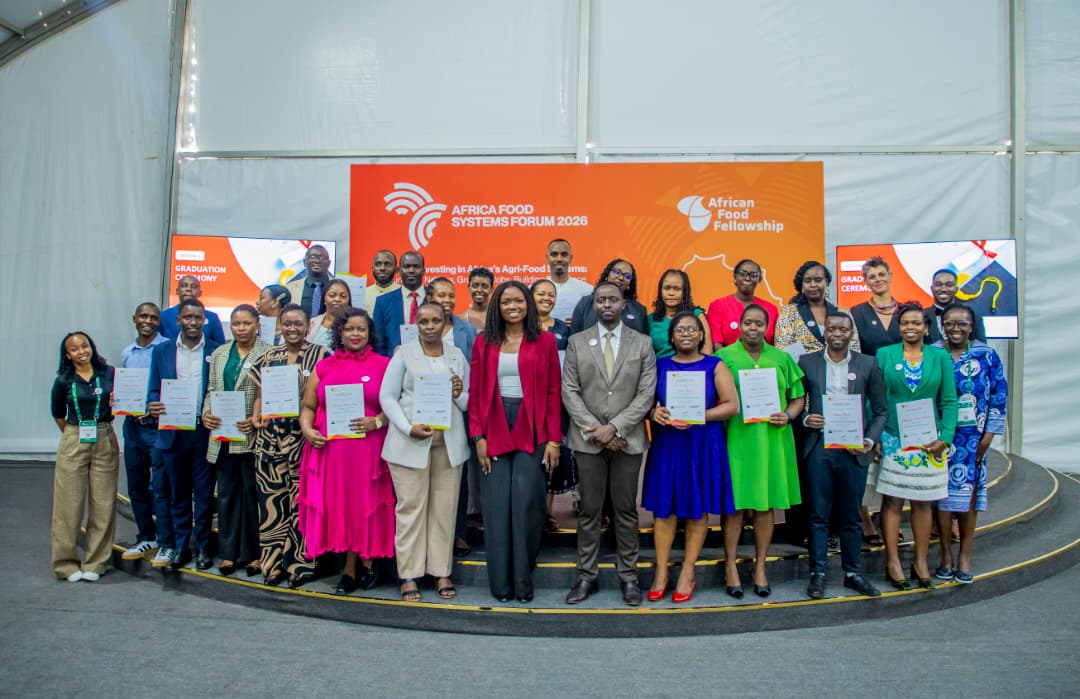
Rwanda food fellows pitch youth jobs, nutrition solutions as Africa food forum opens
By Prince Boris Cyubahiro.
Young food-system professionals in Rwanda are pitching solutions to youth unemployment, malnutrition and climate resilience as the Africa Food Systems Forum gets underway in Kigali.
The ideas were presented Monday as Cohort 5 of the African Food Fellowship in Rwanda graduated after 10 months of training focused on helping professionals work across sectors to address interconnected food-system challenges.
Among the graduates are Manasseh Manirakinga and Justine Umutoni, whose projects seek to turn gaps in Rwanda’s food system into opportunities for employment, improved nutrition and greater resilience.
For Manirakinga, one of the biggest opportunities lies in agriculture’s potential to provide productive livelihoods for young people leaving secondary school.
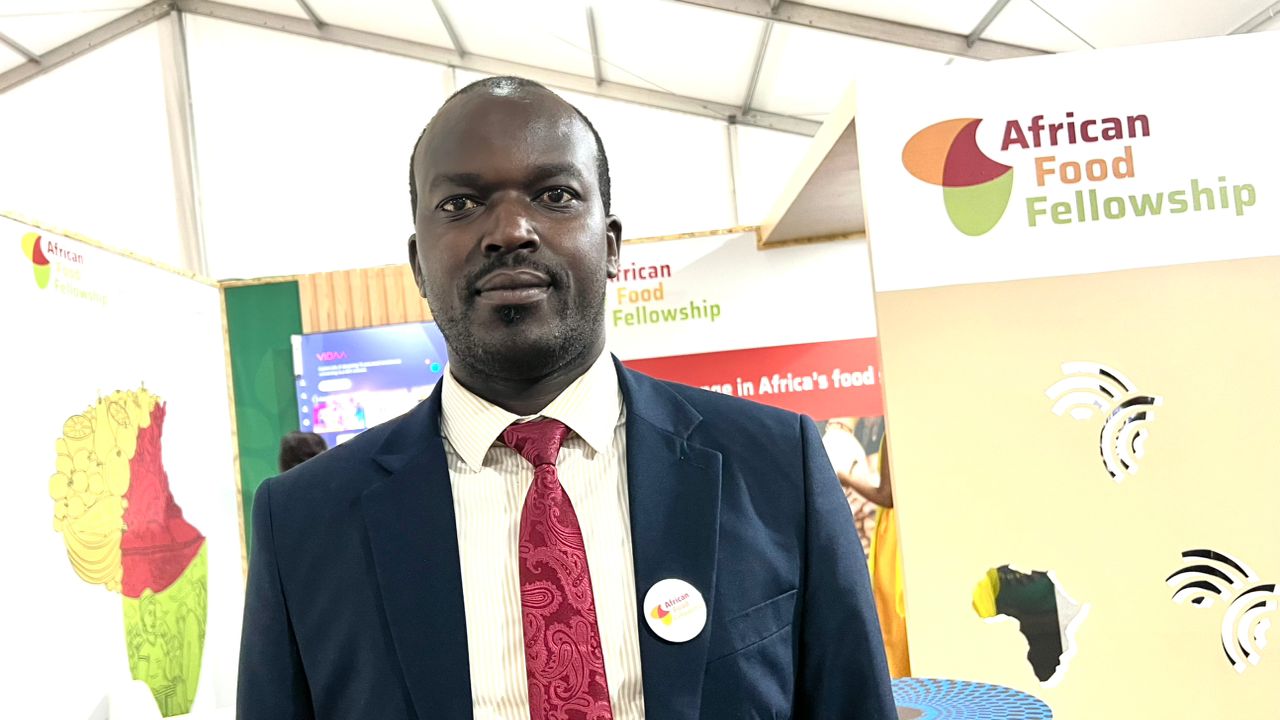
His proposed Poultry Centre of Excellence would provide school leavers with practical training in poultry production, business management and entrepreneurship before linking them to finance and markets.
The model would combine three months of practical training with savings and financial literacy, followed by connections to financial institutions to help participants establish poultry enterprises.
The proposed centre would bring together secondary schools, local authorities, livestock experts, poultry companies and youth groups, with Equity Bank expected to support financial literacy and financing linkages.
Manirakinga aims to establish the centre, train its first cohort and operate a demonstration farm within six months. Over two to five years, the project targets training more than 500 young people and supporting the creation of youth-led poultry businesses.
He said the fellowship changed his understanding of youth unemployment by showing him how agriculture can be approached as an enterprise rather than simply as subsistence farming.
Umutoni’s project focuses on the intersection of agriculture and nutrition, particularly declining bean production and the uptake of high-iron, climate-resilient bean varieties.
Her initiative, dubbed “Beyond School-Based Climate-Smart Nutrition System,” proposes using schools to transfer knowledge from trained teachers to parents and households.
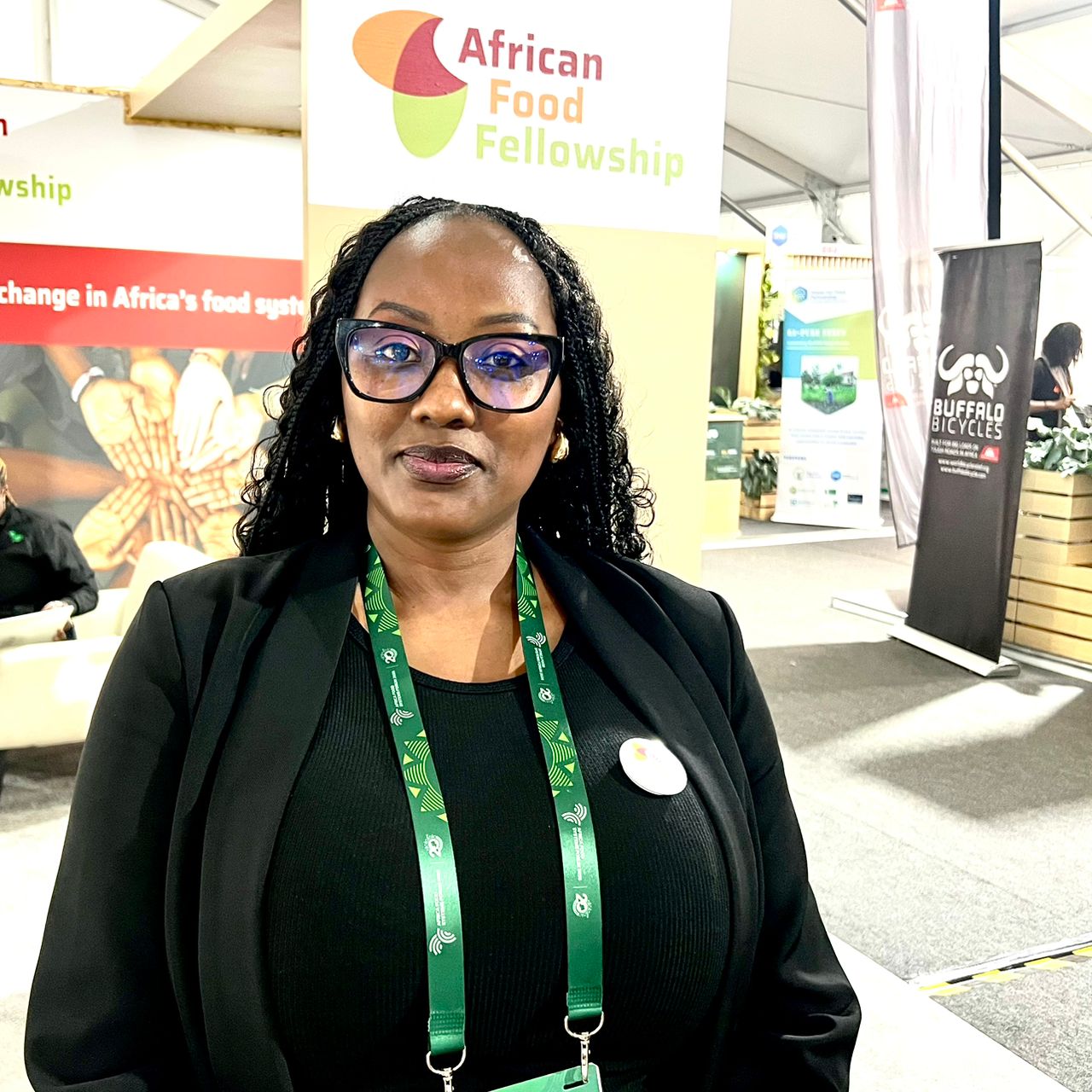
Under the model, school head teachers would be trained as trainers of trainers and would subsequently share information with parents on cultivating and consuming high-iron beans.
Umutoni said schools offer an effective channel because children can carry messages learned from teachers back into their homes.
“Children listen to what their teachers tell them in a very simple way,” she said.
The project seeks to increase adoption and demand for high-iron beans, strengthen the crop’s value chain and contribute to higher production while addressing malnutrition and stunting.
It brings together actors from education, local government and agriculture, including the Ministry of Education, Ministry of Local Government and the Alliance of Bioversity International and CIAT.
Pascal Murasira, a leader at the African Food Fellowship, said Africa’s food challenges require collaboration across sectors rather than isolated interventions.
He pointed to food losses alongside continuing food-security challenges as evidence of the need for new approaches and stronger cooperation between government, businesses, civil society and other actors.
“We need leaders with a modern mindset whom we can support to work together and achieve the goal of feeding Africa,” Murasira said.
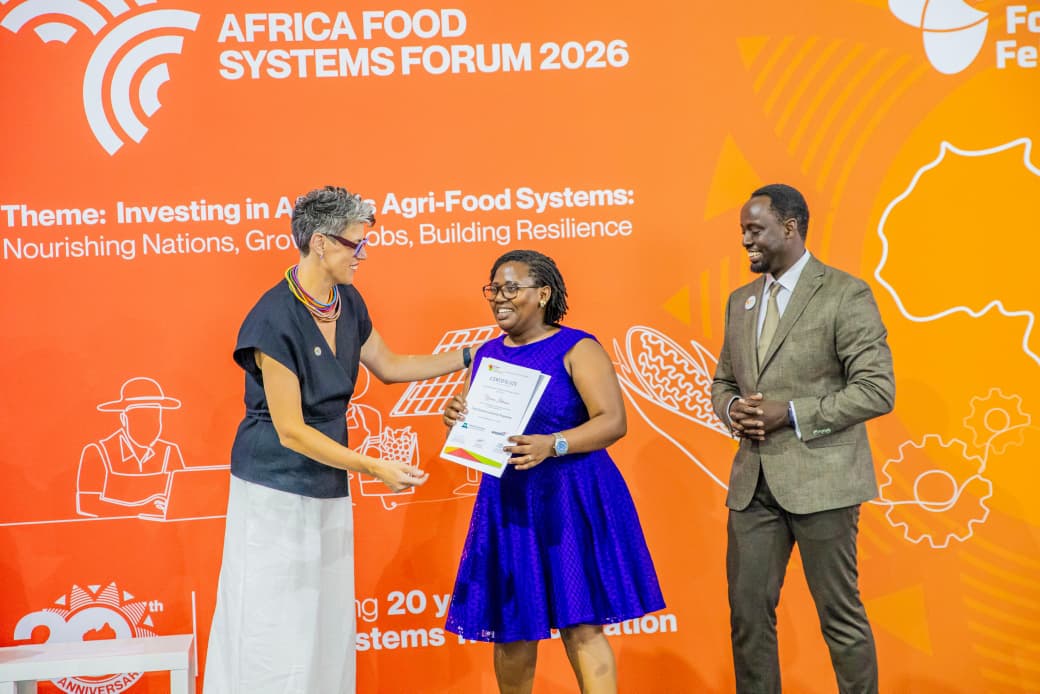
He also urged young Africans to view agriculture and the wider food sector as an area of economic opportunity, encouraging them to seek knowledge and identify practical solutions within their communities.
The projects presented by the graduating Fellows reflect the broader focus of the fellowship, which brings together professionals from different parts of the food system to develop responses to complex challenges.
The initiatives also align with the Africa Food Systems Forum’s focus on investing in food systems that can nourish populations, create jobs and withstand growing pressures, including climate change.
For the Fellows, graduation now marks a shift from developing ideas to finding the partnerships, financing and institutional support required to turn their proposals into functioning initiatives.
The Africa Food Systems Forum is taking place in Kigali under the theme “Investing in African agro-food systems, feeding nations, creating jobs and strengthening resilience.”
theinspirerpublications@gmail.com


Leave a Reply