
How digital innovations could increase agriculture insurance penetration
By The Inspirer
Effective agriculture insurance will protect the profitability of farmers by cushioning them against losses as well all the actors in the agriculture sector through guaranteeing sustainability of the supply chain, according to experts. And, they say, digitizing agriculture insurance is one of the ways to ease and broaden farmers’ access to it.
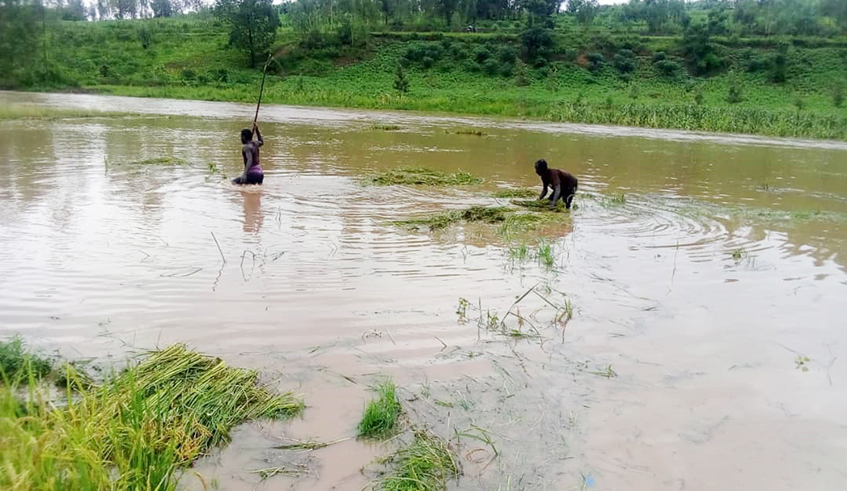
Yet, many farmers on the African continent do not have agriculture insurance coverage. This situation put them at risk of losses caused by disasters such as droughts, floods, and diseases affecting both crops and livestock.
Experts in the agriculture sector argue that this problem can be addressed by innovations that use technology to develop insurance products that are affordable, and convenient to farmers.
For instance, during a virtual webinar on “The Digitization of Agriculture Insurance Through Parametric Solutions” held on Wednesday, March 24, 2021 by Allianz Africa in partnership with Allianz Re, which is the reinsurance arm of the Allianz Group, experts said that digital solutions can help close the protection gap in Africa by increase insurance coverage.
Allianz Group is one of the world’s largest insurance and asset management firms.
Allianz Africa brought together agriculture and insurance experts to discuss the topic.
“There is an ever-increasing need to invest in agriculture, given the vital importance of agriculture as a food source, especially in view of the increase in global population”, declared Delphine Traore, COO of Allianz Africa.
Though agriculture production makes up a substantial portion of Africa’s GDP, only a small portion of the producers, especially smallholder farmers, are insured.
Tackling low agriculture insurance penetration
According to “Agricultural insurance for smallholder farmers: Digital innovations for scale”, a report published May 2020 by GSMA, the income and livelihoods of smallholder farmers are increasingly affected by financial shocks and natural forces beyond their control, such as extreme weather or crop damage from pests and diseases.
GSMA is an industry organisation that represents the interests of mobile network operators worldwide. GSMA’s report shows that globally, less than 20 percent of smallholder farmers have insurance to protect themselves against the impact of unexpected events, and across Sub-Saharan Africa, this figure is less than three percent
The report exposed that smallholder farmers have been unable to access indemnity-based insurance services, which require farm-level loss assessments. Low awareness and knowledge of insurance, coupled with the high cost of premiums, have restricted farmer uptake.
Moreover, it said, insurance providers have largely overlooked smallholder farmers due to the cost of acquiring and serving rural customers in remote locations, making farmers a less profitable customer segment for the industry.
According to the same survey, the emergence of index insurance, which makes payouts based on a predetermined index rather than on-farm visits, has overcome some of the challenges of indemnity-based models, such as high operational costs, the cost of premiums and the ease of settling claims.
The experts said that raising awareness of the vital role that agriculture insurance plays in sustaining agricultural production is a key step to increasing insurance penetration in the sector.
“Allianz Africa aims to contribute towards closing the protection gap and position itself as a leading agriculture (re)insurance provider on the continent,’’ Delphine observed.
Climate risks, the experts concurred, increase the need for investments to make agriculture more resilient.
They agreed that the development and commercialisation of agriculture require enabling financial services.
To this end, agricultural insurance is strategically important for eradicating extreme poverty, boosting prosperity and protecting livelihoods.
Information from Allianz indicates that in 2020, the insurance industry recorded a cumulative premium of approximately $300 million from agricultural insurance. The Southern and Eastern regions of Africa contributed more than 80 percent of the recorded premium.
Dr. Reto Schneider, Regional Head of Agriculture at Allianz Re stated that “the agricultural sector in the insurance industry could reach the potential of $1 billion within 10 years, provided that penetration can be substantially increased.”
Parametric insurance as an important contributor
During the webinar, parametrics solutions were presented as the direction for the future.
Parametric insurance (also called index-based insurance) describes a type of insurance contract that insures a policyholder against the occurrence of a trigger event by paying a set amount based on the magnitude of the event, as opposed to the magnitude of the losses in a traditional indemnity policy.
This type of insurance is designed to reduce the damage inflicted by unexpected events such as natural disasters like storms, floods and droughts.
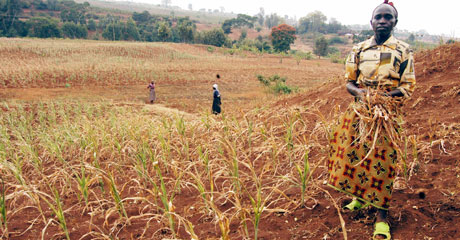
Parametrics solutions bring a number of advantages such as high accuracy with state-of-the-art satellite information, hybrid products to address additional perils, increased efficiency through fully paperless processes, fast and automated payouts possible, high level of traceability, combination with loans and integration of the value chain.
Despite certain limitations, “technology is closing the gap between indemnity and parametric crop insurance and allows to get the best of both worlds in a single product”, said Gregoire Tombez, CEO of WARM Consulting Group Ltd and Co-founder of GreenTriangle.
To have a reliable parametrics system that provides efficient solutions, the experts emphasized the necessity to bring significant improvements through product suitability, affordability, value chain efficiency, distribution, information and training.




Leave a Reply