
Health Services for Kidney Diseases in Rwanda See Progress Despite Challenges
By Elias Hakizimana.
Recent concerns surrounding kidney disease and the necessity for dialysis services in Rwanda have spurred the development of enhanced healthcare services within the country, offering newfound hope for affected individuals.
These advancements, celebrated on March 15, 2024, during World Kidney Day, underscore Rwanda’s commitment to improving kidney health awareness and treatment accessibility.
While there has been notable progress in kidney healthcare provision, with a growing emphasis on encouraging patients to seek medical attention locally, some individuals still opt for treatment abroad.
However, the recent enhancements in local dialysis services have garnered praise from patients like Martin Karangwa, who has experienced significant improvements in his health since receiving treatment.
Karangwa’s testimony highlights the effectiveness of timely medical intervention and underscores the government’s efforts, particularly through initiatives led by the Ministry of Health, in expanding access to critical medical services like dialysis.
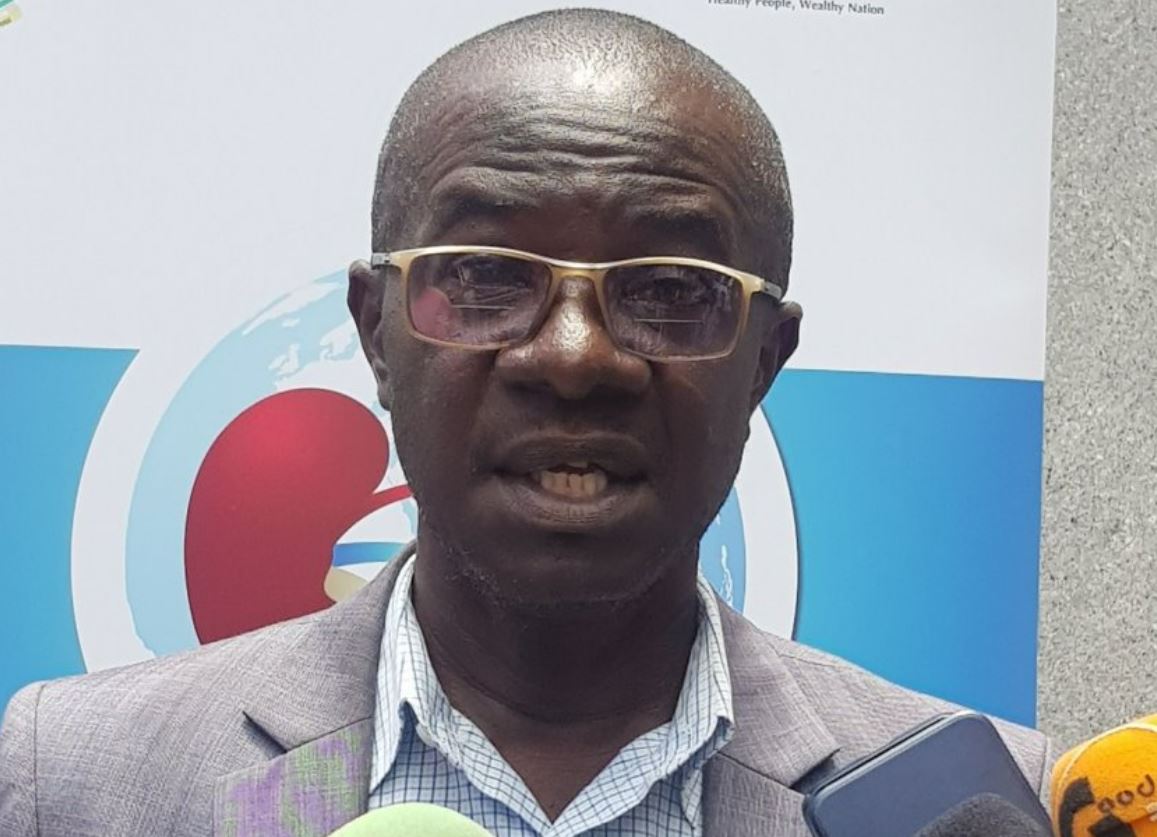
“I was diagnosed with kidney disease in 2022, and since then, I have been receiving treatment. I went to a hospital where the doctors told me that I needed a kidney specialist… I ended up on dialysis. They told me that in Rwanda, there could be a program that includes kidney transplants. But it seems like a dream because I felt that it could only happen abroad. I also feel it’s like a miracle from God, as the government of Rwanda through the Ministry of Health introduced services that would prevent many Rwandans from traveling abroad for treatment.” Karangwa said.
Simon Pierre Niyonsenga, Head of National Nephrology Services at Rwanda Biomedical Center (RBC), notes the increasing prevalence of kidney-related ailments, with over 1,000 patients currently undergoing advanced kidney disease treatment.
Niyonsenga stresses the importance of early detection and treatment, highlighting the availability of local facilities and insurance coverage for dialysis services.
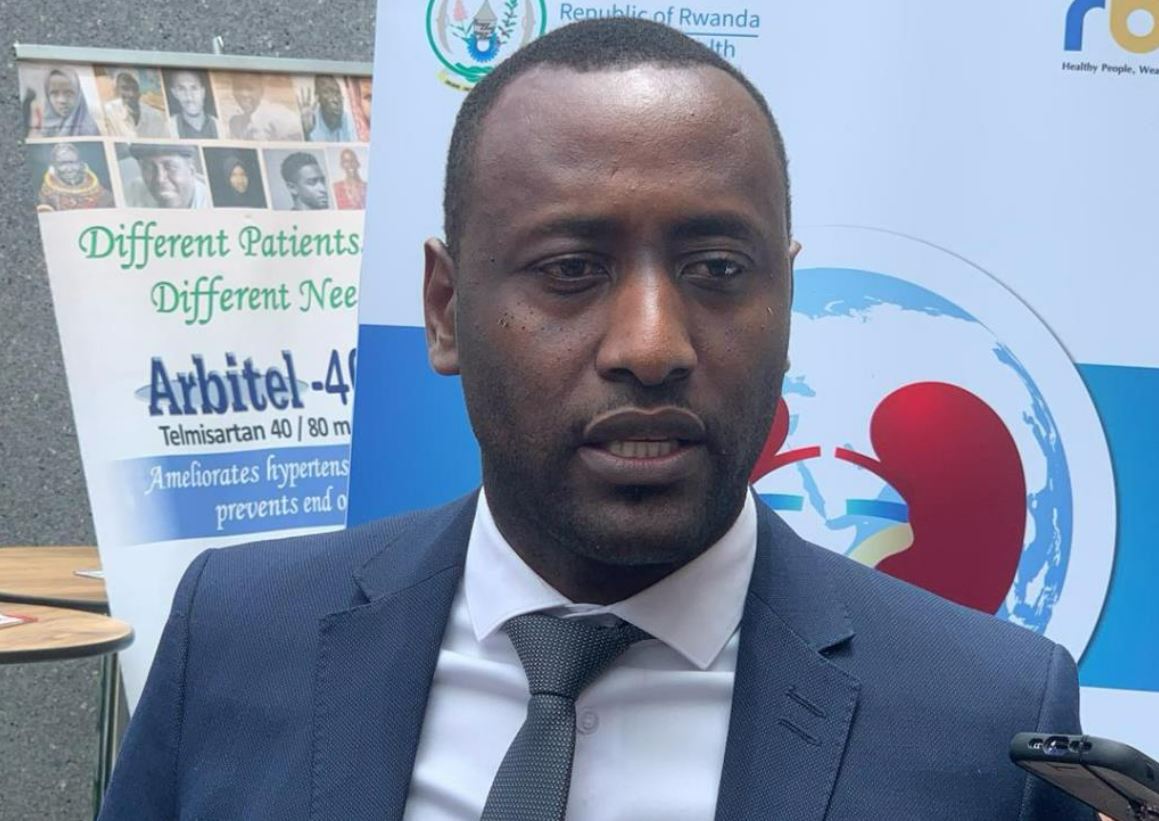
“Despite the progress made, challenges persist, particularly concerning access to dialysis for economically disadvantaged patients,” explains Niyonsenga. “While the government now extends coverage to all citizens, regardless of insurance status, there remains a need to address barriers preventing individuals from accessing essential healthcare services.” He adds.
Dr. Nyenyeri Lieve Darlene, a nephrologist at Rwanda Military Hospital (RMH), acknowledges the strides made in kidney healthcare but highlights ongoing challenges, including patients’ understanding of treatment protocols and adherence to appointments.
“Increasing access to kidney healthcare services is crucial,” emphasizes Dr. Darlene. “While Rwanda has made significant strides, addressing barriers to care and enhancing patient education are essential for ensuring equitable access to dialysis and other life-saving treatments.” She says.
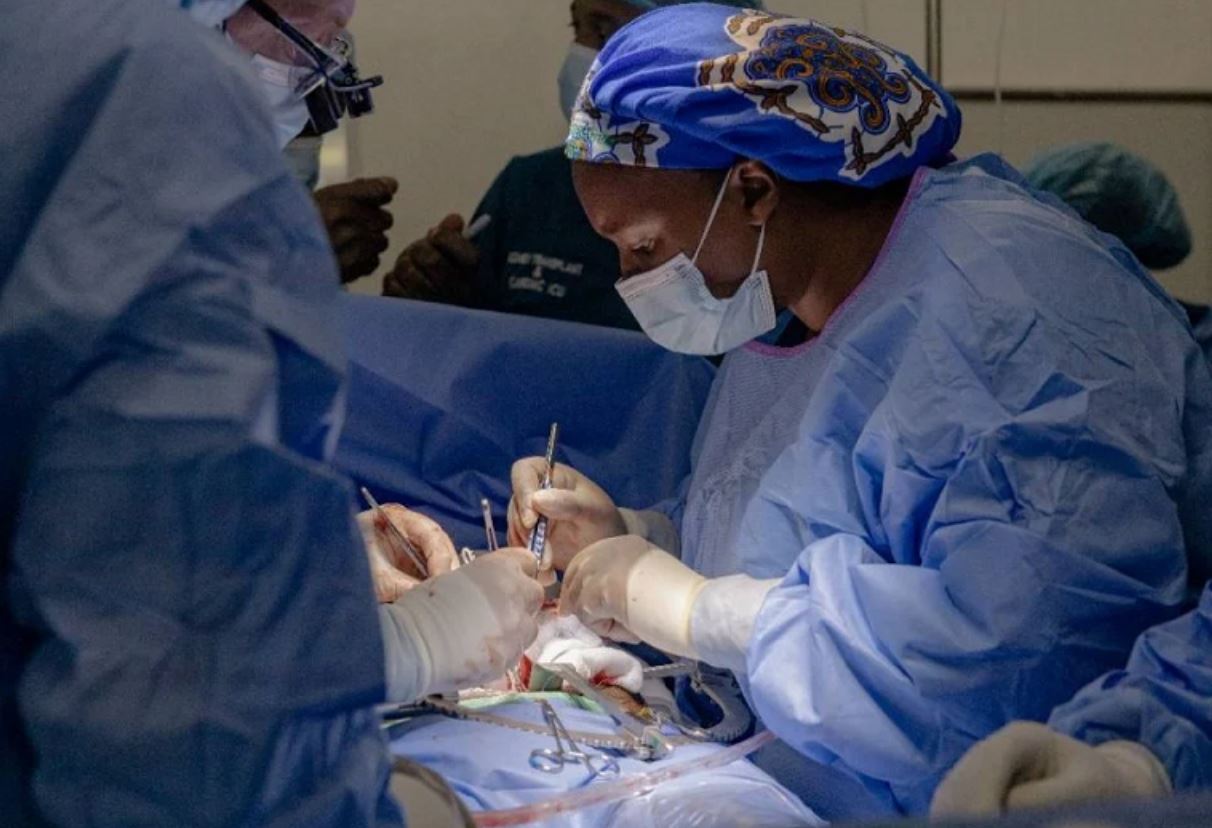
Despite the hurdles, Rwanda has seen progress, with 24 successful kidney transplants performed since May 2023. However, with over 1,000 individuals awaiting kidney-related services, there remains a pressing need to further expand and improve kidney healthcare infrastructure to meet the growing demand across the country.
theinspirerpublications@gmail.com





Leave a Reply