
From two piglets to RWF 7 million: Nikuze’s journey to a better life
By Elias Hakizimana.
When Nikuze Didacienne sold nine pigs for RWF 1.4 million, she saw more than the proceeds of a successful sale. For a farmer living with a disability whose family once struggled to afford food, healthcare and school expenses, it was evidence of how far she had come.
Her journey began with two piglets provided through the Partnership for Resilient and Inclusive Small Livestock Markets (PRISM). Today, she values her pigs and shelters at approximately RWF 7 million.
PRISM is an IFAD-financed initiative led by the Government of Rwanda through the Rwanda Agriculture and Animal Resources Development Board (RAB), in partnership with Heifer International and VSF Belgium. It supports rural households to improve incomes, nutrition and resilience through small livestock production and stronger markets.
Two piglets, a growing enterprise
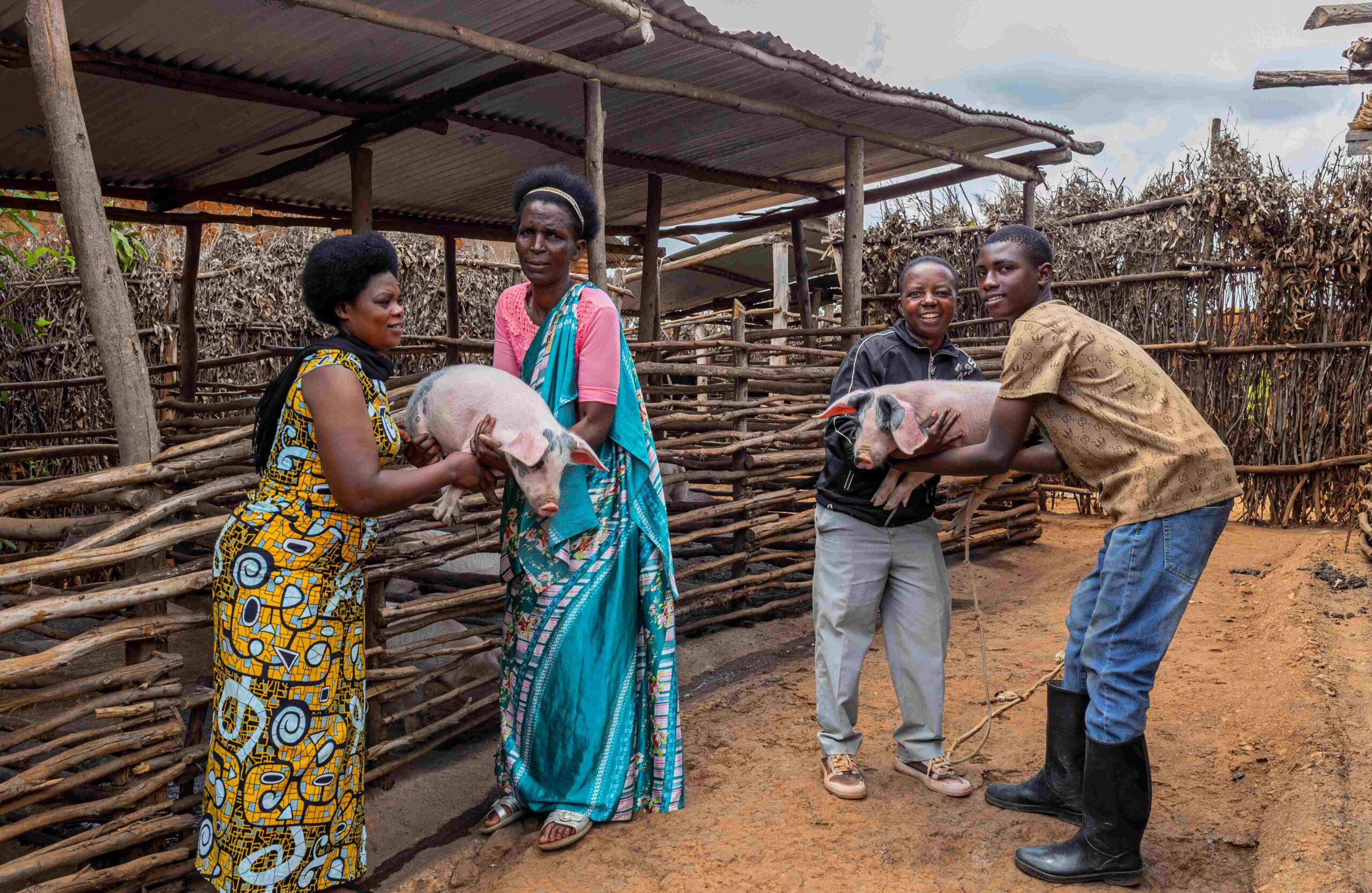
Nikuze learned about PRISM through her Sector Social Affairs Officer. After meeting the eligibility requirements, she joined a self-help group, completed livestock management training and received two piglets, alongside materials to construct a suitable shelter.
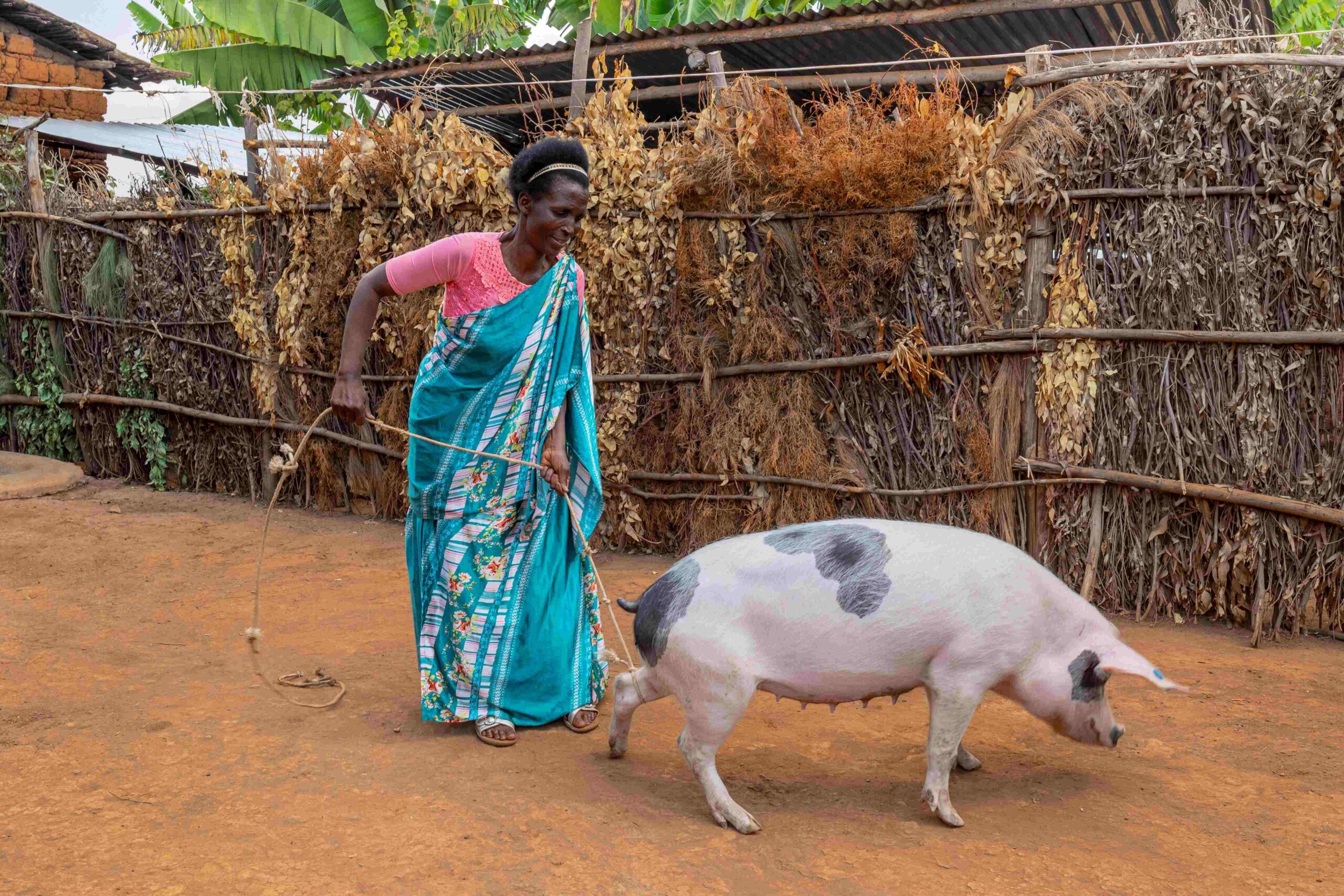
With support from the Sector Veterinary Officer, both sows were artificially inseminated and produced 15 piglets. One died, leaving her with 16 pigs, including the original sows.
Under PRISM’s Passing on the Gift model, she gave two piglets and shelter materials to another eligible household, helping another family begin its own journey towards improved livelihoods.
Her herd continued to grow, reaching 29 pigs after the second production cycle. Nikuze and her husband sold ten piglets and used the proceeds to buy land, which they rented out for RWF 1 million. They invested the rental income in additional pig shelters, with their son joining the enterprise to help construct them.
Despite setbacks, including losing a sow during childbirth, Nikuze persevered. By the third production cycle, her herd had reached 50 pigs.
“I did not give up. By the third production cycle, the number of pigs had increased to 50,” she said.
Livestock feeds a wider livelihood
Pig farming has helped transform the family’s entire production system. Nikuze and her husband use pig manure to fertilise their land, harvesting two tonnes of Irish potatoes worth RWF 700,000 and carrots worth RWF 400,000.
They used crop income to purchase a cow for RWF 600,000. The cow has since produced a calf. They also harvested 200 kilogrammes of maize, which they use as pig feed, helping reduce production costs.
From one kilogramme of bean seed provided by the district, the family harvested 200 kilogrammes of beans for household consumption.
The family now produces much of its staple food, buying mainly items it cannot produce, such as sugar, salt, rice, soap and cooking oil.
“We no longer need to buy most of our staple foods from the market because we produce them ourselves,” Nikuze said.
Better income, but market barriers remain
Although livestock has improved her financial position, accessing competitive markets remains difficult. Because of her disability, transporting produce and negotiating directly with buyers can be challenging, leaving her dependent on brokers.
Nikuze estimates that carrots sold through a broker for RWF 400,000 could have fetched RWF 800,000 through direct sales.
“Because I have limited access to other buyers, I am often left with no alternative but to accept the prices they offer,” she said.
The sale of nine pigs to a slaughterhouse brought RWF 1.4 million. Nikuze used part of the money to buy feed and the remainder to renovate the family home. A subsequent sale of three pigs earned RWF 800,000, which she invested in construction materials.
Restoring confidence and securing the future
Before joining the self-help group, Nikuze often felt isolated and avoided social gatherings because of barriers associated with her disability.
With encouragement from a community facilitator and support from fellow group members, she gradually regained confidence and a sense of belonging.
“I realised that I am valued and capable, just like everyone else, and I began to feel connected to my community,” she said.
The group also provides access to savings and loans. Nikuze has saved RWF 102,000 with the Gikuriro Group and RWF 80,000 with a savings group for people with disabilities. She has also insured eight pigs using funds accessed through her savings group and obtains animal feed on credit through a cooperative.
The benefits extend to the next generation. Previously, her children sometimes woke at 4 a.m. to work on other people’s farms before attending school. The strain affected their performance, and three eventually dropped out.
Her grandchildren now have better opportunities. Income from pig farming helps cover their school expenses and health insurance.
However, the growing herd has outstripped the capacity of the 1,000-litre water tank provided through PRISM, while commercial feed remains expensive.
“With access to more water and affordable feed, I could improve productivity, reduce production costs, and significantly increase the profitability of my pig farm,” she said.
For Nikuze, the two piglets were only the beginning. Training, community support and determination helped turn them into a livelihood that feeds her family, strengthens her independence and gives her grandchildren greater hope for the future.




Leave a Reply