
Dr Eugène Rwamucyo’s 27-year sentence reinforces pursuit of genocide accountability
By The Inspirer.
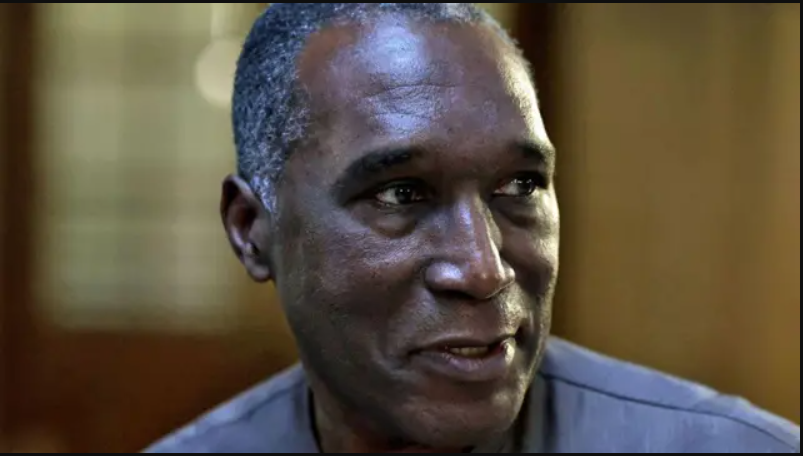
A French court has upheld a 27-year prison sentence against Dr Eugène Rwamucyo after finding him guilty of genocide, complicity in genocide and crimes against humanity committed during the 1994 Genocide against the Tutsi.
The Paris Court of Assizes confirmed the sentence on July 17, 2026, following an appeal by Rwamucyo against his initial conviction in 2024.
The ruling marks another development in international efforts to prosecute individuals accused of genocide crimes who later settled abroad.
Rwamucyo, a former doctor and lecturer at the National University of Rwanda, had denied the charges against him. He disputed allegations that Tutsi victims were killed at health facilities where he worked, including the former Centre Universitaire de Santé Publique (CUSP) and Butare University Teaching Hospital (CHUB).
French prosecutors and civil parties argued that evidence presented during the trial linked him to crimes committed in Butare during the genocide, including the killing of Tutsi victims and actions aimed at concealing evidence of the massacres.
The case was initially brought forward after a complaint was filed in 2007 by the Collectif des Parties Civiles pour le Rwanda (CPCR), an organisation that supports legal action against genocide suspects living outside Rwanda.
Before the French proceedings, a Gacaca court in Butare sentenced Rwamucyo in absentia to life imprisonment in 2009.
During the trial, witnesses testified about killings at CHUB, where Tutsi patients and staff were targeted. Dr Rony Zachariah, who worked with Médecins Sans Frontières at the hospital during the genocide, told the court that between 150 and 200 people, including staff members and patients, were removed from the facility and killed.
The case also examined the involvement of medical professionals during the genocide. Rwamucyo had argued that doctors and health workers in Butare were not involved in genocide crimes, but Gacaca courts convicted several medical workers from health institutions in the area for genocide-related offences.
The conviction adds to a series of genocide-related cases pursued by courts in different countries, reinforcing the principle that those accused of genocide crimes can face justice regardless of where they live.
For survivors and families of victims, the ruling represents recognition of crimes committed against Tutsi in Butare and a reminder of the continued importance of preserving evidence and historical truth about the 1994 Genocide against the Tutsi.




Leave a Reply