
CSOs discuss mechanisms to implement recommendations on the Maputo Protocol
By Elias Hakizimana.
Civil society organizations (CSOs) especially those working on women’s rights and other key stakeholders are looking at how to develop an effective mechanism to popularize and implement concluding observations and recommendations on the Maputo Protocol.
For an effective implementation of this protocol, CSOs are sensitized of the concluding observations and recommendations proffered by the African Commission to the Rwanda government under the Maputo Protocol through active engagement with key stakeholders
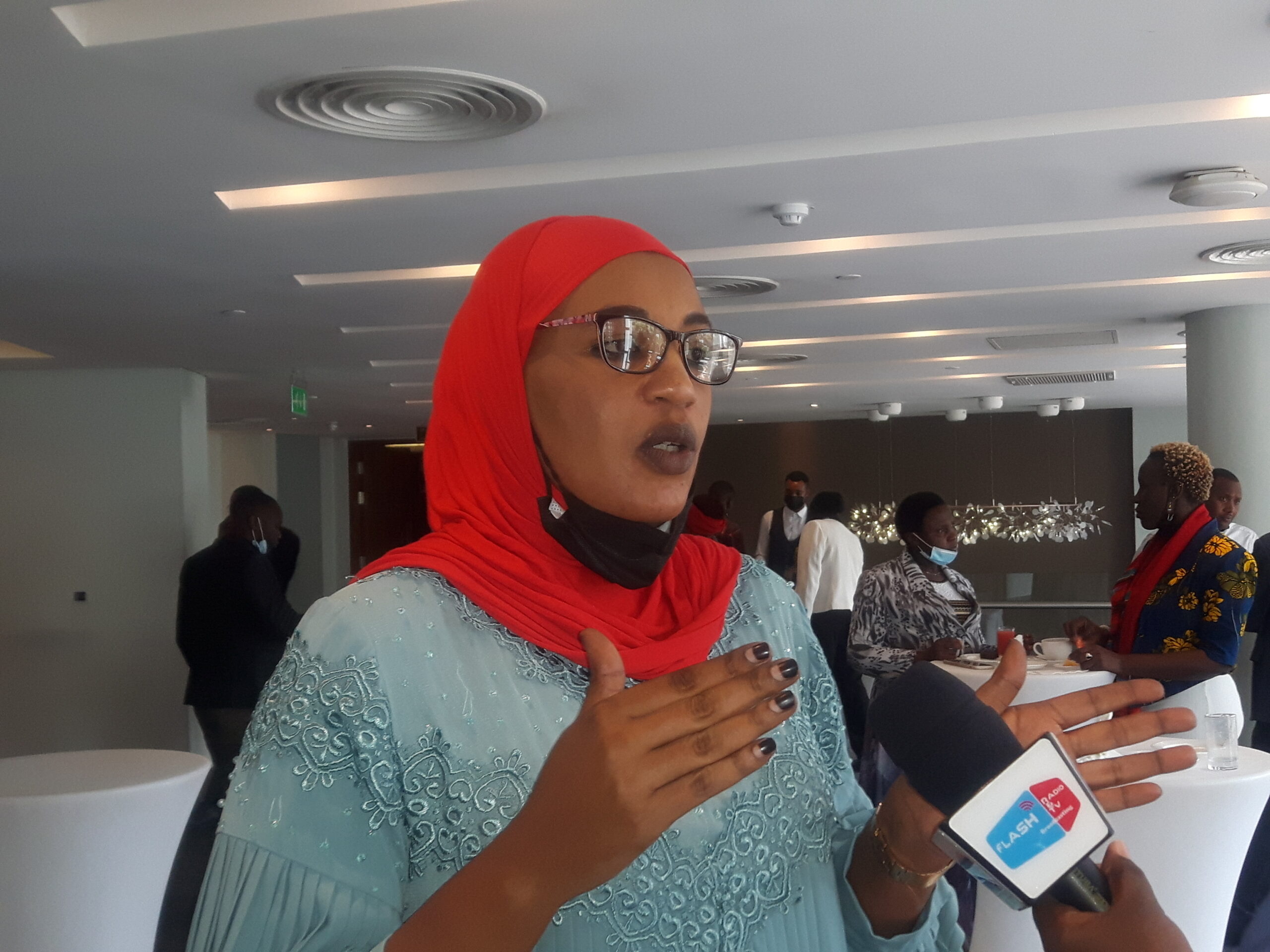
Speaking during a one-day stakeholders’ meeting on compliance with the concluding observations and recommendations under the Protocol to the African Charter on Human and Peoples’ Rights on the Rights of Women in Africa (Maputo Protocol) that was held in Kigali on December 2, 2021, Me. Umulisa Husna Vestine, Deputy Executive Director of Great Lakes Initiative for Human Rights and Development (GLIHD) said that this report is vital and all CSOs should report to help the Government prove what they implemented in terms of Human Right respect.
The meeting was organized by Great Lakes Initiative for Human Rights and Development (GLIHD) in conjunction with The Centre for Human rights (CHR).
There are 2500 CSOs in Rwanda, but only one of them has presented the shadow report that supplements the concluding observations and recommendations on Maputo protocol.
Me Umulisa said that many CSOs are still reluctant in drafting and submitting this report which is very important in proving what countries do in respecting human rights principles.
“It can be of great value when many shadow reports are done and submitted; and it can prove the country’s transparency towards Rwanda’s journey in realizing Human Rights principles.” Umulisa said.
The previous report by Rwanda presented some gaps including lack of enough information and proofs of the contents.
Rwanda signed the Maputo Protocol in 2004 and has to submit reports on the implementation to the African Union as part of the state party obligations.
“There should be 2500 alternative reports from 2500 CSOs to complement the government of Rwanda, in this regard we continued encouraging other CSOs to draft and submit those reports that present the achievements and existing challenges on human rights of different kinds.” Umulisa said.
The Maputo protocol highlights woman’s rights which are one of the alternative reports CSOs need to work on.
So far, GLIHD has submitted nine reports on different human rights. “We submitted Migrant workers’ report, CRC report, Maputo protocol, child rights convention, ILO report, and many more.” Umulisa noted.
Hilaire Mazimpaka Ngango, the in-charge of International Human Rights Monitoring, Reporting and Compliance at the National Commission for Human Rights –Rwanda said that CSOs can even commit to draft parallel report and submit it when the government has not reported on its side.
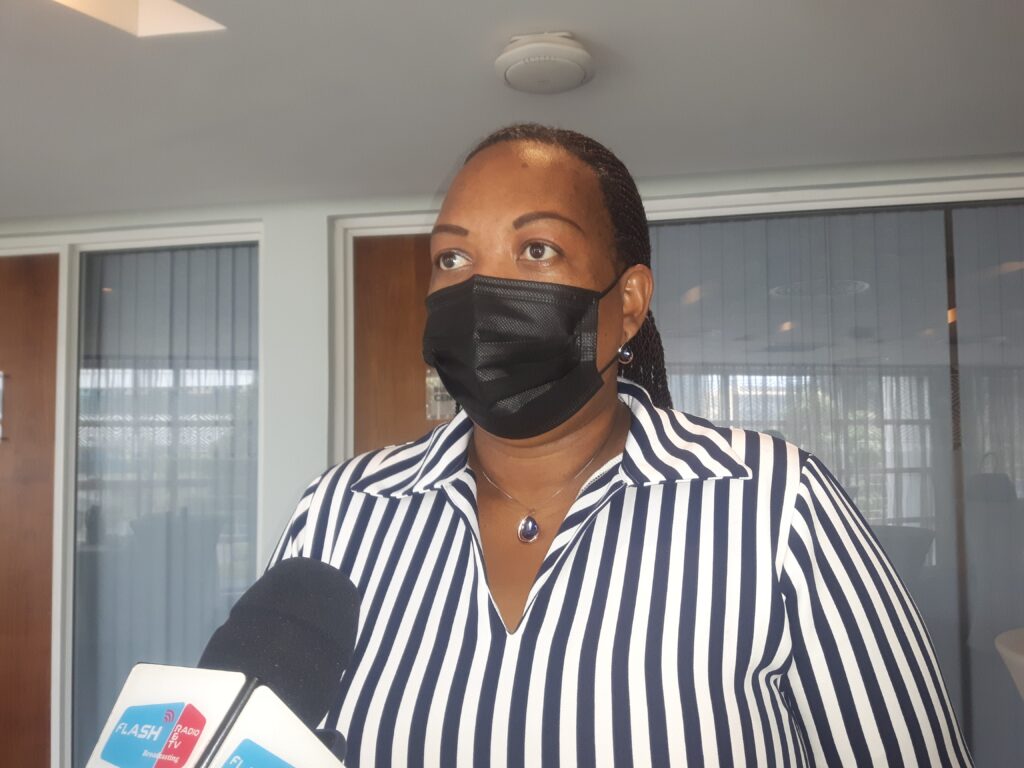
Providence Umurungi, Head of Department, International Justice and Judicial Cooperation at the Ministry of Justice (MINIJUST) said that they partner with GLIHD to draft many reports on human rights principles.
“As we all work for Rwandans, the government drafts a report and interested CSOs do their reports. As the Ministry, we have started working on the report that we will submit next year.” Umurungi said.
CSOs Leaders speak out
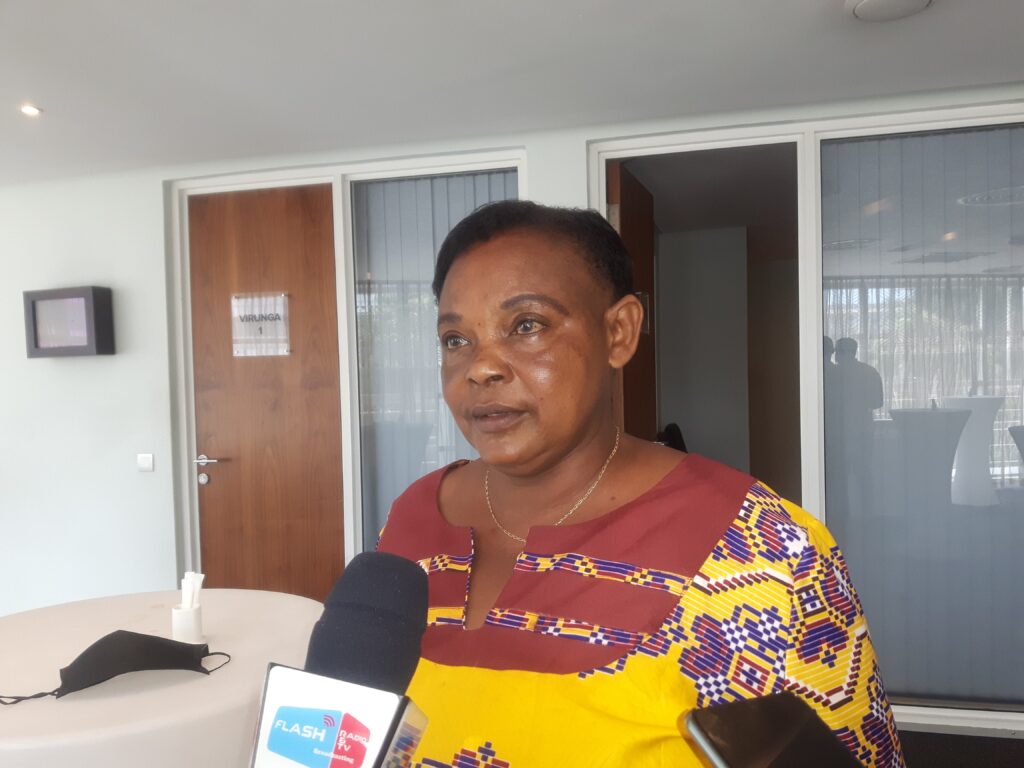
Crescence Mukantabana, Founder and Executive Director of Reseau de Developpement des Femmes Pauvres Champion, Activist, Feminist on Gender Equality, Women Empowerment and Human Rights said that parallel reports are fundamental to complement the government work in building capacity of women and to clearly advocate for existing issues that are still hindering women development.





Leave a Reply