
Countries need to invest in domestic nutrition projects to eradicate malnutrition— Activists
By Elias Hakizimana.
As the number of hungry people continues to rise in Africa, activists from the Scaling Up Nutrition (SUN) Movement call for nations to invest in domestic nutrition projects in order to eradicate hunger and malnutrition.
One in five people (21 percent) of the population in Africa in 2020 were facing hunger. In the whole Africa, 282 million people were experiencing hunger, more than double the proportion of any other region in the world according to the field’s facts by World Vision.
The same findings show that 7.2 million people are at risk of starvation and another 26.5 million face acute food insecurity while at least 12.8 million children in the region are acutely malnourished.
During an exclusive interview with Gerda Verburg, the Coordinator of the Scaling Up Nutrition (SUN) Movement Globally, hunger and malnutrition eradication should be done by countries themselves by investing in their people.
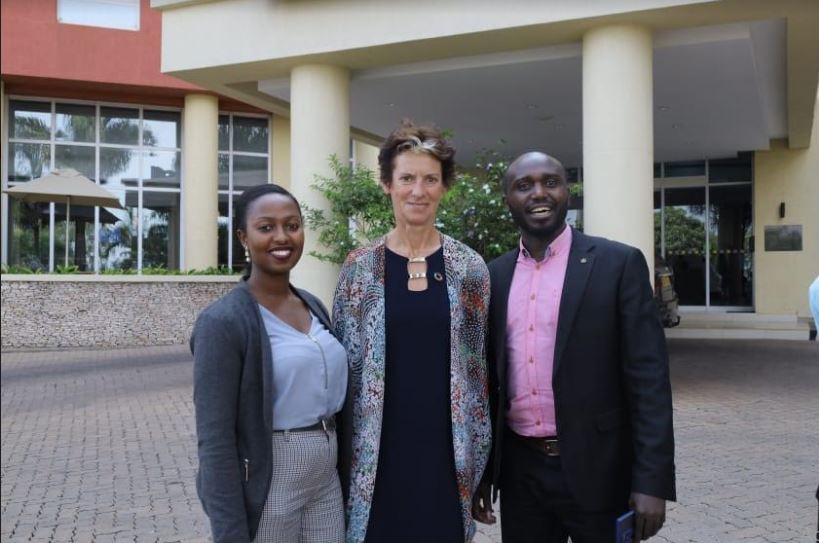
Gerda who is participating to the AGRF 2022 Summit in Kigali-Rwanda commended efforts by the Government of Rwanda in fast tracking best practices in ending hunger and malnutrition.
“It has to be done by countries because when the government is committed to invest in its people through nutrition, making sure that the children get the right composition and quality of food, malnutrition can be prevented. And the most important thing is during the first 1000 days of the child, the mother has to be well nourished, and during first six months of the child’s life, the mother should be able to do exclusive breast feeding, this is the most important thing and Rwanda is the champion in it.” She said.
Gerda said that this initiative requires collaboration between different partners and stakeholders that include Civil Society Organizations (CSOs), Private Sector, the United Nations and investors among others.
She noted that Rwanda is the role model in combatting malnutrition among its people, following the best practices put in place since a couple of years ago.
Existing gaps
Gerda said that the major gap is investment in stunting prevention among children in their first 1000 days, the critical period of their physical and cognitive development.
She said that it affects their future capability to earn decent income and find decent jobs.
“To do this, we need to start investing in good nutrition for girls, sending them to school and invest in their healthy life style with good food,” Gerda said, adding that investment in people by countries is the key milestone towards addressing the issue.
“Without investment in people and in good nutrition, a country will not be able to develop, and Rwanda is ambitious, we know that the government is very motivated,” she noted.
The global sun movement leads 65 member countries of which Rwanda has made significant achievements in addressing hunger and malnutrition.
Gerda recommends Rwanda to do better in order to reach ambitious goals of ending hunger and malnutrition by 2050.
Investing in domestic projects
“Countries need to be able to invest in domestic projects, and then if they have very clear and action result oriented nutrition plans, the SUN Movement can help them to find funding and help investors to run behind the government.” she said.
She said that the government needs to show commitment to do the first investment to continue to drive a good nutrition agenda.

Only 2.7 percent of the national budget is invested in Nutrition and there is a need for annual increase of 3.0 percent to this budget according to Venuste Muhamyankaka, Executive Director of Sun Alliance Rwanda.
Muhamyankaka said that scattered efforts and huge discrepancy of districts in eradicating malnutrition contribute to the delay in ending the crisis in Rwanda.
“sometimes, some districts have a good level of malnutrition reduction while others are still showing huge rate of malnutrition. Climate change also is an issue that affects food security which is the key towards reaching good nutrition goals.” He said, suggesting that districts can be given a budget dedicated to nutrition in school institutions.
Youth involvement
Dr. Florence Sibomana, young female medical doctor in Rwanda and member of Global Youth Leaders for Nutrition under Scaling Up Civil Society Network said that youth need to play a role in mindset change mobilization campaigns towards efficient nutrition.
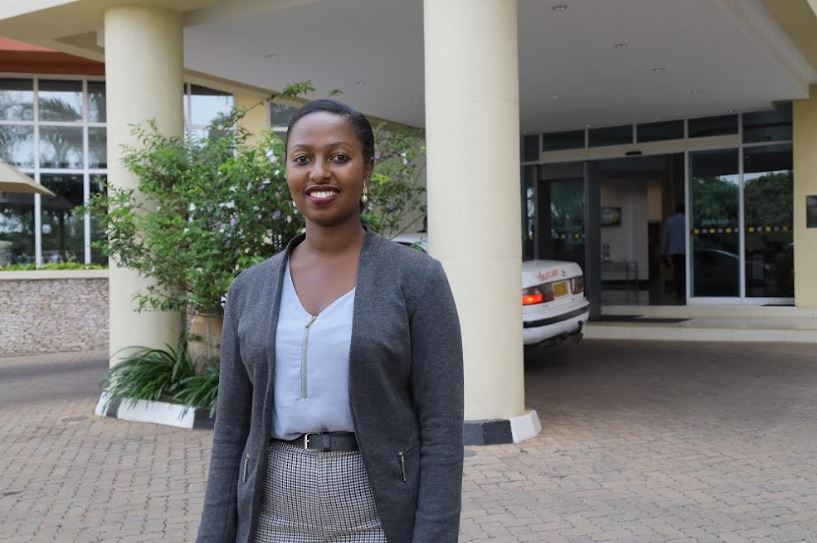
“Some rural districts are facing malnutrition while they are the ones to produce food consumed in town, youth need to be involved in the planning of all the programs that aim to promote good nutrition, these include agribusiness projects and these programs need to be taught in schools. If a girl is taught about the role of breastfeeding she is the one to become the mother in the near future,” she said.
theinspirerpublications@gmail.com




Leave a Reply