

Chance for Childhood Launches 2nd Edition of Teacher Training Manual to Advance Inclusive Education in Rwanda
By Elias HAKIZIMANA.
Kigali, October 15, 2025 — Rwanda has taken a decisive step toward ensuring that no child is left behind in the classroom with the launch of the revised Teacher Training Manual on Special Needs and Inclusive Education.
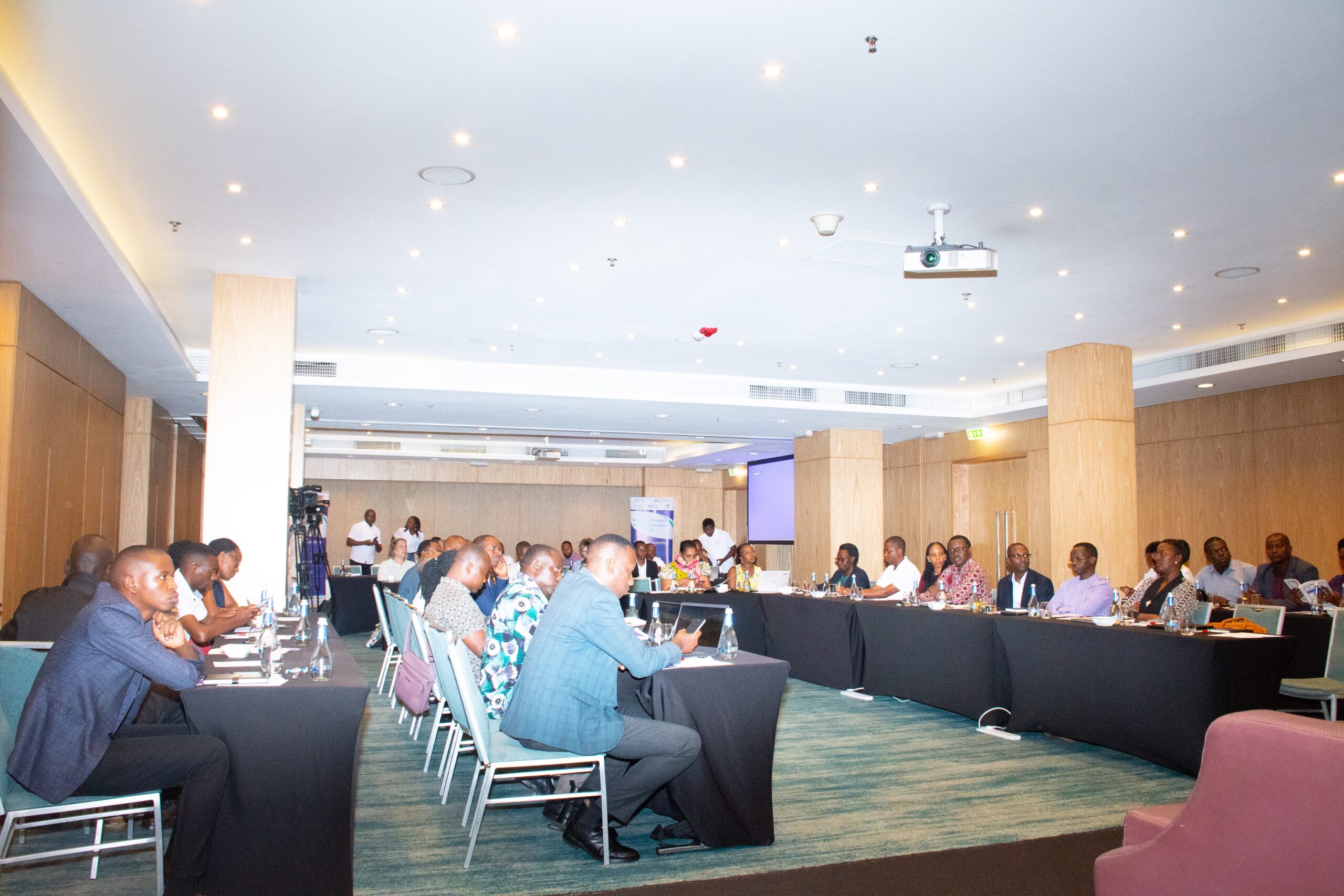
The second edition of the manual, developed by Chance for Childhood (CfC) in partnership with the Ministry of Education and the Rwanda Basic Education Board (REB), was unveiled on Wednesday, October 15, 2025, at a high-level event held at the Kigali Marriott Hotel.
The launch also provided a platform to share findings from a multidisciplinary assessment conducted under the Realising Inclusive and Safe Education (RISE) project, which focused on the districts of Gicumbi, Burera, and Gakenke.
The assessment revealed both encouraging and challenging realities about Rwanda’s learners, providing key insights that informed the revised manual.
Opening the event, Felicien Turatsinze, Country Director of Chance for Childhood, described the revised manual as “a tool born out of collaboration and necessity.”

He emphasized that the update drew directly from teachers’ experiences and aimed to align Rwanda’s education system with modern inclusive practices.
“We realized that the previous manual lacked several critical components such as inclusive culture, updated technologies, sign language, and individualized education plans,” Turatsinze explained. “The new version fills those gaps and provides educators with practical tools to support learners with diverse needs.”
The RISE assessment found that over 98 percent of the children evaluated were in primary schools, with a small percentage out of school.
Notably, 46 percent of the children had visual-related difficulties, making vision impairment the most prevalent challenge. Learners were categorized into three groups: those who can thrive with better-trained teachers in inclusive settings, those who need individualized education plans, and those requiring referral for further medical assessment.
“Our findings reinforce the need for targeted interventions,” Turatsinze said. “This is not just a report or a manual—it’s a call to action. Inclusive education must move from theory to daily practice in every classroom.”

Théophile Ntigurirwa, RISE Project Manager at Chance for Childhood, described the new edition as a “tool for transformation.”
He explained that it was developed through a participatory process involving education experts, government agencies, universities, and civil society organizations.
“The first edition, published in 2018, served as a good starting point, but it missed key inclusive elements,” Ntigurirwa said.
“This revised version now incorporates universal design for learning, sign language charts, assistive technology, and guidance on developing individualized education plans. It also includes a trainer’s technical guide that walks teachers step-by-step through the inclusive teaching process.” He added.
Ntigurirwa added that the manual would soon be available on a digital learning platform to allow self-guided learning for teachers across Rwanda.
“We understand that not every school has access to qualified trainers, so this tool will bridge that gap by empowering teachers to learn independently,” he noted.

The revised manual aligns with Rwanda’s national development priorities, including the National Strategy for Transformation (NST2) and the Education Sector Strategic Plan, both of which emphasize inclusion as a pillar of equitable education.
Beyond the technical and policy content, speakers stressed a human-centered approach.
“Inclusive education is not about accommodating a few children—it’s about transforming how we see every child,” one participant said. “Every learner deserves a chance to belong, to be supported, and to thrive.”
A panel discussion moderated by Ntigurirwa brought together education experts and practitioners to discuss the manual’s significance.
Dr. Patrick Soubi from the University of Rwanda highlighted that the manual reflects major updates responding to current trends in inclusive education.
“We added new topics such as Universal Design for Learning (UDL) and enriched content to help teachers respond to diverse learning needs. The revised edition provides practical tools teachers can immediately apply in classrooms,” he said.

Jean-Sauveur Johnson from the Teacher Training College emphasized that the manual bridges previous knowledge gaps in teacher preparation.
“It provides clear charts, inclusive teaching practices, and updated policies that help trainee teachers understand that every learner deserves equal attention,” he noted.
Dr. Beth Nasiforo Mukarwego, President of NUDOR and a lecturer at the University of Rwanda’s College of Education, added that the manual arrived “at the right time” to equip teachers struggling to support learners with special needs.
“It’s a daily reference that will remind teachers what they learned, help them apply braille and other techniques, and encourage them to assist both learners and colleagues,” she said.
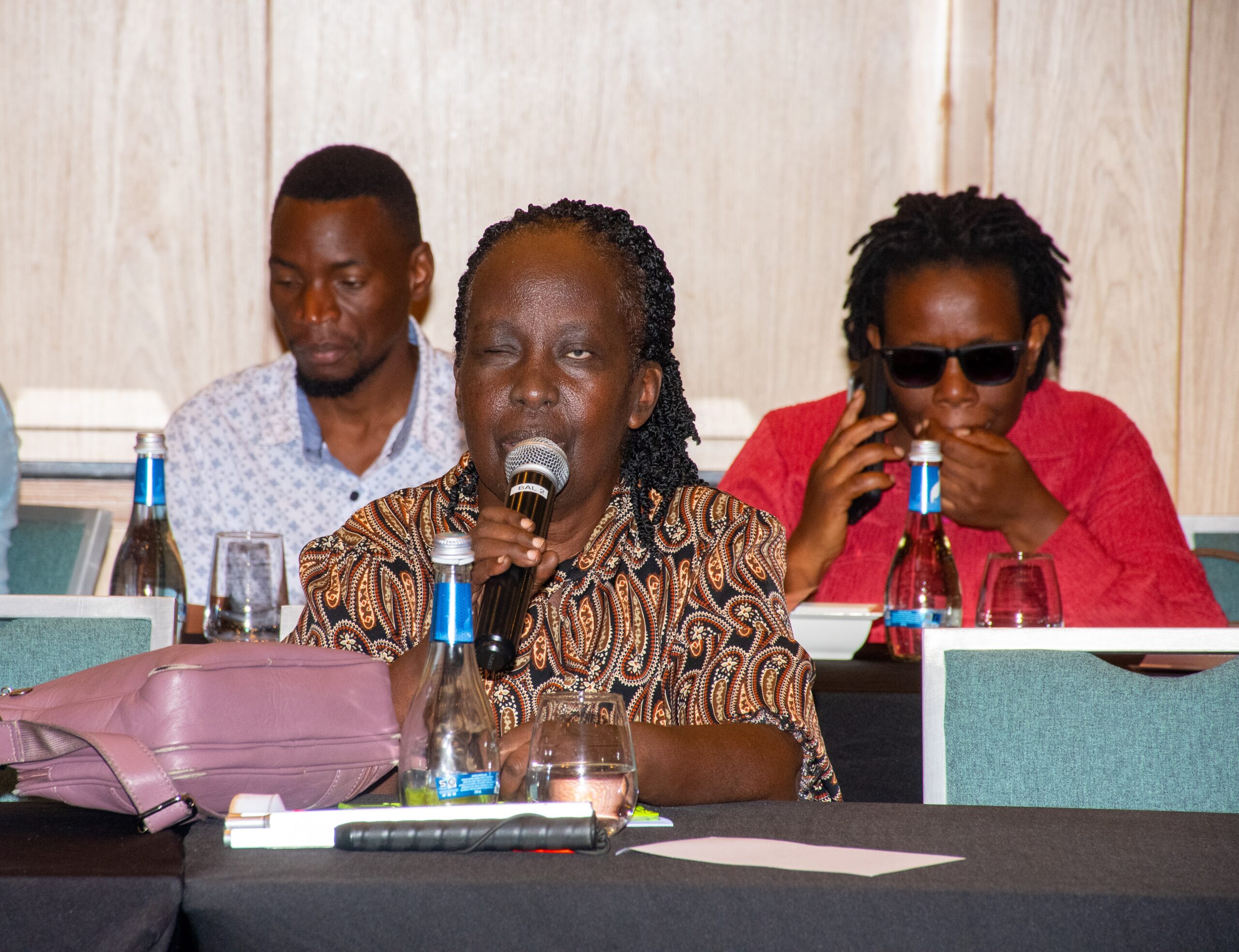
Speaking from a development partner’s perspective, Turatsinze urged a broader cultural shift. “Inclusive education must start at home, be understood by parents, and supported by communities. It is not just a school matter—it’s everyone’s responsibility.”
While Rwanda has made progress in inclusive education, panelists noted challenges remain, including limited resources, overcrowded classrooms, and persistent negative attitudes. “We must go beyond fear and stigma,” Turatsinze added. “When attitudes change, inclusion becomes possible.”
Closing the session, Ntigurirwa reminded the audience that inclusive education “requires collective effort,” echoing the saying, “When you want to go far, you walk together.” Stakeholders pledged to use the revised manual to turn classrooms into spaces where every child—regardless of ability—can learn, grow, and contribute to the nation’s future.
Beneficiaries speak out
The launch also highlighted tangible results for learners and teachers.
Donatha Musabyemariya, mother of a 14-year-old daughter at G.S. Bushara in Gicumbi District, shared her daughter’s transformational journey.
“At one point, the headmistress decided to expel my daughter, saying she could not study with other children. She then spent six years at home without attending school. Thanks to Chance for Childhood, I was able to enroll her back in school. Today, she can write numbers—one, two, three. I am grateful to the government for establishing an inclusive education model, and to the RISE Project for making this possible,” she said.

Florence Mukangoboka, a teacher at G.S. Bushara, highlighted the impact on teaching and learning.
“Inclusive education at our school has significantly improved. Over 60 children with disabilities are now learning alongside other students. Academic performance has risen, and students interact well. We have been trained and are now training other teachers. Chance for Childhood can continue to train more educators so that inclusive education reaches even more schools,” she said.
Marie Therese Uwamahoro, Vice Mayor in charge of Social Affairs in Gakenke District, said: “The RISE Project by Chance for Childhood conducted assessment to identify the special needs of children with disabilities in our district. Some children were referred to hospitals for treatment, and the organization is actively working to improve education for these learners. The revised training manual will further promote inclusive education, and we believe that through the training provided by this project, more teachers will be equipped to implement and explain the national policy on inclusive education effectively.”

Mary Kobusingye, a Special Needs and Inclusive Education Specialist at Rwanda’s Ministry of Education, highlighted that the revised training manual reinforces Rwanda’s commitment to inclusive and equitable education. She emphasized that it provides teachers with practical guidance, updated pedagogical approaches, and tools to identify and support learners with disabilities and special educational needs.
Kobusingye stressed that inclusion requires a collective effort from educators, parents, and communities, and that policies alone are not enough—daily practices and attitudes toward children with disabilities are equally critical for creating truly inclusive schools.
“This manual is not just a policy milestone; it is a practical step forward empowering our teachers to support children with special needs. Inclusion requires collective effort—teachers, parents, and communities all have a role in ensuring every learner can reach their full potential,” Kobusingye said.
As Rwanda continues to expand inclusive education, the revised manual represents both a practical guide for teachers and a symbol of commitment to equity, compassion, and empowerment in the country’s classrooms.

theinspirerpublications@gmail.com


Leave a Reply