
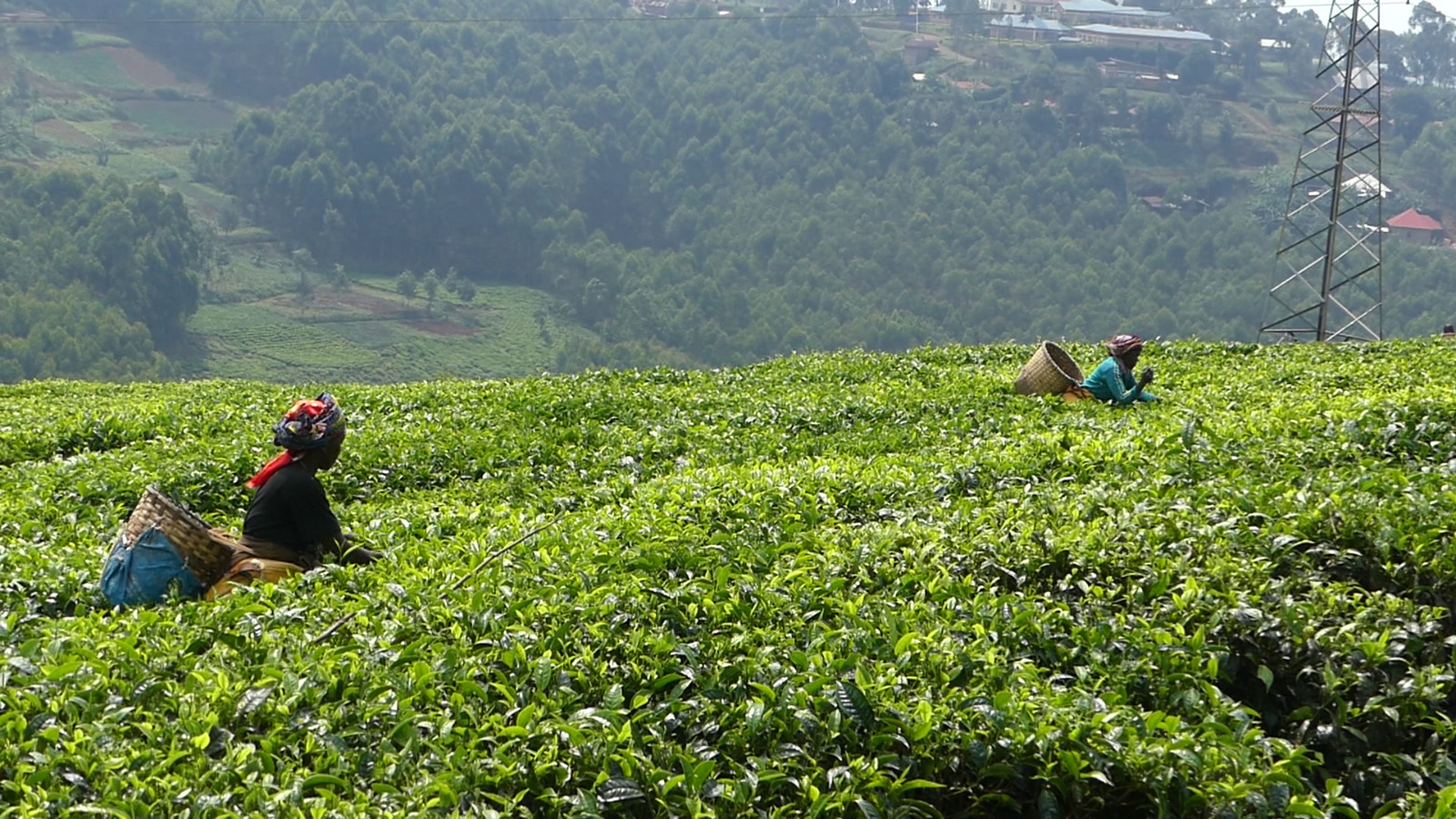
ANALYSIS – DIRECT TEA SALES IN RWANDA RAISE CONCERNS ABOUT MISINVOICING
By Elias Hakizimana.
KIGALI – Rwanda’s tea usually fetches premium prices averaging 15 to 20 percent more than other East African producers at the Mombasa tea auction in Kenya, where regional growers gather weekly to sell their tea. From there it goes to buyers across the world.
Increasingly, however, Rwandan factories are choosing to bypass the auction and sell their tea directly to buyers. Some industry insiders in Rwanda worry that current oversight of direct tea sales is not transparent nor rigorous enough to detect trade misinvoicing, when the value of goods is deliberately misreported on invoices to evade taxes.
Indeed, trade misinvoicing is hard to uncover. Not all misinvoicing shows up as mismatches in trade data, and not all mismatches in data are evidence of misinvoicing.
In 2023, Rwanda earned over US$ 114.8 million from exporting 38,467 tonnes (38.4 million) of processed tea. Most exports, about 97.3%, of tea was exported in raw form, with 80 % of it sold in auctions, 17.3% directly, and 2.7% locally, according to figures from the Rwanda Development Board.
The country said it plans to increase tea sales to US $175 million annually by 2029, by planting 40 million new tea seedlings and expanding plantations. Its production is still small when compared to other countries in the region like Kenya, the world’s biggest exporter of black tea, which last year shipped 523 million kg of leaves, while Tanzania aimed to increase output to 60 million kg by 2025.
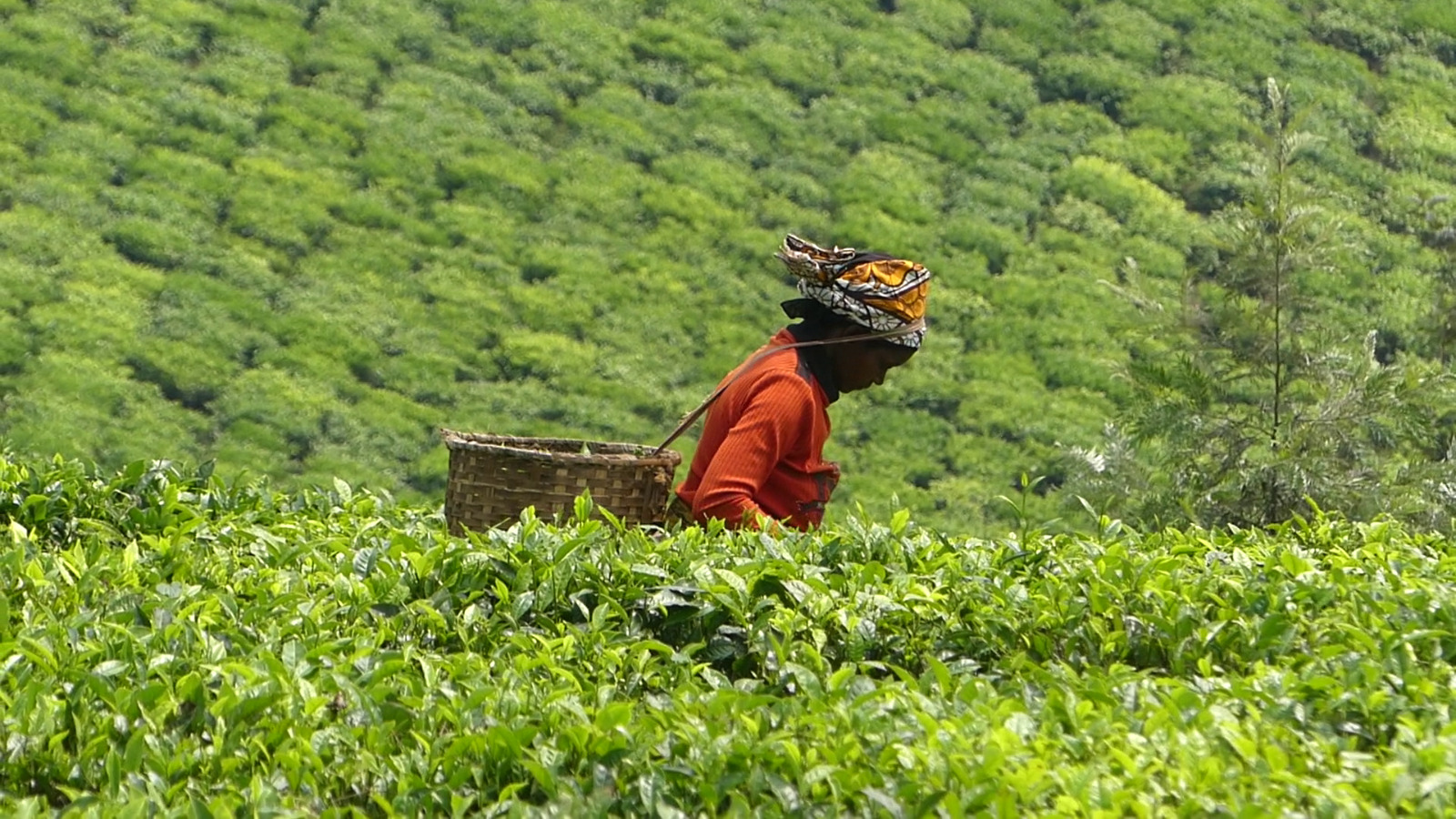
(Photo credit: Elias Hakizimana/The Inspirer)
SPOTLIGHT ON
One industry insider, who asked not to be named because he feared losing his job, said direct tea sales – private deals made between exporters and buyers outside the Mombasa auction – remain a blind spot. Unlike tea sold at public auctions, direct sales rely on privately agreed prices that can be hard to verify, he said.
A senior official at the National Agricultural Export Development Board (NAEB), speaking on condition of anonymity because he was not authorized to speak to the press, described this as a “grey area,” where exporters could understate prices to reduce taxable income.
“This is tax evasion with a negative impact on the national treasury,” the official said in an interview.
However, NAEB Chief Executive Officer, Claude Bizimana, argued that safeguards are in place to avoid mispricing. Among these, he said, were requirements that factories file monthly reports on production and revenue; direct sales must have valid contracts reviewed before certificates of origin are issued; and declared prices are cross-checked against Mombasa auction rates to spot irregularities.
“Farmers are guaranteed at least 50% of the final tea value through a pricing formula designed to protect them,” Bizimana said.
Tea companies declined to comment on their handling of direct sales. The Rwanda Revenue Authority (RRA) and the Rwanda Investigation Bureau (RIB) did not respond to emails requesting comment on the matter.

NOT ALWAYS BETTER
Dr. Christopher Foster, a senior lecturer at the University of Manchester’s Global Development Institute, who conducted data collection in Rwanda’s tea sector between 2013 and 2014, cautioned that direct tea exports may not always translate into better deals.
At the time of his fieldwork, around 25% of Rwanda’s tea was sold through direct sales, while 75% went through the Mombasa auction. While those ratios have likely shifted, he stressed that “on average, direct sales prices weren’t significantly higher – and sometimes they were lower.”
Instead, he said, faster payment was often the real incentive behind direct sales. “Through the auction, it could take a month or more to get paid,” he said, “Direct buyers often pay quickly. For farmers living on tight margins, speed can matter more than premiums.”
Foster found that Rwandan producers, mainly cooperatives and smallholders received about 30% of the final retail price of tea, while the rest goes to exporters, brokers, processors, and logistics companies. Whether direct sales benefit farmers depend on how much of that margin is passed down. “If factories retain the profit, it doesn’t help farmers,” he said.
Direct sales are also used by companies partnering with a factory to produce high quality, ethically-produced tea, he said. “This was like moving away from the tea being a bulk commodity tea to maybe being slightly better quality. Why do you need to move it all the way through the Mombasa auction?” he added.

Complicating matters is factory ownership. Some include farmer cooperatives as minority shareholders, but many are controlled by Rwandan elites, foreign investors, or state-linked actors, making accountability difficult.
During his research, Foster visited the 65-year-old Mulindi Factory Company in Gicumbi, about 60 km (37 miles) from the capital Kigali, which at the time was transitioning to farmer ownership through donor-funded support. “It stood out as more transparent, partly because they had CSR obligations,” he recalled. Corporate Social Responsibility, or CSR, involves a range of practices focused on environmental sustainability, ethical labour conditions and community development.
AGING FACTORIES, RISING COSTS
The COVID-19 pandemic was a major stress test for the industry. Although Foster did not study the sector after 2020, he suggested that Rwanda likely experienced supply disruptions and price shocks, like other tea-producing nations. “Price drops hit hardest when exporters face delays and long land routes to Mombasa. Many trucks don’t arrive on time, or at all,” he said.
Despite privatization, Foster observed during his research that many Rwandan tea factories are still using machinery from the 1970s, 80s, or 90s, limiting its ability to add value or improve efficiency. He urged the government to consider subsidized upgrade programs to modernize production and remain competitive.

TRANSPARENCY, OVERSIGHT
Foster cited concerns about regulatory loopholes in Rwanda’s semi-liberalized tea export system. Following reforms that reduced state control, factories gained greater autonomy including on pricing and export deals, but without robust mechanisms for transparency.
“Rwanda produces trade data, but farmers rarely see this information. That absence fuels suspicion,” he said. He recommended making price and volume data publicly accessible, especially from direct sales, to reduce room for under-invoicing and illicit financial flows (IFFs).
He noted that in Kenya public scrutiny of the Mombasa auction had spurred debate on fairness and corruption. Rwanda’s tight-knit ownership structures – some with international ties – combined with opaque contracts, make similar oversight more difficult.
IMPACT ON WORKERS
Trade mispricing directly affects thousands of smallholder farmers who rely on sales to pay workers, many of whom are women. For rural women especially, income that should rise with growing global demand often stays flat.
“I work hard every day but what I get is just enough for food and basics for my children,” said one tea picker from Nyamasheke District, who asked not to be named because she may lose her job.

Hazel Birungi, an independent tax justice researcher based in Uganda, said Rwanda could learn from regional peers and global practices. She recommended strengthening regulatory and enforcement capacity, including training customs and tax collection staff in forensic accounting and digital financial analysis.
“Rwanda should also build partnerships with networks like Tax Justice Network Africa, ATAF and the ICTD to improve transparency and value addition,” Birungi told The Inspirer.
She called for public registries of beneficial ownership to expose real owners behind shell companies, stronger collaboration between Rwanda Revenue Authority, the National Bank, NAEB and law enforcement, and more regional data-sharing through a dedicated East African tea export oversight coalition.
WOMEN BEAR THE BRUNT
Birungi warned that the cost of misinvoicing goes beyond lost tax revenue. “Women make up most of the workforce in tea, mainly as leaf pickers in insecure, low-paid jobs, so they’re hit first when declared prices are understated,” she said.
Lower export values shrink company revenues, potentially cutting wages and bonuses. Illicit Financial Flows (IFFs) also drain public funds needed for schools, healthcare and clean water – services rural women rely on the most.
“When governments fill these gaps by raising consumption taxes like VAT (Value-Added Tax, it’s women managing tight household budgets who pay the price,” Birungi says. “This is not just economics – it’s a human rights issue.”
theinspirerpublications@gmail.com



Leave a Reply