
Africa’s food systems face a defining test as AFS Forum marks 20 years
By Elias HAKIZIMANA.
Two decades after the Africa Food Systems Forum was launched to help reshape agriculture on the continent, African leaders, farmers, investors, scientists, entrepreneurs and development partners are confronting a harder question: not whether Africa can transform its food systems, but how quickly it can turn ambition into results.
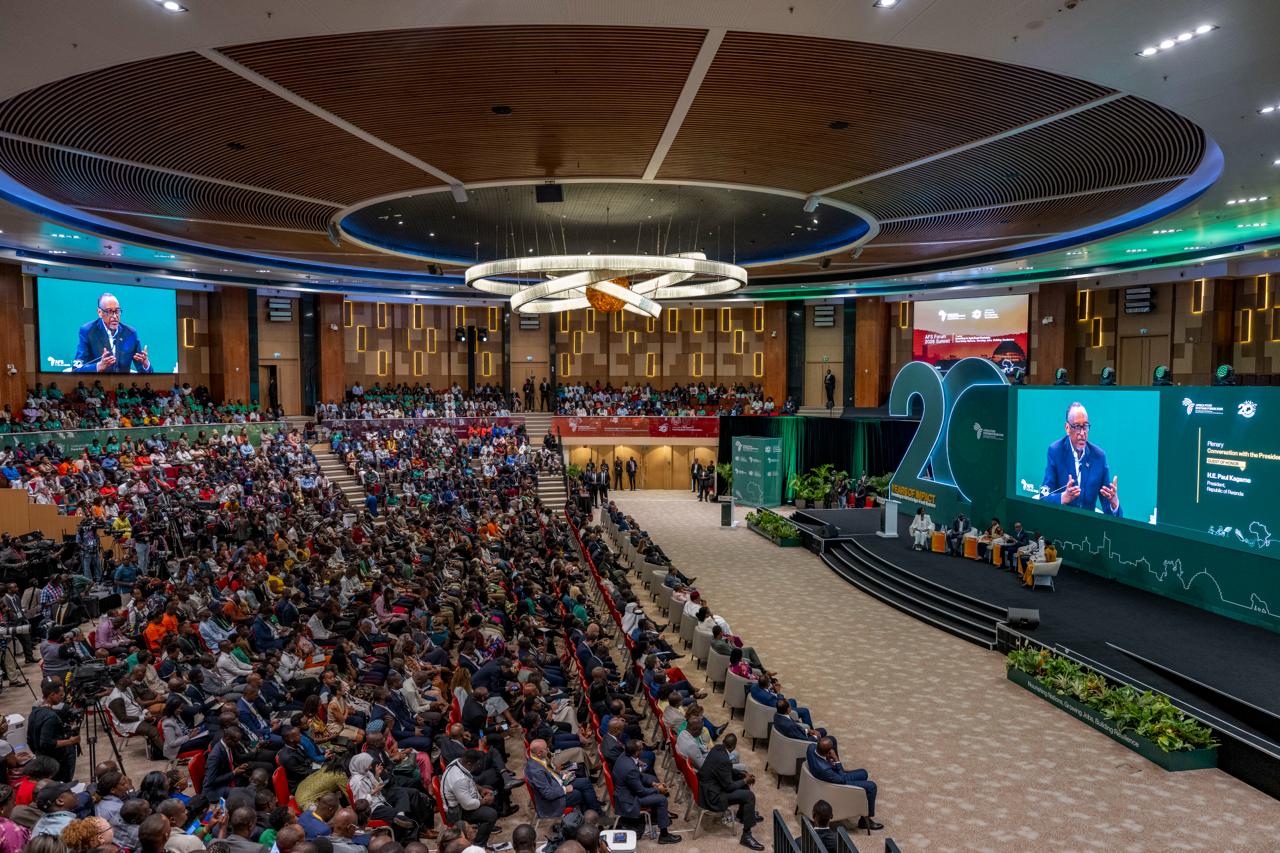
That question has emerged as a central theme of the forum in Kigali, where the 20th Africa Food Systems Forum has brought together more than 5,000 participants from over 50 countries to examine how Africa can build food systems that deliver food, jobs, incomes and resilience for a rapidly growing population.
The anniversary has become more than a celebration of the forum’s history. It is being used as a moment to assess what has changed over the past 20 years—and what remains unfinished.
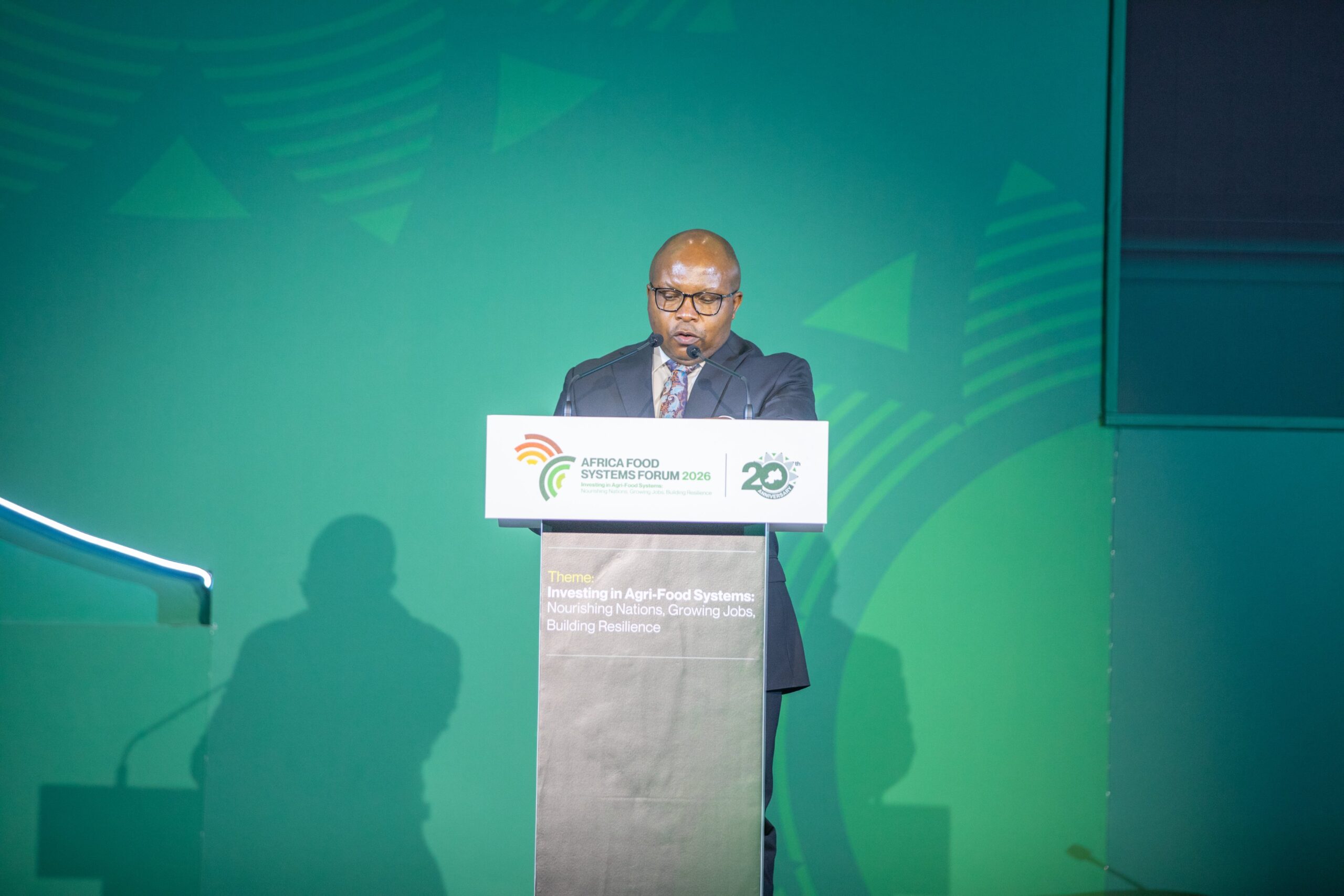
Opening the forum, Dr. Telesphore Ndabamenye, Rwanda’s Minister of Agriculture and Animal Resources called for Africa to move from dialogue to implementation and from commitments to investment, arguing that food-system transformation depends on stronger governance, effective institutions, accountability and an environment capable of attracting both public and private capital.
The urgency is clear.
Africa continues to grapple with food insecurity, malnutrition, climate shocks, high food prices and inadequate investment, even as the continent possesses vast agricultural potential, a growing consumer market and a young population entering the workforce.
The forum’s discussions have therefore moved beyond agriculture as simply the production of crops and livestock.
Finance, soil health, climate resilience, digital agriculture and artificial intelligence, nutrition, trade, food corridors, youth entrepreneurship and private investment have emerged as interconnected pieces of the continent’s food-system puzzle.
At the heart of the discussions is a recognition that Africa cannot achieve transformation through isolated interventions.
The evolution of the forum itself illustrates that shift.
When the initiative began 20 years ago, the focus was largely on closing Africa’s agricultural production gap by improving smallholder farmers’ access to improved seeds, fertiliser, knowledge and markets.
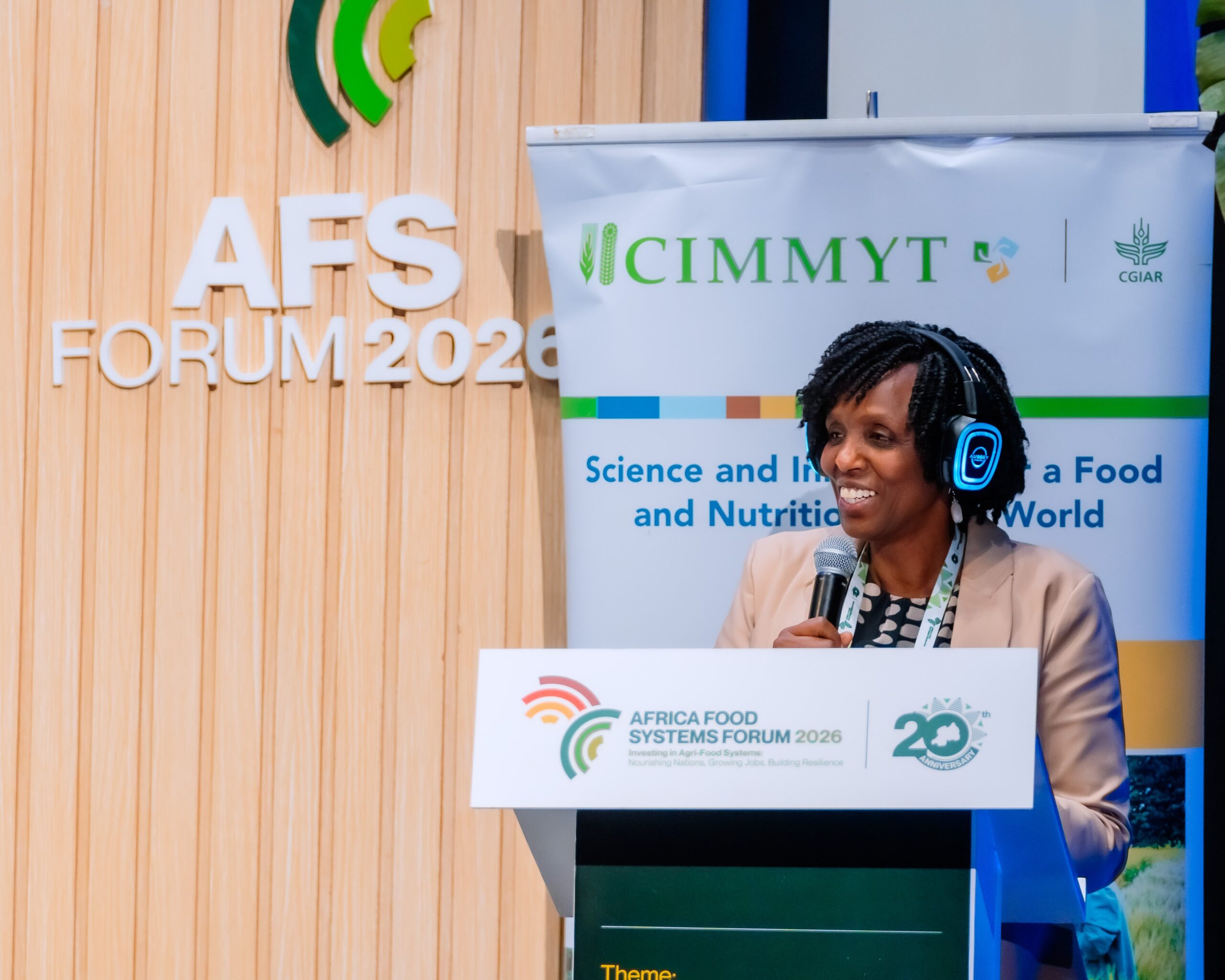
Dr. Agnes Kalibata, President of AGRA, reflected on the evolution of that thinking, noting that farmers were never simply waiting to be rescued. Rather, they needed systems around them to work—from markets and finance to science, infrastructure, policy and partnerships.
The experience of the past two decades has helped strengthen the argument that smallholder agriculture can be a business and that farmers should be treated as entrepreneurs whose productivity and incomes matter to the wider economy.
But the transformation remains incomplete.
One of the forum’s founding voices, Dr. Namanga Ngongi, said Africa has made progress in addressing the production gap but now faces another major challenge: translating increased food production and availability into better nutrition for its people.
That shift—from producing more food to building healthier, more inclusive and commercially viable food systems—is becoming central to the next phase of Africa’s agricultural transformation.
The private sector is also being challenged to play a bigger role.
Arne Cartridge of Yara International, reflecting on the forum’s 20-year journey, said Africa still has unfinished business around productivity, political coordination and the creation of larger markets.
With the continent divided into numerous national markets, he argued that deeper cross-border integration is necessary to create the scale required to drive investment and competitiveness.
He also pointed to artificial intelligence and technology as emerging tools that must reach smallholder farmers rather than remain concentrated among larger businesses and institutions.
For young Africans, the question is increasingly about whether the food system can become an engine of employment and enterprise.
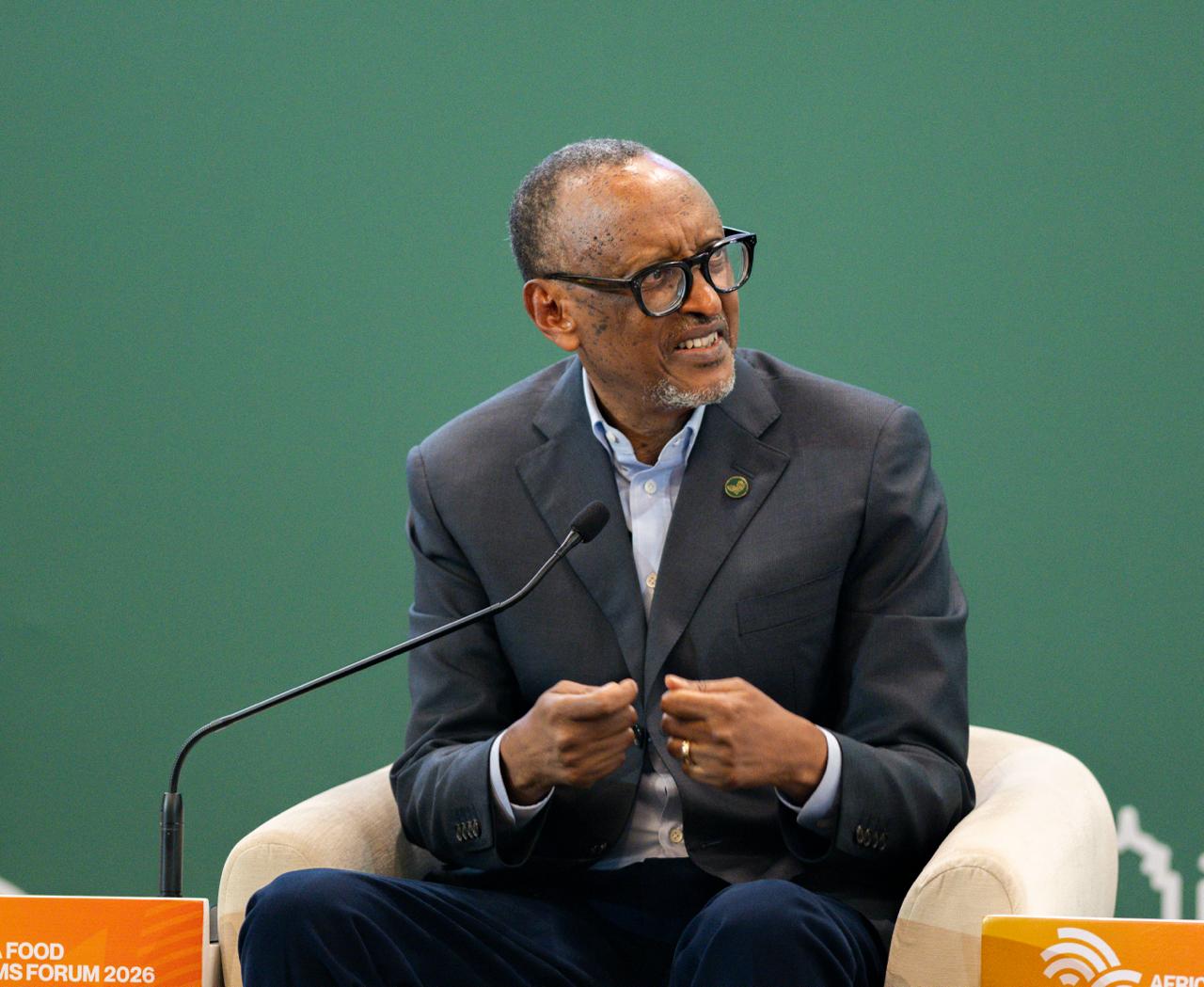
That issue came into sharp focus when President Paul Kagame engaged young entrepreneurs during the forum, arguing that governments must help reduce the risks faced by young people seeking financing for agribusiness ventures.

Kagame said financial systems often favour people who already possess capital, leaving young entrepreneurs without sufficient collateral struggling to access loans.
He called for governments to absorb or reduce part of that risk, arguing that supporting viable young businesses can generate returns for entrepreneurs, national economies and society.
The message reflects a broader concern running through the forum: Africa’s food-system transformation must create opportunities for the continent’s growing youth population.
It cannot succeed if young people remain consumers of imported food and job seekers in economies that fail to develop competitive agricultural and food businesses.
The forum is also placing greater emphasis on women, science, innovation and entrepreneurship as critical drivers of transformation.
For Rwanda, which is hosting the anniversary edition, the event provides an opportunity to showcase its experience while also learning from other countries.
Rwandan officials have linked agricultural transformation to governance, long-term planning, investment, technology and partnerships, while acknowledging the need for stronger financing for research, innovation and postgraduate training.
The country’s own agricultural realities—small landholdings, population pressure and limited arable land—also underscore the need to move towards more knowledge-intensive and commercially oriented agriculture.
As the forum looks ahead, the central challenge is no longer a shortage of ideas.
Africa has technologies, entrepreneurs, researchers, farmers, financial institutions and policy frameworks capable of contributing to transformation.
What remains is the ability to connect them at scale.
The next 20 years, speakers argued, must therefore be measured not simply by the number of conferences held or commitments announced, but by whether those commitments translate into higher farmer incomes, productive jobs, improved nutrition, stronger businesses, resilient communities and affordable food.
The ambition is an Africa where no child goes hungry, farmers earn dignified incomes and food systems can withstand climate and global shocks—but as the anniversary discussions in Kigali made clear, that future will not happen by chance. It will require sustained political leadership, investment, innovation, regional cooperation, private-sector participation and, above all, implementation. The first 20 years helped build the platform; the next 20 will determine what Africa builds with it.
theinspirerpublications@gmail.com
Related photos:
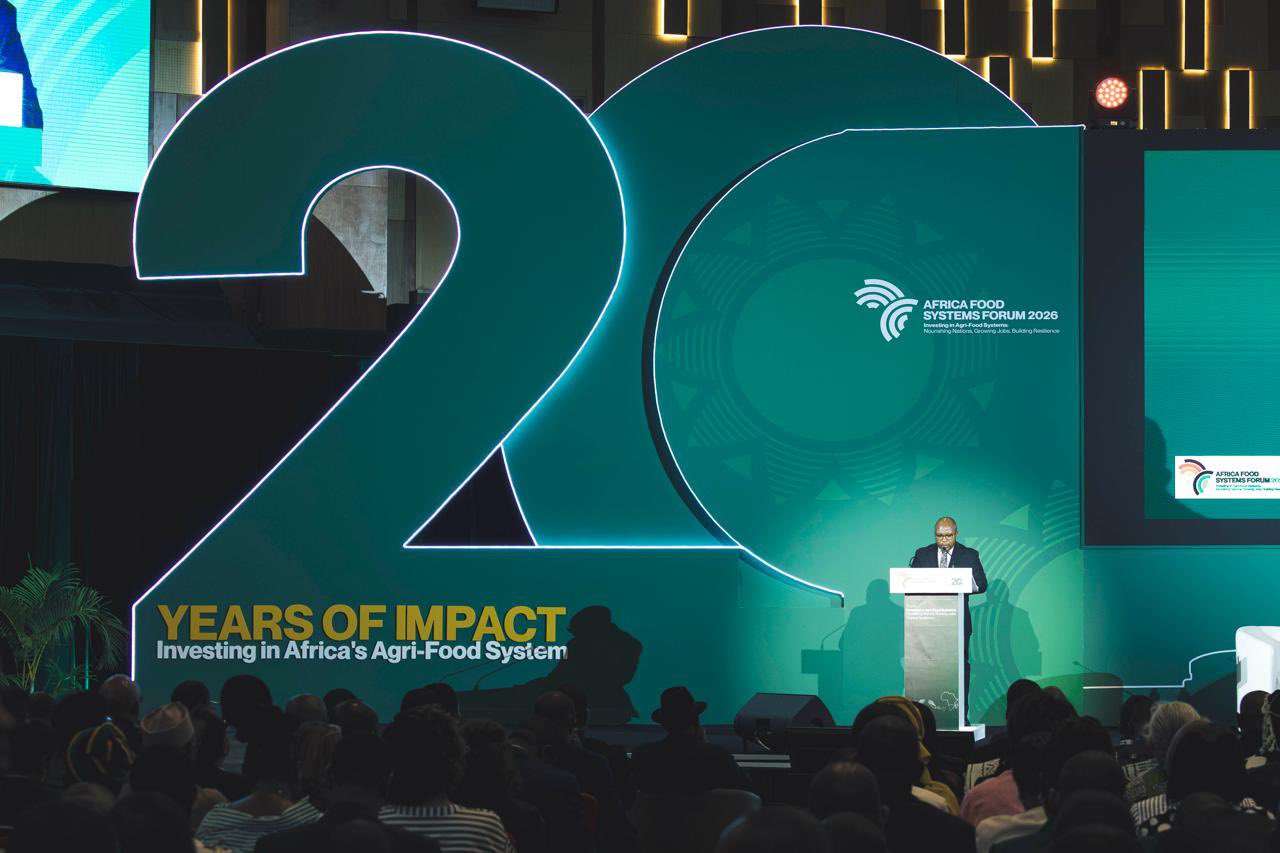
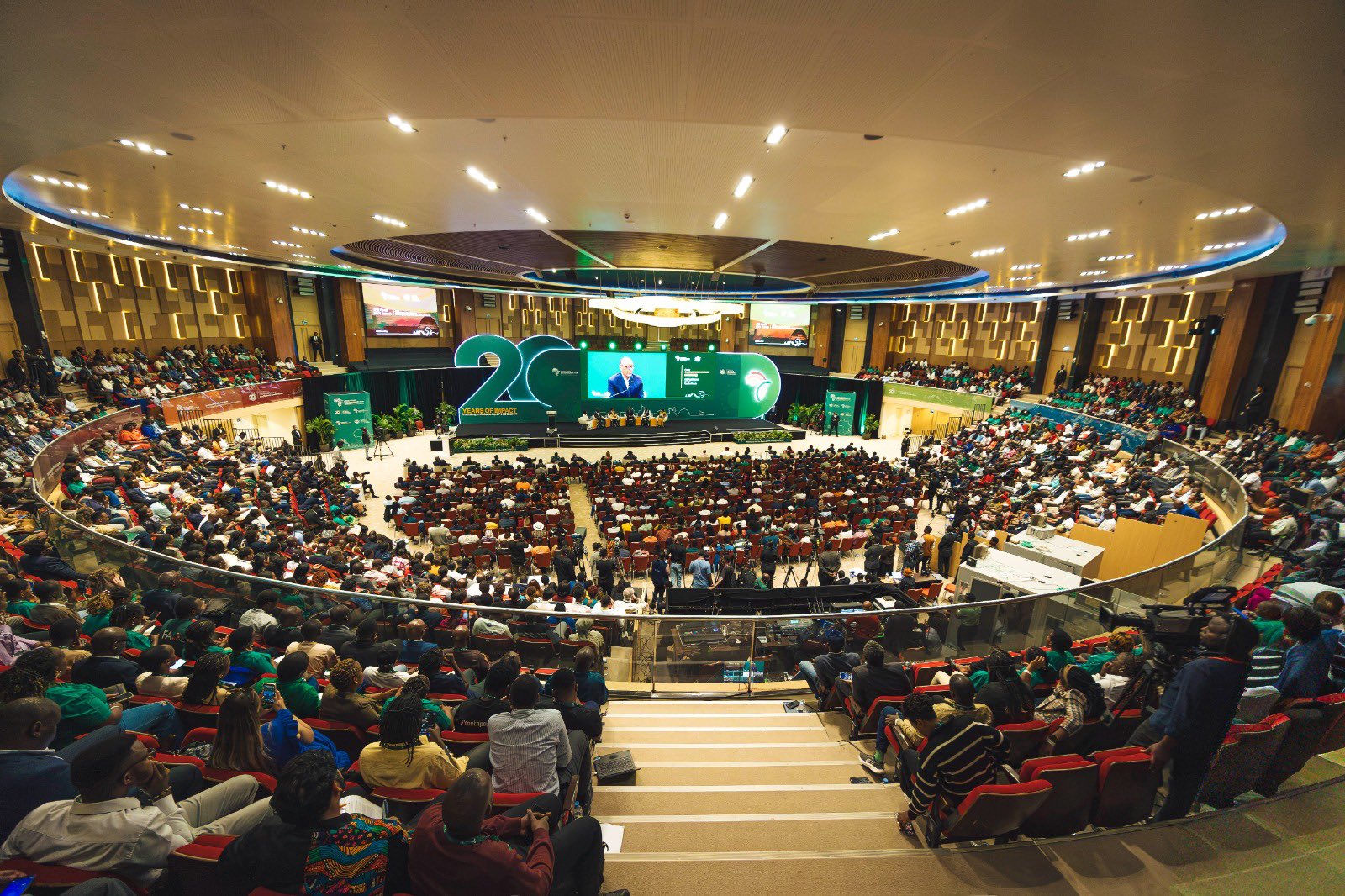 African leaders, policymakers, farmers, investors, entrepreneurs and development partners gather in Kigali for the 20th Africa Food Systems Forum to discuss the future of Africa’s food systems.
 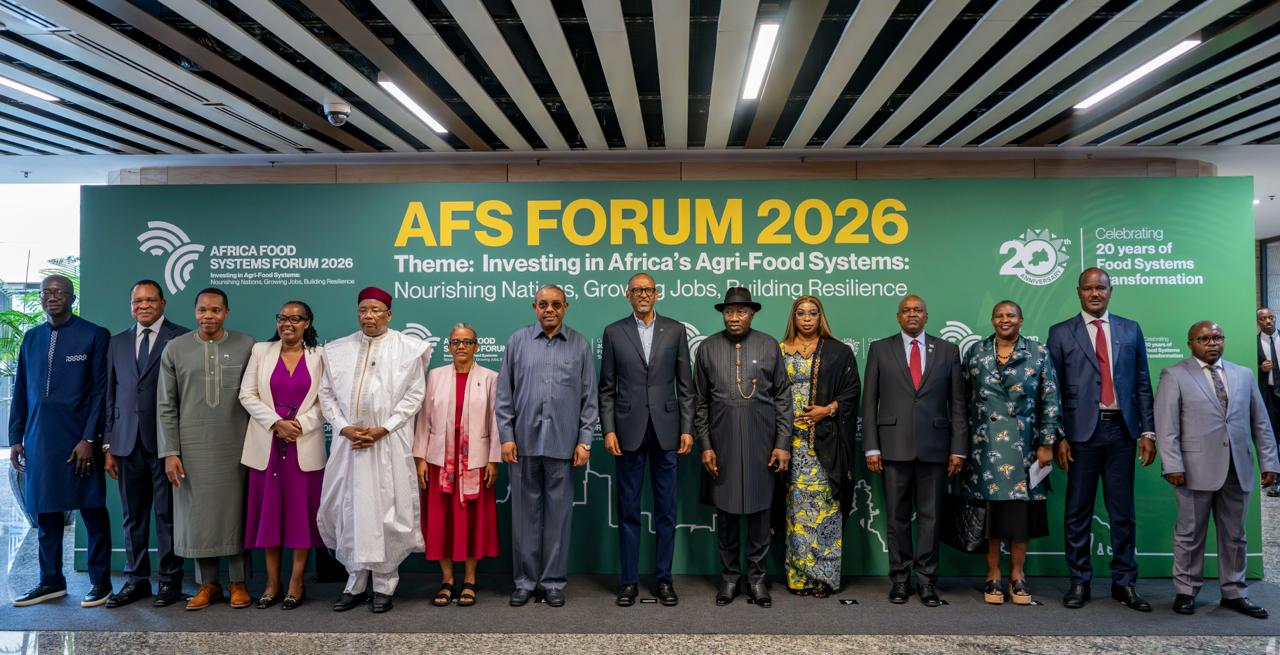 His Excellency Paul Kagame, President of the Republic of Rwanda, poses for a group photo with senior government officials, ministers, presidents and other dignitaries during the Africa Food Systems Forum in Kigali.


Leave a Reply