
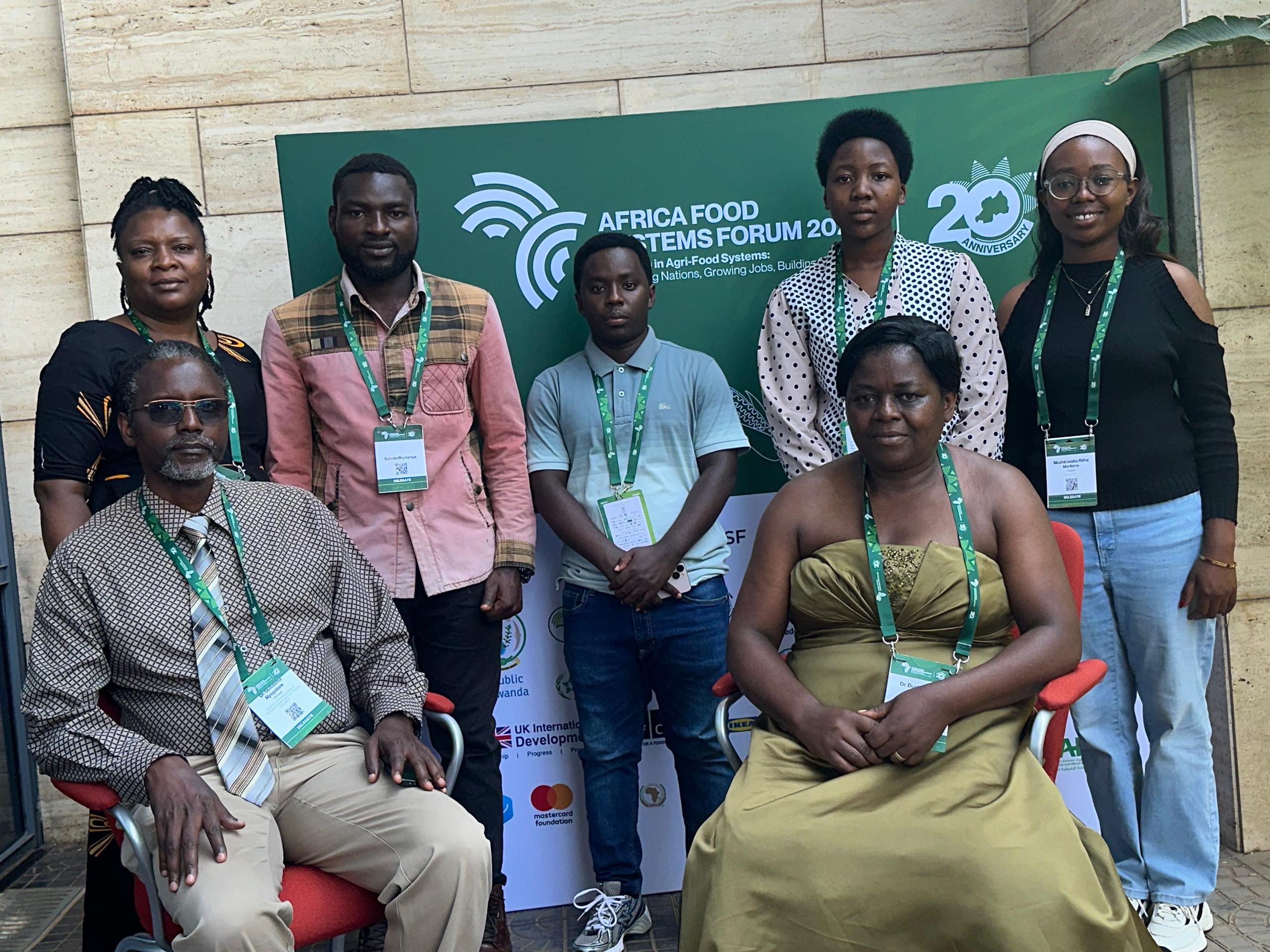
From classroom to food systems: University of Rwanda students seek to turn knowledge into solutions
By Elias HAKIZIMANA.
For students at the University of Rwanda’s College of Agriculture, Forestry and Food Science (CAFFS), attending the Africa Food Systems Forum in Kigali has offered a lesson that cannot be learned from textbooks alone: transforming Africa’s food systems requires knowledge, confidence, networks and the ability to turn ideas into practical solutions.
The students came to the forum not simply as spectators, but as young innovators and aspiring agripreneurs looking to understand how agricultural knowledge can become businesses, jobs and solutions for communities.
Marie Silencieuse, a CAFFS student in Agriculture Economics and Agribusiness, said classroom learning must be complemented by skills that help students interact with the wider world.
“Classroom knowledge alone is not enough. We also need skills such as networking and learning from others,” she said.
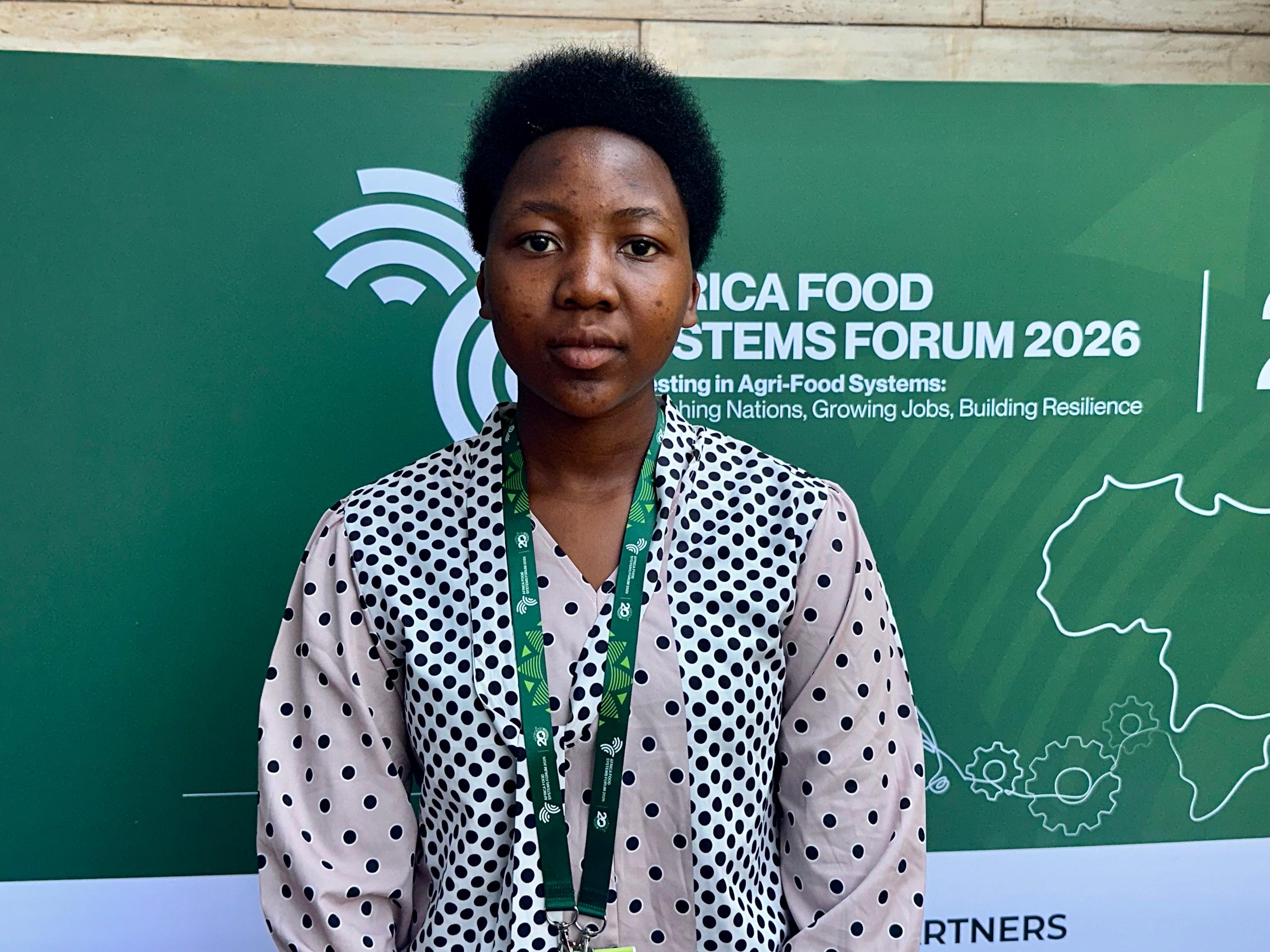
For her, the forum provided an opportunity to learn from experienced people, strengthen business ideas and develop leadership and communication skills that could help her build a career in agribusiness.
Masengesho Emile, a Food Science and Technology student, focused on another critical step: learning how to present ideas to people who can help turn them into businesses.
He said the experience helped him understand how to prepare projects, pitch them and present them to potential investors.
“It is about how we can make a proper pitch and prepare our best project so that we can present it in front of investors and move from the level of an idea to a project,” he said.
Dr. Alphonsine Dushimimana, Director of Career Guidance and Career Guidance Services at CAFFS, said exposing students to international platforms is part of preparing them to become solution creators rather than job seekers.
“We are creating visibility for them, bringing them into this forum so that they can network and connect with others and learn from others,” she said.
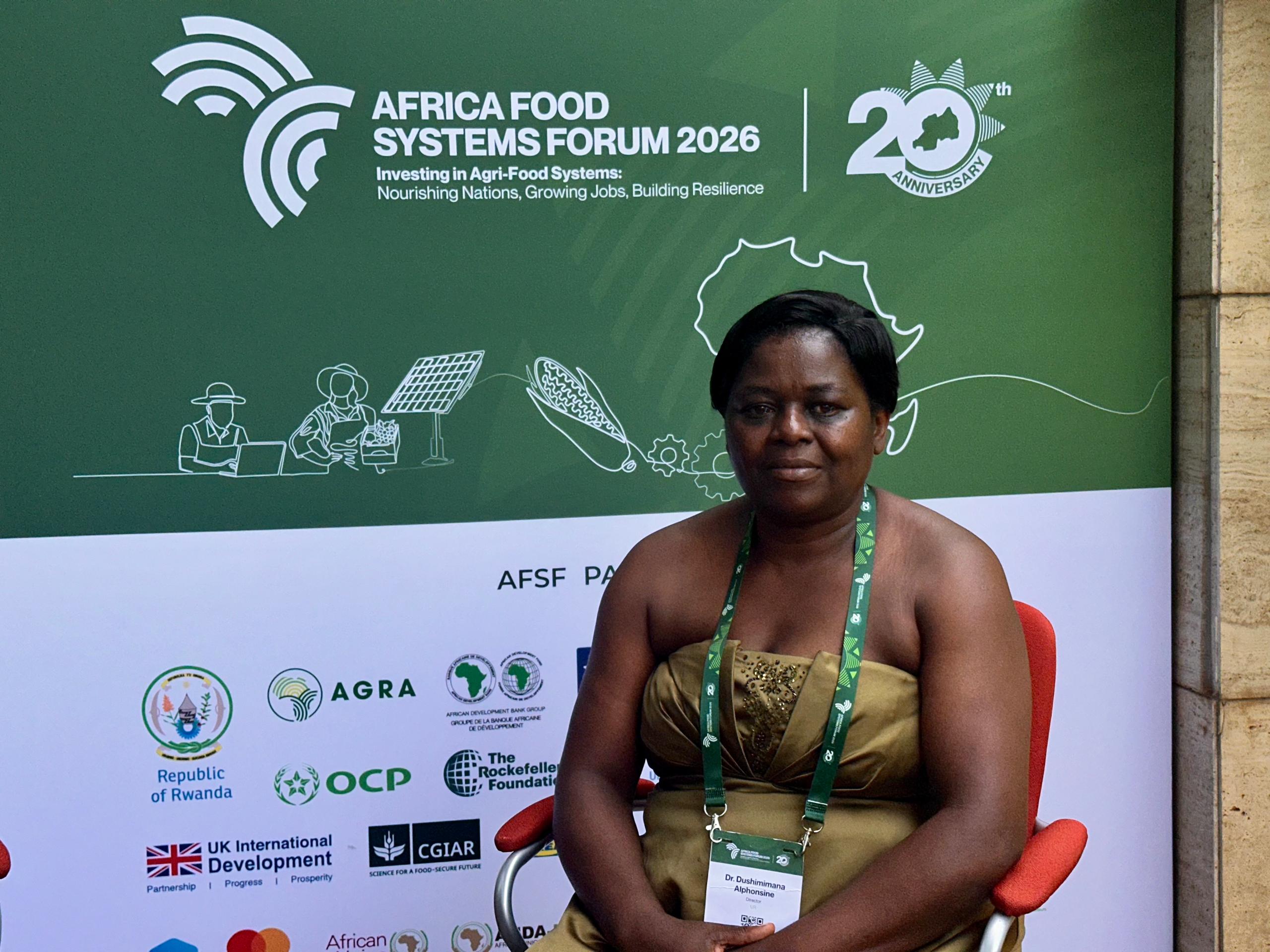
She believes some student ventures can grow into companies and small and medium-sized enterprises capable of providing solutions across Africa.
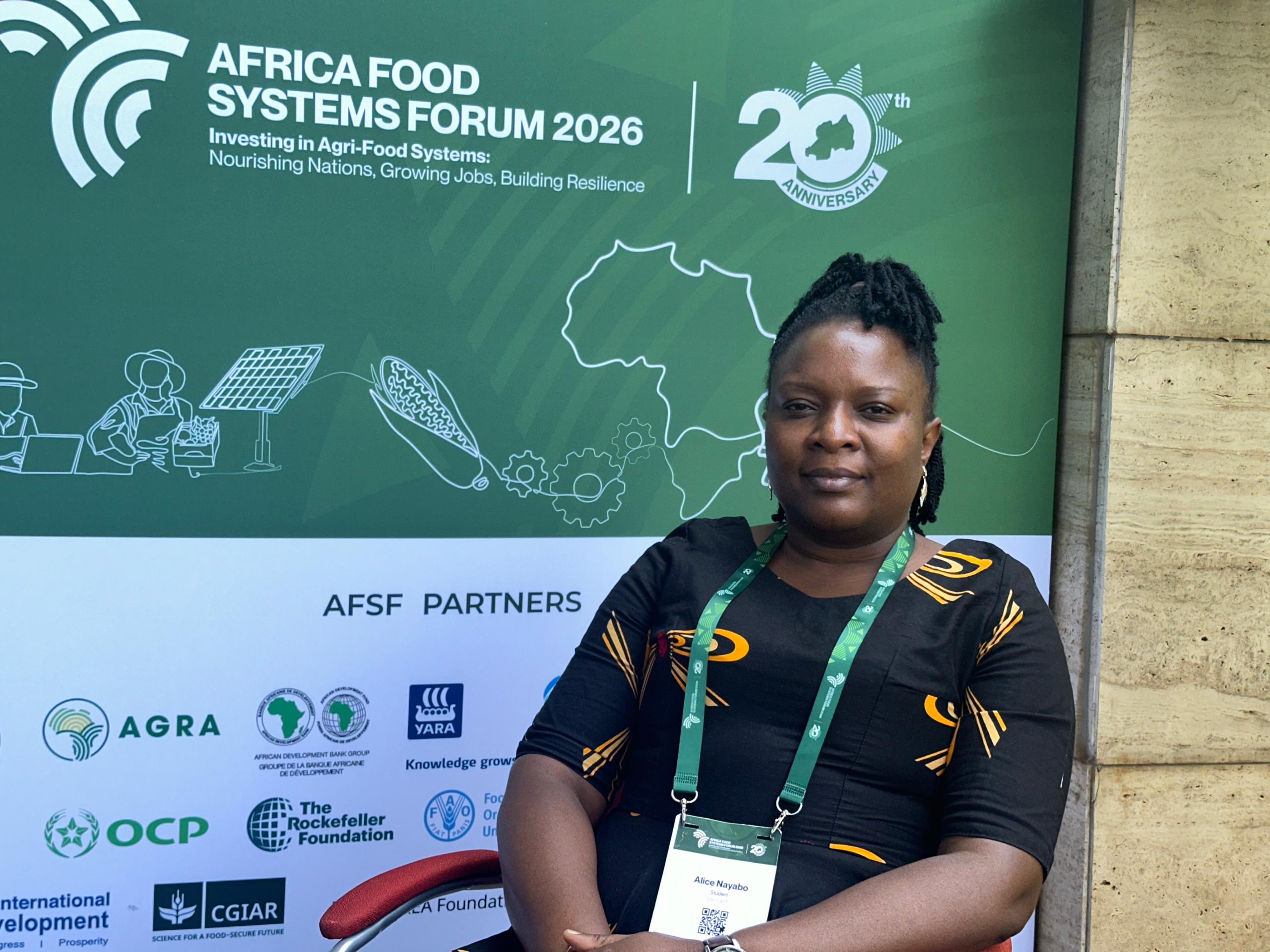
But for Alice Nayabo, an assistant lecturer and mentor at CAFFS, the biggest challenge is ensuring that students move beyond theoretical knowledge.
As a food scientist and technology mentor, she encourages students to test what they learn in practical settings.
“If you cannot cook in your mother’s kitchen, then don’t say that you are a food processor,” Nayabo said, describing the kitchen as the first laboratory for food processors.
She argues that food systems stretch from the field to the kitchen, market and consumer, meaning students must understand not only production but also processing, finance, markets, communication and entrepreneurship.
“From field, kitchen, table to stomach,” she explained.
Nayabo also wants students to become better communicators of their own work, arguing that scientists and agricultural professionals need to explain their ideas to the public, document their work and engage beyond academic circles.
The ambition extends beyond individual students.
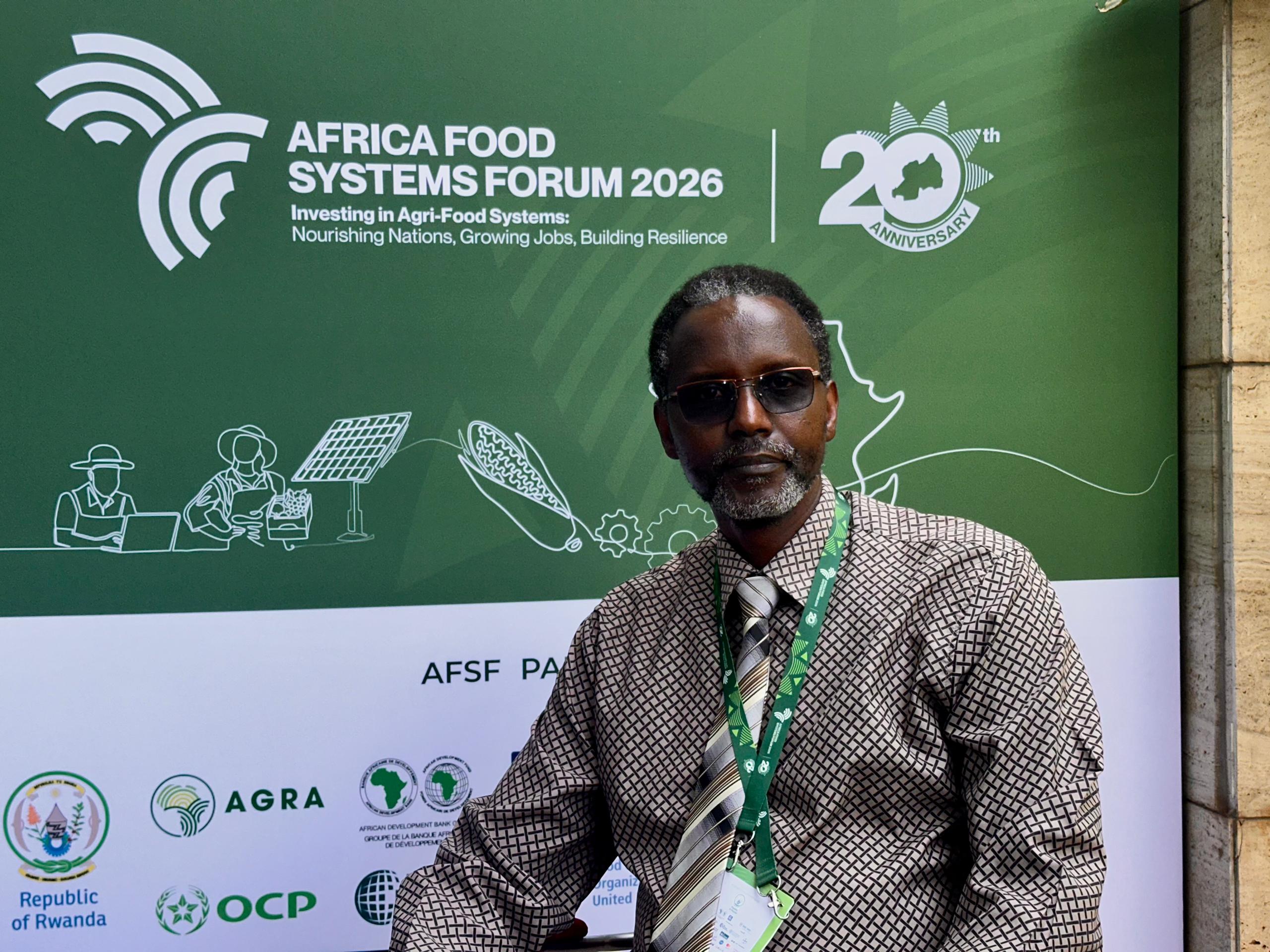
Dr. Guillaume Nyagatare, Principal of CAFFS, said the college has about 4,000 students across three schools and is seeking to strengthen its contribution to Rwanda’s food security through research, knowledge transfer and training.
He said Rwanda cannot simply copy agricultural models from countries with abundant land because the country’s circumstances are different, including small farms and high population density.
“We are trying to transform our agricultural landscape from subsistence agriculture to a knowledge-based and commercial agriculture,” Nyagatare said.
He added that the college is also looking for stronger support for research and postgraduate education, where funding remains a major challenge.
For final-year student Sylvain Niyitanga, the experience has reinforced his belief that young agricultural professionals can contribute to a more productive future for Rwanda and Africa.
“Rwanda will get food. We’ll get food, jobs and money from this effort,” he said.
The message emerging from the CAFFS delegation is clear: Africa’s food-system transformation will require more than producing graduates. It will require young people who can take knowledge out of classrooms, connect with others, build enterprises and apply science to real problems.
For these students, the journey from classroom knowledge to practical food-system solutions has already begun.
theinspirerpublications@gmail.com
Related photos:
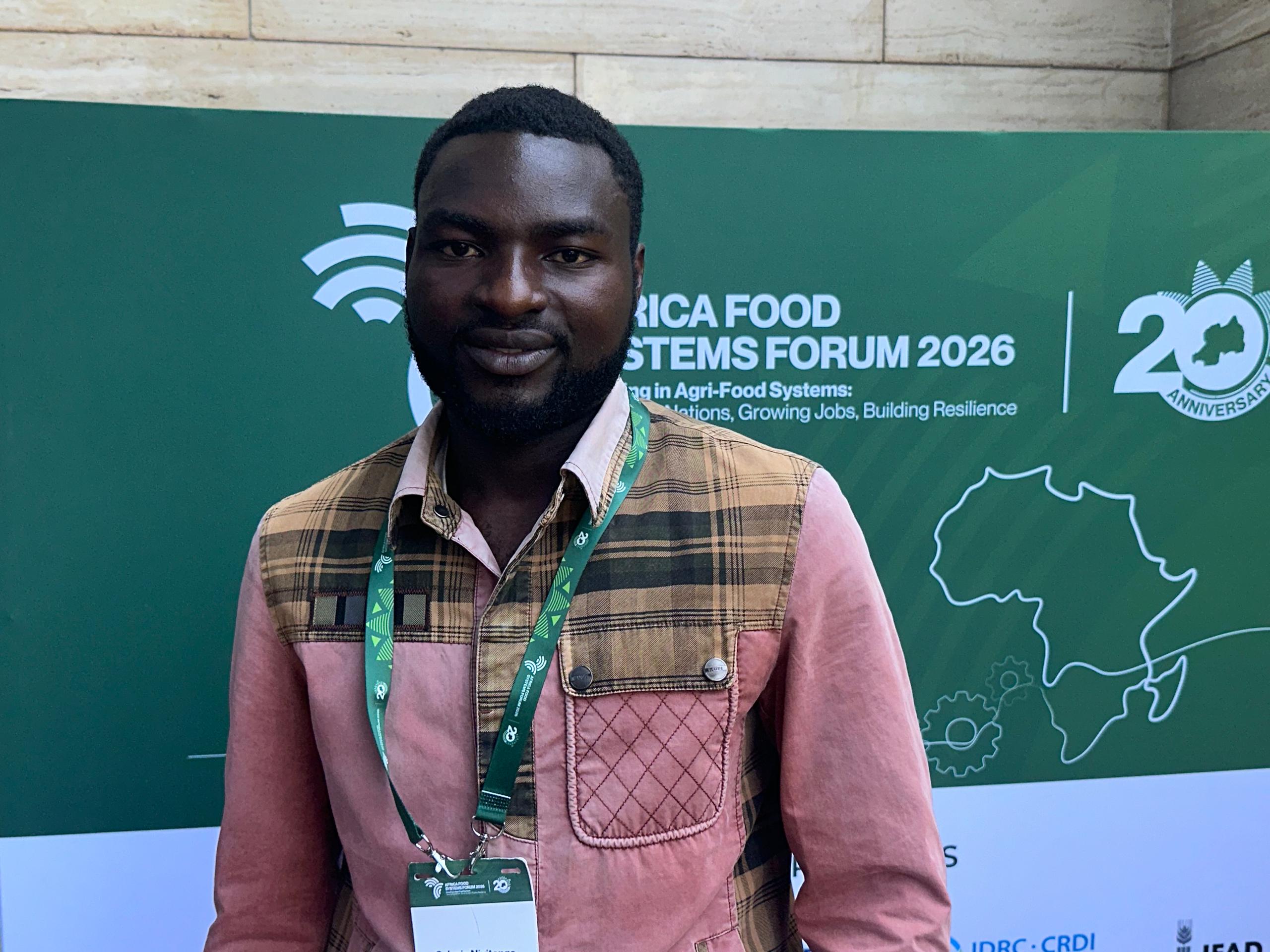 Sylvain Niyitanga, a final-year student at the University of Rwanda’s College of Agriculture, Forestry and Food Science (CAFFS), speaks during an interview about the role of young agricultural professionals in transforming Rwanda’s food systems.
 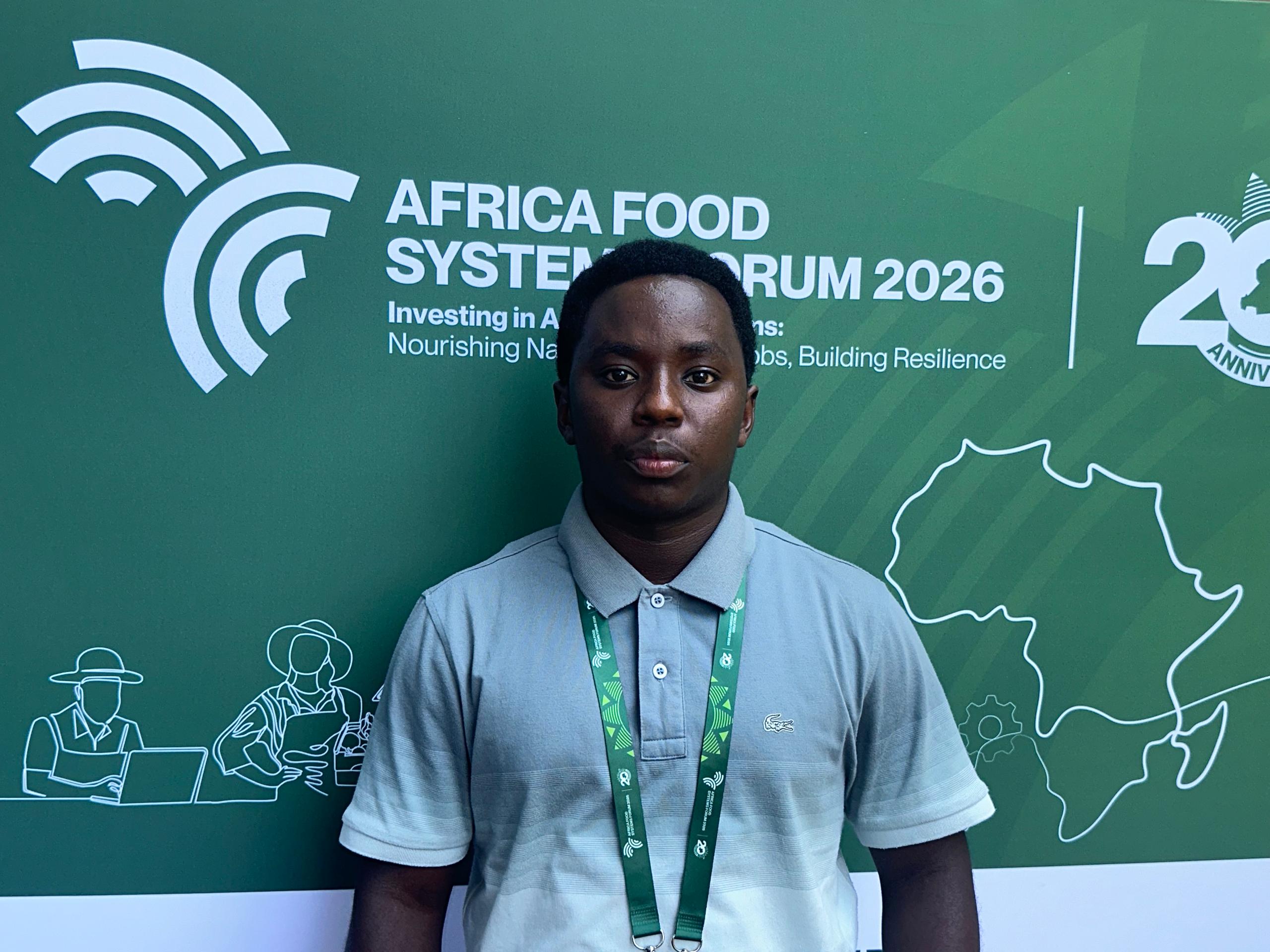 Masengesho Emile, a University of Rwanda CAFFS student studying Food Science and Technology, speaks during an interview about developing projects, pitching ideas and connecting with potential investors.


Leave a Reply