
African universities are going digital — but are they transforming learning?
By Elias Hakizimana.
African universities are rapidly adopting e-learning platforms, digital technologies and artificial intelligence, but technology alone does not guarantee better education.
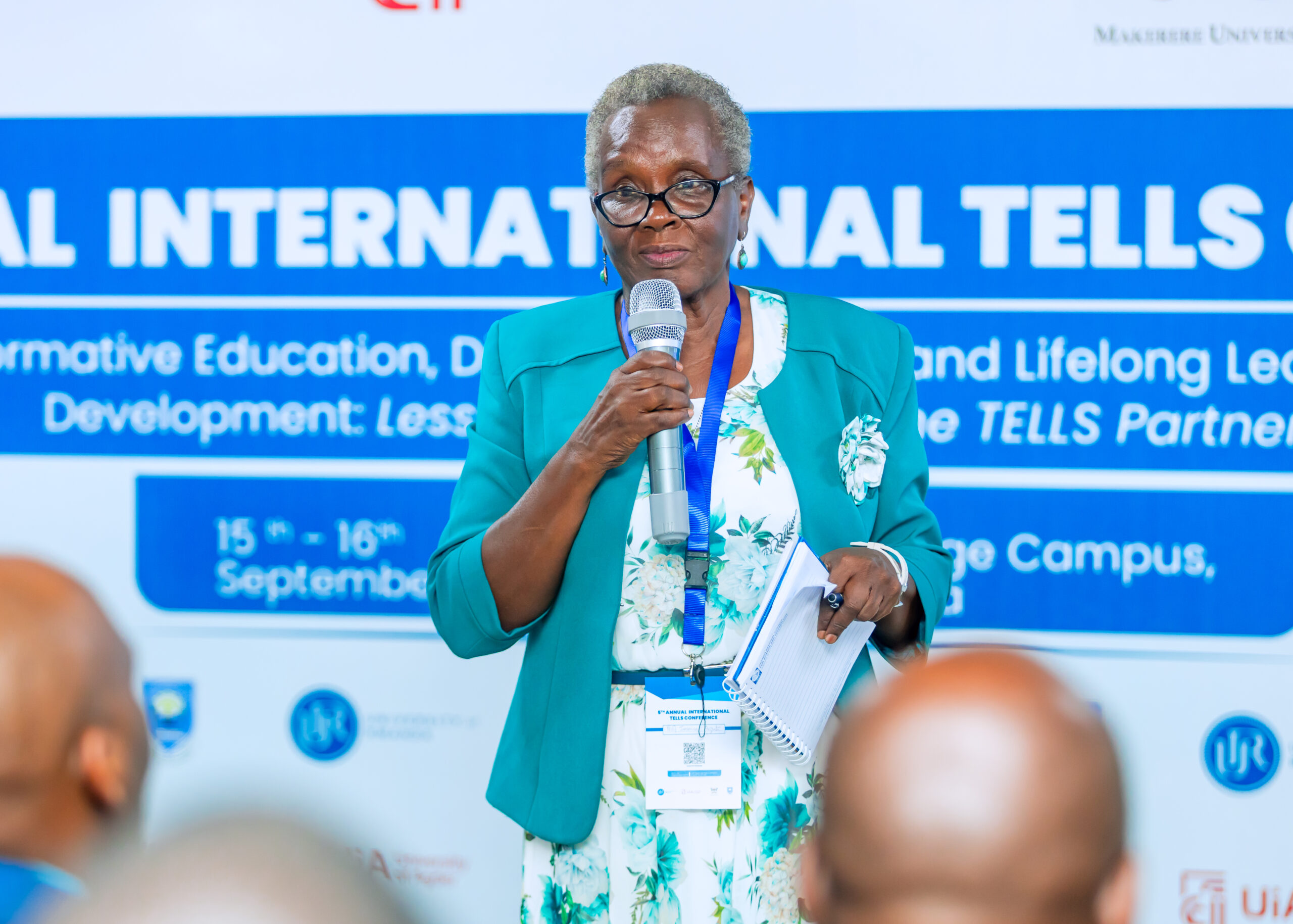
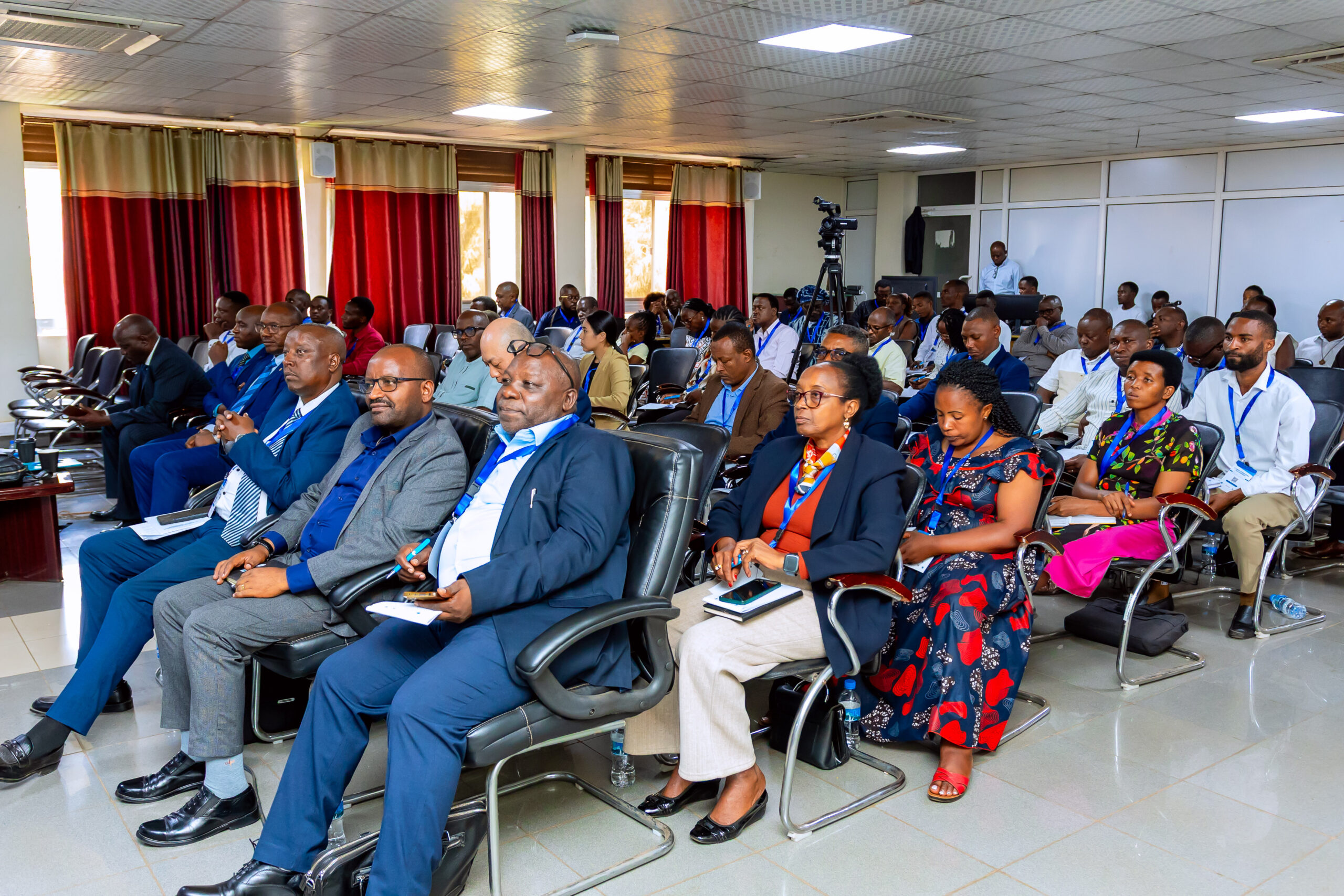
That was a key message from Prof. Jessica Norah Aguti during the 5th TELLS International Conference held at the University of Rwanda’s Nyarugenge Campus on 15–16 September.
Speaking on “The Paradox of Transformative eLearning in Changing Times,” Aguti argued that many institutions risk confusing digitisation with genuine educational transformation.
Her concern is that universities may simply take traditional teaching methods and move them online — recording lectures, uploading PDF notes or conducting one-way Zoom classes — without changing how students learn.
“If we allow technology to drive us, then we will miss out on education,” she said.
For Aguti, the starting point should be education itself: what students need to learn, the skills they need to develop and how technology can support those goals.
She said learning management systems and other digital platforms already provide opportunities for discussion, collaboration, creativity and problem-solving, but institutions do not always use those capabilities.
Instead, students may remain focused on recalling and understanding information, with fewer opportunities to develop higher-order skills such as critical thinking, synthesis, problem-solving and creation.
“Technology alone does not necessarily create digital transformation,” she said.
The skills gap
The challenge is particularly important as Africa’s labour markets change.
Aguti said employers increasingly expect graduates to bring more than academic qualifications. Creativity, adaptability, innovation and the ability to solve problems are becoming increasingly important.
She described the danger of producing what she called “broiler children” — young people who have been protected and guided throughout their education but have not developed enough independence to navigate difficult situations.
“The marketplace does not want broiler men,” she said. “The marketplace wants people that are vibrant, people that are creative.”
She also highlighted qualification and skills mismatches, noting that some highly educated people end up doing jobs below their qualification level.
Digital access remains unequal
Digital transformation also faces a basic infrastructure challenge.
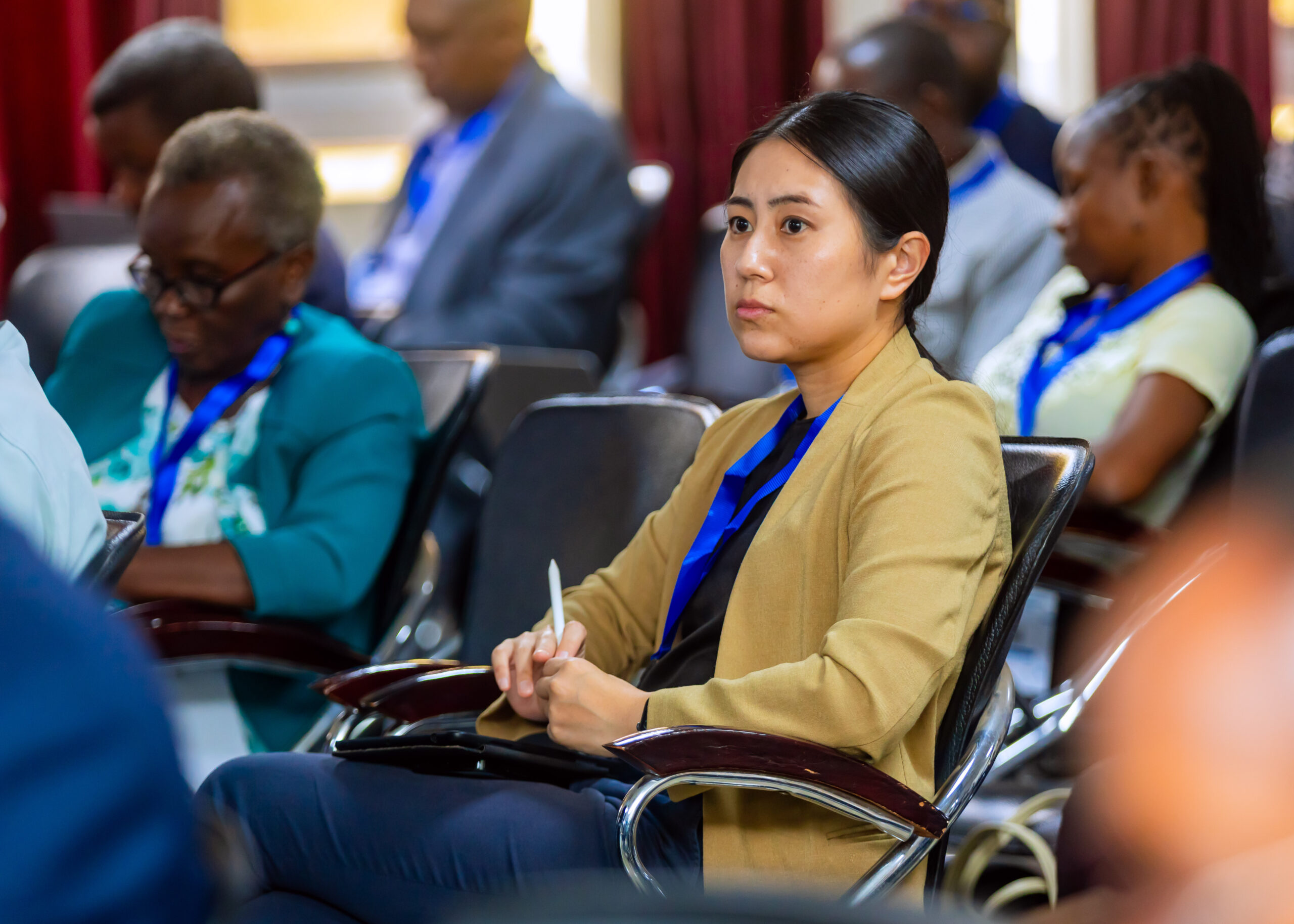
Aguti described a rural university campus where mobile connectivity was inadequate for meaningful digital learning, despite students and staff having access to mobile data.
She argued that digital readiness must be addressed at national, institutional, staff and student levels.
Students also arrive at universities with very different educational and socioeconomic backgrounds. Some have grown up surrounded by books, computers and other learning resources, while others enter higher education with major gaps in literacy and technology access.
Without addressing those differences, digital technology could reproduce or even deepen existing inequalities.
Beyond TELLS
The conference also raised questions about what happens after the TELLS project ends in December 2026.
Dr. Mathias Nduwingoma, TELLS Project Manager at the University of Rwanda, said the partnership’s value should not be measured only by activities, publications or conferences, but by the institutional capacity, knowledge, innovations and partnerships that remain.
For African universities, the next challenge may therefore be moving from technology adoption to meaningful transformation.
The real measure of digital education will not simply be how many universities have online platforms or AI tools, but whether those technologies help students think more critically, solve problems, create, collaborate and prepare for an increasingly changing world.

theinspirerpublications@gmail.com




Leave a Reply