
Africa’s education future: AI must transform lives, not just classrooms
By Elias Hakizimana.
For a university lecturer preparing an online course, a student trying to learn beyond the classroom, or a professional seeking new skills in a changing job market, digital technology is no longer a distant promise. It is becoming part of everyday learning.
But as artificial intelligence (AI) and digital technologies reshape education, African universities face a crucial question: Are they simply adopting technology, or are they using it to transform people’s lives?
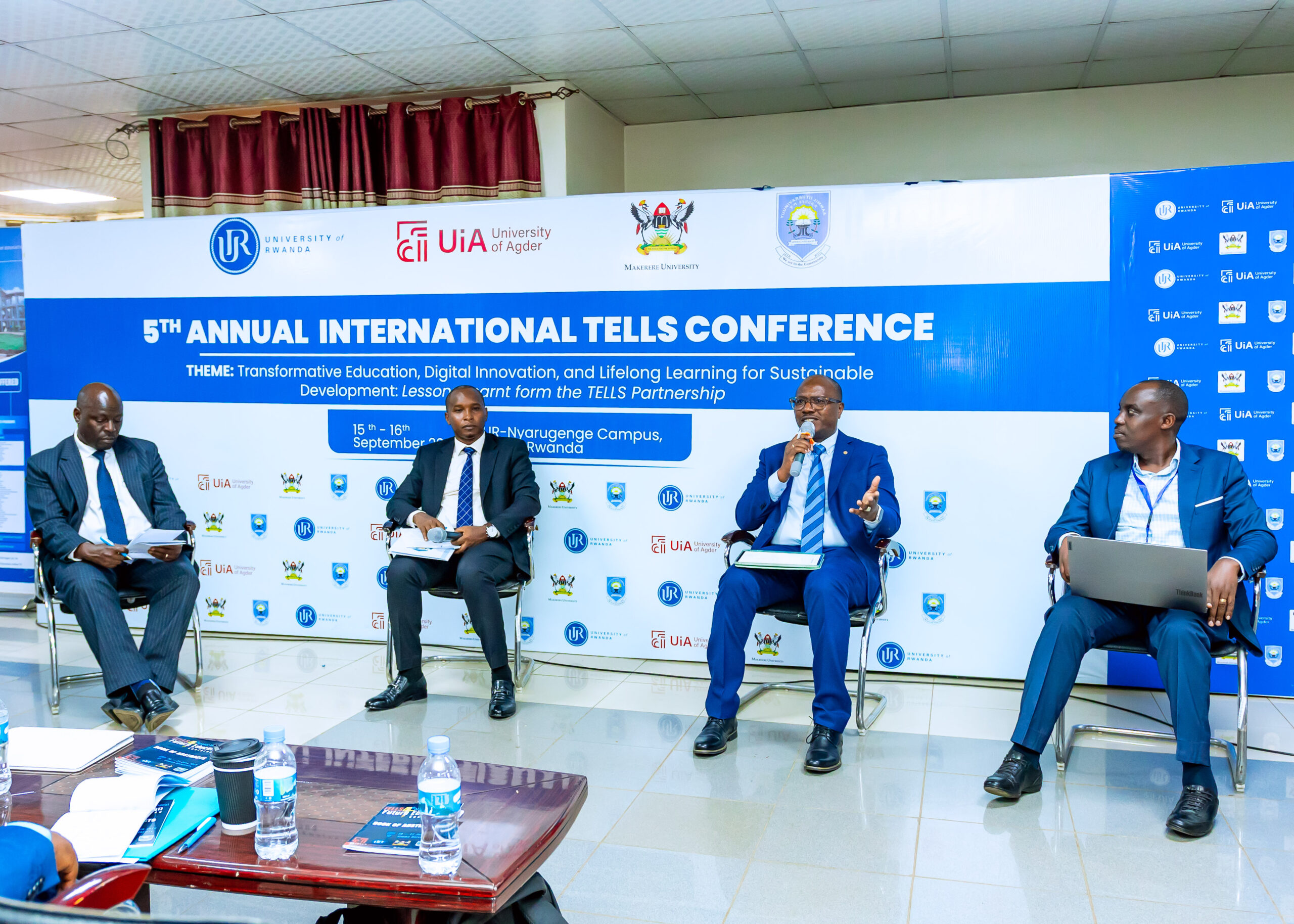
That question was at the heart of discussions at the 5th Annual International TELLS Conference, held in Kigali under the theme “Transformative Education, Digital Innovation, and Lifelong Learning for Sustainable Development: Lessons Learnt from the TELLS Partnership.”
TELLS, short for Transformative Higher Education and Lifelong Learning for Sustainable Growth, is a five-year higher education and research partnership supported by the Norwegian Agency for Development Cooperation (NORAD) through the Norwegian Programme for Capacity Development in Higher Education and Research for Development (NORHED II).
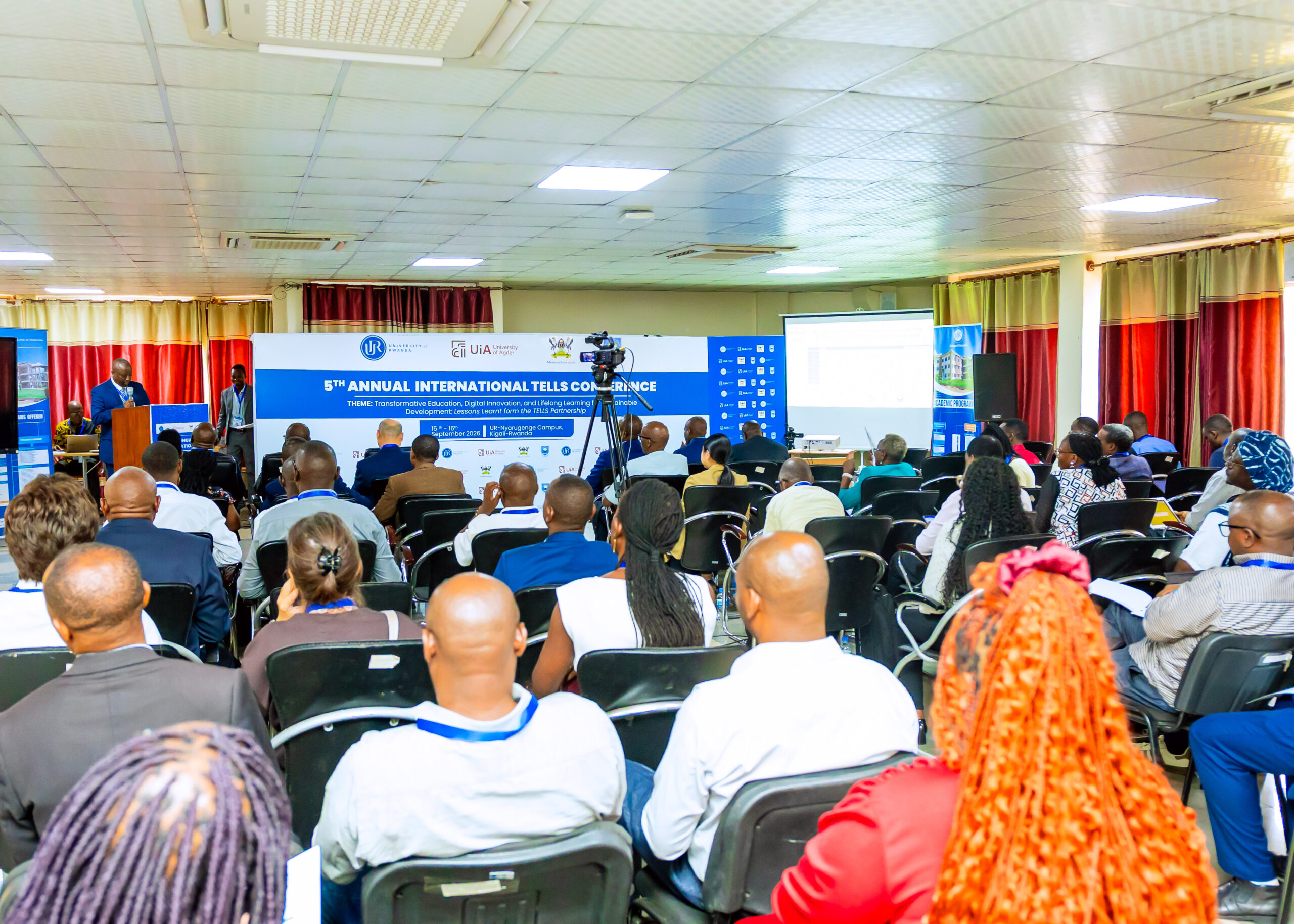
Running from 2021 to 2026, the project brings together the University of Agder in Norway, Makerere University in Uganda, Jimma University in Ethiopia and the University of Rwanda. The partnership was established to strengthen postgraduate education and research capacity, advance digital pedagogy and educational innovation, promote lifelong learning, and strengthen collaboration among higher education institutions for sustainable development.
The 5th TELLS International Conference, held on 15–16 September 2026 at the University of Rwanda’s Nyarugenge Campus, marked an important moment for the partnership as its endline conference, bringing together researchers, academics, postgraduate students, policymakers and education practitioners from Rwanda, Norway, Uganda, Ethiopia and beyond.
During a high-level panel discussion on “Digital Transformation, AI and Lifelong Learning: The Future of Education in Africa and Beyond,” academics and policymakers explored what it will take to make digital education inclusive, sustainable and relevant to Africa’s needs.
People before platforms
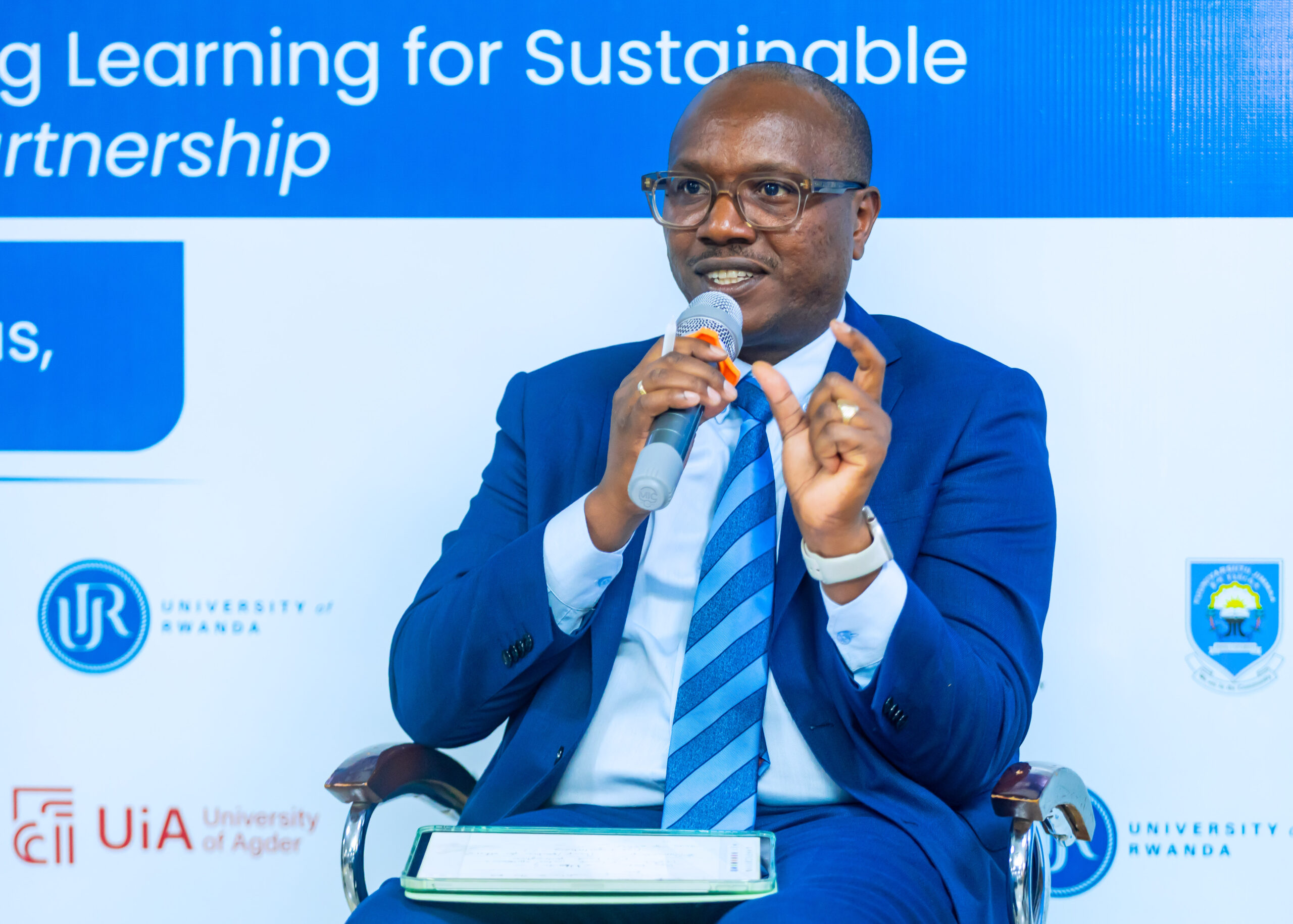
Drawing on Makerere University’s experience in open, distance and e-learning, Prof. Birevu argued that successful digital transformation begins with people.
One of the most important ingredients, he said, is mentorship — having educators who believe in new approaches and can help others adopt them.
“You must have people who believe in this particular teaching and learning methodology,” he said.
Birevu also placed institutional leadership at the centre of transformation. Universities need leaders who are prepared to invest in infrastructure, support innovation and build partnerships that bring additional expertise and resources.
He pointed to Makerere’s experience, where partnerships and externally supported initiatives have helped advance digital learning.
But having resources is only part of the equation.
Prof. Isabwe challenged educators to ask whether they are actually making use of the digital tools already available to them.
He noted that institutions in Rwanda have access to platforms and services that can support teaching, collaboration and content creation, yet many educators do not fully use them.
“The platforms are there, but do we use them?” was the challenge running through his contribution.
For teachers, this means moving beyond simply uploading lecture notes to a digital platform. It means designing learning experiences that are interactive, accessible and centred on students.
AI: Opportunity with responsibility
As AI becomes increasingly embedded in education, Dr. Olivier Habimana serves as the Head of Department for Digitalization and Research at Rwanda’s Higher Education Council (HEC), said Africa’s challenge is not necessarily a lack of policy.
Rwanda and regional institutions have already begun developing frameworks to guide the use of AI in education. The bigger challenge, he argued, is ensuring that universities translate these frameworks into action.
AI can support teaching, research and innovation, but it also raises concerns about academic integrity, bias, privacy and overdependence on technology.
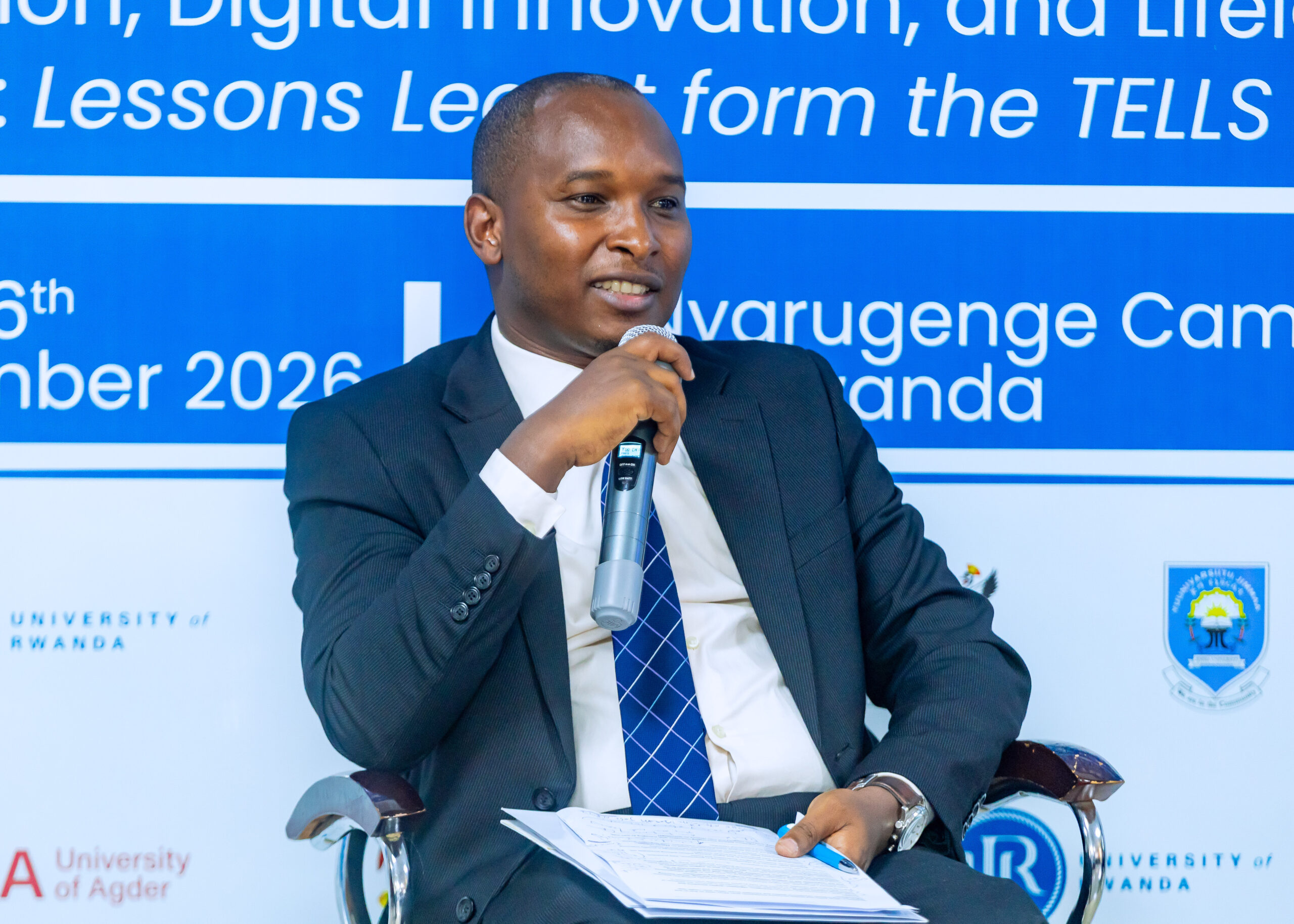
Habimana warned that students should not allow AI to replace their own thinking.
The goal, he stressed, should not be to tell students simply not to use AI, but to teach them how to use it responsibly.
He also cautioned against feeding sensitive personal or research data into AI tools without understanding the implications for privacy and data protection.
For universities, this means AI literacy must become part of lifelong learning — not only for students, but also for lecturers, administrators and researchers.
Africa must shape its own digital future
The panel also examined lessons Africa can draw from countries such as Norway.
While international collaboration can provide valuable knowledge and experience, the speakers emphasized that African institutions should not simply import foreign models.
Africa has its own educational realities, challenges and opportunities.
Digital transformation must therefore respond to local contexts — including differences in infrastructure, access, language, teaching practices and the needs of diverse learners.
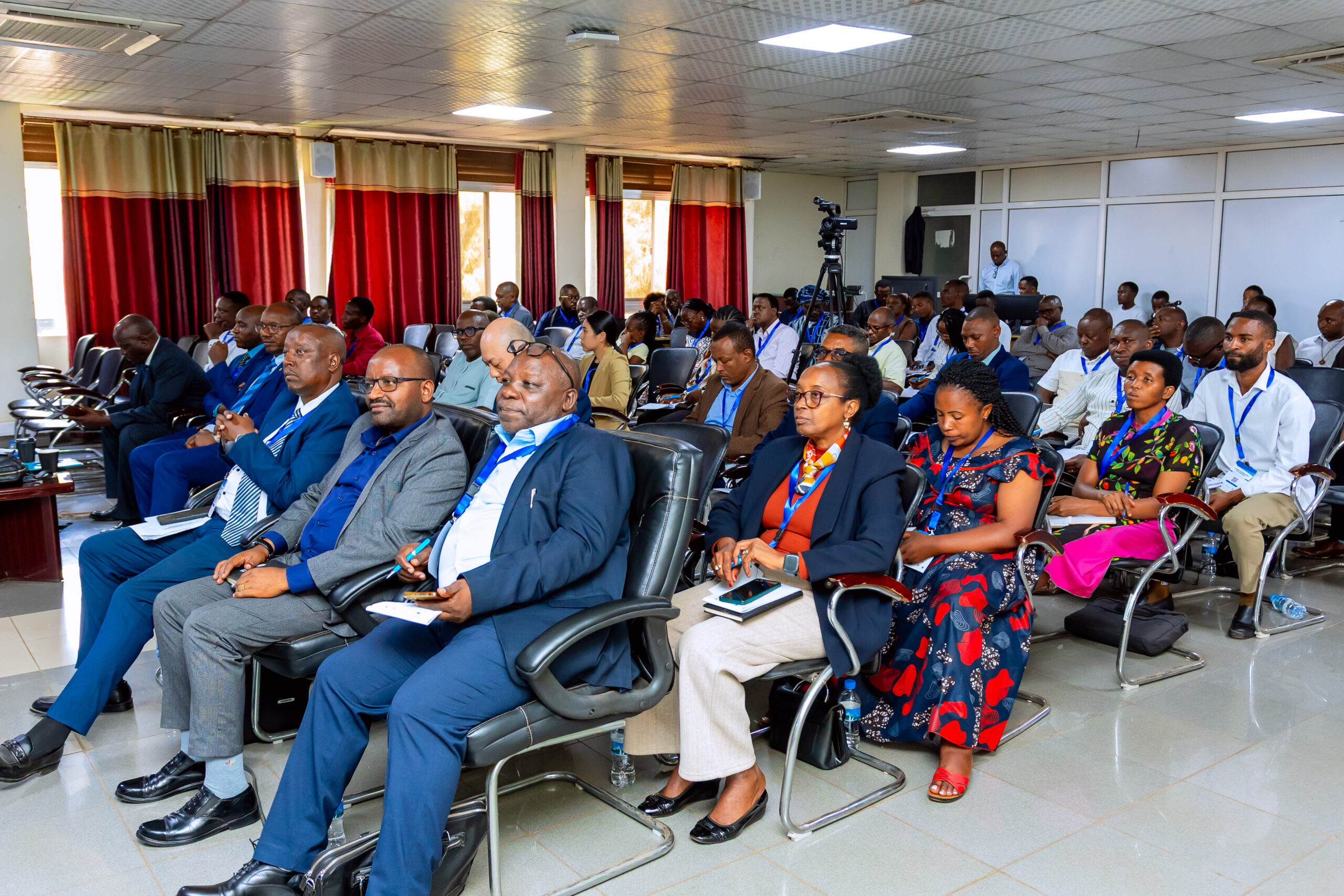
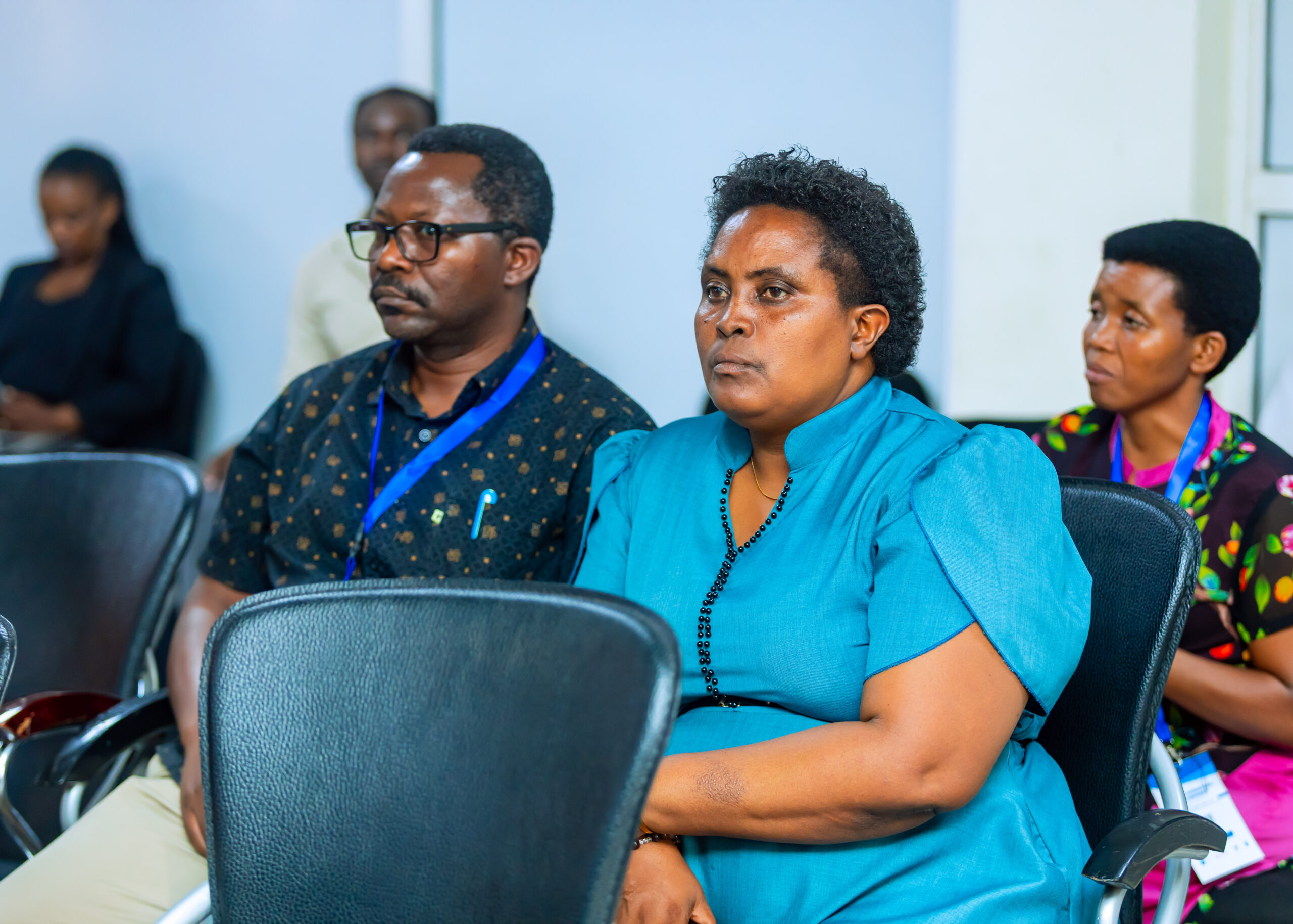 Participants following discussions.
The discussion ultimately returned to the people at the heart of education.
A university may have sophisticated technology, but transformation means little if teachers are not supported, students are excluded, or communities cannot benefit from lifelong learning opportunities.
The message from the TELLS panel was therefore both ambitious and practical: Africa’s education future will not be determined by technology alone.
It will depend on people who are willing to learn, adapt, mentor others and use technology responsibly.
As AI continues to change how knowledge is created and shared, the real measure of digital transformation may not be how advanced a university’s technology becomes, but how effectively that technology helps people learn, work and build better lives.
theinspirerpublications@gmail.com





Leave a Reply