
CGIAR urges investment and stronger partnerships to scale agricultural innovations across Africa
By Elias HAKIZIMANA.
The Consultative Group for International Agricultural Research (CGIAR) has urged governments, financial institutions and private-sector players to increase investment and strengthen partnerships to move agricultural research and innovations from pilot projects into widespread use by farmers across Africa.
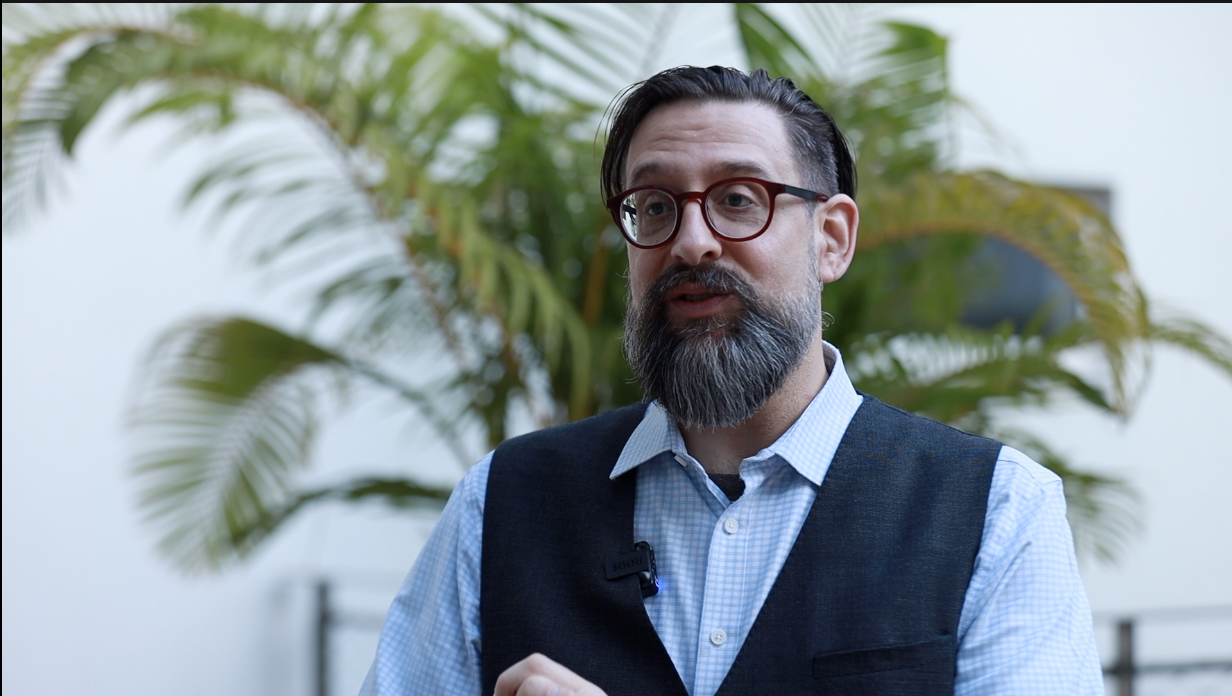
Dr. Timothy J. Krupnik, Director of CGIAR’s Scaling for Impact Program, made the call while speaking to the media on Wednesday, September 2, 2026, on the sidelines of the Africa Food Systems Forum (AFS Forum) 2026 in Kigali.
Krupnik said Africa faces an urgent need to improve farm productivity, create jobs, particularly for young people, and build food systems capable of withstanding climate and economic shocks.
“It’s necessary to improve farm productivity. It’s necessary to ensure increased jobs, particularly for youth. It’s necessary to ensure climate resilience,” he said.
CGIAR is the world’s largest publicly funded network of international agricultural research institutions, working across more than 80 countries. Krupnik said sub-Saharan Africa remains a key area of focus, with the organisation working closely with national agricultural research systems to develop agricultural innovations.
These include improved plant varieties and seeds, mechanisation, agronomy and other technologies aimed at improving agricultural productivity.
However, Krupnik said producing innovations is only the first step, warning that research has limited value if technologies fail to reach the people who need them.
“If the innovations that are developed stay on the shelf, if they are not moved into use at scale, then they really don’t have actually that much value,” he said.
Beyond the farm
Krupnik said transforming Africa’s food systems requires more than helping farmers increase production. It also requires strengthening the entire value chain so that farmers can access markets and connect with consumers.
“In an effort to transform food systems, it’s not just about working on farm and assisting farmers. It also means that you have to work the whole way through a value chain,” he said.
CGIAR, he added, generates research and evidence to inform government policies and markets while working with the private sector to accelerate the adoption of agricultural innovations.
He said this approach is central to CGIAR’s role in food-system transformation, particularly through partnerships that connect scientific research with investment, policy and commercial opportunities.
Financing remains critical
Krupnik said attracting investment to Africa is essential because agricultural transformation cannot happen without adequate financing.
“Without funding, without money, without investment, none of this transformation can actually happen,” he said.
CGIAR works with multilateral development banks, including the African Development Bank, to integrate agricultural technologies and innovations into large development investments.
Krupnik highlighted the Technologies for African Agricultural Transformation programme, which works within CGIAR’s scaling efforts and contributes to the design of investments that can bring agricultural technologies into different farming systems, markets and agroecological zones.
But he said investment efforts must also reach smaller-scale financial institutions and farmers.
CGIAR works with banks at village, district and other local levels to help them better understand and manage the risks associated with agricultural investments.
The organisation also works to improve access to finance for agricultural input dealers and farmers, including those seeking to invest in mechanisation.
Krupnik said combining scientific evidence with financial-sector engagement can help reduce perceived risks and encourage more lending to agriculture.
Rwanda example
Rwanda was highlighted as an example of how research and scaling strategies can contribute to agricultural programmes reaching farmers at national level.
Krupnik said CGIAR has investments of about $8.5 million in Rwanda in 2026, supporting research, technology and partnerships with potential for large-scale impact.
He pointed to the country’s fertiliser distribution system as an example of how evidence and scaling strategies can contribute to policy and implementation.
According to Krupnik, CGIAR contributed to a scaling strategy that helped influence a digital system through which about 2.5 million farmers are registered for improved access to fertiliser.
He said the approach also contributed to the deployment of more than 131,800 tonnes of fertiliser.
Krupnik said such results demonstrate the importance of connecting scientists with policymakers and other partners instead of leaving innovations within research institutions.
Moving beyond pilot projects
Krupnik said CGIAR’s Scaling for Impact Program was established to help researchers ensure that promising innovations move beyond research and pilot stages.
The programme works with scientists to develop business models, scaling strategies and partnerships, while also helping innovations access financing and reach farmers.
“It starts with how we prioritize research, how we choose to implement the funding and activities that we have,” Krupnik said.
He stressed that producing scientific papers and evidence alone is not sufficient to deliver impact.
The focus, he said, must be on identifying innovations with the greatest potential, building the partnerships required to deploy them and developing the financing and business models needed for adoption.
For Africa, Krupnik said, the challenge is therefore not only generating more agricultural innovations but ensuring that existing solutions reach the last mile.
He said closer collaboration among researchers, governments, financial institutions, businesses and farmers will be critical to improving productivity, incomes, employment and access to nutritious food across the continent.
theinspirerpublications@gmail.com




Leave a Reply