
Women’s unequal access to resources threatens Africa’s food systems growth
By Elias HAKIZIMANA.
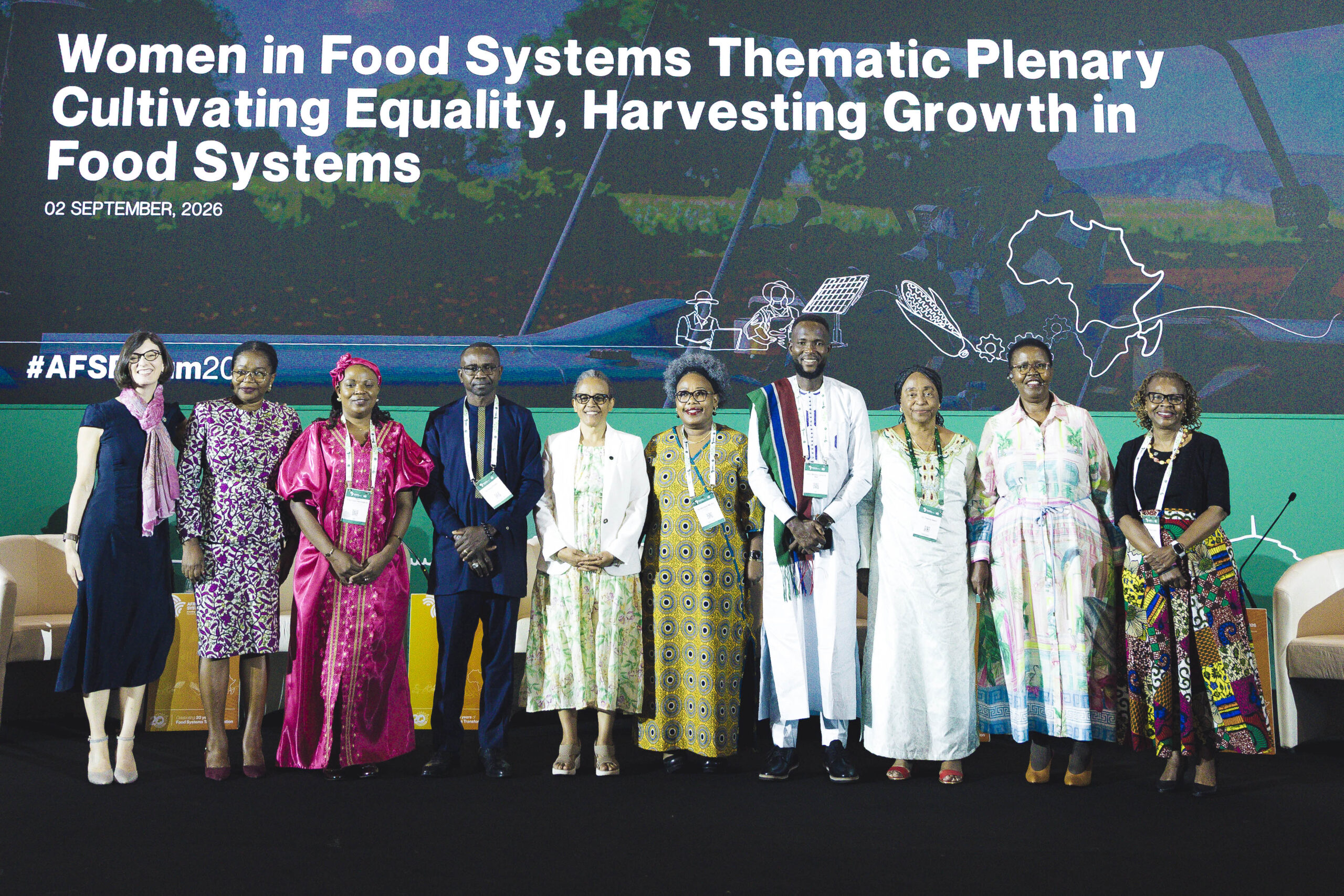
Women’s contribution to Africa’s food systems is extensive, but persistent inequalities in access to land, finance, technology, decent employment and decision-making are limiting the continent’s ability to unlock inclusive growth, experts said during a session at the Africa Food Systems Forum 2026 in Kigali.
The session examined the role of women across agrifood systems, the structural barriers they face and the policy and financial measures needed to enable them to benefit more fully from the work they already perform.
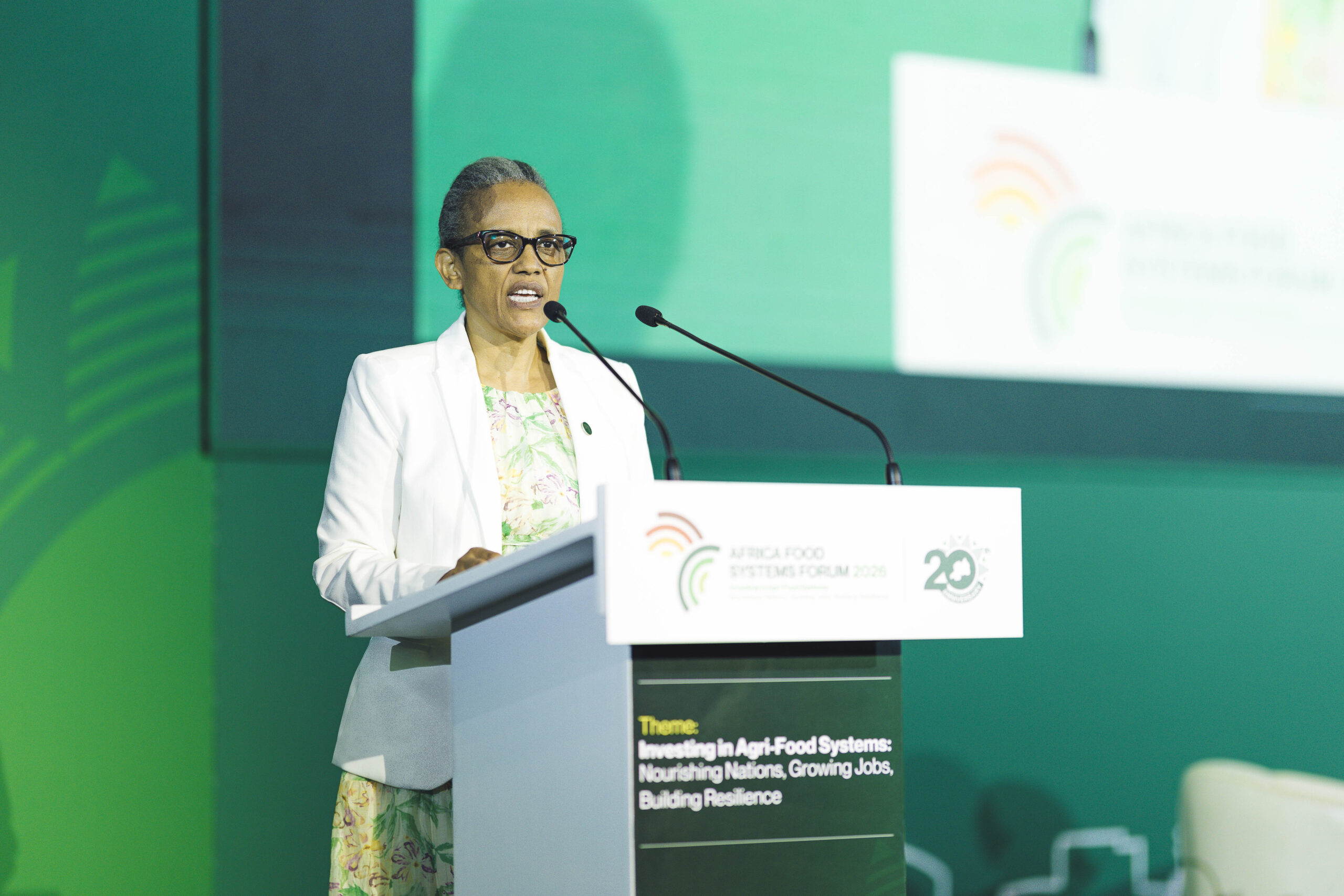
Former First Lady of Ethiopia and Chief Executive Officer of the Hailemariam & Roman Foundation, H.E. Roman Tesfaye, said the discussion should move beyond recognizing women’s participation to addressing the inequalities that prevent them from benefiting from their contribution.
“Women are farmers, livestock keepers, processors, entrepreneurs and caregivers,” Tesfaye said, stressing that women contribute across food value chains, from production and processing to markets and household consumption.
“The issue is not whether women participate in agrifood systems, but whether they have access to finance, technology, markets and voice to benefit from the value they create.”
She argued that gender equality in food systems should also be understood as an economic issue.
Tesfaye pointed to evidence showing that closing gender gaps in agricultural productivity and wages can deliver substantial economic gains while reducing food insecurity. FAO estimates that closing the gender gaps in farm productivity and agrifood-system wages could increase global GDP by nearly US$1 trillion and reduce the number of food-insecure people by 45 million.
She said women who have the necessary skills and ideas can still be prevented from expanding their businesses or farms when they lack access to land, finance, markets and technology.
“A woman may have the skills to increase production, but without access to land, she cannot invest in it,” she said. “She may have a better business, but without finance, she cannot grow.”
Tesfaye also called for women to have a stronger role in designing solutions affecting their communities.
“When women have a voice in designing solutions, they are not simply beneficiaries. They become co-creators,” she said.
She urged governments to strengthen policies protecting women’s rights and access to productive assets, while calling on financial institutions to develop products that reflect women’s economic realities.
“The private sector must open pathways into higher-value markets and value chains,” she said.
Women power a large share of Africa’s agrifood economy
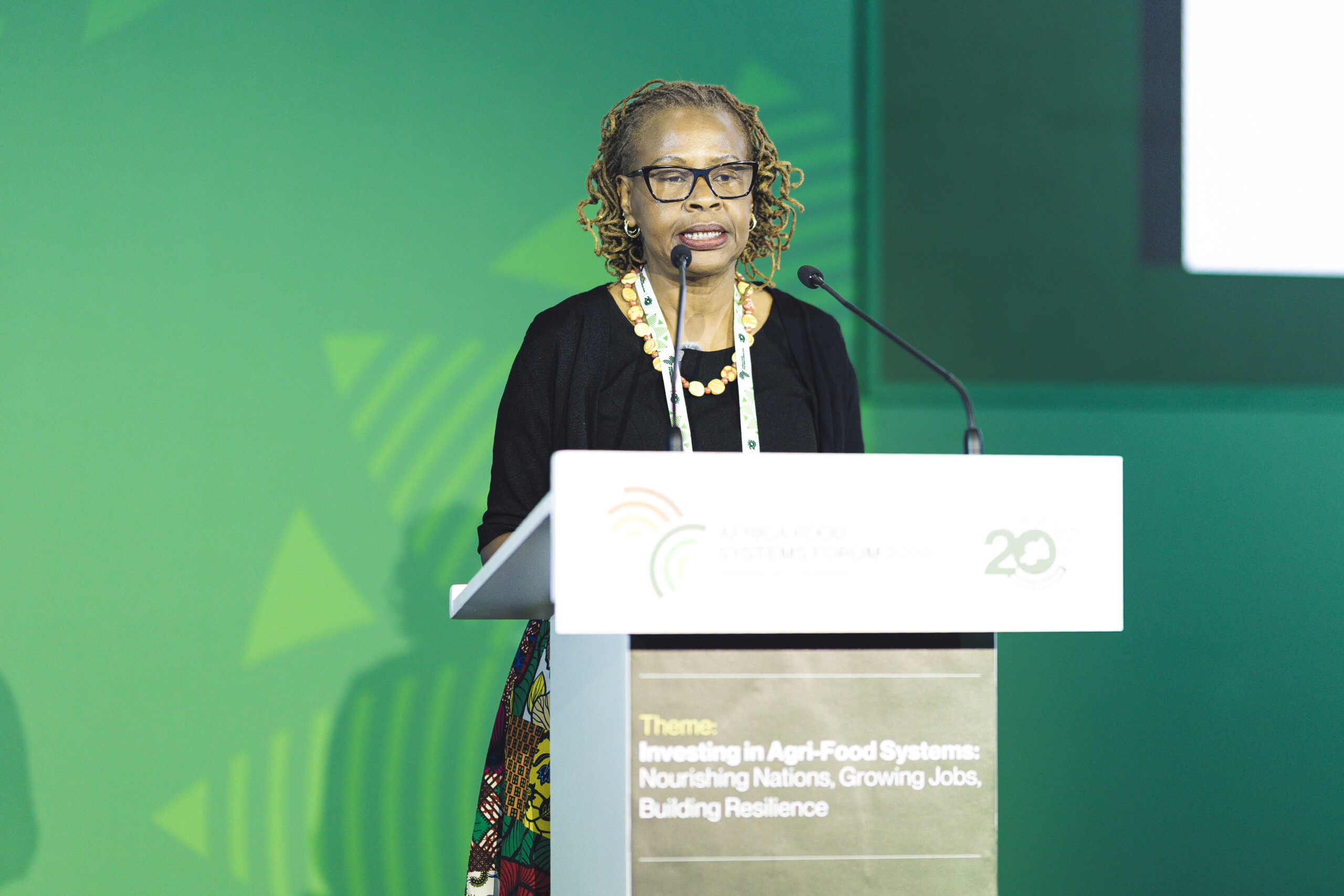
The session also featured findings from The Status of Women in Agrifood Systems in Sub-Saharan Africa, presented by Dr. Susan Kaaria, Director of African Women in Agricultural Research and Development (AWARD).
The report, developed by FAO, the Natural Resources Institute of the University of Greenwich and AWARD, highlights women’s large contribution to agrifood systems while documenting persistent inequalities in employment, food security, natural-resource rights, innovation and decision-making.
Kaaria said the evidence demonstrates that women are not marginal actors in Africa’s food economy.
“Achieving gender equality and empowering women in agrifood systems is both a moral imperative and an effective policy choice,” she said. “It is key to social justice as well as unlocking inclusive growth, food security and climate resilience.”
According to the report, 76% of working women in sub-Saharan Africa were employed in agrifood systems in 2022, while women accounted for about half of the region’s agrifood workforce. Women also represented 63% of workers in off-farm agrifood activities.
Yet much of this work remains informal and insecure.
“Nearly 90% of employed women in the region work in the informal sector,” Kaaria said during the session.
The report links this informality to low wages, job insecurity and limited access to social protection. Women are also concentrated in some segments of the food economy while remaining underrepresented in higher-value activities.
Kaaria highlighted unpaid care and domestic work as another major constraint on women’s economic participation.
Women are often expected to combine farming or other income-generating activities with childcare, cooking, cleaning and other responsibilities, reducing the time available for paid and productive work.
Climate shocks deepen existing inequalities
Food insecurity was another major concern raised during the presentation.
The report found that women in sub-Saharan Africa experience moderate or severe food insecurity at higher rates than men. In 2024, 64.2% of women and 62.7% of men in the region experienced moderate or severe food insecurity. The region also had 11.2 million more women than men affected by food insecurity.
Kaaria said restrictive gender norms can determine how households respond when food becomes scarce.
During droughts, conflict and other shocks, women and girls can face greater pressure to reduce their food consumption while continuing to shoulder household responsibilities.
Climate change is adding to these pressures.
“Climate change is intensifying these inequalities because women are more disproportionately affected by climate change than men,” Kaaria said.
The report also identifies significant gender disparities in land rights. In 28 of the 33 sub-Saharan African countries with available data, men are more likely than women to own agricultural land or hold secure land rights.
Limited control over land, water and forest resources can reduce women’s ability to invest in agriculture and strengthen their resilience to environmental and economic shocks.
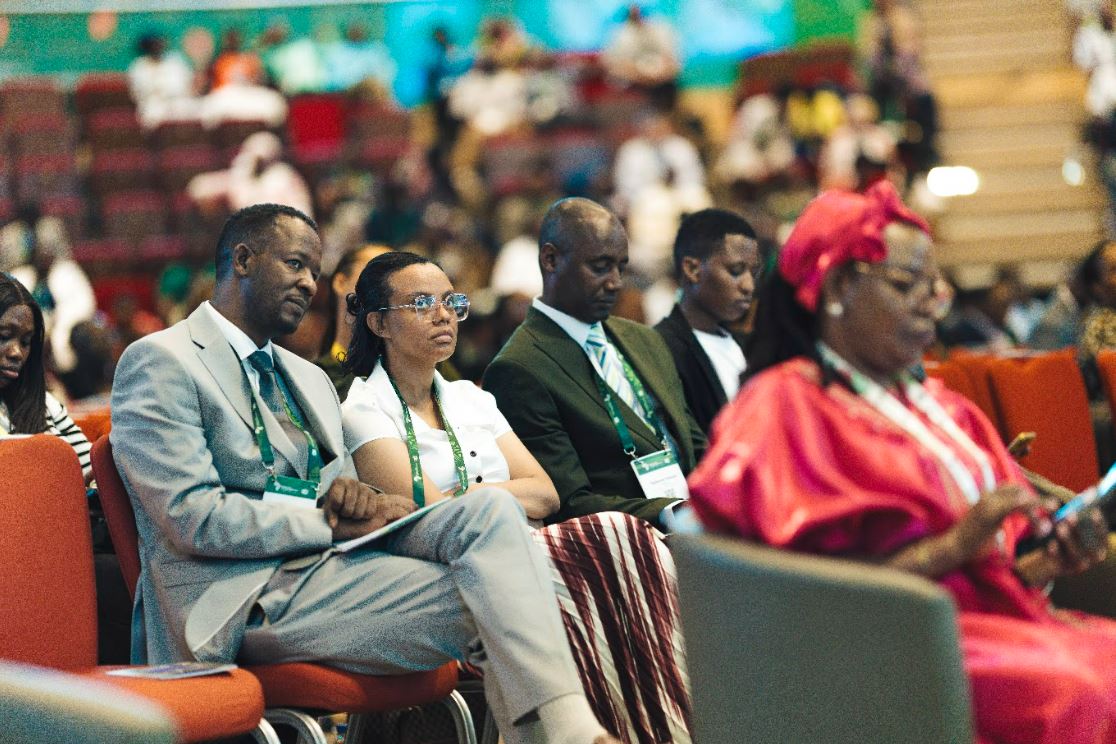 Participants listen to presentations on gender equality, food security and climate resilience in Africa’s agrifood systems.
From recognition to investment
The session opened with a spoken-word performance by artist Grace Kelly Muhuni, who used the experiences of women farmers to highlight the often-unrecognized work women perform in food production and family life.
“You can’t talk about farming without talking about the family,” Muhuni said.
Her performance portrayed women farmers as producers and caregivers whose contribution often extends beyond what is captured by formal employment statistics.
The session’s speakers called for this contribution to be matched by concrete policy action.
The proposed solutions included stronger land rights for women, better access to finance and technology, decent and safe employment, social protection, childcare and greater participation in decision-making.
FAO and its partners have similarly called for gender-transformative approaches that address discriminatory social norms, expand social protection, strengthen legal protections and improve women’s access to productive resources.
For Tesfaye, the ultimate goal is to ensure that women who already sustain food systems also have a meaningful share in the prosperity generated by them.
“As we progress, let us ensure that the women who feed our markets and sustain our communities can also own businesses, access capital, enter markets, use technology, share decisions and share in the prosperity they create,” she said.
The message from the Kigali session was clear: Africa’s food systems cannot achieve lasting transformation while the women who sustain much of them remain constrained by unequal access to the resources, opportunities and decisions that shape their future.
theinspirerpublications@gmail.com



Leave a Reply