
CIMMYT urges Africa to speed up delivery of agricultural innovations to farmers
By Elias Hakizimana.
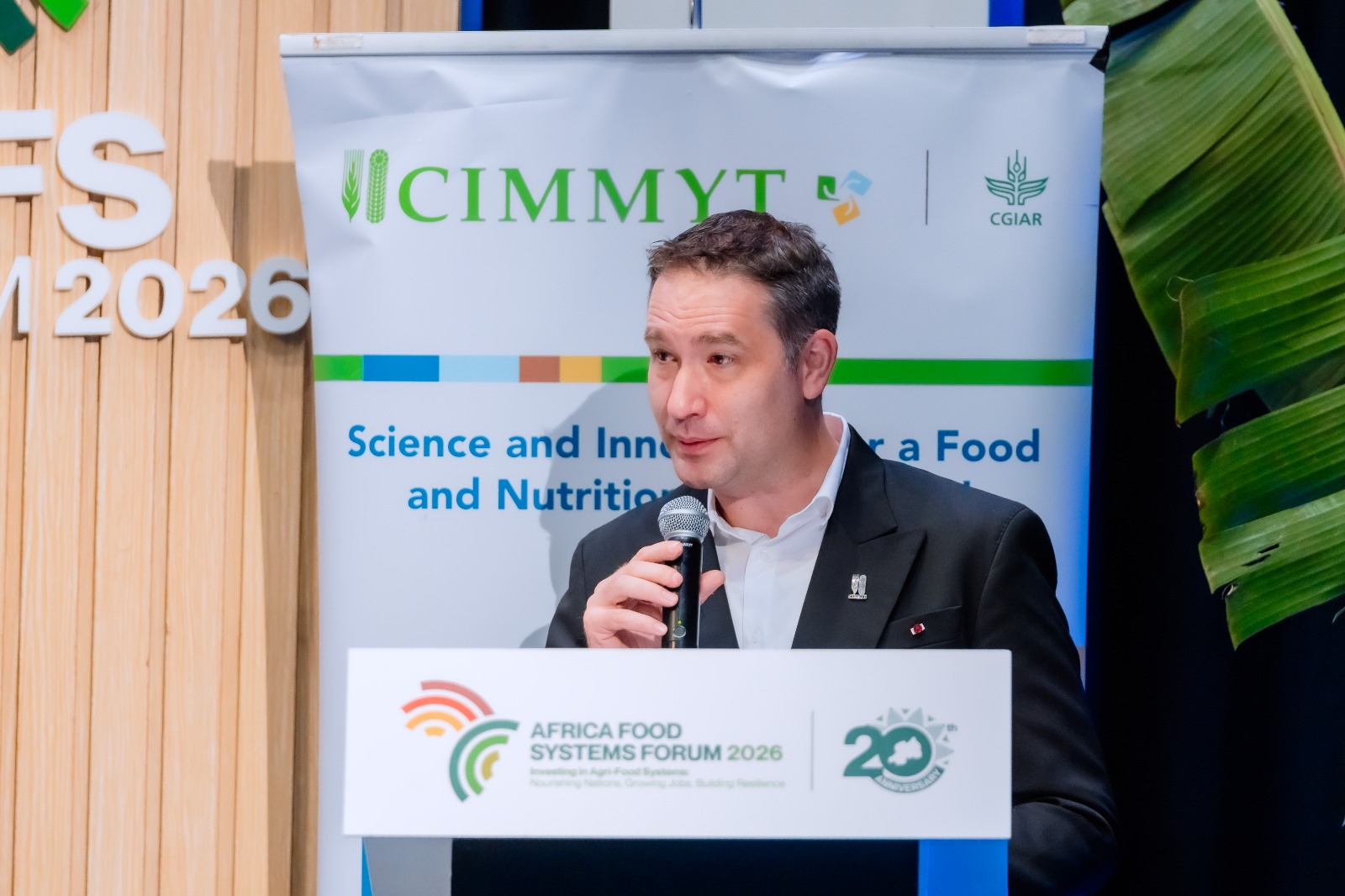
Africa has many of the agricultural technologies needed to withstand climate shocks, conflict and disruptions to food and fertilizer markets, but weak delivery systems are preventing them from reaching farmers at the scale and speed required, CIMMYT Director General Dr. Bram Govaerts has said.
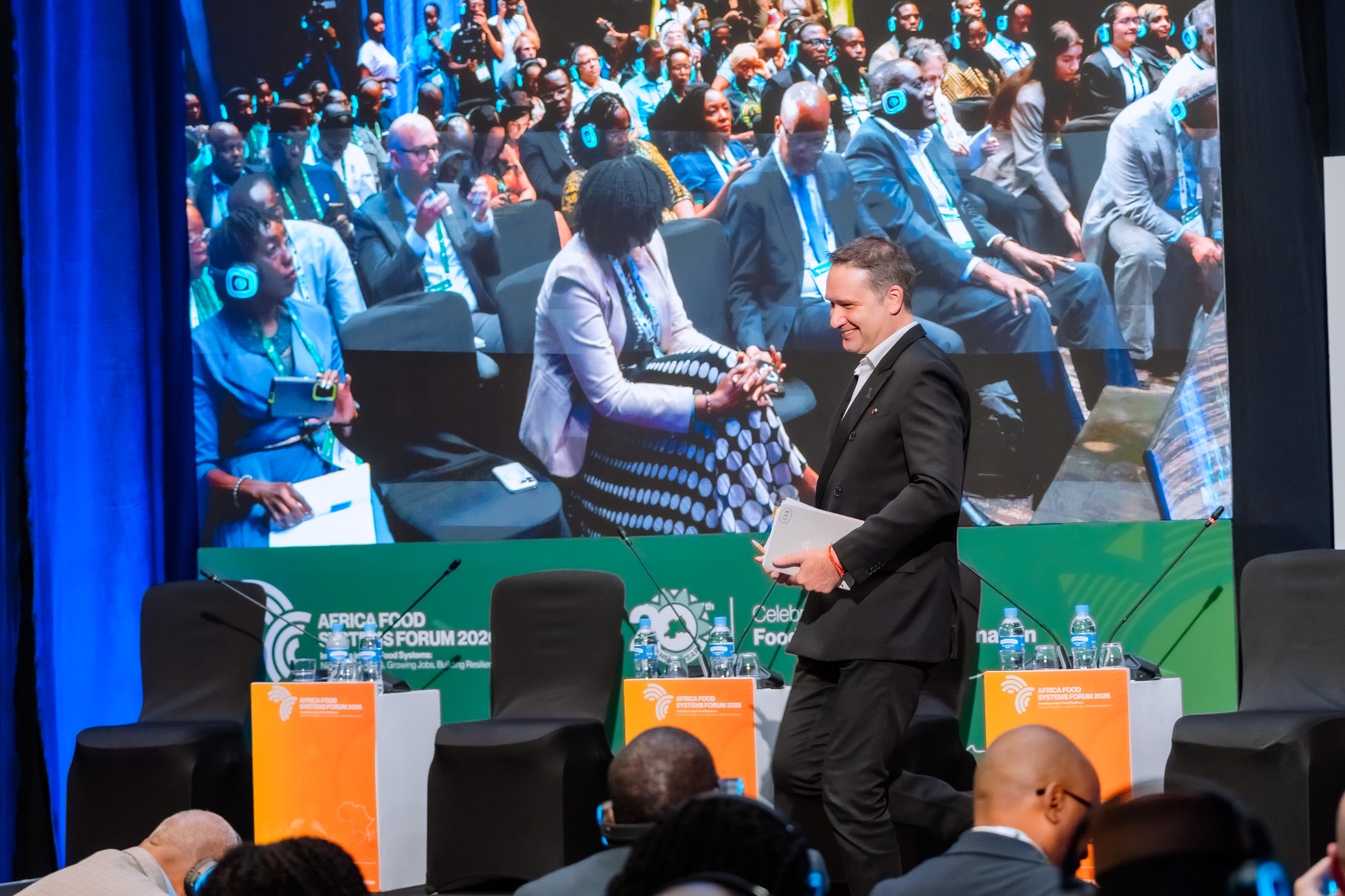
Speaking at a side event of the Africa Food Systems Forum (AFSF) 2026 in Kigali, on Monday, August 31, 2026, Govaerts said the continent must close what he called the “missing middle” between agricultural research and farmers’ fields.
The missing middle includes financing, seed systems, markets, extension services, policies, businesses and distribution networks needed to turn scientific innovations into practical solutions for farmers.
“Africa’s food-security story cannot only be a story of crisis,” Govaerts said, arguing that many technologies required to build more resilient food systems already exist.
The call comes as food insecurity remains a major concern across the continent. Govaerts said about 167 million people in Africa faced acute food insecurity last year, with roughly 80 percent living in countries affected by acute or ongoing conflict.
He said the challenge is no longer simply developing new technologies, but ensuring that proven solutions reach farmers before crises worsen.
CIMMYT, which has worked for decades on improved maize and wheat varieties and technologies designed to withstand drought, heat, pests and diseases, pointed to its work ahead of the 2023–2024 El Niño as an example of anticipatory action.
The organisation and its partners helped deploy drought-tolerant maize in countries including Zambia, Malawi and Tanzania before the worst impacts of the climate event.
Govaerts said similar approaches were needed across Africa, with countries investing in preparedness rather than repeatedly waiting for crises before acting.
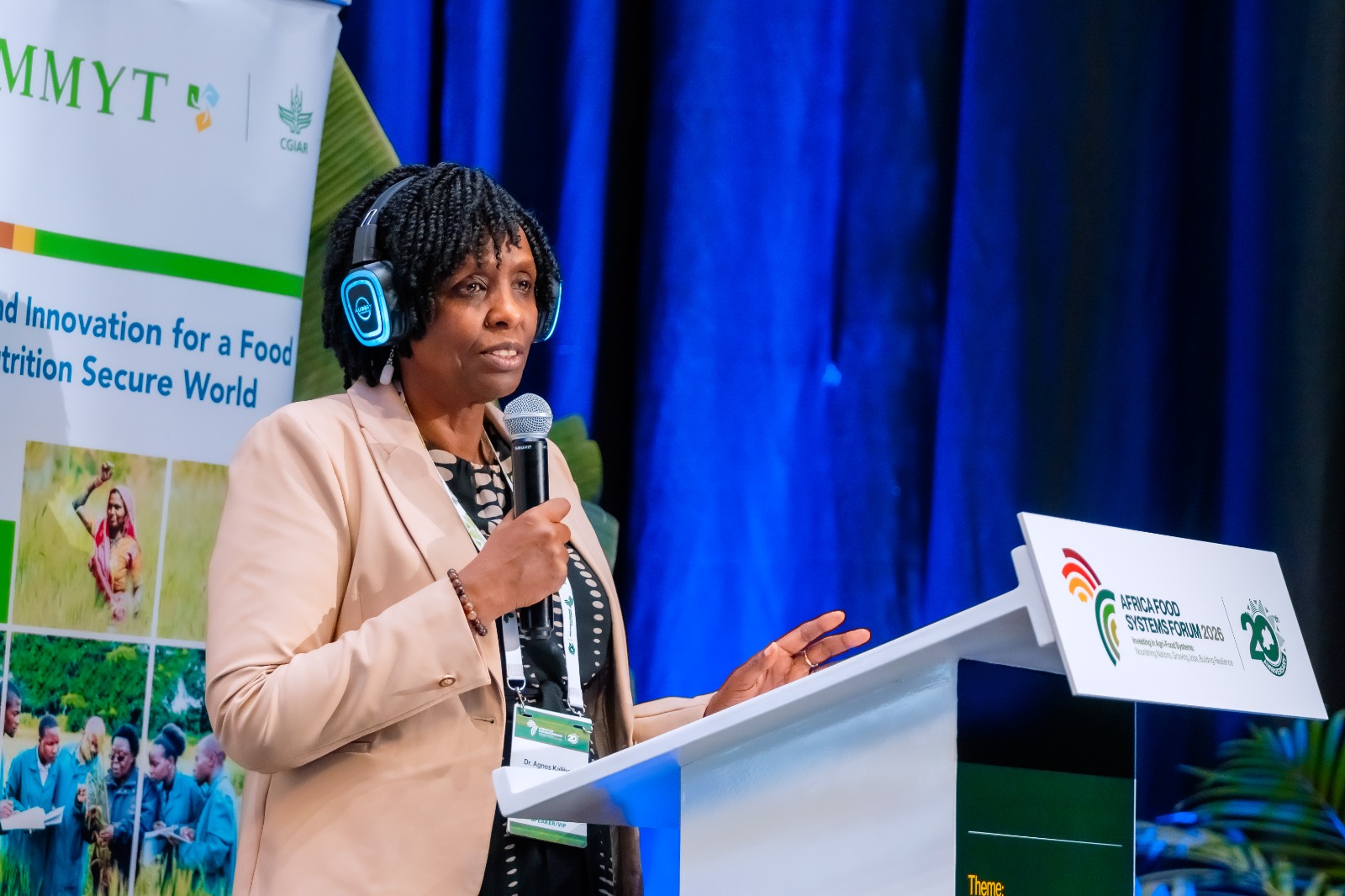
Former AGRA President Dr. Agnes Kalibata said successive shocks since the 2008 global food crisis—including droughts, floods, COVID-19, the Russia-Ukraine war and conflicts—had exposed weaknesses beyond food production.
She said the pandemic demonstrated that food can be available while people still struggle to access it when transport, storage, logistics and markets are disrupted.
Kalibata called for greater investment in agriculture as a productive economic sector capable of generating food, income and employment, rather than directing an increasing share of resources toward emergency response.
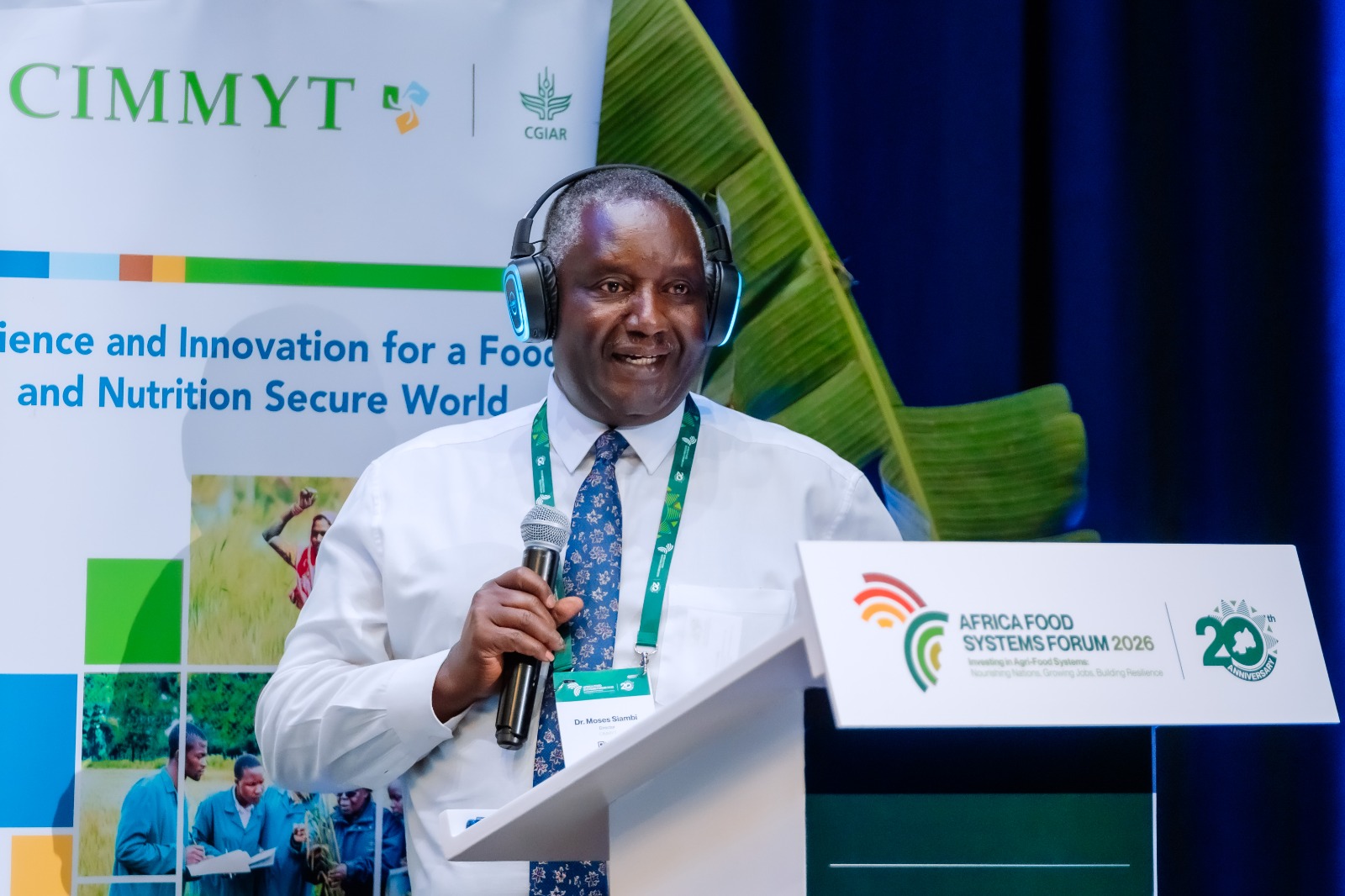
The African Development Bank also highlighted the importance of linking technology with financing and national delivery systems. Dr. Innocent Musabyimana said the bank’s $1.5 billion African Emergency Food Production Facility supported 35 countries with climate-resilient seed, fertilizer, technical assistance, finance and other measures following global food and fertilizer disruptions.
Participants said seed systems and agricultural extension also require stronger investment.
Evelyne Lusenaka of AGRA’s Center of Excellence for Seed Systems in Africa said farmers continue to face challenges including inadequate seed supplies, counterfeit products, weak distribution networks and limited access to information.
Dr. Mel Oluoch of Sasakawa Africa Association said extension services should help farmers respond to climate risks, access appropriate technologies and connect to markets, while also feeding farmers’ experiences back into research.
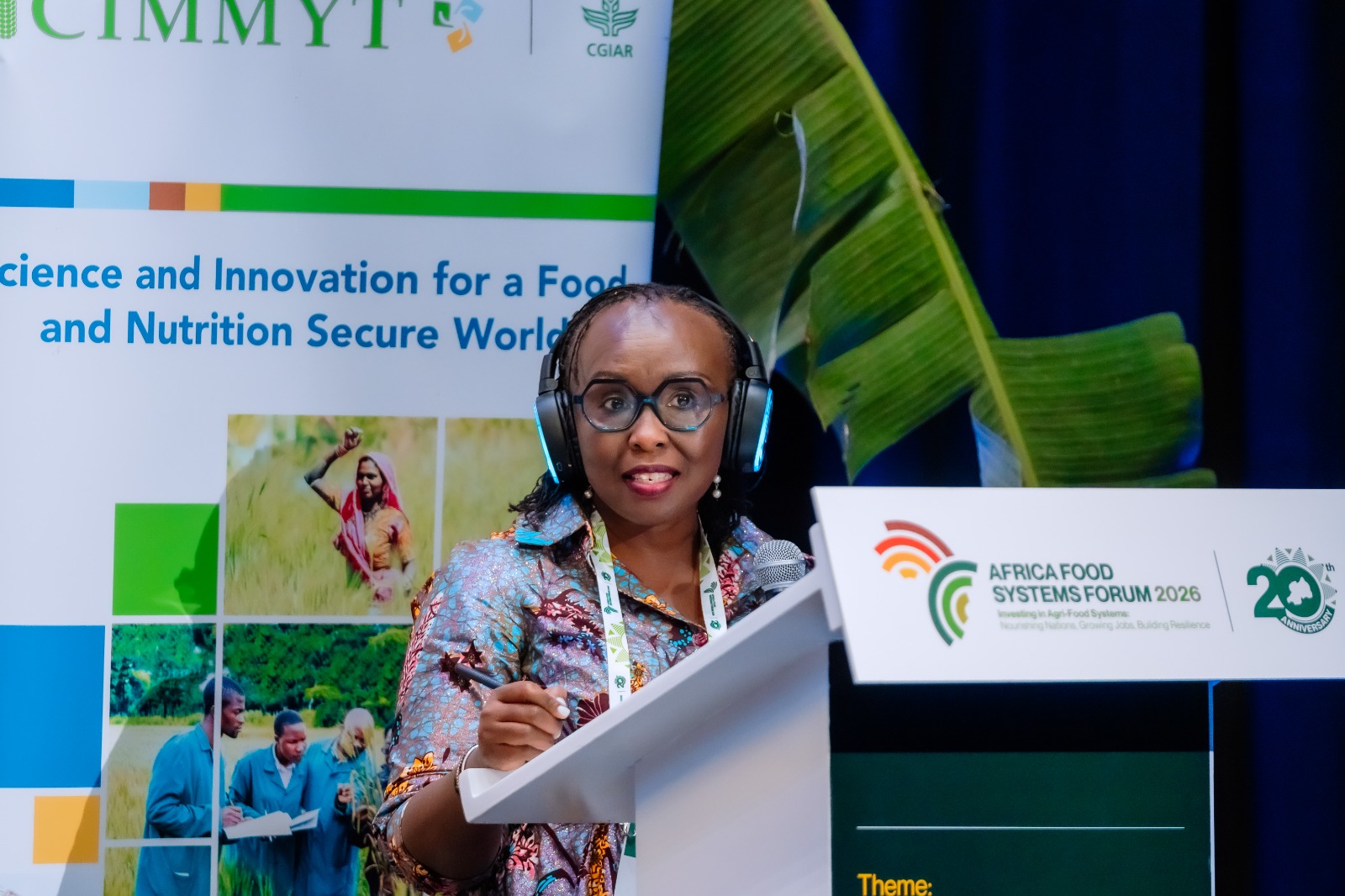
The discussion also linked the missing middle to Africa’s employment challenge. Wambui Chege said young people should be viewed not only as beneficiaries of agricultural programmes but also as entrepreneurs who can build businesses around seed multiplication, extension, logistics, processing, digital services and finance.
Govaerts called for investment across the agricultural system, including genetics, seed, soil fertility, markets, finance, insurance, extension and post-harvest infrastructure.
He urged governments and partners to “stress-test” agricultural investments against climate and other shocks likely to affect food systems.
The message from the Kigali forum was that Africa does not necessarily need to wait for new solutions. It needs stronger systems to move existing innovations from research institutions to farmers.





Leave a Reply