
Africa needs over 11 billion USD startup investment in clean energy
By Elias HAKIZIMANA.
Experts say that Africa needs more than 11 billion USD to invest in clean energy to ensure access for rural areas in order to spur development growth in Africa.
Seven in ten people living in the rural areas in the Sub-Saharan Africa have no access to electricity, leading to slow down in achieving development goals, a multi-stakeholder meeting taking place in Kigali, Rwanda on Tuesday, December 13, 2022 disclosed.
The meeting was organized by the Pan African Climate Justice Alliance (PACJA), a consortium of more than 1000 organizations from 51 African countries with an inclusive approach to address climate and environmental challenges facing humanity and the planet.
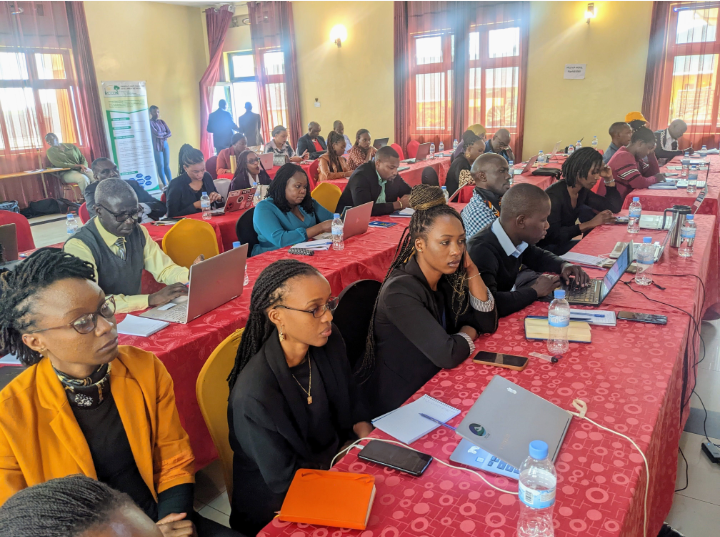
The meeting brings together various African civil society organizations and other entities including the African Development Bank (AfDB), World Resource Institute (WRI) that is soon to invest in Clean Energy in Rwanda and the Pan African Climate Justice Alliance (PACJA).
Faustin Vuningoma, the Coordinator of Rwanda Climate Change and Development Network (RCCDN) said that the meeting follows the Cop-27 conference on climate action that discussed Energy access for all among other topics in SHARM EL-SHEIKH, Egypt, in November 2022.
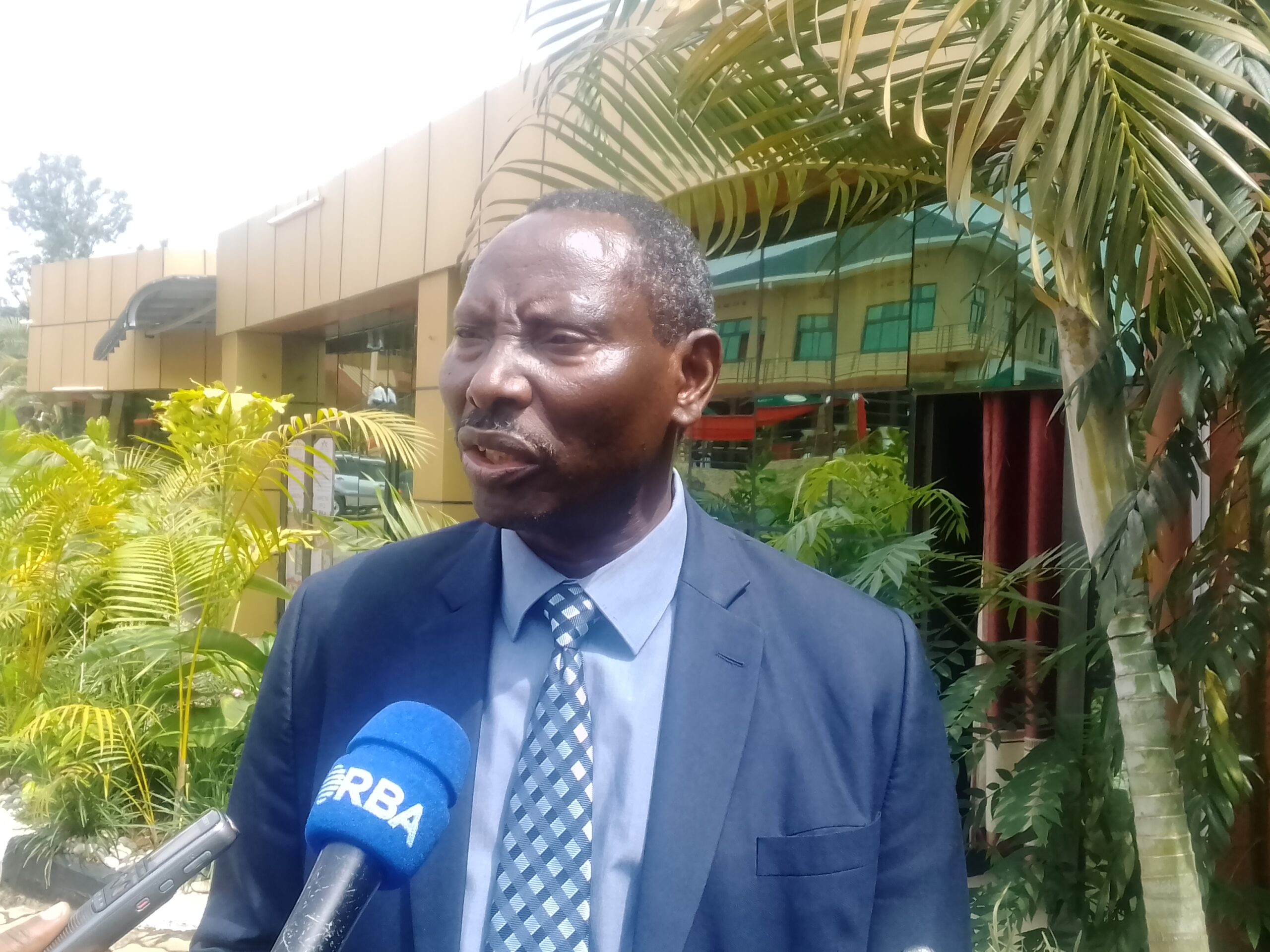
“We are gathered here today as African Civil societies to assess our takes-home from the Cop-27 conference and most especially about how we transition from fossil-based systems of energy production and consumption to renewable energy. We want to see what Africa can do and discover the area of investments to ensure access to clean energy for lighting and cooking,” Vuningoma said.
He added that the most important is to have Africa that has enough and affordable electricity in both domestic and industries.
Despites the efforts of Africans to reduce greenhouse gas emissions, developed countries have not yet committed to the National Determined Contributions (NDCs) that aim to reduce such air pollutants and they are the main producers of the pollutants.
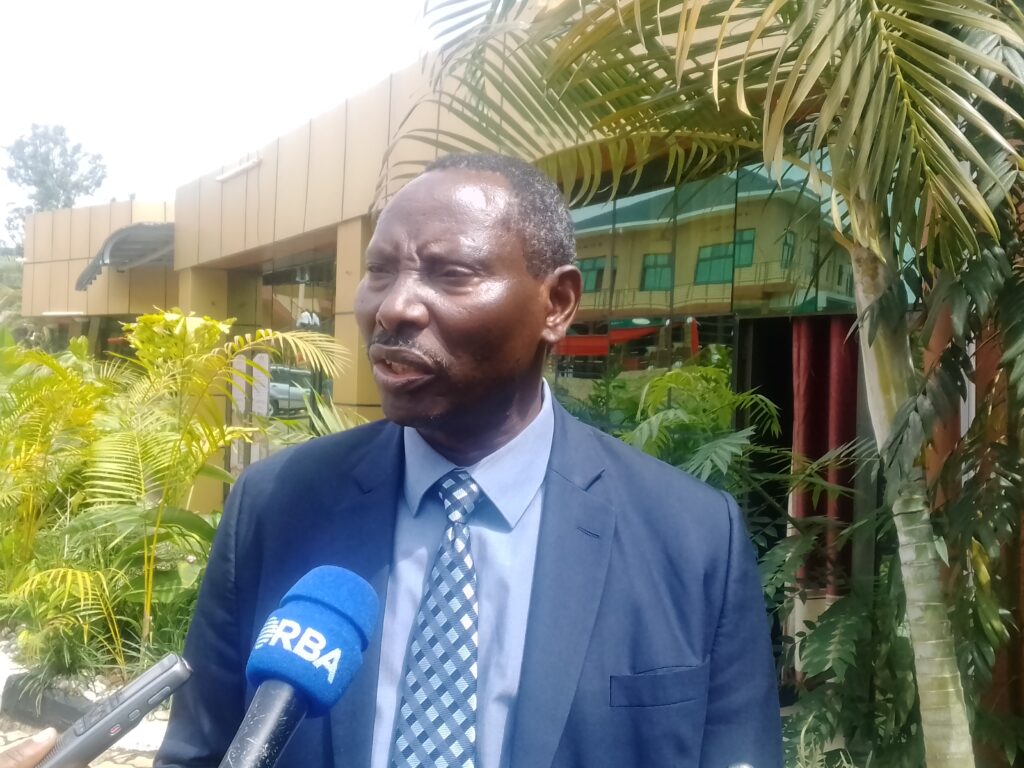
“We also want to raise our voice so that these countries take action in reducing gas emissions, thus complementing the common goal to reduce global warming,” Viuningoma said.
Call for Private Sector investments
Vuningoma urged the private sector to invest in renewable energy by ensuring environment protection, climate change mitigation and adaptation.
“As civil society, our role is to demonstrate the benefits in investing in renewable energy and to conduct advocacy for the government, private sector and development partners (donors) so that everyone knows where to put an emphasis,” he added.
Elyse Umugwaneza, Managing Director of Women In Sustainable Energy (WISE) a private company that transforms soft wastes into Biogas energy to facilitates cooking for rural women says that the meeting helps them to network with other investors and share knowledge and experience in advancing renewable energy sector.

She says that their Biogas will be affordable for end users comparing to current cooking gases.
“We have predicted our cost value for Rwf1060 per 1 kilogram while current price of cooking gas is between Rwf 1,300 and Rwf 1,400 per 1 kilogram. We are still testing the product to see if it is suitable for the market and it will be on the market by July next year,” Umugwaneza noted, adding that there is a hope that investors’ innovations in the energy sector can contribute to the reduction of clean energy cost.
Dr. Olufunso Somorin, Regional Principal Officer in charge of Climate Change and Green Growth based in Nairobi (East-Africa) in African Development Bank (AfDB) said that energy access is very low in Africa comparing to other regions of the World, whereby only 30 percent of Africans have access to electricity.
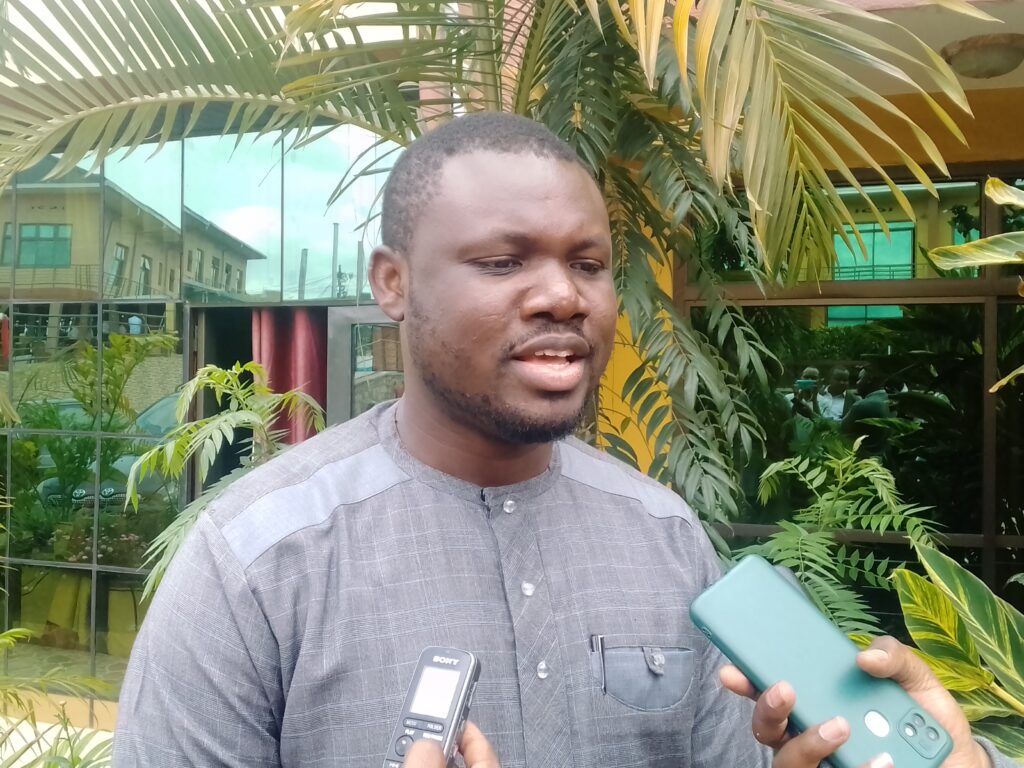
He explained that renewable energy access means accessibility, affordability and quality, which is the task for every key player in the sector.
“We are looking for innovative finance mechanism through the use of concessional loans, grants, thanks to the efforts by the private sector to be involved in the energy investments,” he said.
Dr. Olufunso added that the continent is being swept along in the global energy transition and increasingly coming under the same net-zero policy pressure as developed economies such as the European Union (EU).
“In order for Africa to achieve its SDGs relating to energy, its generation capacity will need to be doubled by 2030 and multiplied fivefold by 2050. If unmet, this energy demand-supply gap will be detrimental to Africa’s standard of living and will greatly hinder economic growth.” He said.
Eugene Nforngwa, Energy Lead Expert at PACJA said the energy sector in Africa would experience substantial structural change over the coming decades. Financing this change at the pace required, will be one of the most pressing issues that Africa and the world must address.
The role of policy makers
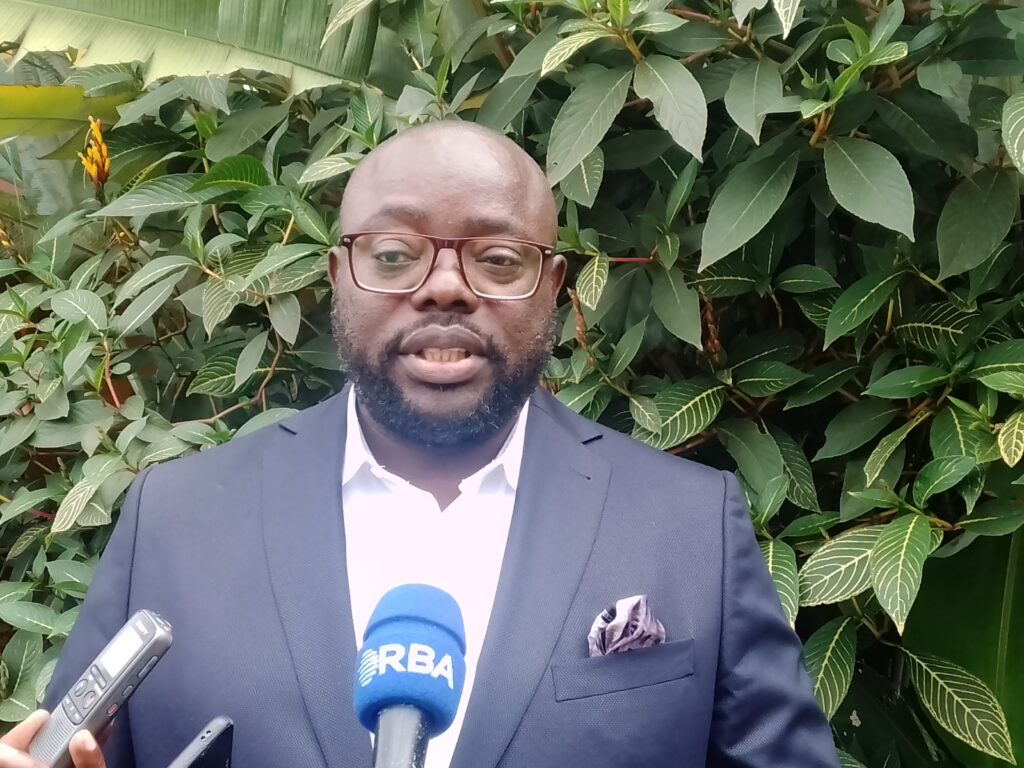
“As much as it is unimaginable, yest it is true that in this twenty first century, electricity’s remains a luxury to majority of Africans. At the same time, our policy makers do not find it strange and wanting to reverse the situation,” said Charles Mwangi, the Head of Programmes and Research at PACJA.
theinspirerpublications@gmail.com
Follow us @theinspirerpubl



Leave a Reply