
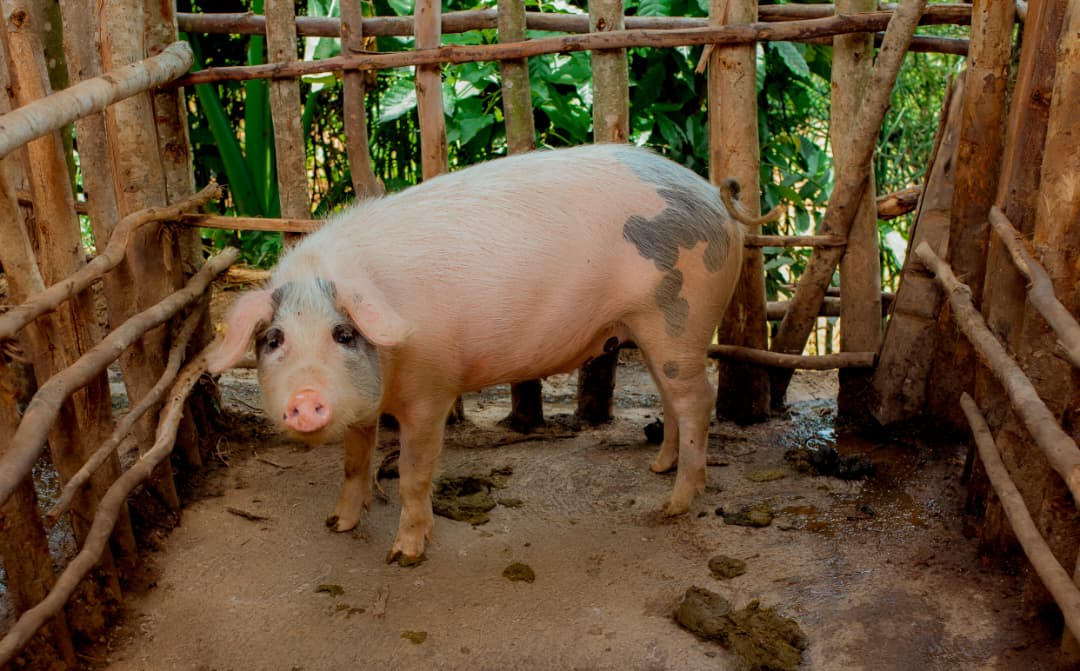
How Nyaruguru rural citizens build resilience through piggery
By Elias HAKIZIMANA.
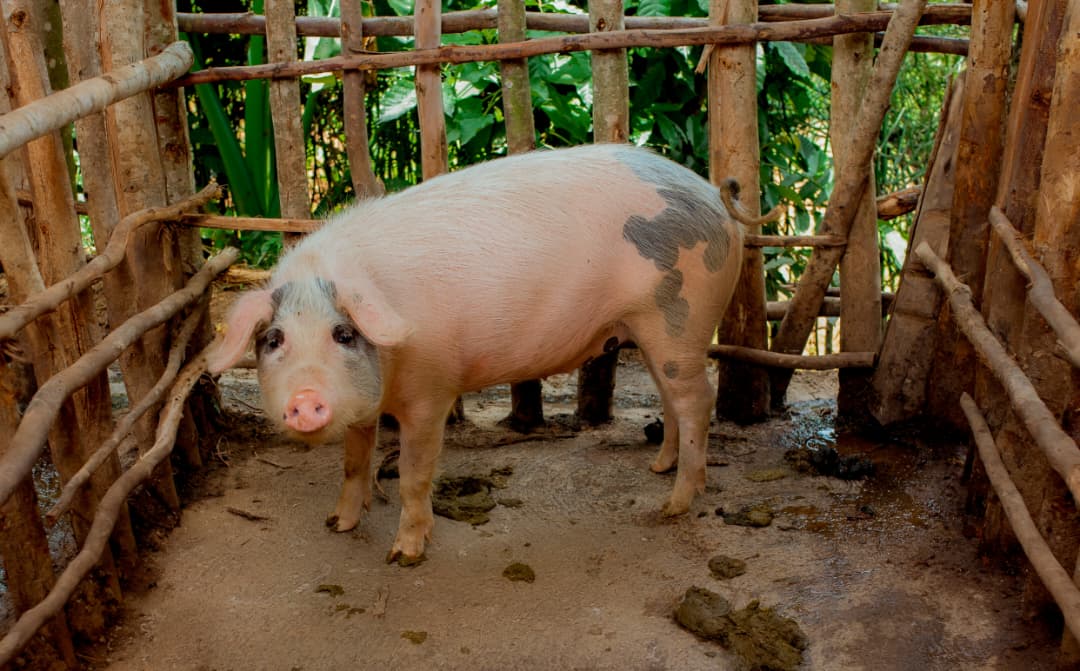
In the rolling hills of Nyaruguru District, smallholder farmers are transforming their livelihoods through pig farming, with support from the Partnership for Resilient and Inclusive Small Livestock Markets (PRISM) project.
Implemented from September 2021 to January 2026, PRISM has empowered vulnerable men, women, and youth to turn small livestock into sustainable sources of income, nutrition, and resilience.
Central to PRISM’s approach is the formation of self-help groups (SHGs), which serve as a foundation for community development and collective empowerment. By January 2026, 346 piggery-focused SHGs had been established, exceeding project targets.
These groups provide a platform for farmers to access technical training, share knowledge, and scale their operations.
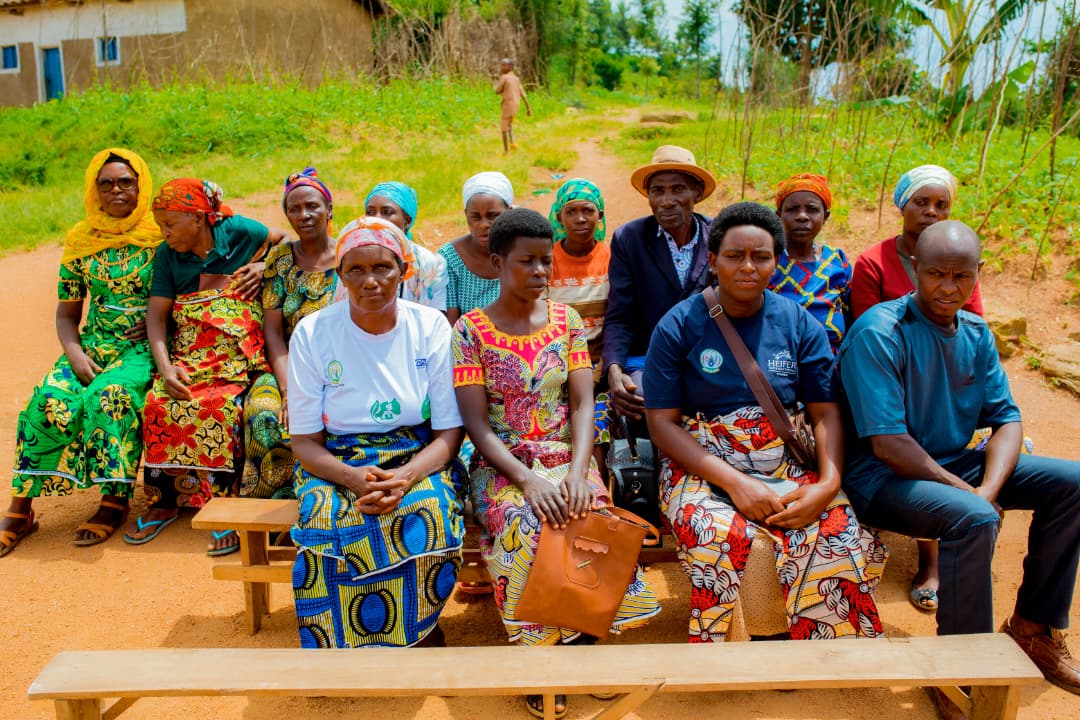
Jean Pierre Bagirubwira, president of the Jyambere Mworozi Rusenge Union in Bunge Village, described the transformation.
“We started with 28 members; now 24 remain. PRISM trained us on pig management, nutrition, feed preparation, hygiene, and family relations. Each member received one pig, valued at RWF 70,000.
Today, our pigs are worth RWF 3,700,000, and we have RWF 1,000,000 in savings, up from RWF 300,000. We reduced feed costs by 30% thanks to techniques like hydroponics, azolla, and black soldier fly larvae cultivation.”
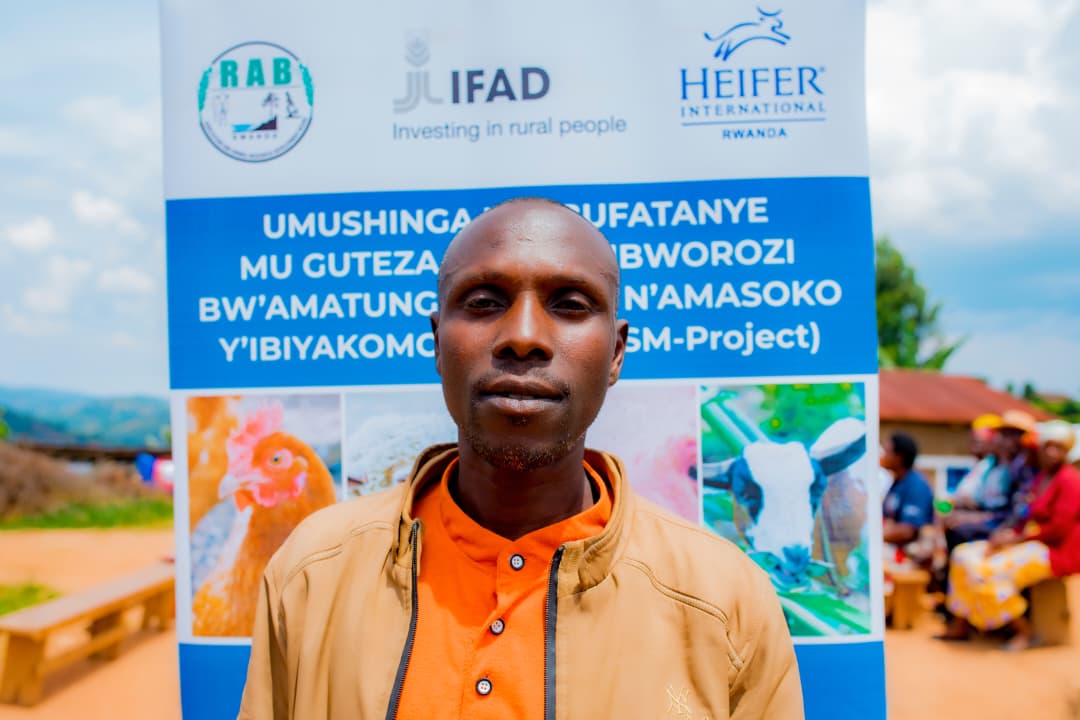
For many women, piggery has become a pathway to financial independence.
Liberée Ayingeneye, a mother of eight, said, “Before PRISM, my household had no pigs or cow. Now, I own four pigs, a cow, and one hectare of land.
I can pay school fees, feed my family, and save. I hope to increase my pigs from four to ten and help our cooperative grow.”
Delphine Tuyisenge, another beneficiary, highlighted how pig farming supports both income and agriculture: “I received two pigs in 2023. Their manure boosts my half-hectare farm’s yield from 50 kg to 200 kg per harvest. I can sell pigs to cover school fees and other household expenses. Piggery has opened opportunities I never imagined.”
PRISM has also strengthened market systems for pig farmers. Ten fully operational pig slaughterhouses and fifteen veterinary clinics across the district provide reliable markets and accessible animal health services.
The Passing on the Gift (PoG) model has multiplied the number of pigs in the community, encouraging cooperative growth and fostering a culture of shared success.
The broader socio-economic impact is tangible
Pig farmers have invested in land, cows, and houses, while launching small businesses that generate additional income. Youth and women, once marginalized, are now creating jobs and contributing to local economic growth.
Challenges remain, including the high cost of commercial feed and the need for proper infrastructure for azolla ponds. Yet, farmers continue to innovate, combining cooperative strategies with climate-smart practices to sustain their herds.
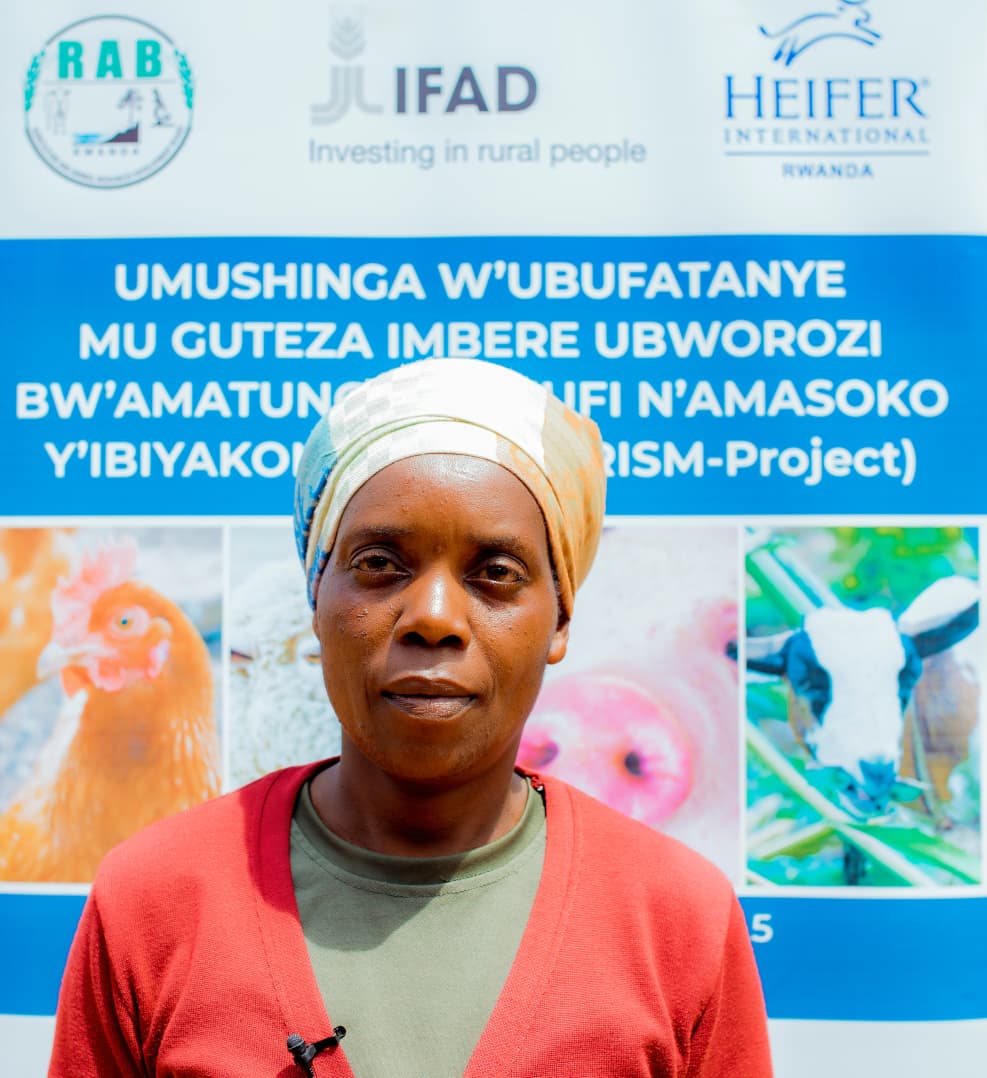
Martin Hakizimana, PRISM community facilitator of PRISM in Nyaruguru, highlighted the cooperative impact.
“The original pigs (OG) provided were 20. Through the Passing on the Gift model, beneficiaries now have 56 pigs, shared across households. Our role is to train farmers on proper pig management, feed preparation, nutrition, and hygiene. We guide them to adopt climate-smart practices like azolla and hydroponics, reduce costs, and improve productivity. Seeing farmers succeed—saving money, feeding their children, and expanding livestock—shows how collective effort and knowledge transfer transform lives. In this community, piggery is not just farming; it is resilience in action.”
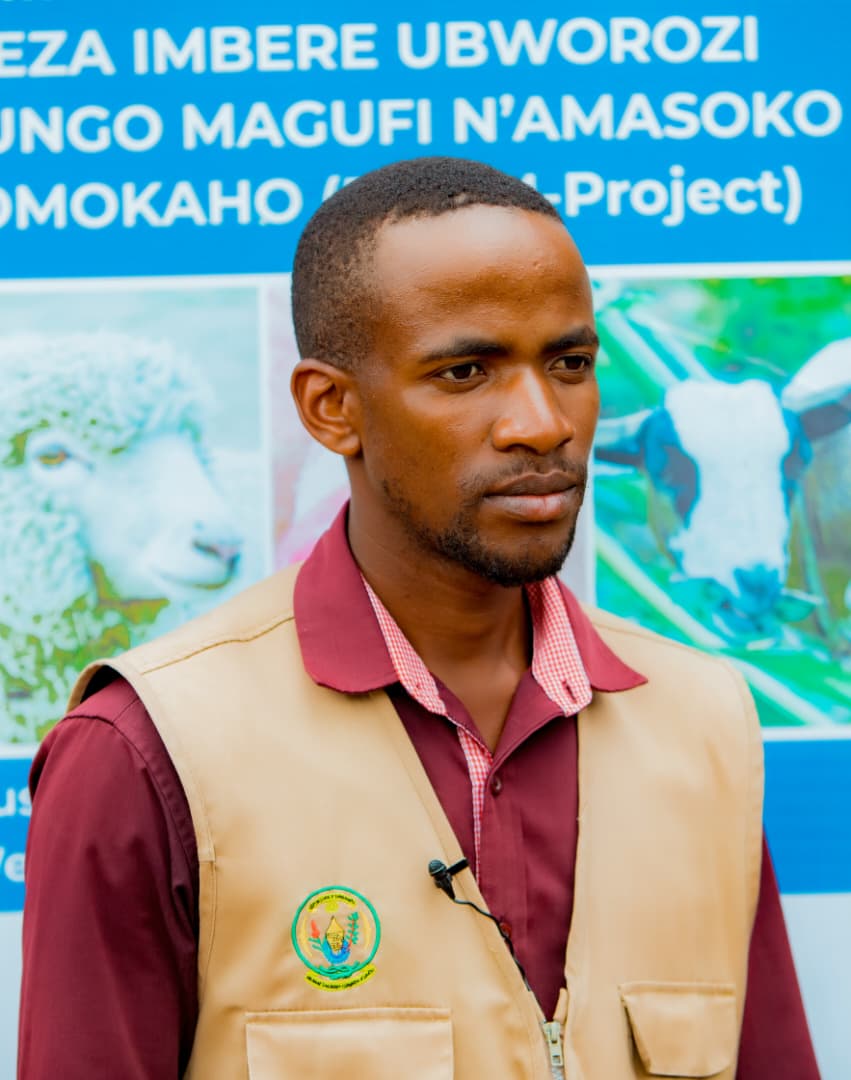
Through PRISM, piggery in Nyaruguru has become more than an agricultural activity—it is a tool for resilience, a source of nutrition, and a pathway out of poverty.
For farmers like Jean Pierre, Liberée, and Delphine, the project has turned small pigs into big opportunities, transforming households and strengthening entire communities.
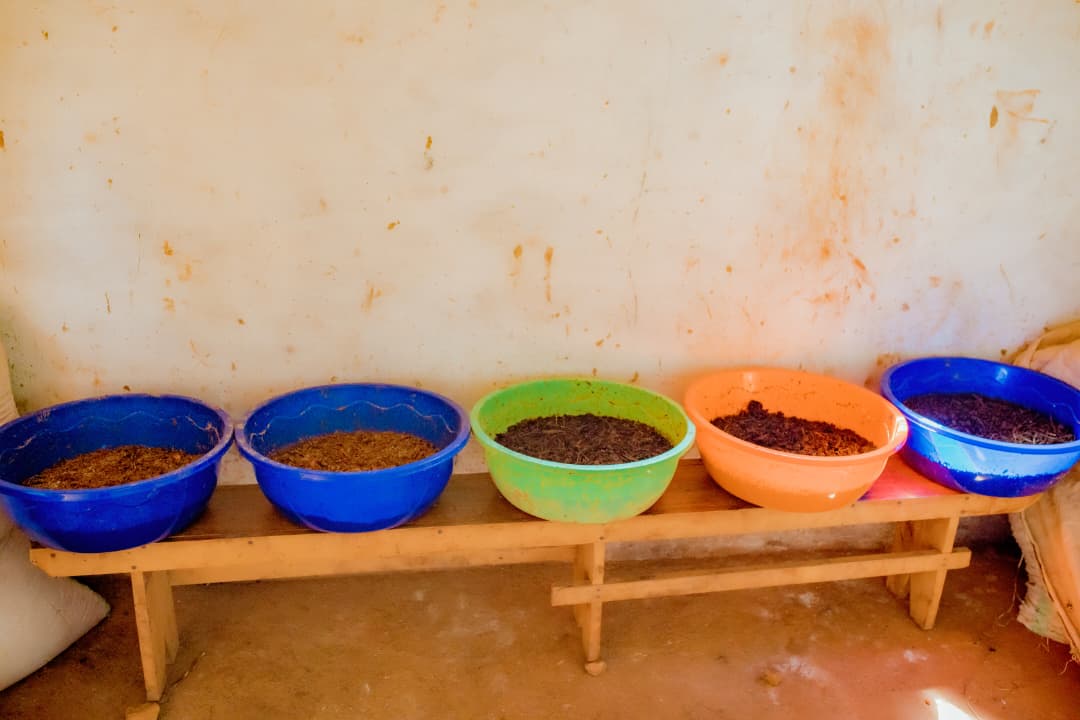 Members of Jyambere Mworozi Rusenge union say they can now produce their own livestock feeds using improved techniques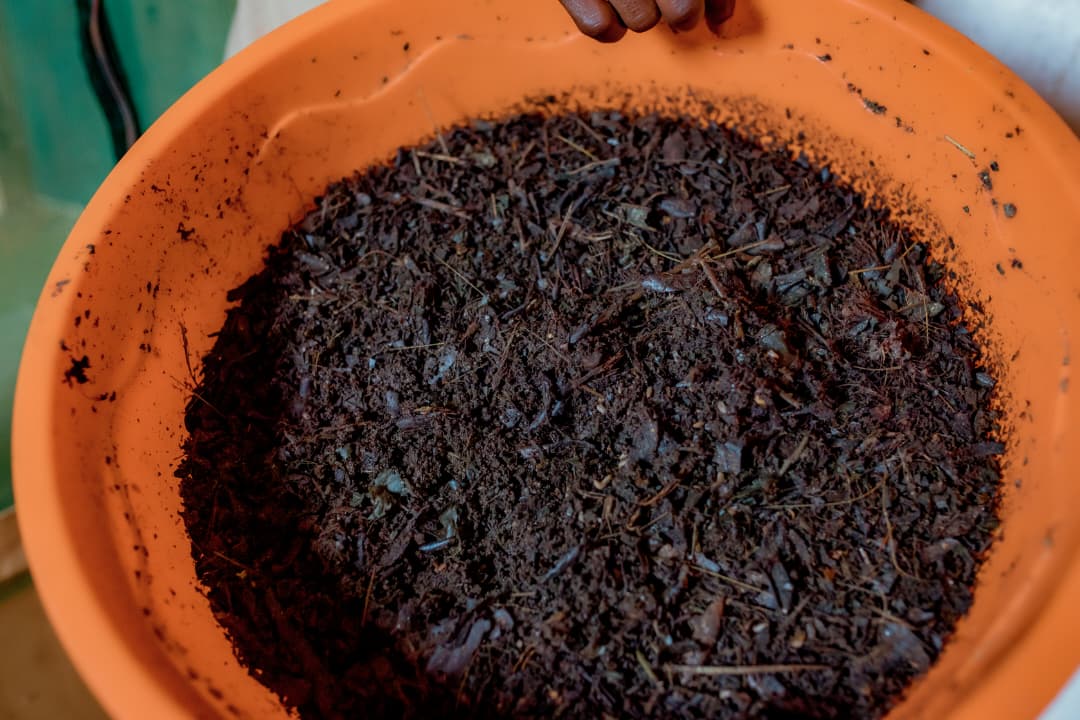
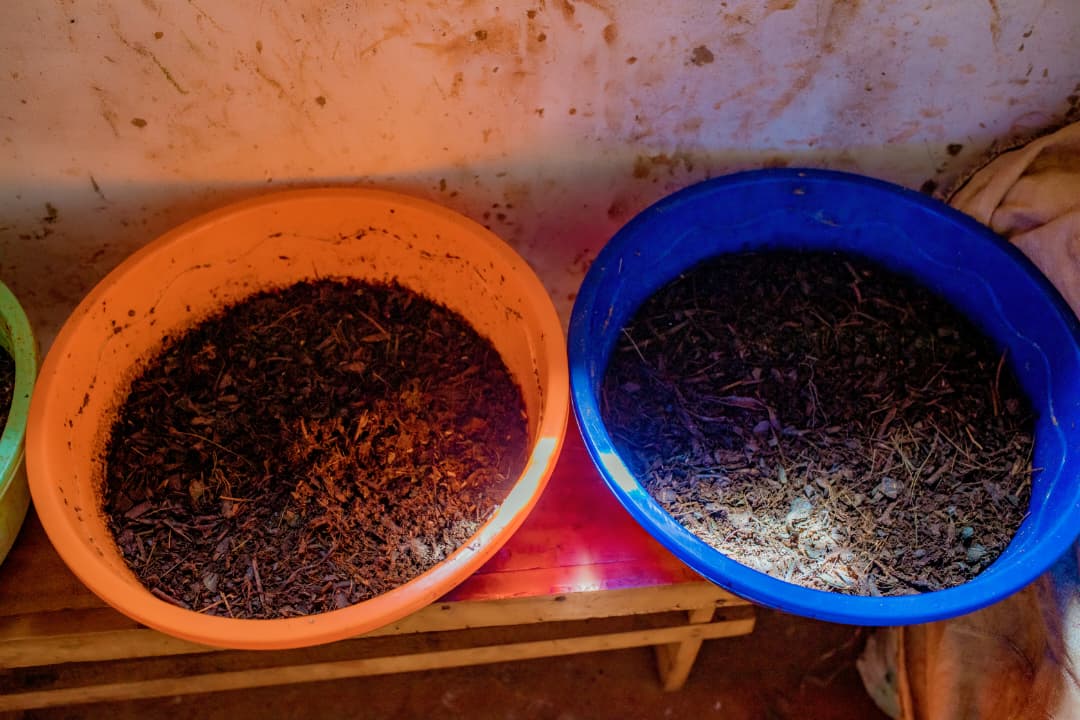 Members of Jyambere Mworozi Rusenge union say they can now produce their own livestock feeds using improved techniques
 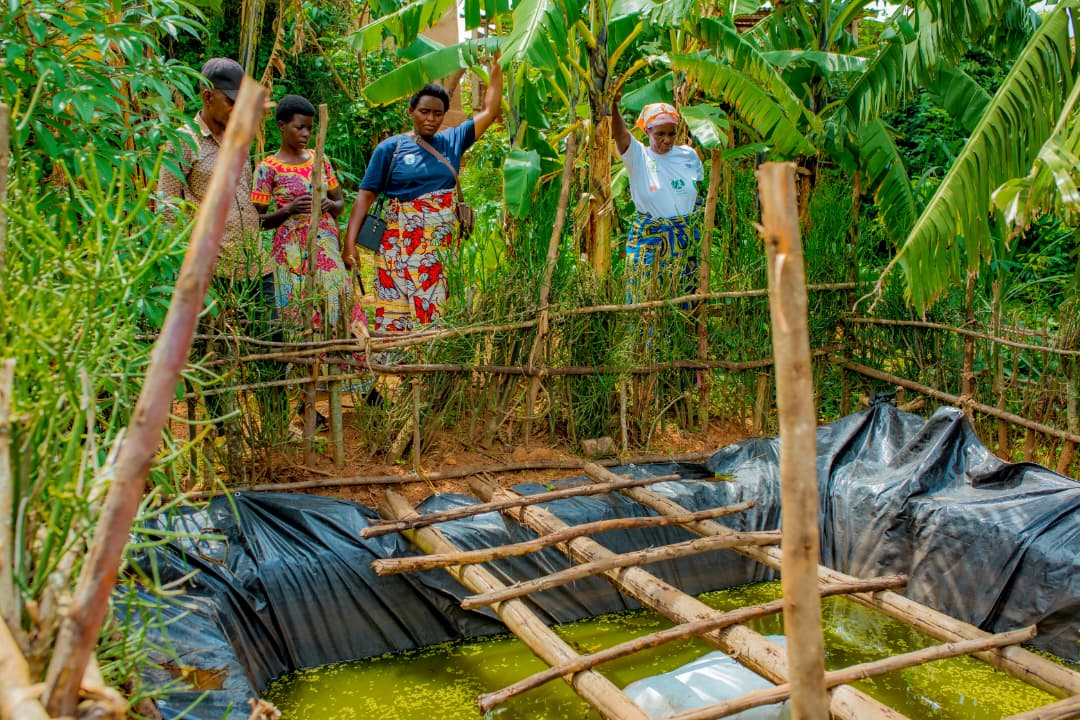 Members of Jyambere Mworozi Rusenge union say they were trained to plant azolla to reduce feed costs and boost pig growth
  theinspirerpublications@gmail.com




Leave a Reply