

Audio publishing training in Kigali signals shift in African book industry
By The Inspirer.
KIGALI — A growing interest in audio publishing is reshaping how African literature is produced and consumed, as writers, publishers and cultural entrepreneurs explore new ways to reach audiences beyond print.
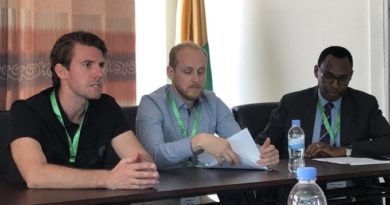
This shift was evident in Kigali this week when Arise Book Academy hosted a training session focused on audiobook production and digital distribution.
The training, held at Ayina Think Tank in Kigali, brought together authors and publishers from Rwanda and beyond to examine how audio formats can expand access to African stories in a rapidly evolving publishing landscape.
It was facilitated by Ama Dadson, a Ghanaian entrepreneur and founder of AkooBooks Audio, Africa’s first audiobook streaming platform.
Organizers said the session reflected broader changes in African publishing, where digital tools are increasingly seen as essential for reaching readers across borders and overcoming barriers such as low literacy levels and limited access to physical books.

Arise Book Academy, led by Rwandan publishing professional Gasana Mutesi, has positioned itself as a skills-focused platform aimed at strengthening Africa’s creative industries.
The academy works with writers and publishers to build capacity in areas such as digital publishing, rights management and new content formats.
The institution traces its origins to a professional exchange between Mutesi and Emma House, a publishing consultant with experience in international book markets.
That exchange, according to academy representatives, helped shape a model focused on mentorship, innovation and practical training rather than traditional classroom instruction.
The Kigali training was hosted at Ayina Think Tank, an intellectual and cultural hub led by Damien Mouzoun. Ayina has become known for convening discussions on literacy, education and innovation, making it a natural venue for a conversation on the future of publishing in Africa.
During the session, Dadson walked participants through the fundamentals of audiobook production, including voice recording, sound quality, editing and mastering.
She also discussed copyright, licensing and distribution, explaining how African-produced audiobooks can reach international platforms such as Audible and Spotify.
Dadson told participants that her entry into audio publishing was driven by personal experience. She founded AkooBooks Audio after looking for ways for her visually impaired mother to access African novels. The platform now distributes audiobooks by African authors to listeners across the continent and in the diaspora.
She emphasized that audiobooks are not only a commercial opportunity but also an accessibility tool, particularly in regions where reading culture is shaped by oral traditions. Audio, she said, allows stories to reach people who may not have access to print or who consume content while commuting or working.
Participants at the training included writers experimenting with recording their own work, publishers exploring audio as an additional revenue stream, and cultural entrepreneurs considering audio-based startups.
Discussions also focused on producing audiobooks in local languages and adapting oral storytelling traditions to digital formats.
Organizers said the workshop was designed as both a technical training and a space for exchange, allowing participants to share ideas and test new approaches.
Several attendees said the session helped clarify how audio publishing could complement existing print and ebook strategies.
The training comes at a time when global demand for audiobooks is rising, driven by mobile technology and changing reading habits. For African publishers, the format offers a way to reach wider audiences without the costs associated with printing and physical distribution.
Mutesi said Arise Book Academy views audio publishing as part of a broader strategy to ensure African voices remain visible in global cultural markets. She noted that digital formats allow stories produced on the continent to circulate internationally while remaining rooted in local contexts.
Arise Education, the umbrella organization behind the academy, is also pursuing partnerships with international digital publishing platforms to strengthen distribution channels for African content.
Officials say these efforts are aimed at creating sustainable income opportunities for authors and publishers.
Future training sessions planned by the academy will focus on artificial intelligence in publishing and on rights selling, areas considered critical for competing in international markets.
These sessions are expected to address topics such as contract negotiation, translation rights and content discoverability.
Observers say initiatives like the Kigali training highlight Rwanda’s growing role as a convening space for cultural and creative industries in the region.
By bringing together local and international expertise, such programs are contributing to conversations about how African literature can adapt to technological change while preserving its cultural foundations.
As audio, ebooks and other digital formats gain ground, publishers say the challenge will be ensuring that African creators are not only consumers of new technologies but active producers shaping how their stories are told and shared.
In Kigali, that future is increasingly being imagined through sound as much as text.




Leave a Reply