

How digital books can reimagine knowledge and inspire a new reading culture in Rwanda
By Elias HAKIZIMANA.
In a world where attention spans are shrinking and online distractions are only a click away, reading has become an endangered habit. Yet, in Rwanda, a quiet revolution is beginning—one that seeks to merge technology with tradition, and to rediscover the power of books in a digital era.
The initiative to digitalize books is still new in Rwanda, but experts believe it holds the key to reshaping how knowledge is created, shared, and consumed. From university libraries to local publishers, a growing movement is calling on Rwandans to embrace digital books as a bridge between accessibility and quality education.
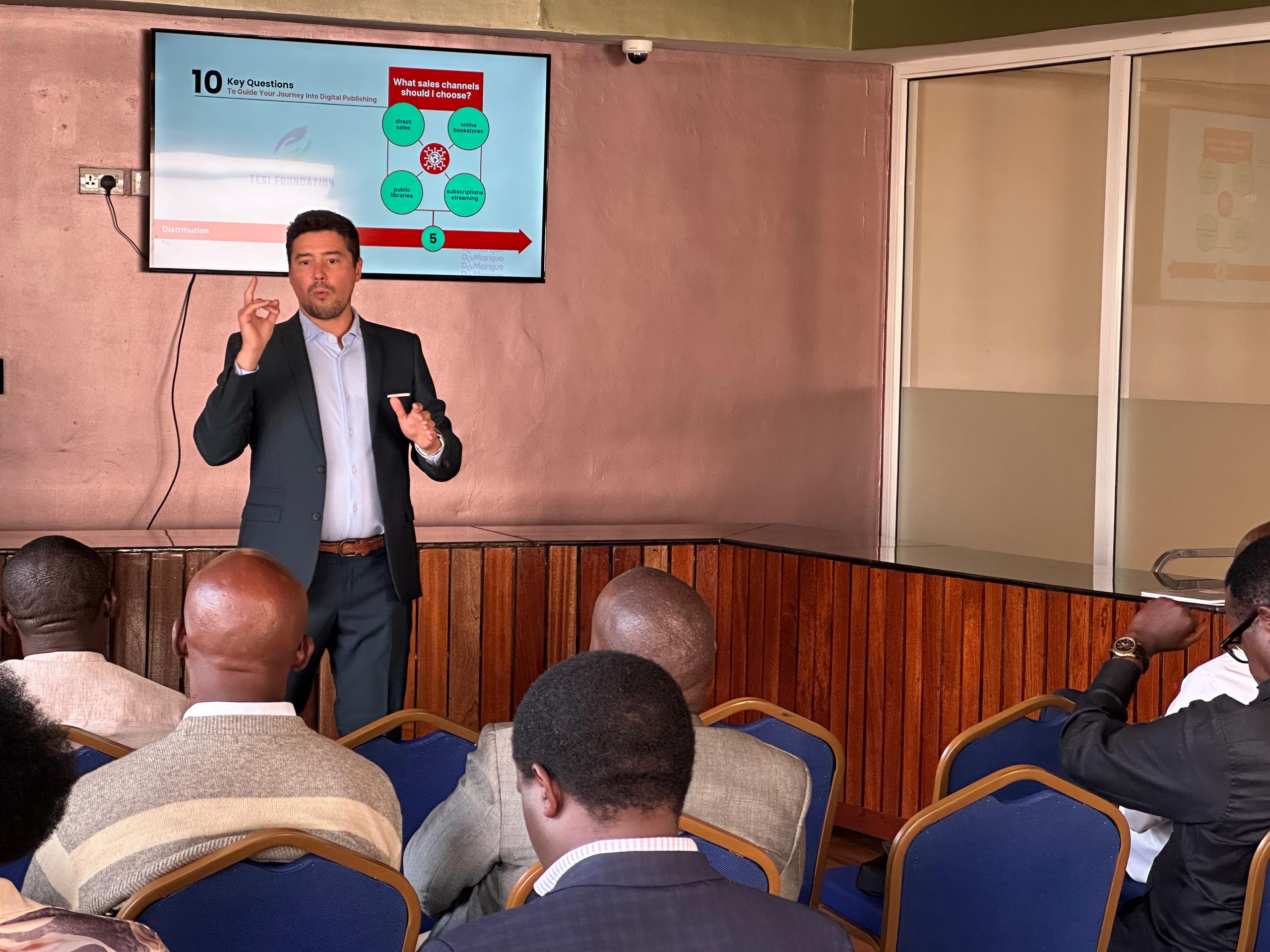
For Stanislas Padzunass, Director of Corporate Development at De Marque, a Canadian company pioneering global e-book and audiobook distribution, the mission is clear—make knowledge borderless.
“Digital is not here to replace physical books,” he explains. “It’s a new tool, a new format that removes the barriers of the physical world. If you’re a Rwandan publisher creating children’s books, it’s very difficult to make them available in libraries abroad. But with digital platforms, your work can reach readers in New York, Montreal, or Nairobi. That’s how the world discovers Rwanda’s stories and culture.”

De Marque, which has spent over 35 years helping publishers distribute content globally, is now setting roots in Rwanda. Through its streaming academic platform, ScholarVox International, the company offers access to more than 100,000 scientific and educational titles, empowering universities and schools to build digital libraries for their students.
“Rwanda is one of the most connected countries in Africa,” Padzunass notes. “People are tech-savvy, open-minded, and innovative. The infrastructure is strong, and the country is positioning itself as a digital leader. It’s the perfect place to grow a reading culture powered by technology.”
The lost art of deep reading
But while technology opens new doors, there’s a growing concern about how it’s being used.
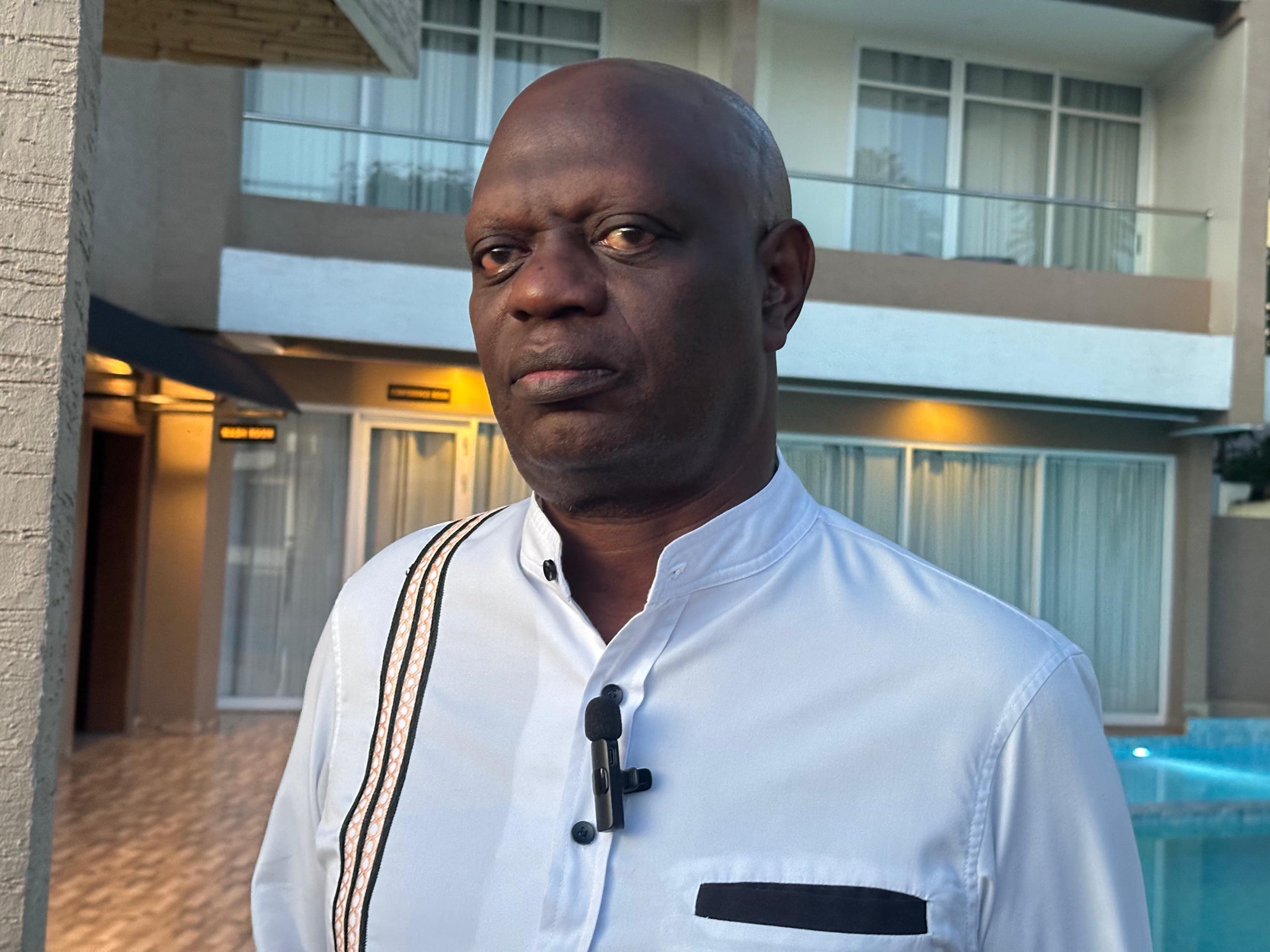
Retired Professor Egide Karuranga, an education expert and former Vice Chancellor of Kibungo University, warns that easy access to quick answers online has weakened people’s ability to think deeply and read meaningfully.
“People no longer read; they just search on Google and think they’ve learned something,” he says. “But real knowledge still resides in books. Digital libraries are where experts carefully select credible content, making it easier and more affordable for learners to access quality information.”
For Prof. Karuranga, integrating technology into education doesn’t mean abandoning the discipline of reading—it means strengthening it. He believes that platforms like De Marque’s digital library can bring world-class resources directly to Rwandan learners.
“The same textbook used at Harvard University can be accessed here in Kigali,” he emphasizes. “If Rwanda adopts such standards, then the rush to study abroad may no longer be necessary.”
Creating young readers, building a knowledge economy
Both Padzunass and Karuranga share a common belief: that the foundation of a strong education system—and by extension, a strong nation—lies in cultivating a love for reading from an early age.
“When we bring books to kids through digital platforms, we’re creating young readers,” says Padzunass. “If children develop a love of reading, they’re more likely to succeed in school and pursue higher education. And when access to knowledge is easy and affordable, the whole society grows.”
In digital reading, he sees not just convenience, but social transformation. A child in rural Nyamasheke, armed with a smartphone or tablet, can now access the same literature and scientific research as a student in Toronto or Paris. For the first time, the boundaries of access are being erased.
Digital and physical can thrive together
Despite the excitement around e-books, both experts insist that technology should complement—not replace—the physical reading experience. Local bookstores and libraries remain vital spaces of connection and discovery.
“The e-book is also a marketing tool for physical books,” Padzunass explains. “Libraries can use digital versions to expand their collections and give readers more choices. If someone doesn’t find a book on the shelf, they can discover it online instead. Digital and physical worlds can work hand in hand.”
Prof. Karuranga booms that balance: “Digital learning is powerful, but the culture of reading—turning pages, thinking deeply, and discussing ideas—must never fade. That’s where wisdom is born.”
A future without borders
As Rwanda invests in smart classrooms, digital literacy, and open educational resources, experts see an opportunity to turn the country into a continental hub of knowledge sharing.
Padzunass envisions a future where Rwanda not only consumes knowledge but exports it—through its authors, educators, and creative industries.
“Digitalization gives Rwanda the power to share its culture and intelligence with the world,” he says. “When Rwandan books appear in libraries in North America or Europe, people don’t just read words—they discover a nation’s voice.”
For Prof. Karuranga, that vision carries an even deeper meaning: the restoration of Rwanda’s intellectual pride through reading.
“Knowledge is power,” he says quietly. “And books—whether printed or digital—remain the vessels of that power. If we build a nation of readers, we build a nation that can think, innovate, and lead.”
In a country aiming to become Africa’s digital knowledge hub, the next chapter begins not with gadgets—but with the minds willing to read, learn, and share.
theinspirerpublications@gmail.com




Leave a Reply