
Embracing the ‘Pfumvudza’ revolution: How climate-smart farming is transforming lives in rural Rwanda
By Elias HAKIZIMANA.
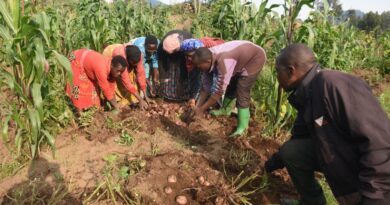
In the sunbaked hills of Kirehe District, eastern Rwanda, a quiet agricultural revolution is taking root. Women farmers who once struggled to feed their families on depleted soils are now harvesting abundant crops—thanks to a simple yet powerful technique known as Pfumvudza.
Pfumvudza, a Shona word meaning “new spring growth,” was first developed in Zimbabwe by the organization Foundations for Farming.
The approach focuses on maximizing productivity on small plots of land while conserving water, protecting the soil, and adapting to the challenges of climate change. In Rwanda, it is locally called Ubuhinzi Budahungabanya Ubutaka (UBU) literally meaning “farming that preserves the soil.”
From chaos to climate-smart cultivation
For farmers like Esperance Uwizeyimana, a mother of five from Gahara Sector in Kirehe District, the transformation has been nothing short of remarkable. A member of the Terimbere Muhinzi Cooperative, Uwizeyimana recalls how farming used to be an exhausting and uncertain endeavor.

“We used to plant in chaos,” she says with a warm smile. “We scattered seeds randomly, used a lot of energy, and spent heavily on fertilizers. The yields were poor, and sometimes we didn’t even recover what we invested.”
That changed when the Joint Programme on Accelerating Progress Towards Rural Women’s Economic Empowerment (JP RWEE), a collaboration between UN Women, FAO, IFAD, and WFP introduced Pfumvudza to farmers in her cooperative. With technical support from INADES Formation Rwanda, members learned a new way of farming that required careful planning, precision planting, and minimal soil disturbance.
The Pfumvudza process
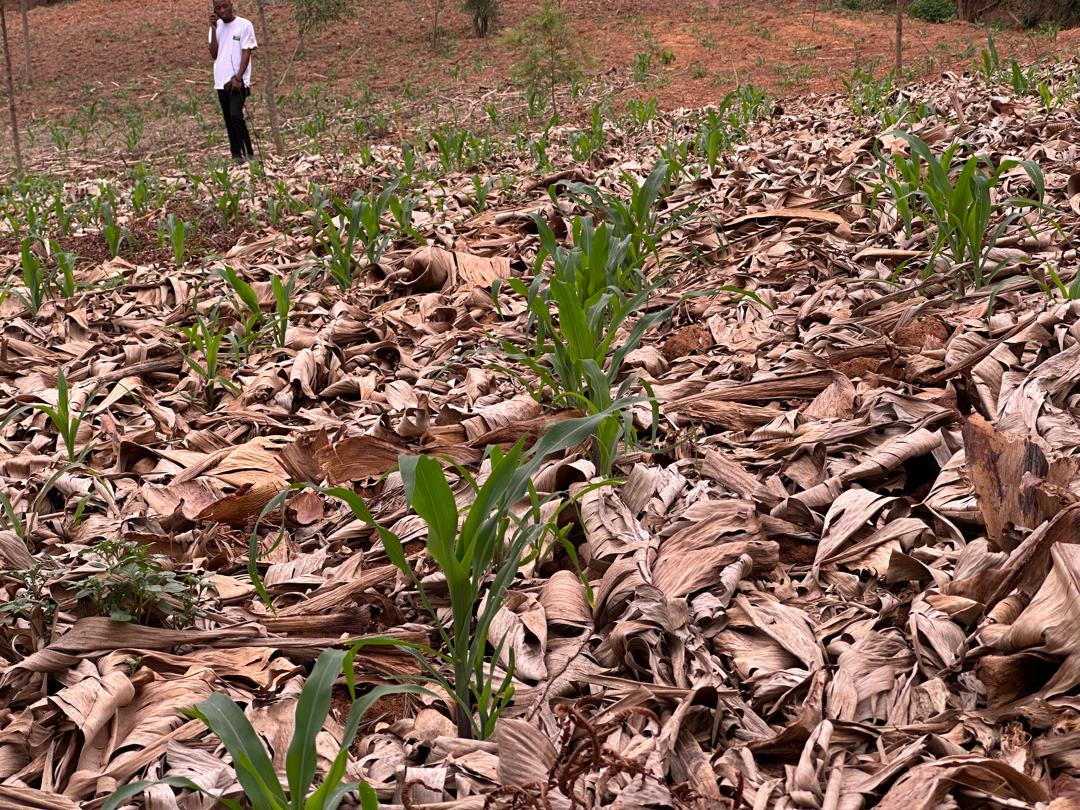
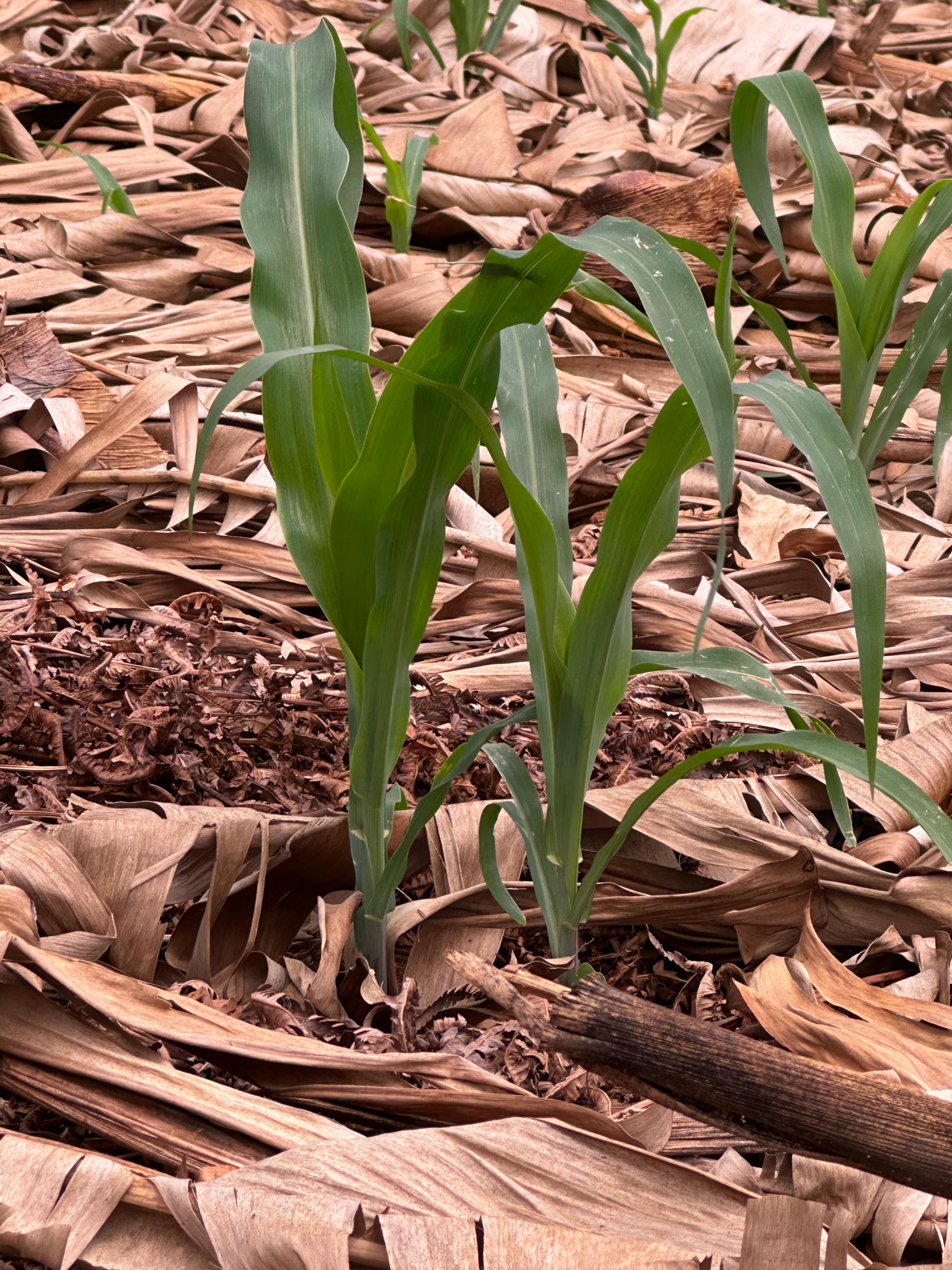
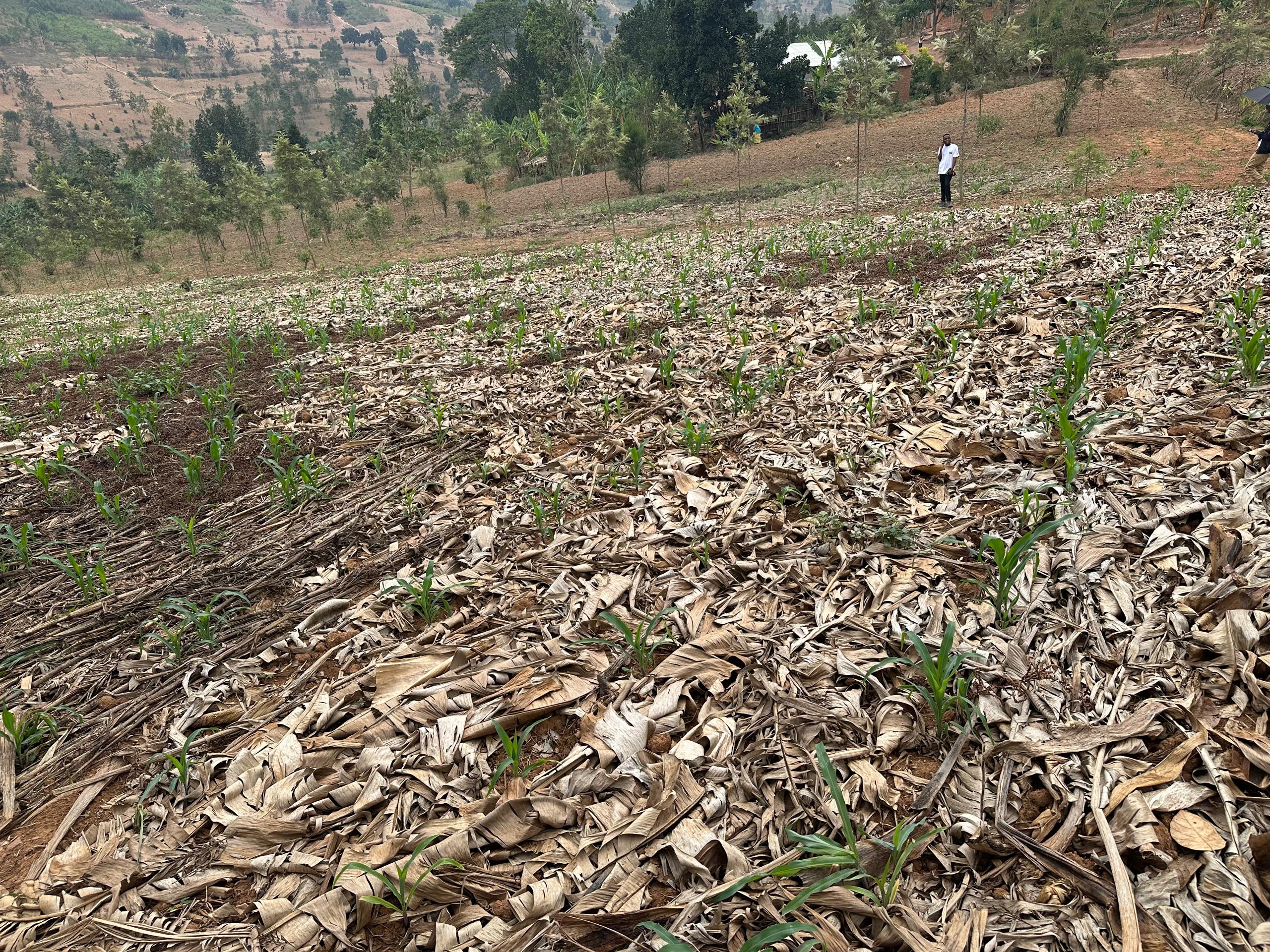
The technique begins with removing grass and digging small planting basins in straight rows, each spaced about 75 centimeters apart. Farmers mix manure and DAP fertilizer with soil before sowing three maize seeds per hole, later thinning them to two healthy plants. Dry grass mulch is added to retain soil moisture and nutrients, while small irrigation machines provided through JP RWEE ensure steady watering during dry spells.

Uwizeyimana proudly explains that these changes have paid off. “From one acre, we used to harvest around 27 kilograms of maize,” she says. “With Pfumvudza, we now get about 108 kilograms from the same land.”
Encouraged by these results, her cooperative expanded from just one acre of trial plots to 60 acres.“We expect around 5.4 tons of maize this season,” she adds.
Growing change beyond the cooperative
The ripple effect is spreading beyond cooperative fields. Many members, including Uwizeyimana, have applied the same techniques in their home gardens, inspiring neighbors to do the same. “We practice Pfumvudza at home so others can see and learn,” she says. “It’s a way of sharing what we’ve gained.”
Aside from boosting yields, the method has proven effective in managing pests like armyworms and improving soil fertility season after season. Farmers are also experimenting with beans and other crops, adapting the model to their local conditions.
Women leading the transformation
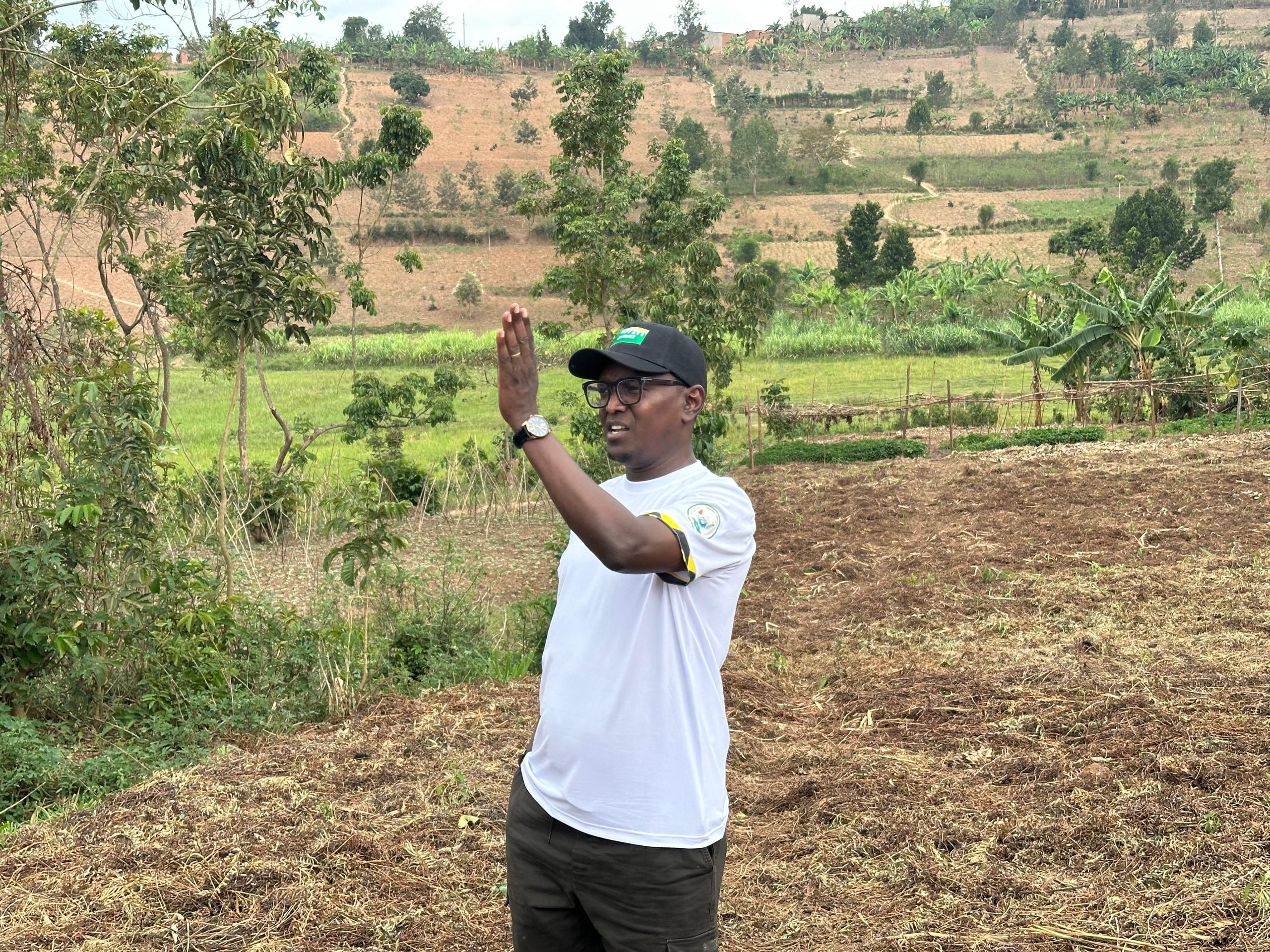
According to Elvis Nkundanyirazo, JP RWEE focal person at IFAD, smart agriculture techniques like Pfumvudza are especially empowering for women.
“This method allows farmers to work efficiently without degrading the soil while increasing productivity,” he explains. “We’ve prioritized training women because it reduces their workload and helps them achieve better harvests.”
Nkundanyirazo notes that studies by the Rwanda Agriculture and Animal Resources Development Board (RAB) have confirmed the positive results of smart agriculture practices wherever they are applied. “Beyond improving yields, these methods protect the environment, enhance climate resilience, and preserve biodiversity,” he says.
A model for sustainable farming
Pfumvudza’s success aligns perfectly with Rwanda’s national goals for climate-smart agriculture and rural women’s empowerment. The technique, now part of Phase II of the JP RWEE program (2022–2027), is being implemented across five districts, including Kirehe, Ngoma, Nyaruguru, and Gisagara.
For farmers like Uwizeyimana, it’s more than just a new way of planting, it’s a lifeline. “Before, we relied on luck and prayers for good harvests,” she reflects. “Now, we have knowledge, skills, and confidence that our work will bear fruit.”
As the midday sun glows over her fields, Uwizeyimana and her fellow farmers look ahead to the next planting season—not with anxiety, but with renewed confidence. Their journey proves that when science meets tradition, and when women are empowered with the right tools, even the smallest plots of land can flourish into powerful symbols of resilience and hope.
theinspirerpublications@gmail.com




Leave a Reply