
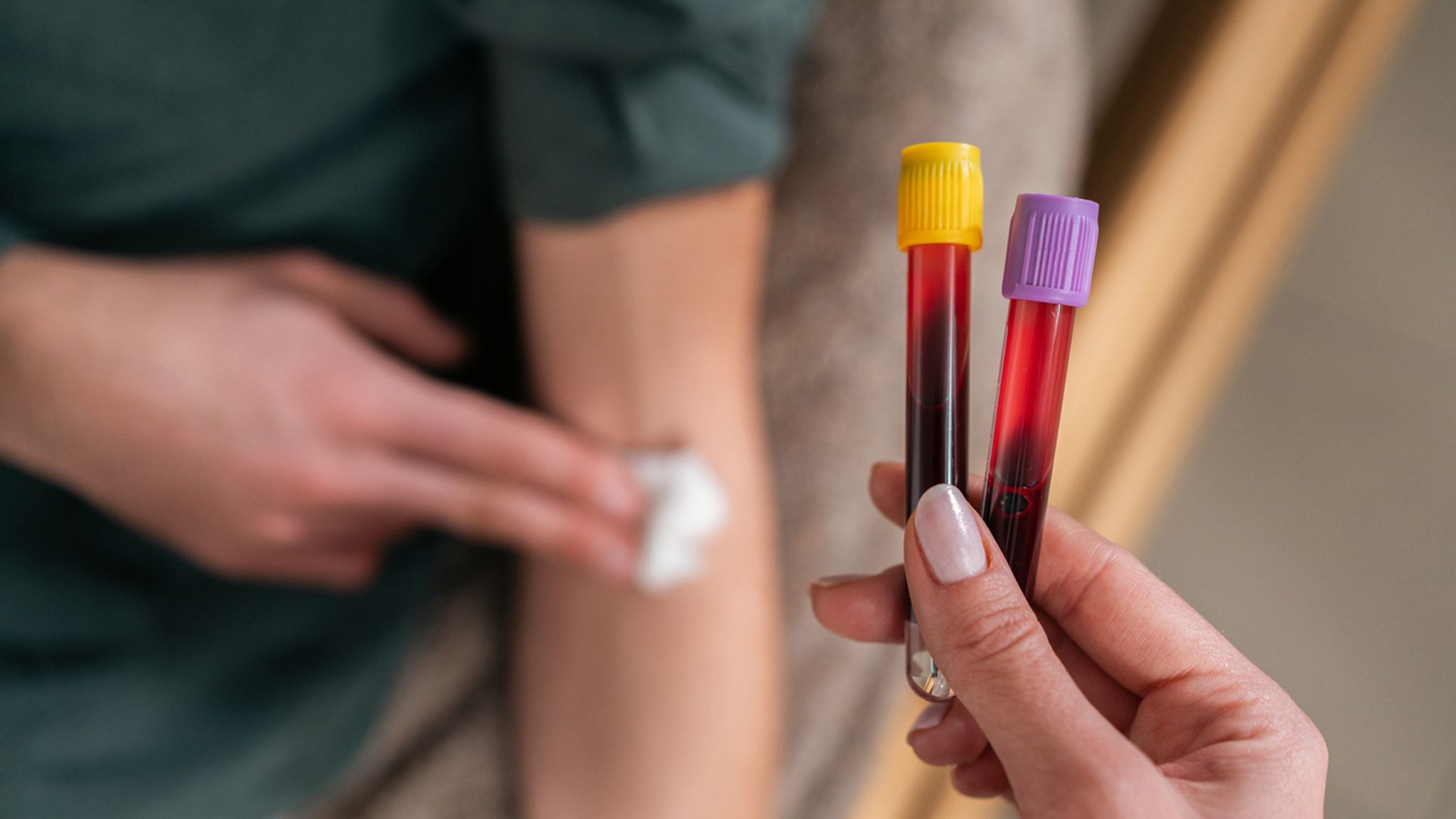
New blood test detects more than 50 cancers, promising earlier diagnosis and better outcomes
By The Inspirer.
A groundbreaking blood test capable of detecting more than 50 types of cancer could revolutionize early diagnosis and save thousands of lives, according to new study results from the Pathfinder 2 trial conducted in the US and Canada.
The Galleri test, developed by US biotechnology firm Grail, analyzes fragments of DNA shed by cancer cells into the bloodstream—often before symptoms appear. In the trial, more than 23,000 symptom-free participants were monitored for at least a year.
Results showed that among those whose blood samples indicated a “cancer signal,” 61.6% were later confirmed to have the disease. The test also proved highly accurate at ruling out cancer, correctly identifying 99.6% of cases as cancer-free, and pinpointing the affected organ or tissue 92% of the time.
Researchers say the findings could help doctors detect cancer much earlier, when it is easier and cheaper to treat. The study also suggested that Galleri could be used alongside existing screening programs for breast, bowel, and other cancers to enhance detection rates.
Sir Harpal Kumar, Grail’s president of international business and biopharma, said the test detected “seven times as many cancers as all other screening programs combined,” calling it a “transformative step” for cancer care.
Modelling indicates that using Galleri as an annual blood test for people over 50—an age group where cancer risk rises sharply—could dramatically reduce late-stage diagnoses and cancer-related deaths. A BMJ Open study earlier this year estimated that widespread annual testing could lead to 49% fewer late-stage cancers and 21% fewer deaths within five years.
However, experts have urged caution. Professor Clare Turnbull from the Institute of Cancer Research said more evidence is needed to determine whether such tests actually lower cancer mortality rates. Professor Anna Schuh of the University of Oxford also warned that the test “gets it wrong nearly half the time” when producing positive results, describing that as “disappointing” despite its overall potential.
The NHS is currently running its own large-scale Galleri trial, with results expected next year, to evaluate the test’s real-world performance in screening symptom-free individuals.
If proven effective, Galleri could mark a major shift in cancer detection, allowing routine blood tests to catch cancers long before symptoms appear—potentially transforming survival rates worldwide.


Leave a Reply