
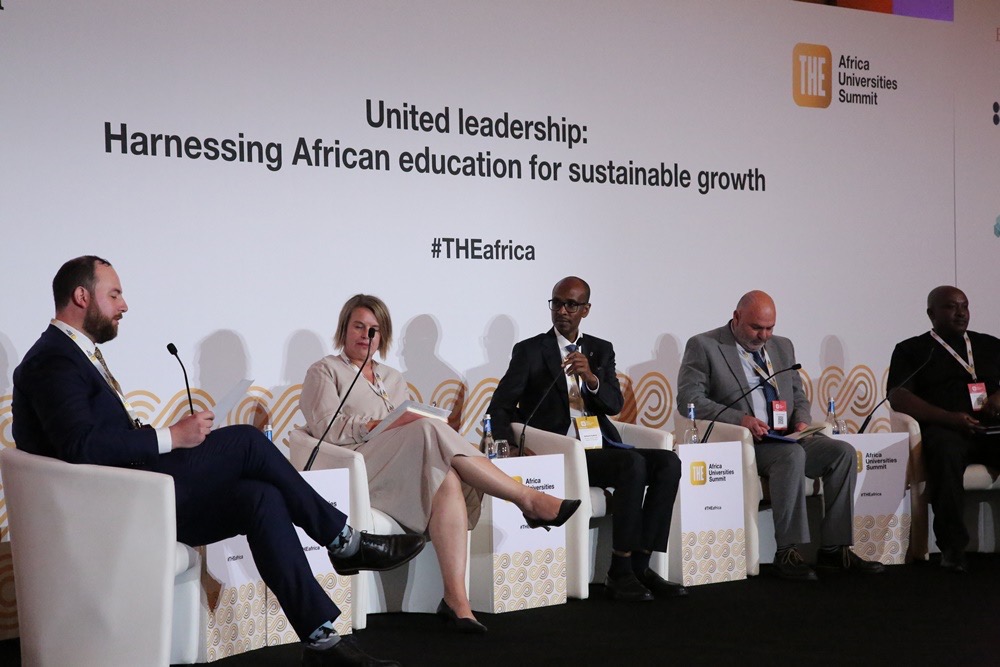
Rwanda hosts Africa Universities Summit 2025, highlighting key challenges and opportunities for higher education
By Elias Hakizimana
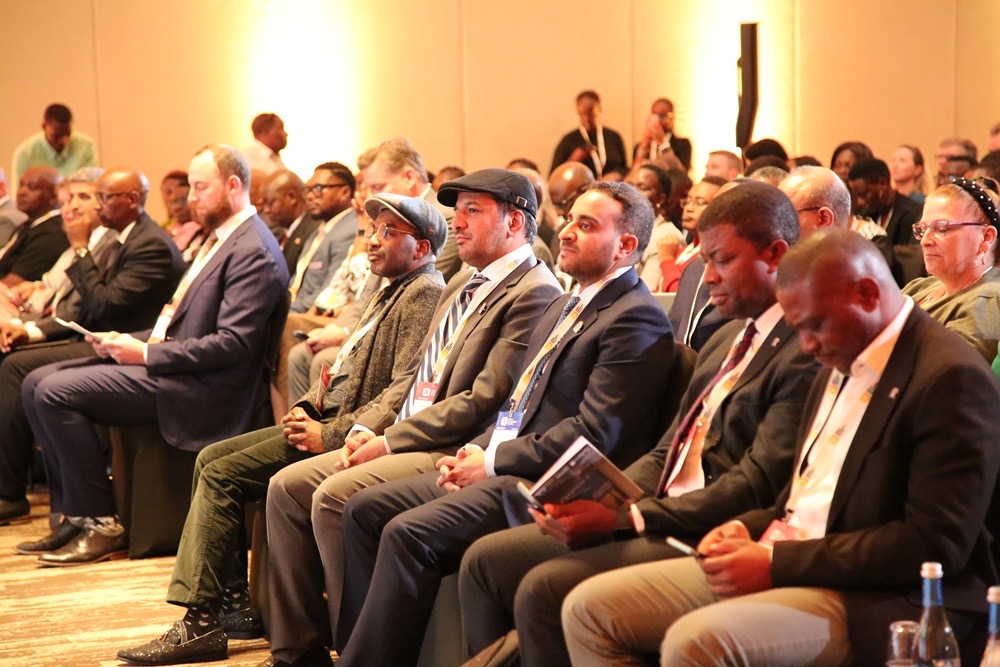
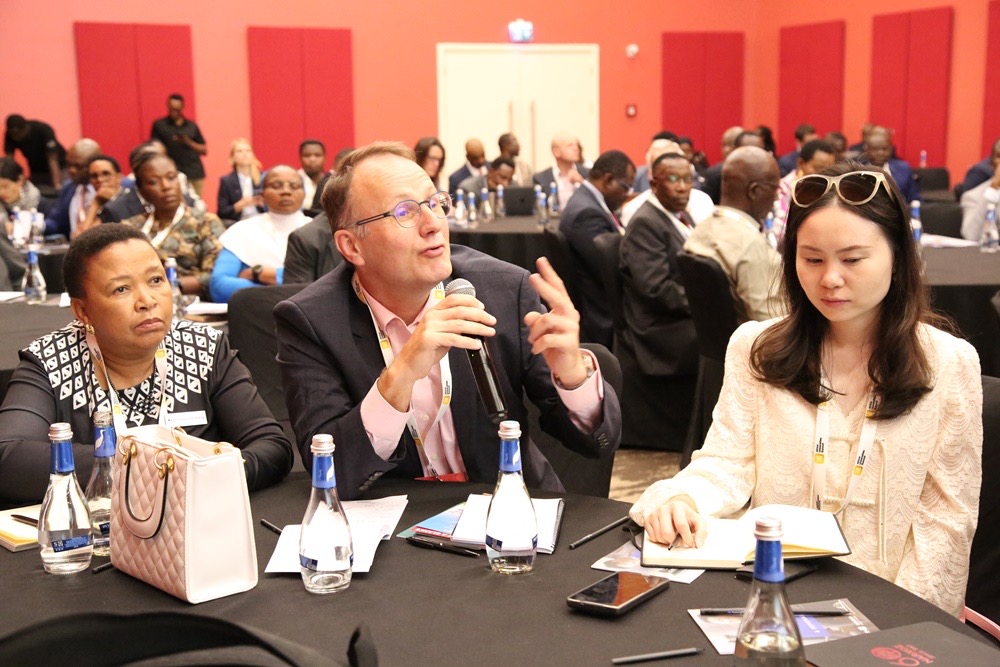
Kigali, Rwanda – March 18, 2025: The Times Higher Education (THE) Africa Universities Summit officially opened in Kigali, drawing over 350 delegates, including university leaders, policymakers, industry experts, and civil society representatives.
Running from March 18 to 20, 2025, the summit focuses on the theme “United Leadership: Harnessing African Education for Sustainable Growth,” addressing critical issues facing African higher education and exploring potential pathways for transformation.
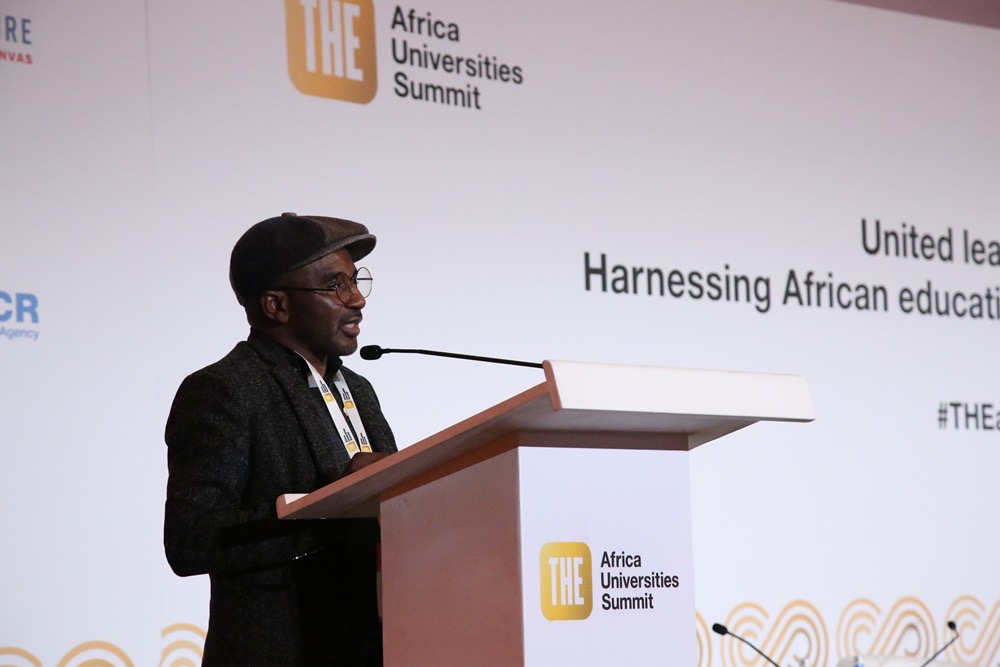
Dr. Edward Kodozi, Director General of Rwanda’s Higher Education Council, delivered a powerful address on the pressing challenges facing the sector. He stressed the urgent need for education systems to align with the evolving demands of local economies.
“If we educate without considering the market’s needs, we create a mismatch between skills and employment opportunities,” Dr. Kodozi explained.
He also highlighted the fragmentation of curricula across African nations, urging for a harmonized approach that equips graduates with the skills necessary for the continent’s economic growth.
Keynote speakers at the summit include Dr. Philip Cotton, Vice-Chancellor of the University of Global Health Equity, and Dr. DeWayne Frazier, President of the American University of Nigeria. Their presentations are driving discussions on equity, sustainability, digital transformation in education, and improving employability through research and academic excellence.
Phil Baty, Chief Global Affairs Officer of THE, emphasized Africa’s growing role in the global education sector. He noted the summit’s significance in fostering international collaborations, highlighting Rwanda’s emerging role as a key player in the global knowledge economy.
A notable moment at the summit was the participation of Saudi Arabia’s delegation from Prince Sattam Bin Abdulaziz University (PSAU), who introduced the “Study in Saudi” program. This initiative offers fully funded education at Saudi public universities and aims to attract global talent.
Additionally, the PSAU Global South Partnership was launched, fostering collaborations between African and Saudi universities, focusing on sustainability, student-centric learning, and addressing Africa’s real-world challenges.
Despite significant strides, the summit also highlights the stark disparities in higher education across the continent.
While North Africa’s enrollment rates are closer to the global average of 40%, Sub-Saharan Africa lags behind with only 9% of youth enrolled in universities.
Dr. Kodose called for increased investment in education, emphasizing the long-term economic benefits that a robust education system could bring to Africa.
In a panel discussion titled “Unlocking Africa’s Rising Youth Potential Through United Leadership,” British High Commissioner to Rwanda, Alison Thorpe, emphasized the importance of cross-border partnerships.
She stressed that collaborations between African universities and international institutions, like those between Rwanda and the UK, are essential for addressing both local and global challenges.

These partnerships improve knowledge exchange, foster innovation, and enhance the educational landscape across Africa.
Malik Koklev, Director General of International Cooperation in the Ministry of Education and Research, highlighted financing as a critical barrier to educational progress. He noted that many African nations allocate less than 3% of their GDP to education, which significantly hampers the development of a competitive workforce.
He referenced Tunisia’s first president, Habib Bourguiba, who famously said that schools would bring roads to remote areas, stressing the long-term impact of investing in education.
The summit also focused on the need for universities to better align their programs with market demands.
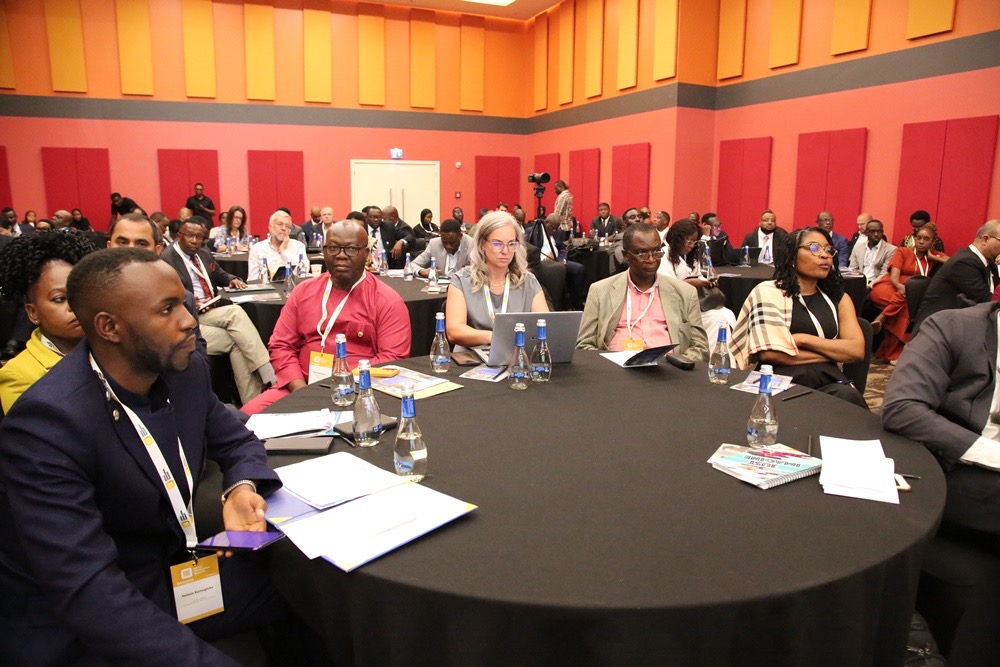
High unemployment rates among graduates persist, largely due to the disconnect between academic training and job market requirements.
Dr. Kodose called for universities to collaborate more closely with industries to create market-relevant programs that enhance employability and drive innovation.
In his remarks, Honourable Minister for Education of Rwanda, Joseph Nsengimana, addressed the gathering, acknowledging the transformative role education plays in Africa’s development.
He emphasized the importance of strong, inclusive partnerships, both within the continent and globally.
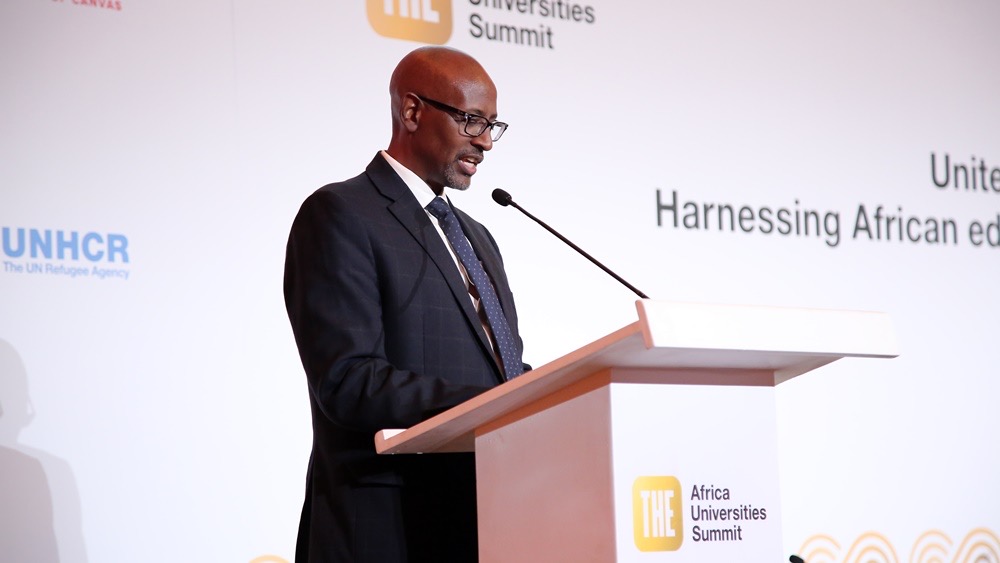
“The universities we represent today are not just centers of learning; they are catalysts of innovation, resilience, and economic growth,” said Minister Nsengimana.
The Minister further highlighted the importance of integrating sustainability into educational curricula, research, and institutional practices. He emphasized that sustainability is a necessity, extending beyond environmental concerns to encompass economic resilience, social equity, and inclusive governance.
“Universities must embody sustainability through green campuses and research that directly addresses Africa’s unique challenges.”
Minister Nsengimana also discussed the potential of digital technologies in education, noting that while they present challenges, they also offer immense opportunities to expand access to quality education, especially in underserved communities.
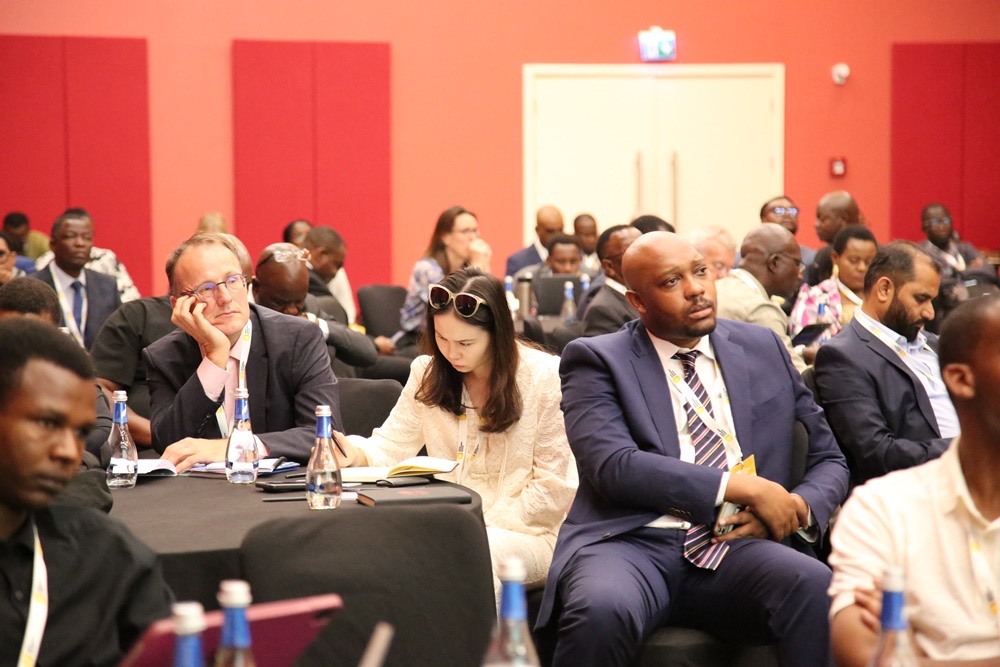
“Technology should enhance lives and promote equal opportunities for all,” he said.
The summit embarks on a call to action for universities to collaborate with industries, develop market-relevant programs, and focus on fostering innovation that can drive economic growth.
The discussions set the stage for future collaboration and transformation in African higher education.
The Africa Universities Summit 2025 proves to be a pivotal moment in shaping the future of higher education on the continent, with a focus on creating sustainable, inclusive, and forward-thinking educational systems that can drive Africa’s growth in the coming decades.
theinspirerpublications@gmail.com





Leave a Reply