
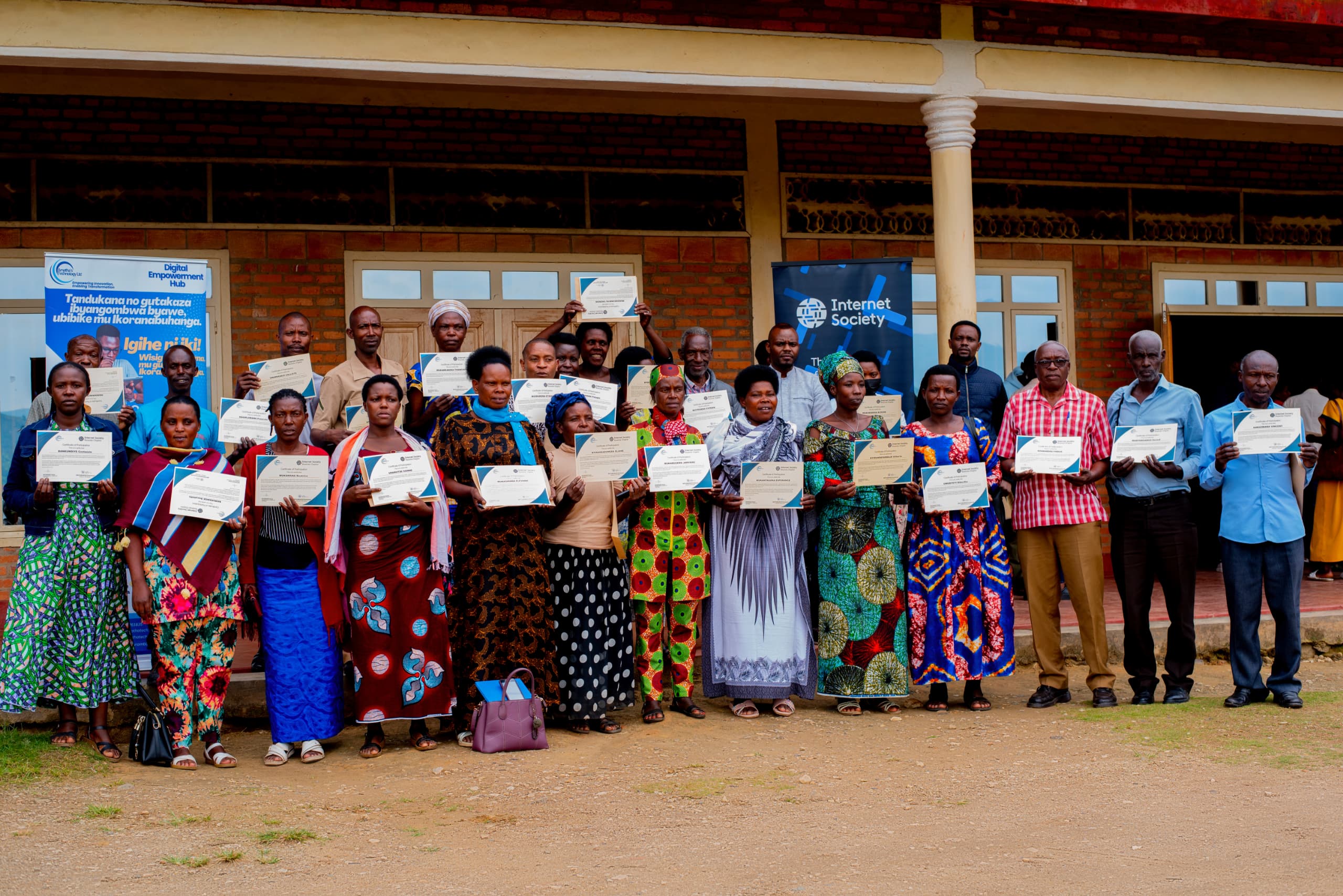
ISOC Rwanda promotes online safety and digital inclusion in Karongi district
By Elias HAKIZIMANA.
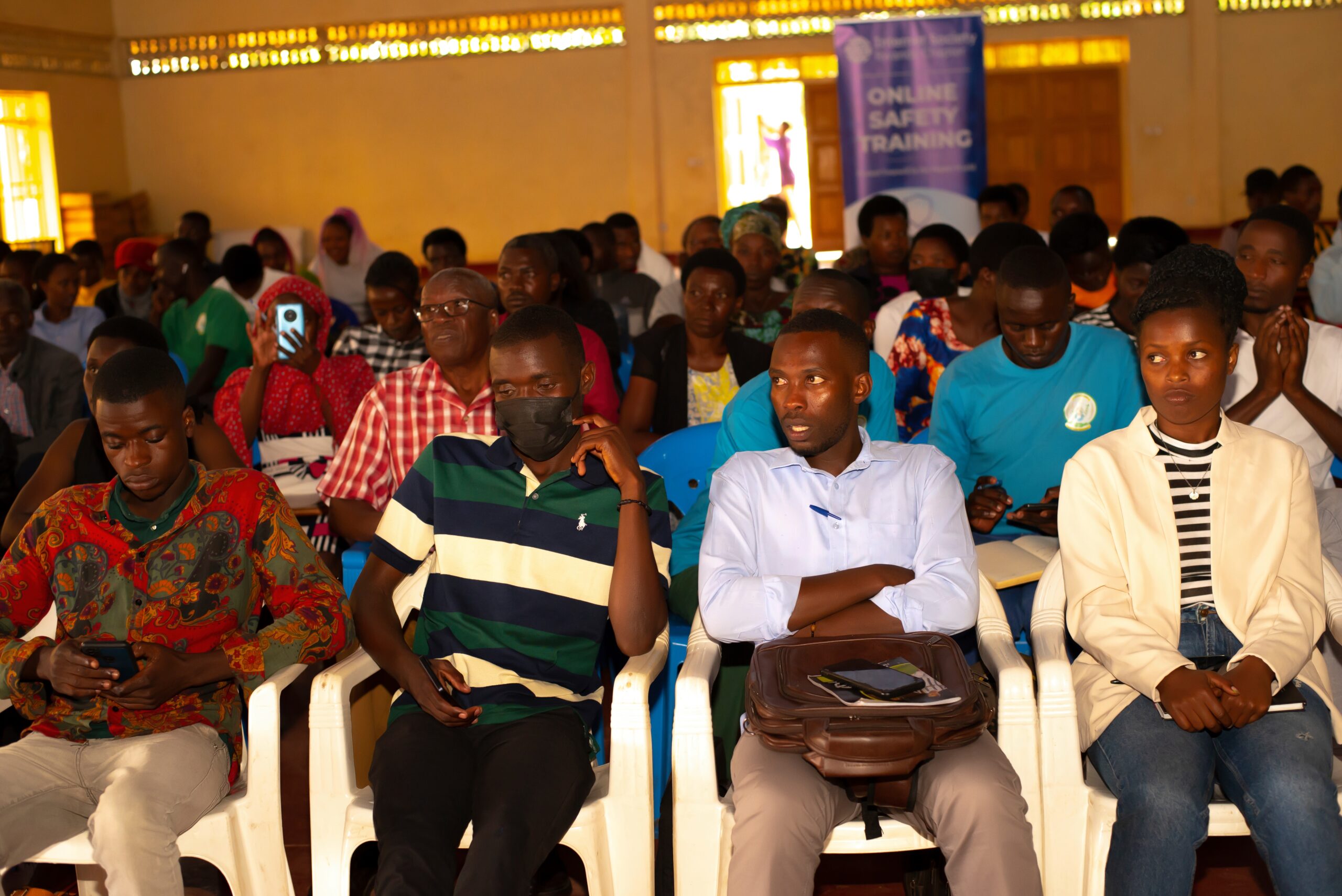
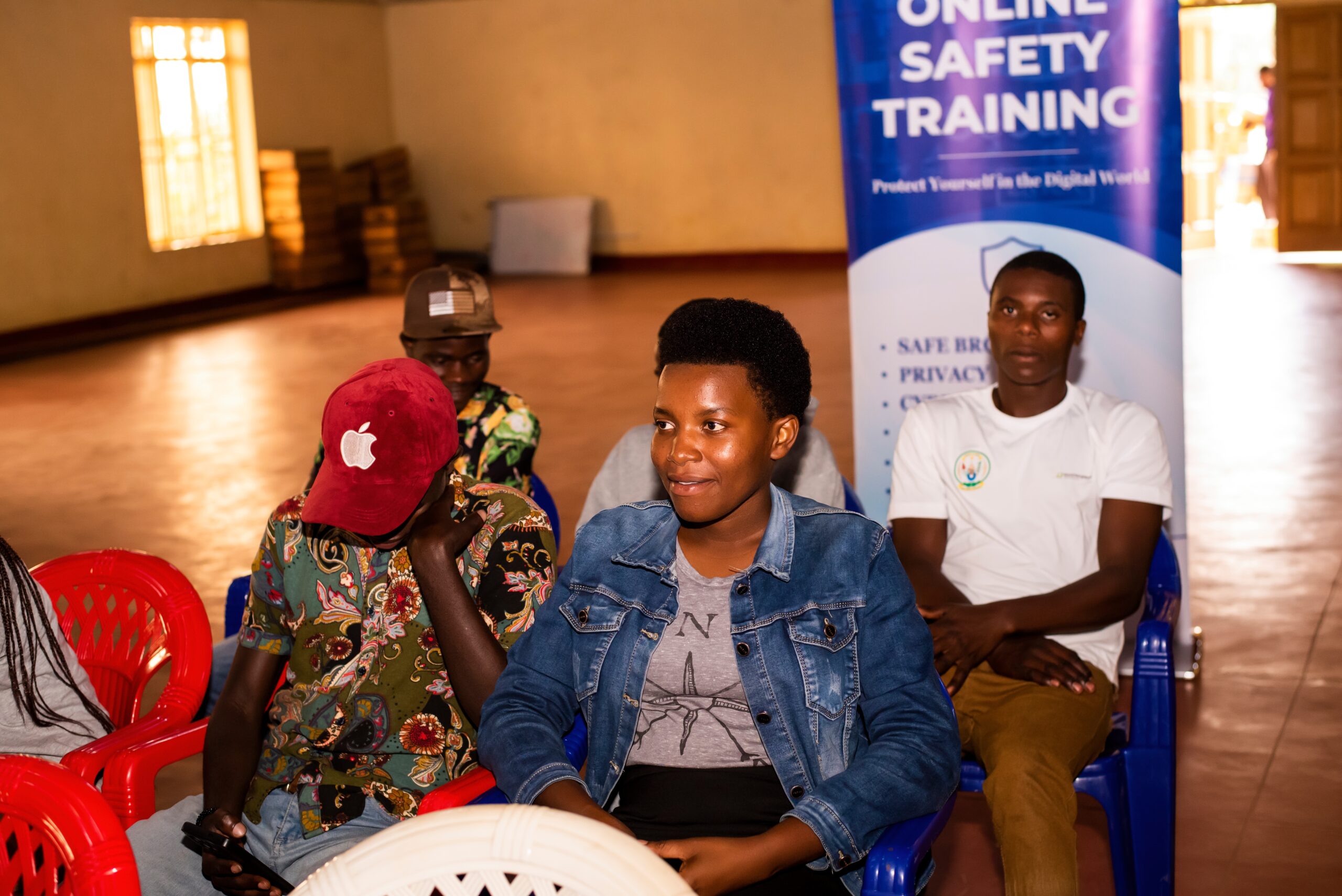
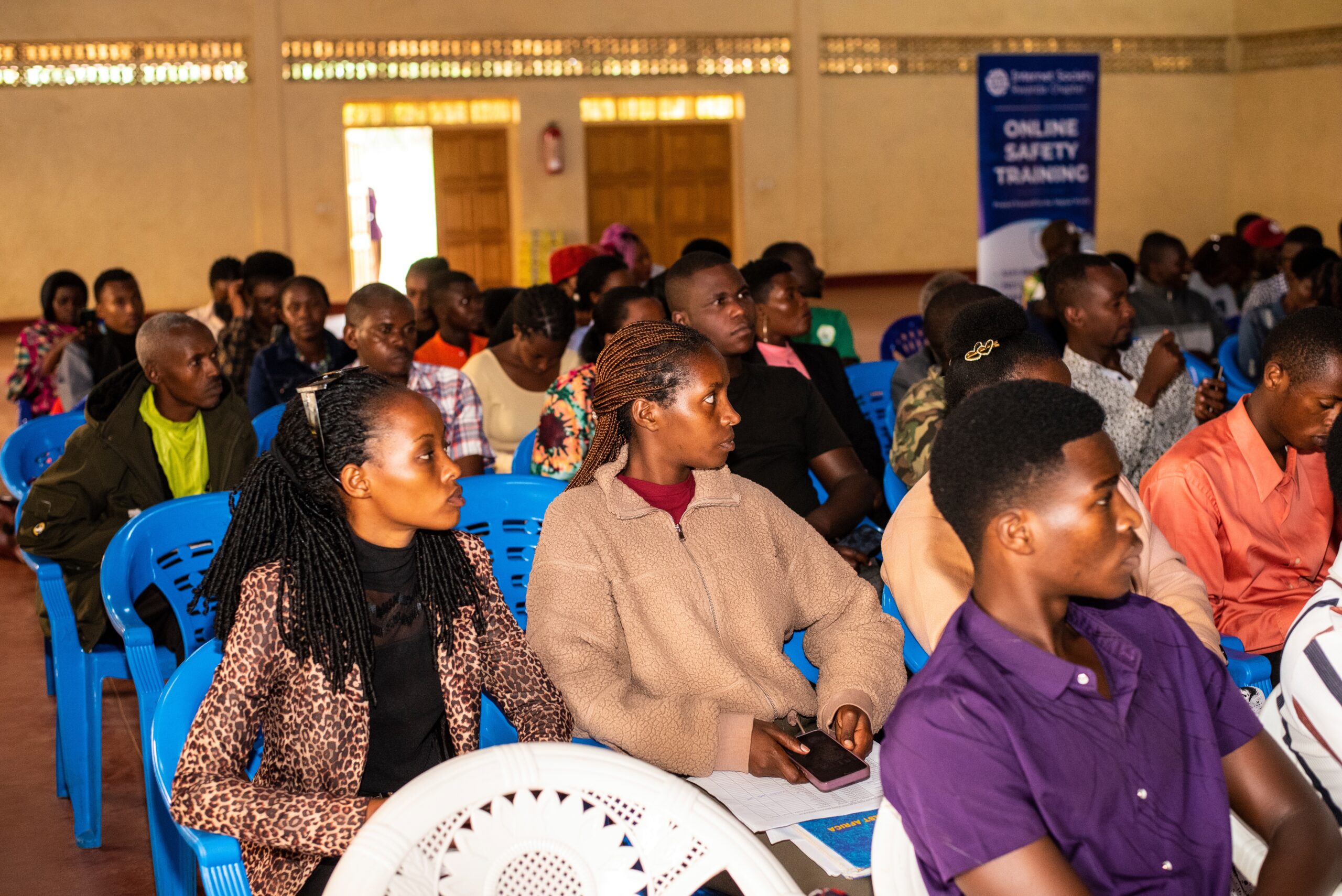
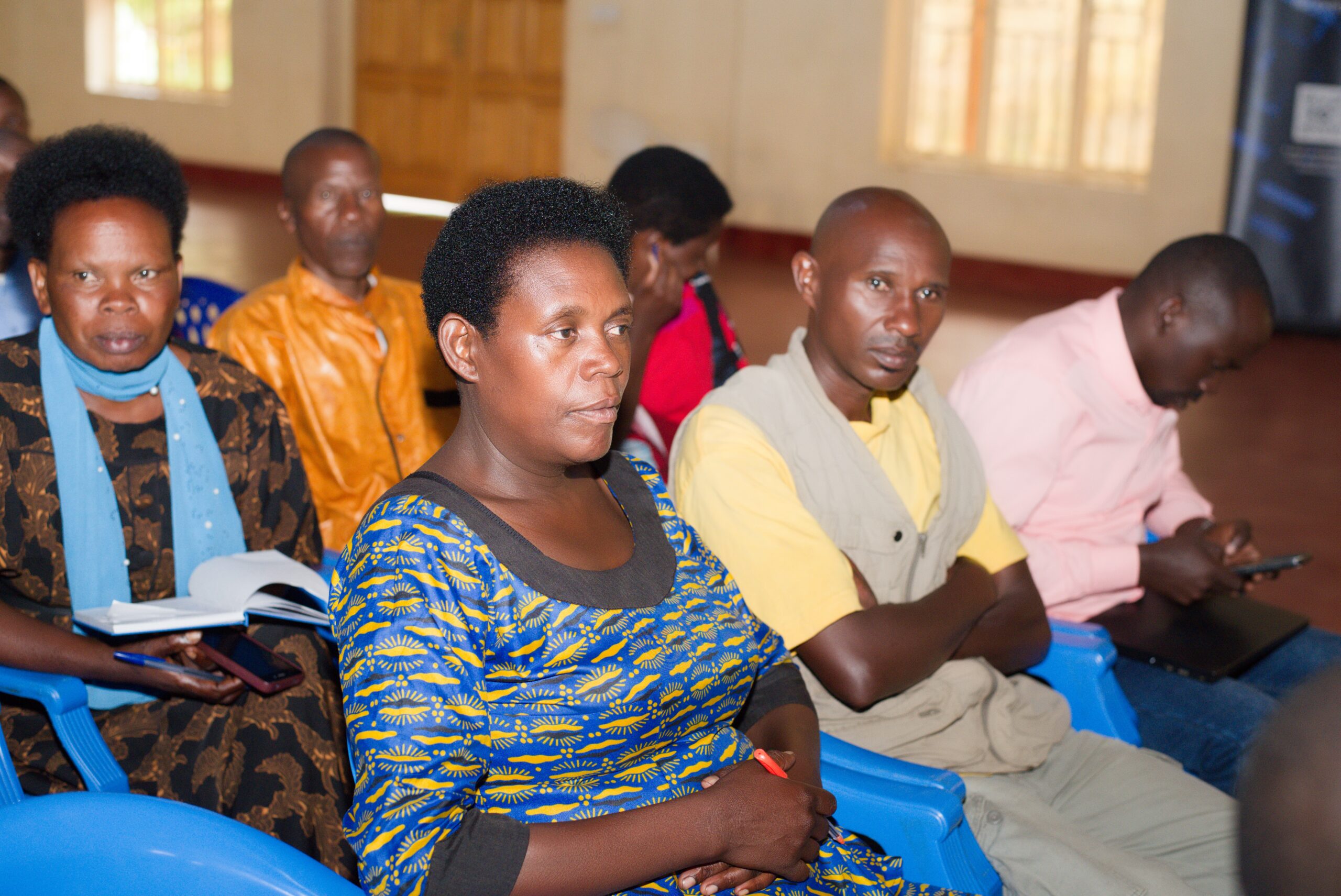
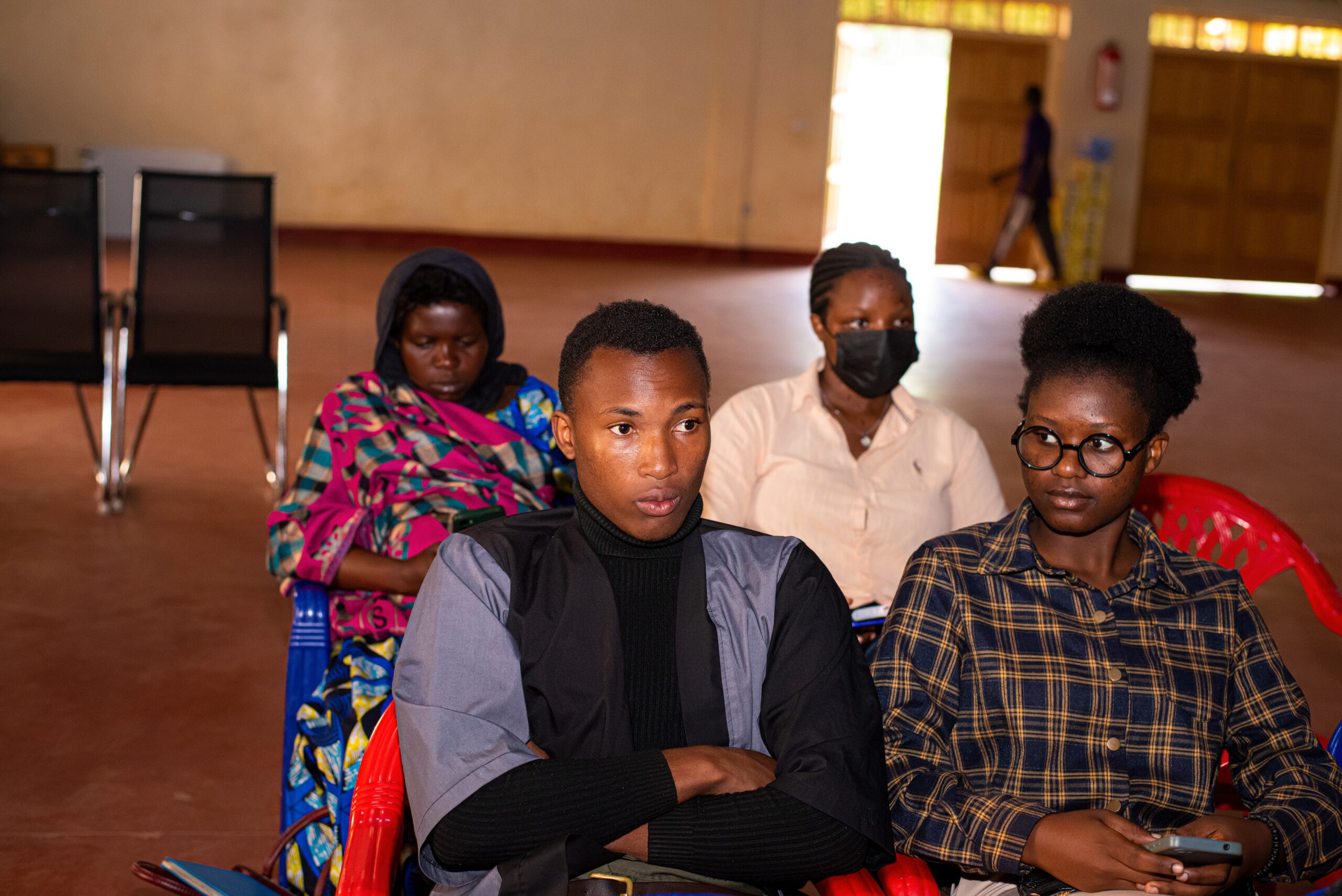
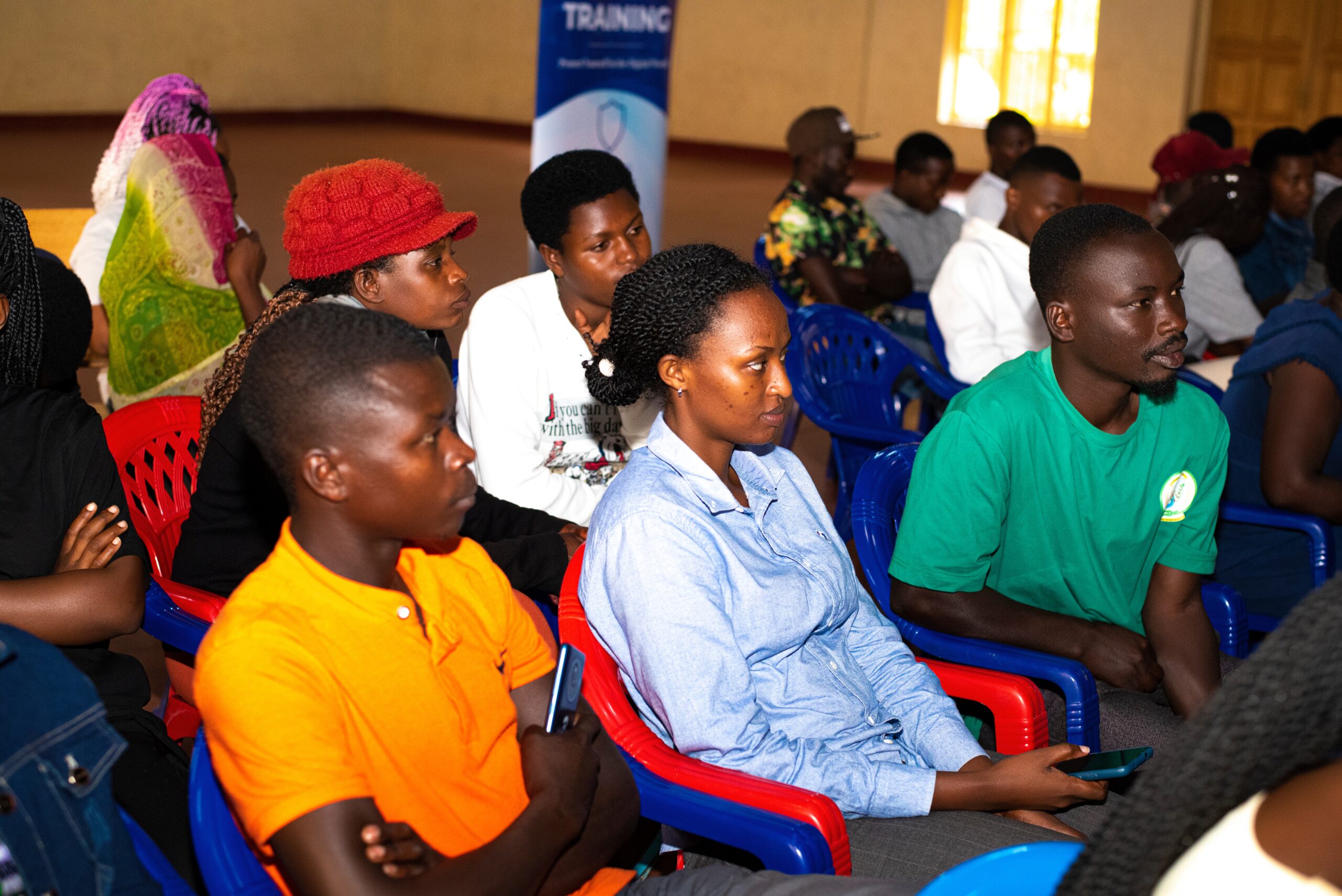
The Internet Society Rwanda Chapter, in partnership with Amatha’s Technology Ltd, has concluded a two-day capacity-building training on online safety for more than 100 youth and adults in Karongi District, Western Province.
Drawn from four sectors of the district, participants received hands-on training designed to equip them with essential digital skills, including how to use the internet safely and effectively for income-generating activities, protect themselves from cyber threats, and access public services through digital platforms like ‘Byikorere’ and ‘Irembo’.
Speaking at the event, Emmanuel Mfitumukiza, Chairperson of the Internet Society Rwanda Chapter, emphasized the need for inclusivity in the country’s digital journey.
“ICT services are not exclusive—they are meant for all Rwandans. When it comes to online safety, inclusivity is key. As the Internet Society, we are committed to promoting the internet as a transformative infrastructure that improves people’s lives,” he said.

Participants also learned how to conduct mobile transactions securely and navigate the digital space without falling victim to common online scams.
Aime Niyonagize, Founder and Managing Director of Amatha’s Technology Ltd, trading as Amatha Tech, highlighted the importance of grassroots empowerment.
“I’m proud of our partnership with the Internet Society Rwanda Chapter. Following today’s successful online safety training, we’re committed to expanding grassroots digital literacy programs to ensure every community member is equipped to navigate and thrive in the digital age,” he said.
“Now, the participants are Online Safety Champions who will continue to spread awareness and digital skills in their respective communities.”
The initiative directly supports Rwanda’s broader digital transformation agenda aimed at ensuring that no citizen is left behind in the digital revolution.
For many, the training was not just educational—it was transformational.
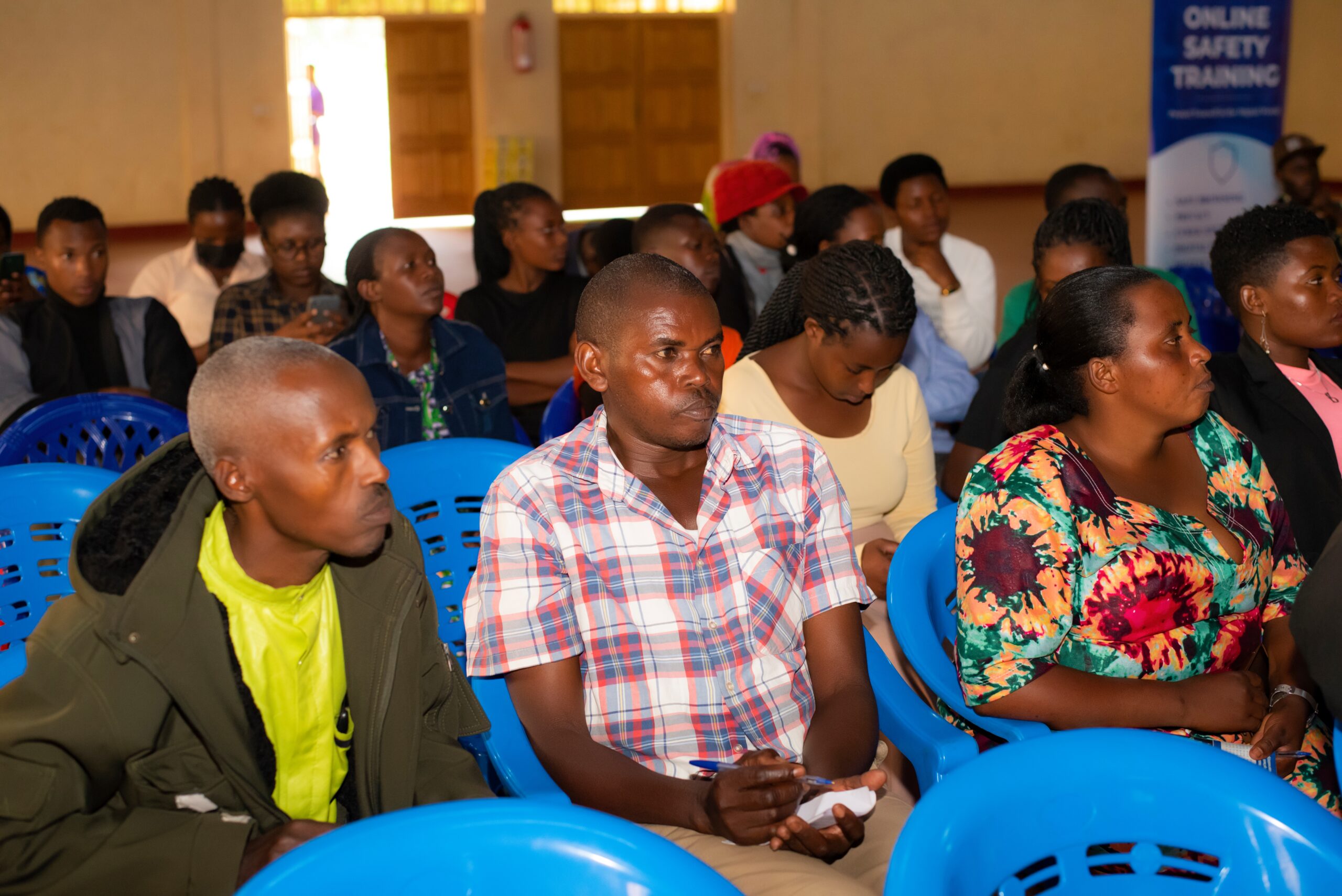
Mathias Habineza, 57, said the training demystified technology for older citizens like him.
“We learned all about ICT, especially how to protect our personal information. People used to call us asking for our mobile money PINs, but this will never happen to me again,” he said.
Fabrice Mihigo, 21, from Rubengera Sector, praised the lessons on safe social media use.
“I learned how to protect myself online, how to avoid scammers, and how to create strong passwords. I will help my friends avoid being misled and use social media for positive change,” he said.
Faustin Gakwaya, 81, also from Rubengera, said even without a smartphone, he now understands the risks.
“I learned how scammers operate. One man once called me saying he had sent me money by mistake and asked me to send it back. When I refused, he started insulting me. I now know how to deal with such calls,” he shared.
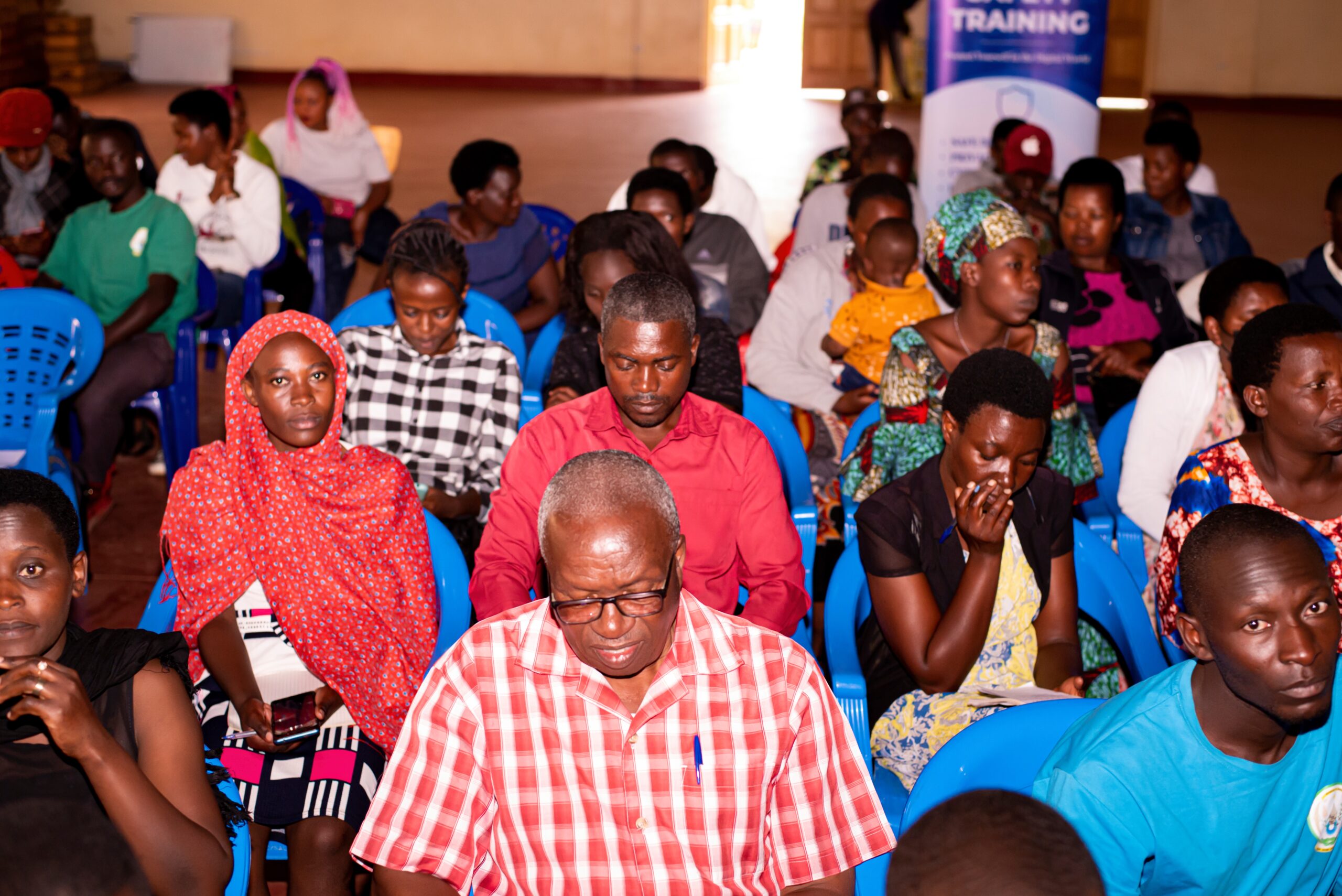
Zainabu Hery, 23, recounted a painful experience that deepened her appreciation for the training.
“After finishing secondary school on July 13, 2021—which was also my birthday—I was robbed. A man and a woman stole my smartphone. They later called and asked me to send Rwf 40,000 to get it back. I lost both the money and the phone. I’ve also encountered online scams through emails, especially from people pretending to offer foreign money,” she said.
These testimonies reflect the pressing need for online safety education across all age groups and underscore the relevance of the initiative in building a more resilient digital society.
theinspirerpublications@gmail.com





Leave a Reply