
From stigma to smile: The rekindled hope for Kicukiro teen mothers
By Elias Hakizimana & Xaverine Cyiza.
Early motherhood responsibilities coupled with social stigma accelerated by family and community pressure are the major and common occurrences teen mothers experience, resulting in trauma and loss of hope for a successful life.
At least 139 teen mothers from Gikondo and Kigarama sectors of Kicukiro district in the City of Kigali lived same experience before they got support from Hope and Homes for Children — an international charity that works to stop the institutionalisation of children — since June 2020.
The package of interventions they got include emergency support such as food stuffs, hygiene products and health insurance cover, counselling, group-therapy where they managed to share experience and heal each other as well as mediation-therapy to make sure they are welcomed back in their families.
Besides, they were helped to acquire vocational training in mechanical practices, tailoring and hair dressing plus small investments to build their economic resilience.
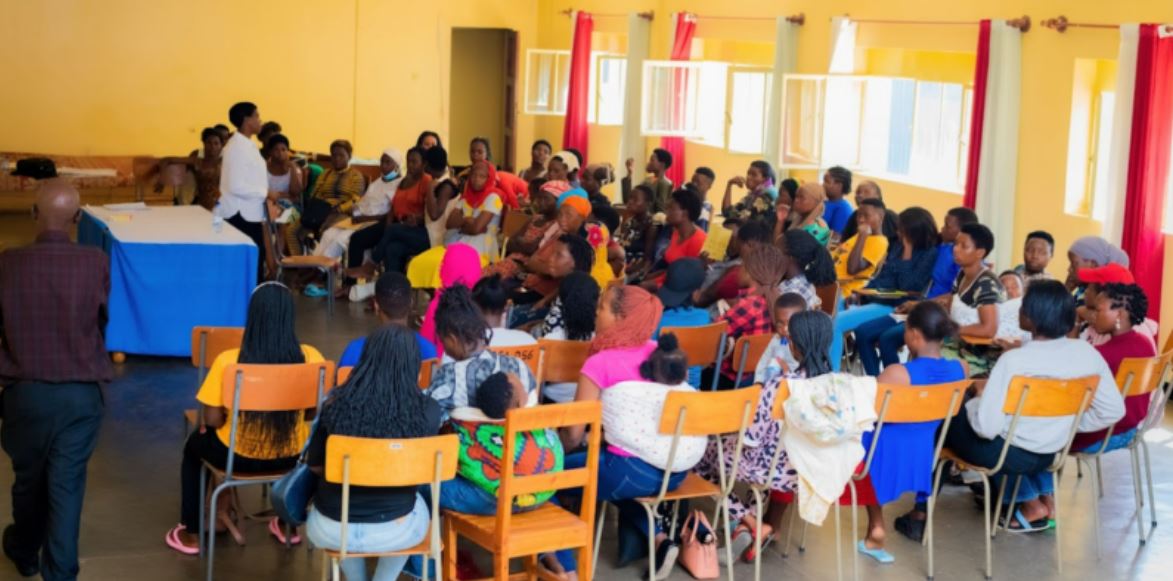
During a closing event of a three-day training on ‘SHORA WUNGUKE’ – roughly translated to invest and get profit – program that was initiated by Hope and Home for Children, some of the 64 teen mothers of the trained first cohort narrated a tough life they experienced, and how their hope was rekindled thanks to such varied support.
“I was 18 years old when I gave birth to my son who is now 3 years old, my parents and neighbours used to call me a prostitute, I thank this partner for helping me regain hope of life, besides psycho-social support, they gave me direct financial support of Rwf120,000 to expand capital of my business of fruit vending,” said Therese Mukadera, one of the beneficiaries from Kigarama sector.
Yvonne Ishimwe, another beneficiary said that she received Rwf150,000 from this initiative and it helped her to boost her business of selling beverages.
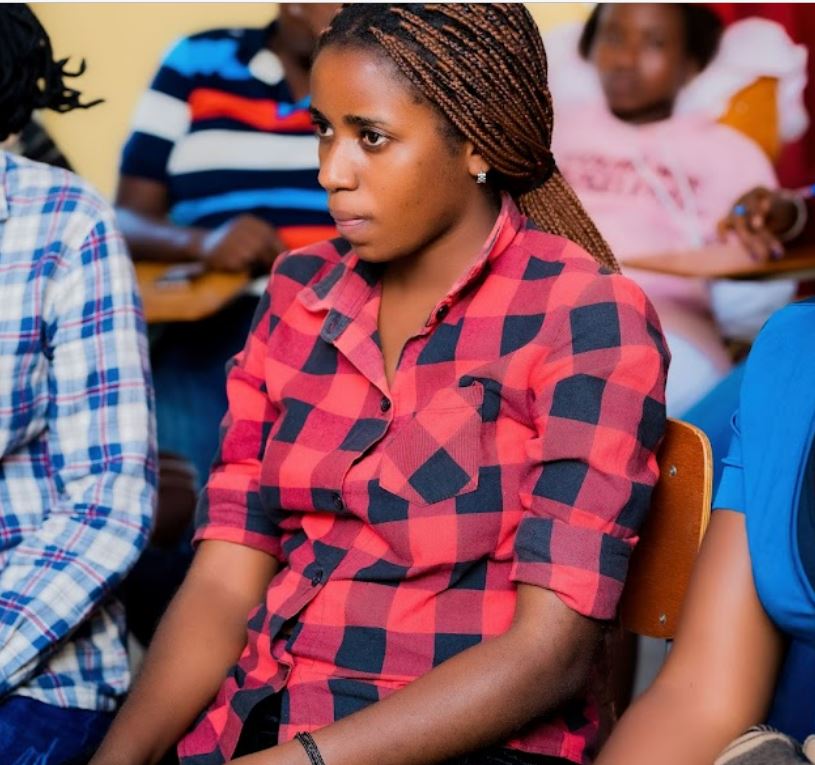
“Now I am learning graphic design by using the proceeds from my business, I gave birth at 17 years old and my daughter is now 6 years old,” she said.
Alice Uwamariya, 18, another beneficiary said she was about quitting the family as her mother would insult her after she got pregnant.
She was later welcomed by the sponsor to learn hairdressing and beauty skills.
“I was also given Rwf142,500 to invest in charcoal. My mother can now understand that I am able, she could not look after my child before when I had gone to school, thanks to the organization to train our parents on mediation therapy,” she said.
Daniella Akimanizanye, 21, was given a sewing machine and Rwf120,000 as seed capital. She commends efforts by Hope and Homes for Children as they also trained her on comprehensive sexual education, including family planning skills.
Speaking to The Inspirer, Moise Munyamaliza, Quality Assurance and Learning Coordinator at Hope and Homes for Children, he elaborated on the interventions given to the beneficiaries as the outcomes of the baseline survey that proved what they need most.
“We have conducted two surveys, the first one aimed at identifying the needs of beneficiaries; our consultant showed in the second survey, that beneficiaries need further training on financial management after revealing that they used to spend the money on unnecessary needs,” Munyamaliza said.
“This training was vital because it was to show them how to use investment for income generation as well as saving culture, we believe that after this training they will be able to support themselves, their children, their families and they will not be a burden for the country,” he observed.
Charles Uwera, the in-charge of Social Affairs in Kigarama cell, Kigarama sector of Kicukiro District said that teen mothers under this initiative are from poor families.

He indicated that some factors leading to teenage pregnancies include school dropouts as they start to face challenges of living in the community prior to the age of majority, plus lack of parental responsibilities and community role.
According to data from the Ministry of Gender and Family Promotion (MIGEPROF), cases of teenage pregnancies were on the rise. For instance, it shows that such cases increased from 19,701 in 2020 to 23,000 in 2021 – implying an increase of almost 17 percent.
theinspirerpublications@gmail.com




Leave a Reply