

AHF Rwanda celebrates Menstrual Hygiene Day, donates sanitary pads
By The Inspirer writer.
Aids Healthcare Foundation (AHF) has on Friday, May 28, 2021 launched a campaign to distribute 5 million sanitary pads to women and girls in need to keep them healthy and in school.
The campaign was launched by celebrating Menstrual Hygiene Day under the theme “A Necessity, Not a Luxury!”
While 1.8 billion girls, women, transgender men and non-binary people of reproductive age menstruate every month, millions are denied the right to manage their monthly menstrual cycle in a dignified, healthy way. Poor menstrual hygiene management restricts the mobility, freedom and choices of young women and girls everywhere; it affects attendance and participation in school and community life and further compromises their safety, causing stress and anxiety.

Menstrual Hygiene Day is recognized worldwide on May 28 and was first launched by advocates in 2014 to highlight the importance of menstrual hygiene management education that empowers girls to fully participate in society and live a healthy, self-determined life.
AHF country teams around the world have exciting and informative virtual and in-person (where able)”A Necessity, Not a Luxury!”Commemorative MH Day events planned for 2021.
In Rwanda, AHF Rwanda youth ambassadors will distribute sanitary pads and will engage other youth in a debate on menstrual hygiene. 310 beneficiaries including 95 in Kicukiro District, 95 in Nyarugenge District and 120 in Gasabo District are targeted under this initiative.
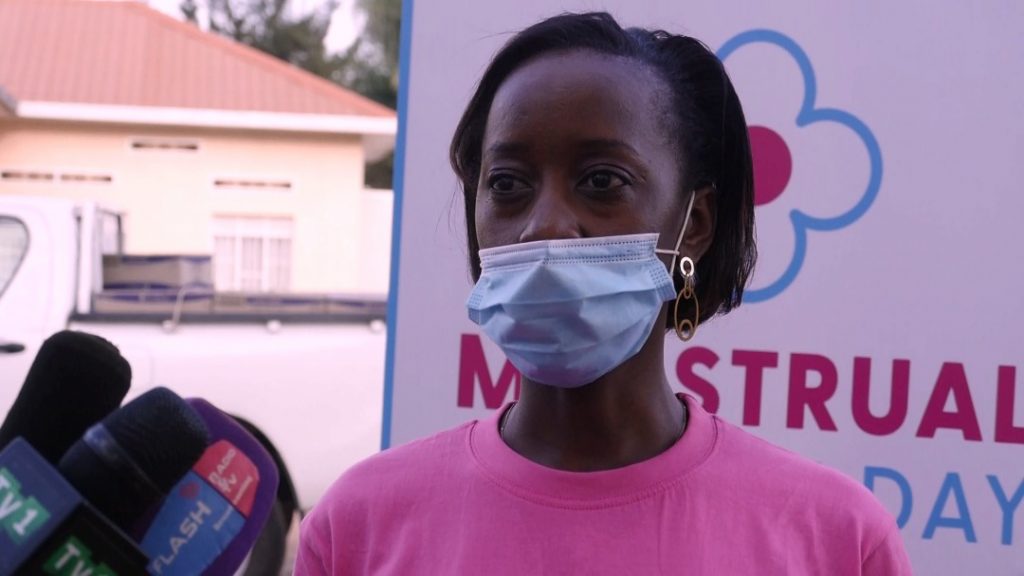
“Menstrual hygiene is a human right and is closely linked to rights to healthcare and education. To this day, many girls and women do not have regular access to sanitary pads and use sub-standard menstrual hygiene products, face stigma and shame and miss school or work during the menstrual cycle, Menstrual hygiene is a necessity, not a luxury. We call upon all actors to make it a priority and break down the barriers to access” said Dr Brenda Asiimwe-Kateera, Country Program Manager, AHF Rwanda”.
“I grew up in a culture where periods are taboo and girls and women are seen as ‘unclean’ – I was laughed at if I couldn’t join my school’s swimming class due to my period,” said AHF Deputy Chief of Global Advocacy and Policy Loretta Wong.
“AHF is launching this campaign to distribute five million sanitary pads to help combat that stigma that still exists today, and because many women and girls can’t afford them or have inadequate access to menstrual hygiene products. The pads are also critical for girls’ education since they can miss twenty percent or more of each school year due to their menstrual cycle – widening the already vast, unequal education gap between girls and their male counterparts.

“Distributing over five million sanitary pads to adolescent girls and women in need is important for multiple reasons. We’re helping who we can, but we’re also raising our voices and standing with the estimated 500 million women and girls that do not have access to adequate menstruation hygiene management facilities,” added AHF Africa Bureau Chief Dr. Penninah Iutung.
“Access to sanitary pads should be considered a necessity, not a luxury—since the lack of access means unmet menstrual health and hygiene needs, which may lead to stigma, harassment, and social exclusion, particularly for adolescent girls and young women. We must break down the archaic barriers that block equal human rights. Legislators at all levels must make this a political priority to bring awareness and provide the essential services and sanitization infrastructure women and girls need to thrive.”
Irene Kayitesi, the representative of the beneficiaries said: “I know a child who has gone to school and during her menstrual period she went home, baking to school after one week, she found they made assignments, because she had no financial capacity to buy pads, and you know a girl can perform everything and go to school while in menstrual period, it is still a problem because they are expensive and not affordable for girls with limited financial capacity. In my view, to make it affordable, factories can sell at Rwf300 to the last consumer.”




Leave a Reply