
Relief in sight for Rwamagana residents as funding secured for Karenge water project
By The Inspirer.
For thousands of families in Rwanda’s Eastern Province who have long struggled with water shortages, relief may finally be in sight.
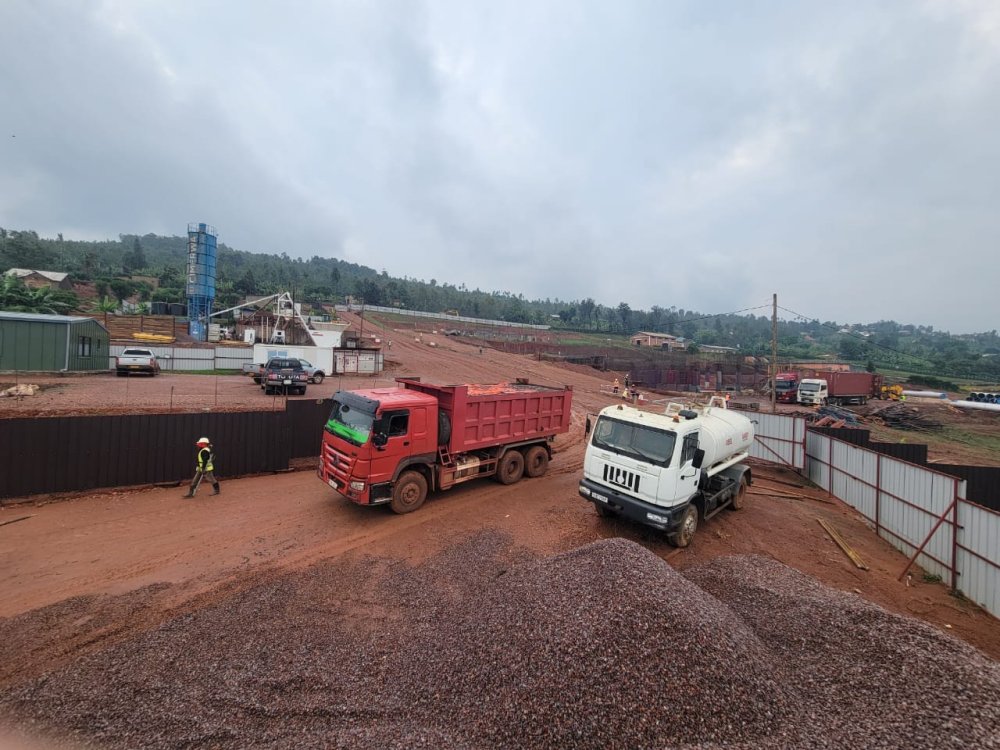
Authorities in Rwamagana District have secured funding to expand the Karenge Water Treatment Plant and build the pipelines and reservoirs needed to deliver clean water to homes, businesses, and factories. Construction is already underway, with the first phase of the project nearing completion.
The Karenge plant is expected to dramatically increase water supply to Rwamagana town, nearby industrial areas, and parts of Kigali City. Once completed, the facility’s daily output will rise fourfold—from 12,000 to 48,000 cubic metres—under an agreement between Rwanda and Hungary.
For residents, the project promises an end to years of unreliable water access. Many households currently rely on distant taps, water trucking, or seasonal sources that often run dry.
“This project will change daily life for our people,” said Rwamagana District Mayor Mbonyumuvunyi Radjab. “Once the plant is fully operational, water will reach homes in Rwamagana, our industrial zone, and even Kigali.”
A key milestone came on November 28, 2025, when the Cabinet approved a financing agreement between the Government of Rwanda and the Abu Dhabi Fund for Development in Africa. The Rwf 34.7 billion loan will fund more than 40 kilometres of transmission pipelines, water reservoirs, and distribution networks needed to carry treated water from Karenge to communities across the district.
“Producing water is only part of the solution,” the mayor explained. “It must travel long distances and connect to many neighbourhoods. This funding makes that possible.”
The project is scheduled to be completed within three years, with trial delivery of the first water supply expected in the coming months. District officials say both plant construction and distribution financing are now fully secured.
Currently, 93 percent of Rwamagana’s population has access to clean water. Local authorities aim to close the remaining gap and achieve universal coverage, easing daily burdens—especially for women and children—who often spend hours fetching water.
For many residents, the Karenge project represents more than infrastructure. It offers the promise of time saved, better health, and dignity restored—one tap at a time.



Leave a Reply