
Trump’s Venezuela intervention raises global alarm
By The Inspirer.
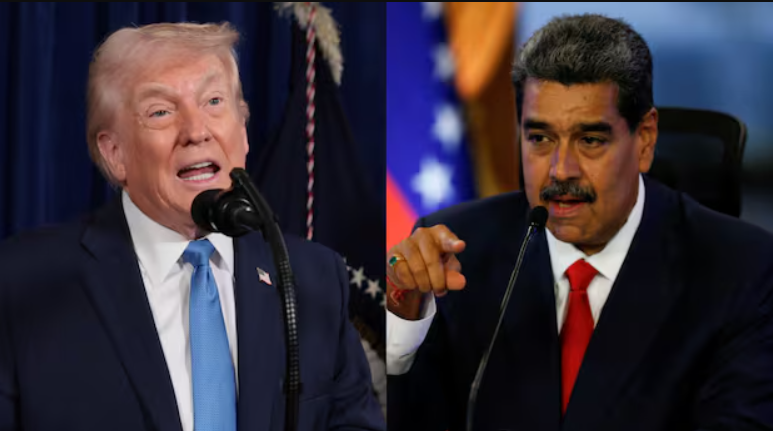
The United States’ military operation in Venezuela that resulted in the arrest of President Nicolás Maduro and his wife has triggered international shockwaves, with legal experts warning it could set a dangerous precedent for global order.
On January 3, U.S. forces carried out a surprise operation in Caracas, detaining Maduro and transferring him to the United States to face criminal charges linked to drug trafficking.
The Trump administration has since announced it will oversee Venezuela on an interim basis and seek control over the country’s oil resources—moves that have drawn sharp criticism from international law scholars.
Despite Venezuela’s political turmoil and disputed elections in recent years, it remains a sovereign state under international law. Experts argue that the arrest of a sitting head of state on foreign soil, without international authorization, violates long-established legal norms, including protections related to state sovereignty and immunity.
Rather than relying on international law, the Trump administration has justified its actions through U.S. domestic legislation, citing a 2020 grand jury indictment against Maduro and his wife.
By framing the operation as law enforcement rather than military intervention, Washington has sidestepped global legal frameworks that normally govern the use of force between states.
The move follows months of escalating U.S. actions against Venezuela, including naval operations targeting drug trafficking routes in the Caribbean and the seizure of oil tankers accused of violating U.S. sanctions. Each step has been defended as enforcement of American law beyond U.S. borders.
Analysts say this approach reflects a broader pattern of U.S. exceptionalism, where domestic law is treated as overriding international rules. Critics warn that such actions weaken global legal institutions and normalize unilateral intervention by powerful states.
The United Nations is widely seen as unlikely to take effective action, given the United States’ veto power in the Security Council and President Trump’s long-standing skepticism toward the organization.
Observers identify three major risks emerging from the intervention: the expanded use of unilateral sanctions and force based on domestic politics; the erosion of international legal restraints; and the potential impact on U.S. allies. If similar operations provoke armed resistance in the future, treaty obligations such as NATO or ANZUS could draw other countries into conflict.
As the U.S. signals it may continue this strategy, governments around the world are watching closely, concerned that the consequences of intervention in Venezuela could extend far beyond Latin America.




Leave a Reply