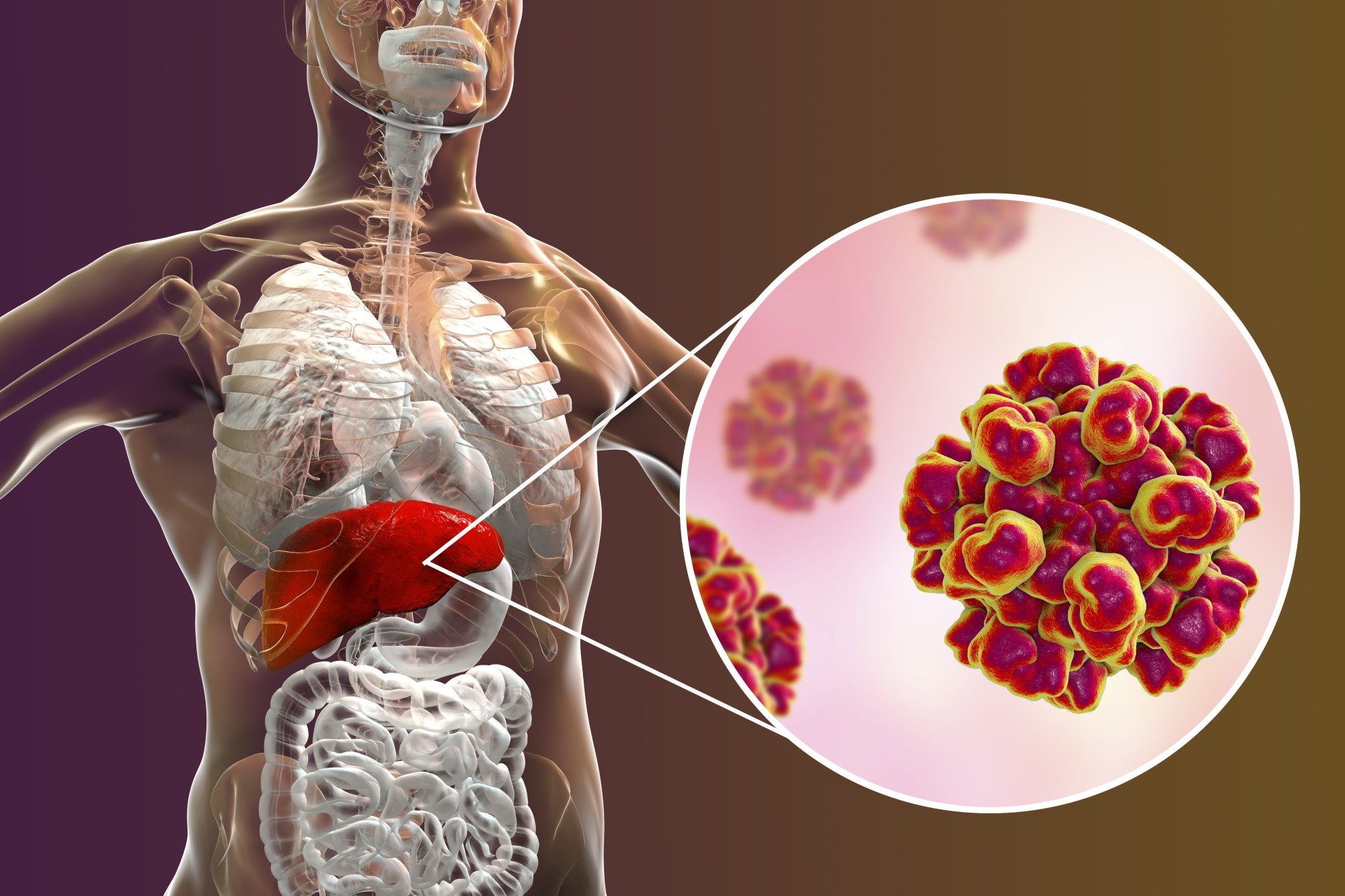
WHO Urges Global Action on World Hepatitis Day 2024: Prioritize Testing, Treatment, and Vaccination to Eliminate Hepatitis by 2030
On World Hepatitis Day 2024, the World Health Organization (WHO) is calling for urgent global action to eliminate viral hepatitis, a silent but deadly disease affecting millions worldwide. This year’s theme emphasizes the critical importance of testing, treating, and preventing viral hepatitis to safeguard liver health and achieve the ambitious goal of a hepatitis-free world by 2030.
The Silent Threat to Liver Health
The liver is a vital organ that performs over 500 essential functions daily, making the fight against viral hepatitis paramount. Hepatitis, an inflammation of the liver, is often caused by viral infections but can also result from non-infectious agents such as drugs, toxins, and alcohol. The five main strains of the hepatitis virus – types A, B, C, D, and E – vary in transmission modes, severity, geographical distribution, and prevention methods. Types B and C are particularly dangerous, leading to chronic diseases that cause liver cirrhosis, loss of liver function, liver cancer, and the majority of viral hepatitis-related deaths.
Rising Death Toll and Undiagnosed Cases
Deaths from viral hepatitis are increasing, with hepatitis B and C causing 1.3 million deaths in 2022 alone. Every day, approximately 3,500 people succumb to these infections, translating to one death every 30 seconds. Despite the staggering numbers, there is a huge gap in diagnosis and treatment. Nearly 220 million people with hepatitis B and 36 million with hepatitis C remain undiagnosed, often discovering the disease only after severe liver damage or cancer has developed. Treatment coverage is also alarmingly low, with only 7 million receiving treatment for hepatitis B and 12.5 million cured of hepatitis C out of the 304 million affected globally.
Preventing Infections and Deaths
The WHO highlights that many hepatitis infections and deaths can be prevented with current tools and strategies. To meet the 2030 targets, simplified care services must ensure that all pregnant women with chronic hepatitis B receive treatment, their infants get hepatitis B birth vaccines, 90% of people with hepatitis B and C are diagnosed, and 80% of diagnosed individuals are treated or cured. However, access to these services remains limited, often centralized in specialized hospitals, creating barriers for many communities.
Call to Action: Expanding Access and Strengthening Prevention
The WHO outlines key actions to realize a hepatitis-free world:
- Expanding Access to Testing and Diagnostics: Ensuring affordable and widespread access to rapid diagnostic tests and self-testing options.
- Strengthening Primary Care Prevention: Enhancing vaccination, safe injection practices, and education to prevent hepatitis.
- Decentralizing Hepatitis Care: Bringing care closer to patients through community-based services.
- Integrating Hepatitis Care: Combining hepatitis treatment with primary care, HIV services, and harm reduction programs.
- Engaging Affected Communities: Including the insights and experiences of those affected by hepatitis in prevention and treatment efforts.
- Mobilizing Financing: Securing new funding avenues to support and sustain hepatitis elimination programs.
A Path Forward
Dr. Tedros Adhanom Ghebreyesus, WHO Director-General, emphasized the urgency of action: “It’s time to take bold steps to eliminate hepatitis. By prioritizing testing, treatment, and vaccination, we can save millions of lives and achieve a hepatitis-free world by 2030.”
This World Hepatitis Day, the WHO urges global leaders, healthcare providers, and communities to unite in the fight against hepatitis, ensuring that no one is left behind in the journey towards a healthier, hepatitis-free future.
theinspirerpublications@gmail.com