

MINAGRI, Local government seek strong collaboration for sustainable food production
By Elias Hakizimana.
Rwanda’s Ministry of Agriculture (MINAGRI) moves towards strengthening Agriculture production and productivity for food security and sustainability through collaboration with the Ministry of Local Government (MINALOC) and other sector players in the local government.
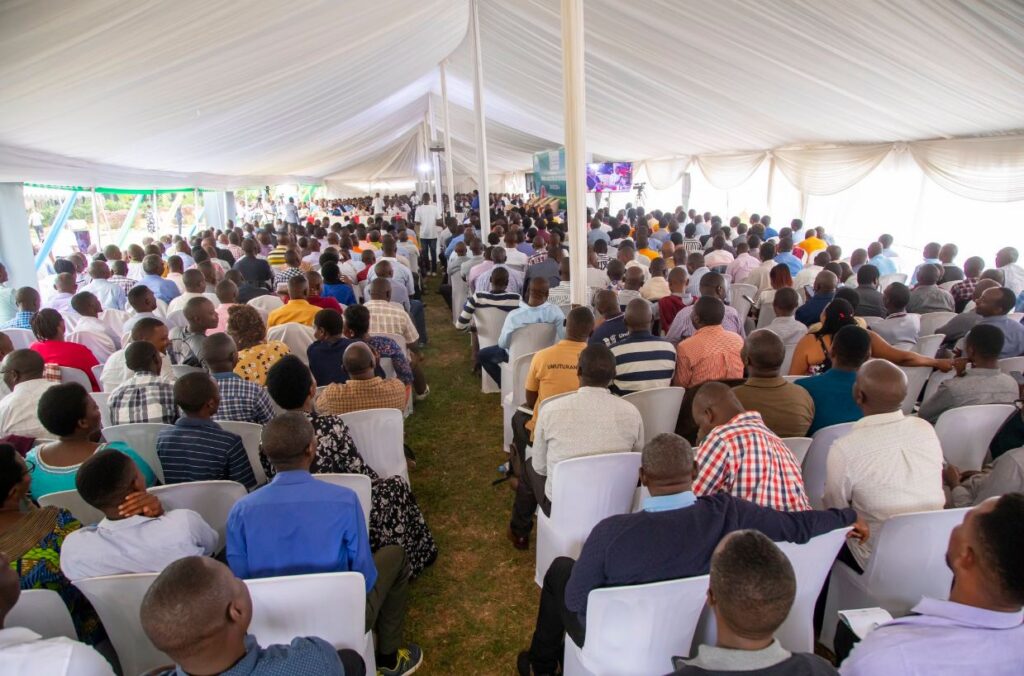
This collaboration was among the subjects of a concluded two-day workshop organized by MINAGRI in Bugesera district, Nyamata sector from September 2-3, 2023, as Rwanda enters the Agricultural Season 2024A.
The workshop brought together more than 900 delegates including the Minister of Agriculture and Animal Resources, Dr. Ildephonse Musafiri, the Minister of Local Government, Jean Claude Musabyimana and districts’ mayors and vice mayors in charge of finance and economic development, Agriculture Directors from all the districts, Rwanda Agriculture and Animal Resources Board (RAB) officials as well as sectors and districts’ veterinaries and agronomists to brainstorm ‘Agriculture Sector Development Agenda with focus on key programs, projects and other planned activities and interventions having high impacts in boosting Agriculture Production and Productivity for Food Security and Sustainability towards achieving the NST1 targets’.

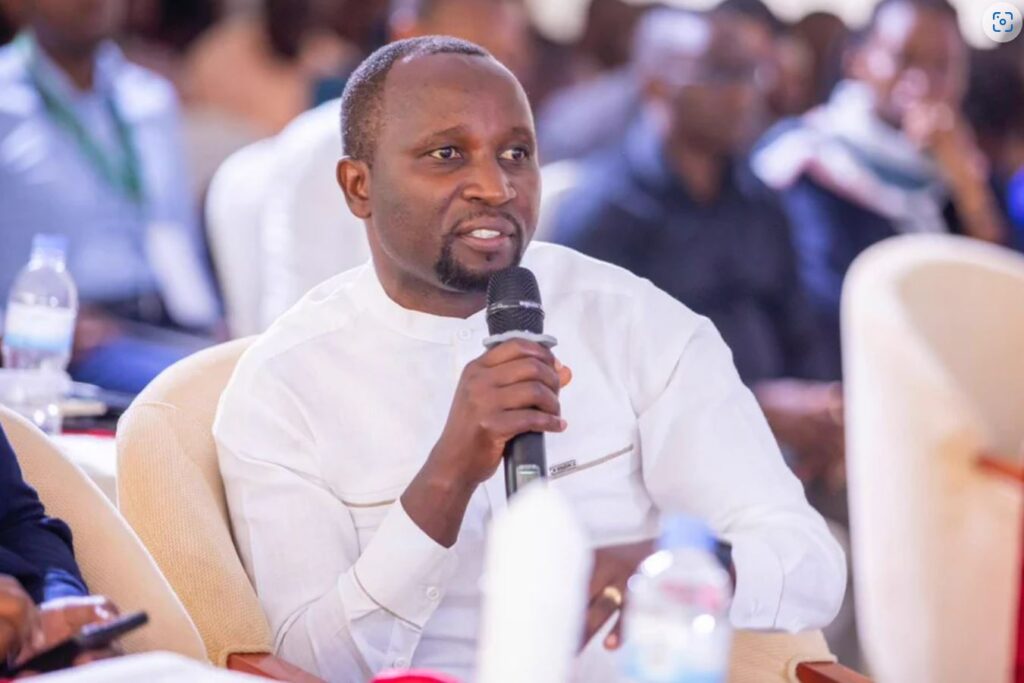
Dr. Ildephonse Musafiri, the Minister of Agriculture and Animal Resources said that it is a shame for the country to rely on imports of food commodities while there are possibilities for local production.
“We have organized this two- day workshop to meet with all concerned people towards boosting agriculture and livestock farming, these include sector and districts’ veterinaries and agronomists at the national level, districts’ mayors and vice mayors in charge of finance and economic development, the idea behind is that we want to prepare an extra-ordinary season and to transform agriculture in a more sustainable manner,” Dr. Musafiri said.
“We are ashamed having more than two regular Agricultural seasons per year and still importing food commodities such as beans, maize and Irish potatoes, it is a shame, the main reason of this meeting was to brainstorm how to produce them from Rwanda, to learn from the challenges and set measures ahead to improve working framework and encourage joint collaboration,” Dr. Musafiri added.

Some of the existing gaps include non-arable land and lack of joint collaboration between MINAGRI and other local government entities.
“As result from this workshop, we have decided to work with local government authorities and have common information, we need to have a permanent committee to ensure effective follow up of Agricultural and livestock activities to ensure sustainable food security in the country,” Dr. Musafiri noted.
All concerned and involved actors in Agriculture and livestock development are encouraged to avoid embezzling and misuse of the money injected in the sector development, especially the funds for inputs (seeds and fertilizers).
Government subsidies for inputs accessibilities
Currently, around 1.5 million farmers are called to register for quality fertilizers, the government puts in the subsidies of Rwf 1,700 per 1 kilogram for soya beans, maize and beans. The fertilizers are subsidized from 40 to 50 percent according to MINAGRI.
MINAGRI encourages citizens to combat erosion by planting trees and making terracing system.
“We keep looking for new solutions for new problems and we want that Rwandans get food in a more sustainable way,” Dr. Musafiri said.
This year, MINAGRI targets to make terraces on 17,000 hectares without counting on other partnerships’ projects. There is a plan to add more 20,000 hectares of terraces on the arable land every year according to Dr. Musafiri.
Irrigation
The total soil to be irrigated in the country accounts for around 500,000 hectares, last year 2022, the commitment was to irrigate 102,000 hectares, while current irrigation capacity has reached 70,000 hectares this year.
Efforts to meet the target
“We have around 7,000 irrigation projects under progress including one in Kirehe-Mahama I, and Bugesera-Rweru among others. We encourage farmers to use small solar pumping systems to irrigate on small scale, we also encourage big investors to build sustainable irrigation systems that use machineries so that they help citizens to irrigate during the sunny period,” Dr. Musafiri said.

Jean Claude Musabyimana, Minister of Local Government (MINALOC) said that collaboration between the entities is key to bridge existing gaps in food systems and to increase agriculture produce.
“We want Rwandans to grow enough food to eat and sell, we need to refine the way we support farmers and improve collaboration among ourselves, that linkage is needed between MINAGRI and MINALOC” Minister Musabyimana noted.

Fighting embezzlement of inputs
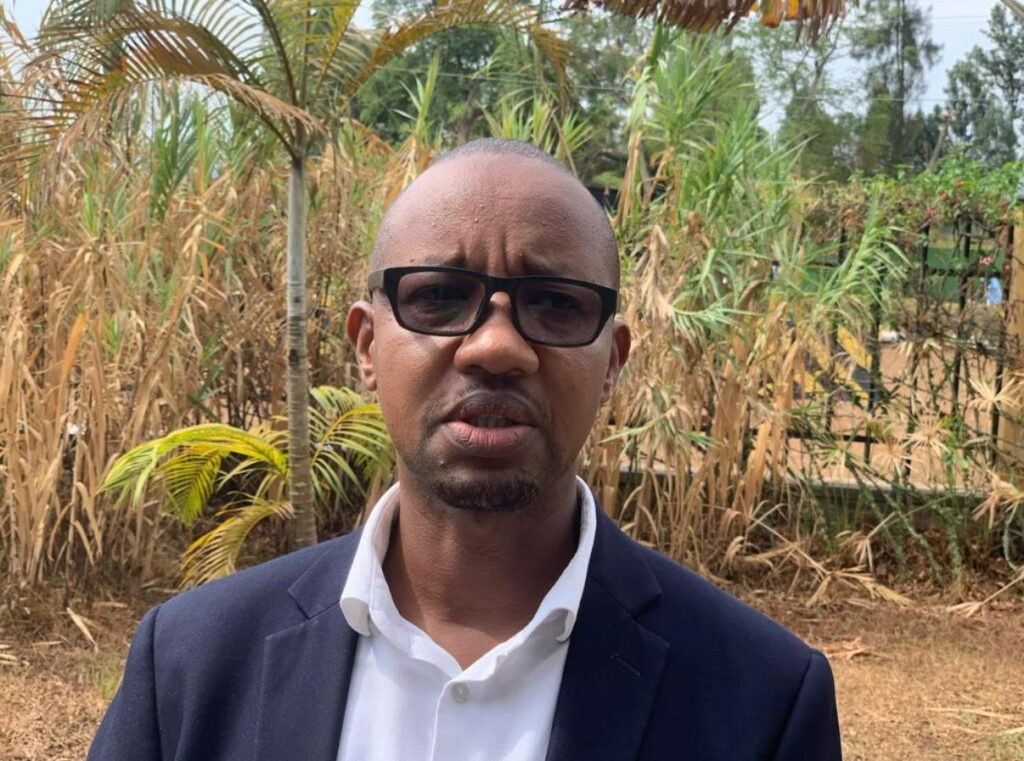
Bruno Rangira, Mayor of Kirehe district announces hope for strong security measures to fight embezzlement of fertilizers during the season 2024A. In the past seasons, some cases of fertilizers sold in Uganda were reported.
“Sometimes back we had such cases of embezzled fertilizers out of the borders, for this season, we have put strong security measures in place by working with security organs at the borders. We also work with agro-dealers to have a common sense of how to avoid that,” Rangira said.
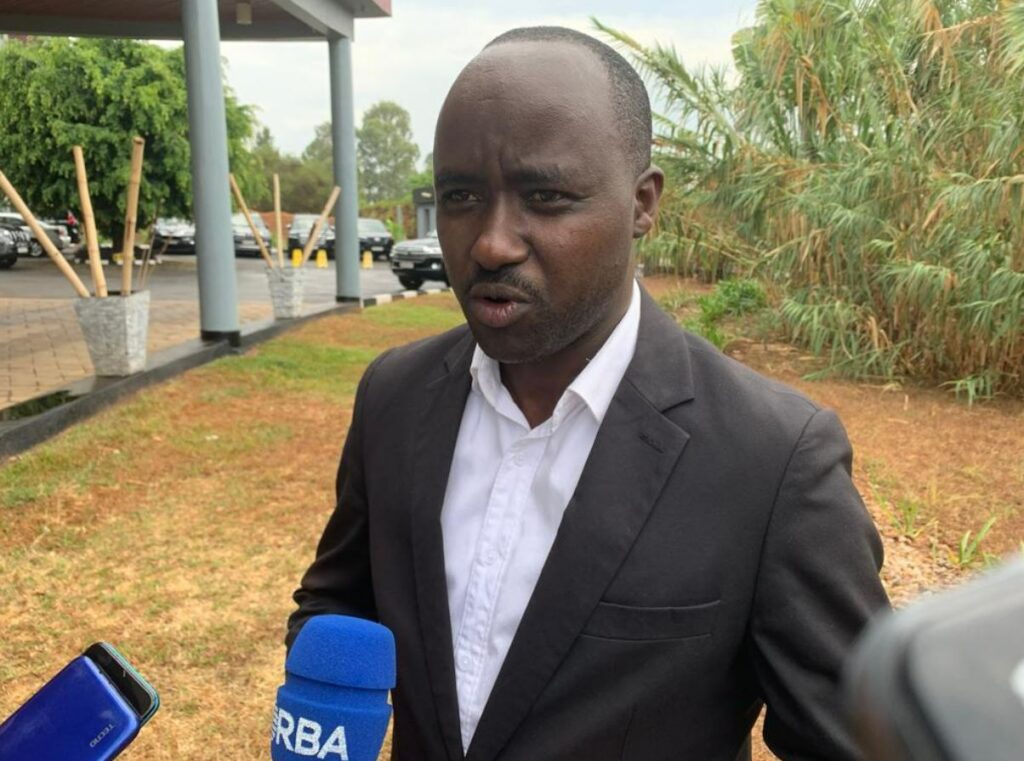
Jerome Rutaburingoga, Mayor of Gisagara district reiterates the efforts of collaboration with MINAGRI to ensure food security and wealth by moving from offices to the fields to visit farmers, hearing from them and give them courage or support them accordingly.
“For this season we have provided fertilizers of rice to farmers, now we are encouraging them to register for maize fertilizers and we tell them to use manure to supplement industry fertilizers in order to increase agricultural produce,” Rutaburingoga said.
theinspirerpublications@gmail.com
Follow us @theinspirerpubl for News and information Call/WhatsApp the number on the top.




Leave a Reply