
“We don’t want Loss and damage fund to come as loan, but grants with no condition”- Dr. Melanie Ekiponda, PACJA
By Elias Hakizimana.
Among the key recommendations by the UN Climate Change Conference, COP27 in Sharm el-Sheikh, Egypt in November 2022, loss and damage as a funding mechanism to compensate vulnerable nations of climate-induced disasters was established.
However good the fund should be, African countries do not want it to come as a loan, but absolute grant.
Dr. Melanie Ekiponda, Climate and Gender advisor for FEMNET for African activist for climate justice, an initiative of Pan-African Climate Justice Alliance (PACJA) said that the fund is part of the violence that African women face, and it should not be paid as none will take over the role of care when there are diseases associated with climate change effects.
“The decision that were taken to create loss and damage fund, which is a conversation that was going on for a long time, with a lot of resistance of course, I feel that is part of the violence that African women face, let us look at it, as, when these floods, when these droughts, who takes over the role of rebuilding? Who takes over the role of care when we have diseases associated with climate change effects,” Dr Ekiponda said.
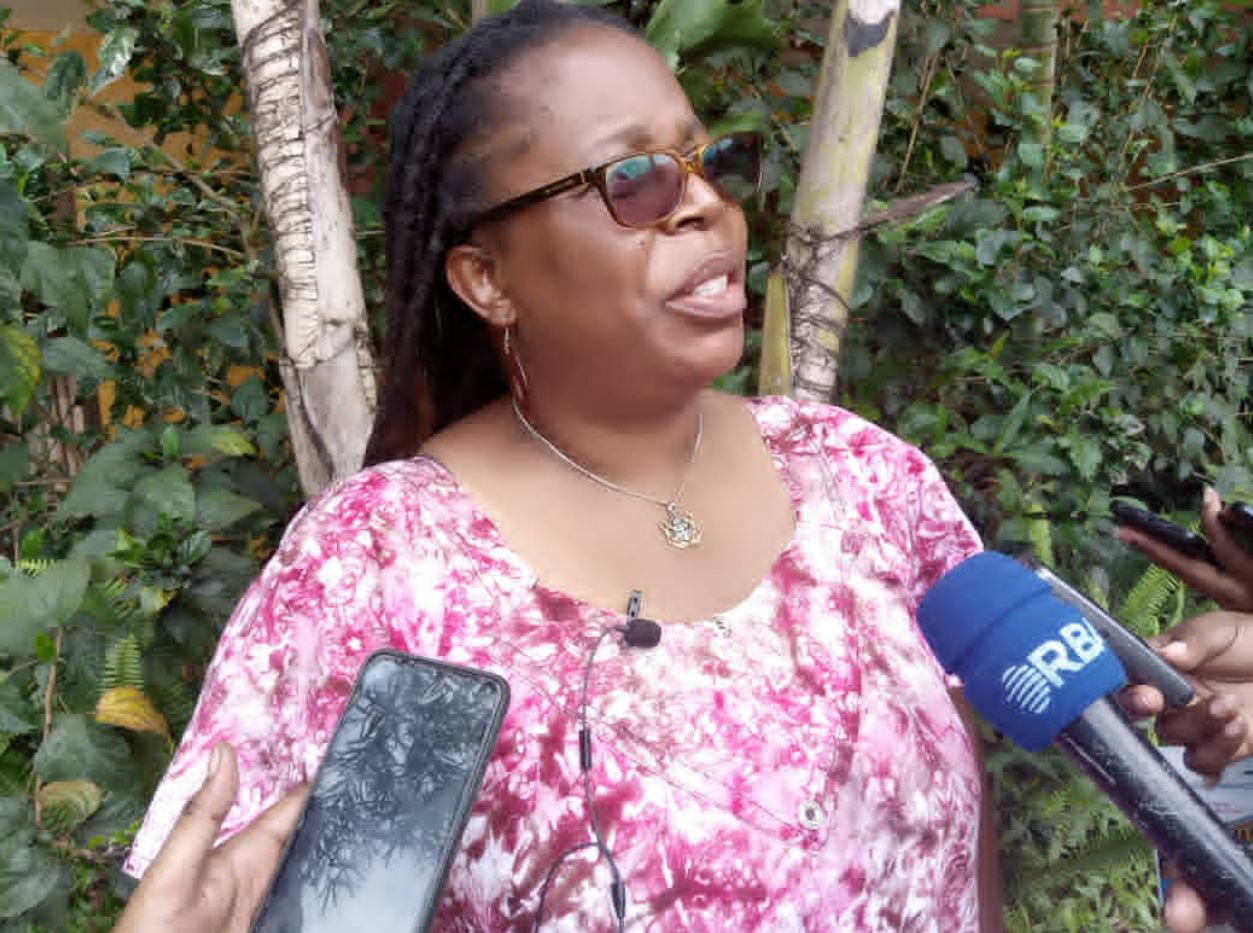
Dr. Ekiponda was addressing Rwandan journalists on December 15, 2022, in Kigali during the post-COP27 multi-stakeholder consultative workshop organized by PACJA.
“We all know that the climate change brings more vector-borne diseases like Malaria and a lot more, and then who cares of the people in their household economy? who is caring the sick, it is definitely women,” she added.
She said that the failure over the years to create a loss and damage fund is part of the violence against African women, and that there should not be gender equality when a woman is going to spend a lot of her time caring for the sick and not working a job that is economically productive.
“Even if there are all these conventions which are taking place to address gender equality, there can never be gender equality without addressing women’s issues associated with the current climate crisis! And these are creations by loss and damage fund, for civil society, this is something that we want to monitor,” Dr. Ekiponda noted.
“No African country should accept the fund to come as a loan”
“I believe that no African country should accept that fund to come as a loan, because IPCC report particularly 2021-2022 links colonialism to the climate crisis, and we were proportionately affected in a negative way by colonialism, and therefore, why should we owe anyone anything?” she claims.
“A crisis happened, and that crisis has led to the marginalization of African people; and when it comes as a loan, for me it is the biggest injustice and that is what we are monitoring that no African country should accept any fund to come as a loan, all the money that is going to come to cover loss and damage to Africa, they should be grants with no conditions. She said.
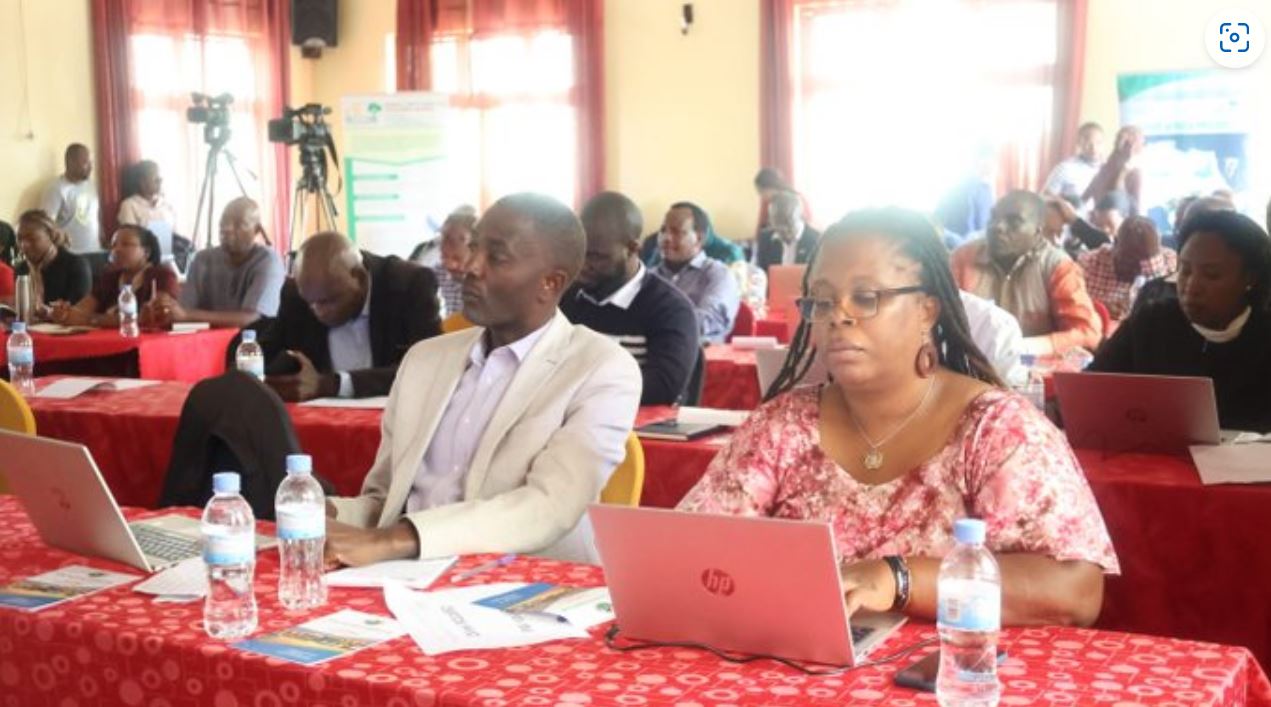
“We do not want conditions that tie the continent with the same system, we do not want to be controlled, we want our sovereignty, our independency, our autonomy as African people as well as African women because women suffer a lot by the impacts of climate change,” said Dr. Ekiponda.
Rwanda welcomes the fund
Herman HAKIZIMANA, Director of the Climate Change Monitoring Program at Rwanda Environmental Management Authority (REMA), said that one thing that Rwanda has benefited from the COP27 meeting is loss and damage fund establishment.
“One of the things we have benefited from this meeting is that there will be a budget to reduce the effects of climate change for developing countries, another thing is that there will be a fund ‘loss and damage’ to help pay for the damage caused by the effects of climate change.
He also said that Rwanda as a country has met with different partners, where they will start working on different investment projects to meet the environment, including the one called “IREME INVESTMENT” which has already collected about 104 million US dollars.
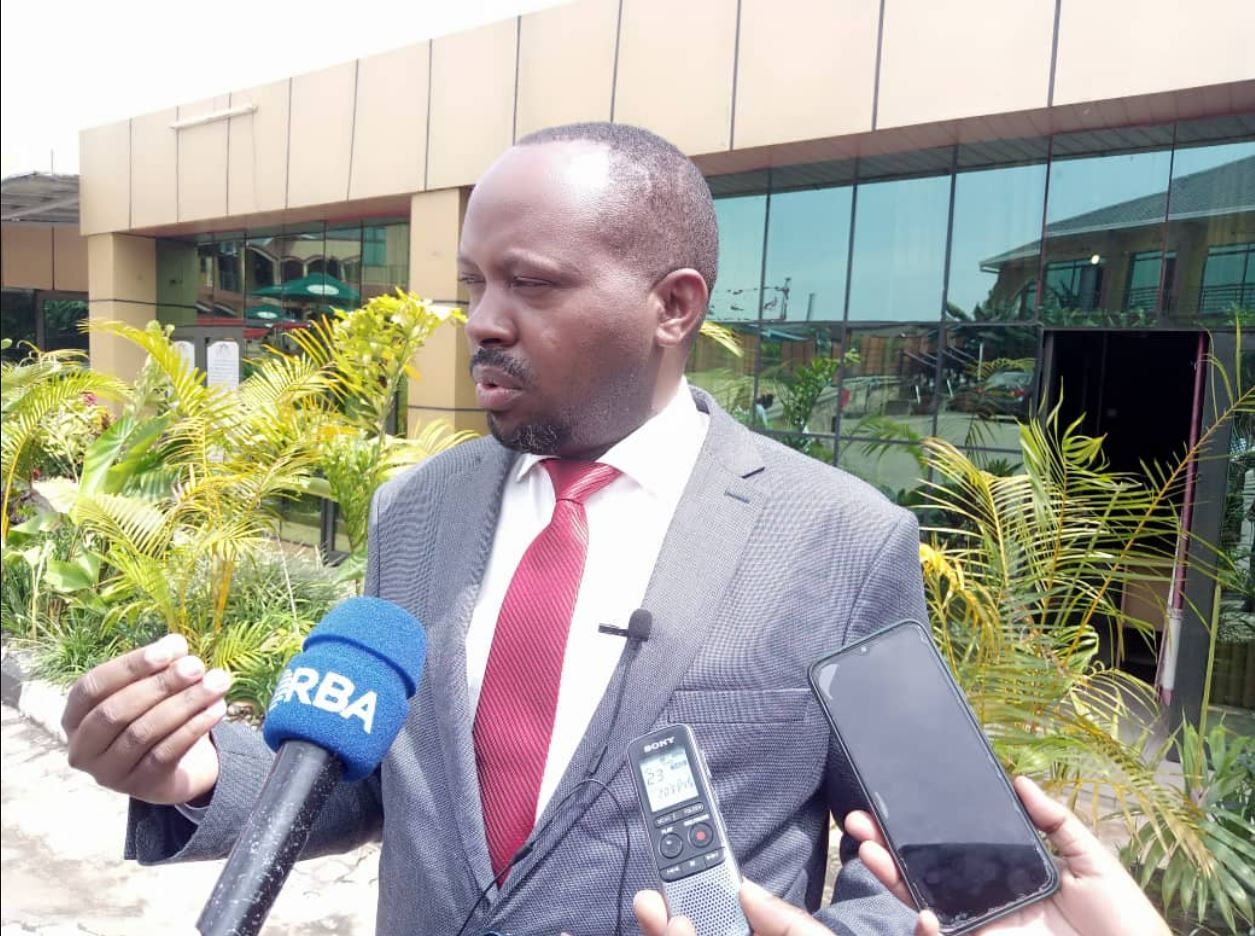
Charles Mwangi, Director of Research Program at PACJA, reiterated the importance of the fund, saying it is important because many African countries have been severely affected by the effects of climate change.
“This fund is very important, many African countries and communities have been affected a lot, their resources are being destroyed, due to the effects of climate change, the ideas we contributed on this topic were all confirmed at the COP27 meeting, and we are happy that at least that fund has been approved, although it is like a drop in the ocean, but this is the beginning,” he said.
Faustin Vuningoma, Coordinator of the Rwandan Rwanda Climate Change Development Network (RCCDN), says that coping with the effects of climate change is not the work of one person or entity, but requires concerted effort.
“We, as civil society of Rwanda and Africa, our voice alone is not enough, that’s why we work in civil society on the African continent, so this issue of climate change does not only concern the government, but it requires the efforts of every Rwandan, every African as a global problem,” he said.
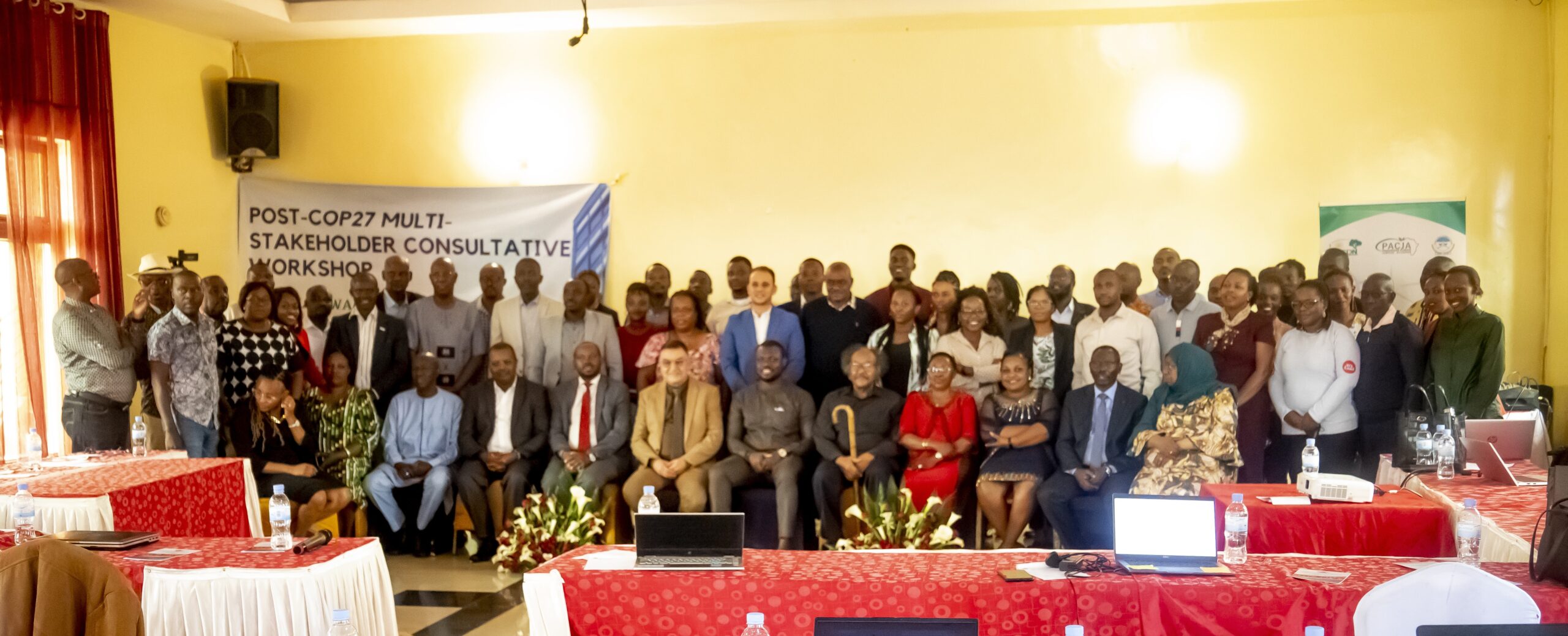
 Participants to the post-COP27 multi-stakeholder consultative workshop posing for a group photo
theinspirerpublications@gmail.com


Leave a Reply