
USADF coffee grantees trained to enhance coffee export
By Michel Nkurunziza.
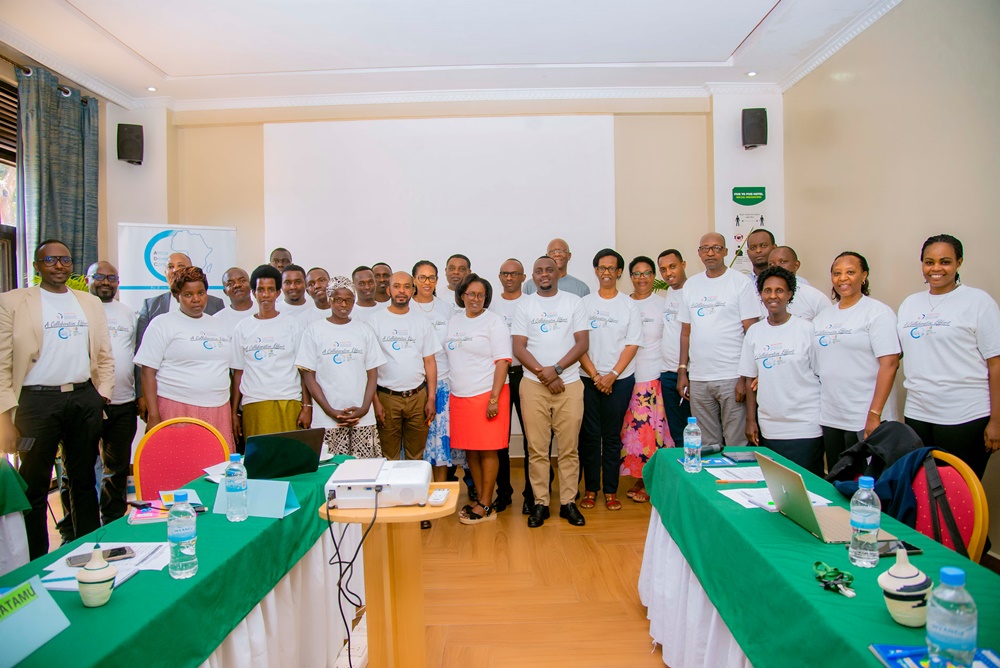
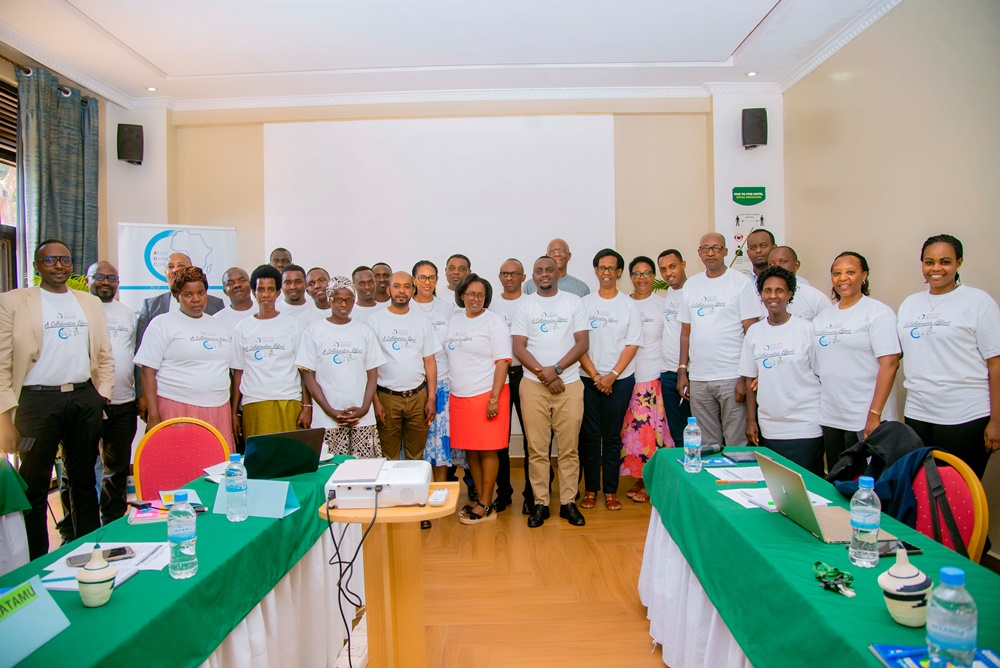
USADF coffee grantees were provided with the knowledge and skills needed to excel in coffee export and marketing.
They benefitted from the recent training organized by Africa Development Consultant Ltd (ADC), the United States African Development Foundation (USADF) Implementing Partner in Rwanda.
Given that coffee is a significant source of income for many rural communities, increasing coffee production and excelling in export, marketing, and sustainability practices was the main focus of the training.
The coffee farmers grouped in different cooperatives which also own coffee washing and roasting stations were urged to increase the quality and quantity of production to be able to compete on the international market and tap into new markets across the globe.
The USADF Country Program Coordinator in Rwanda Geoffrey Kayigi said that the capacity building was timely considering the economic significance of coffee to Rwandans and national economic development.
“Because there is limited arable land in Rwanda, there is a need to increase the quality of coffee so that it attracts good prices at the international market. This is very important because a Kilogramme of coffee would be sold at below $2 but today this has increased to over $10 as the quality has increased thanks to the acquired knowledge and skills,” he said.
He said that they are working with Ethos Agriculture, an organization with a team of coffee sector and supply chain experts specialized in research, facilitation, and development.
“Ethos Agriculture has expertise and contacts in the foreign market and therefore they helped build capacity and understanding of USADF beneficiaries in the coffee trade. They needed marketing skills to attract a better price,” he noted.
So far, he said, they have worked with over 10 cooperatives that got over $2 million in support.
“The beneficiaries should understand that Rwanda’s coffee is a goldmine and it is most liked. Therefore, the exporters should be confident and negotiate better prices,” Kayigi said.
Eric Rukwaya, an expert at Ethos Agriculture Which Ethos Agriculture that facilitates coffee farmers and exporters said that the gap should be fixed in capacity to tap into sustainable markets for coffee.
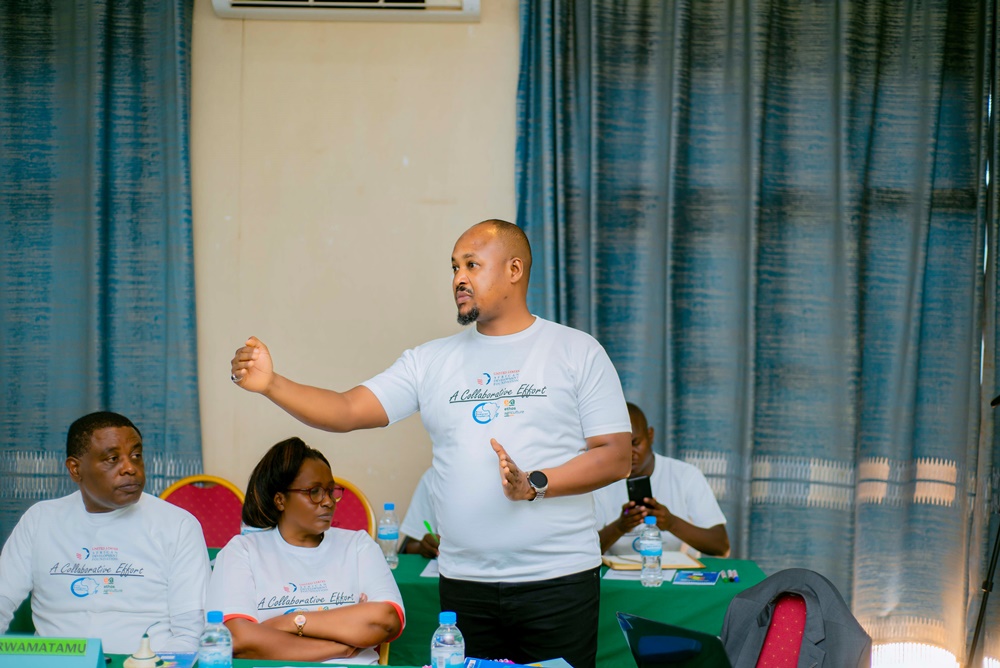
“We have to be able to market our coffee to get better prices. There is a need to add value to Rwanda’s coffee, maintain its quality, and be able to brand it in a better way that attracts buyers,” he said adding farmers should also add value to their coffee and be able to export the produce on their own.
Rebecca Ruzibuka, the Managing Director of Africa Development Consultant Ltd (ADC) which is a local implementing partner of the United States African Development Foundation (USADF) said: “As a local partner, our intervention is to support all people who are looking for funding from USADF. We have different phases of working with them. We help grantees in designing their projects. We are involved in project development activities. This is where we assess their business and support them in developing documents such as business plans.”
Once the business plans are submitted to USADF, they are reviewed to see if they qualify for funding.
During the grantee’s project implementation, she said, Africa Development Consultant Ltd supports them in capacity building such as financial management, bookkeeping, and others depending on what they need.
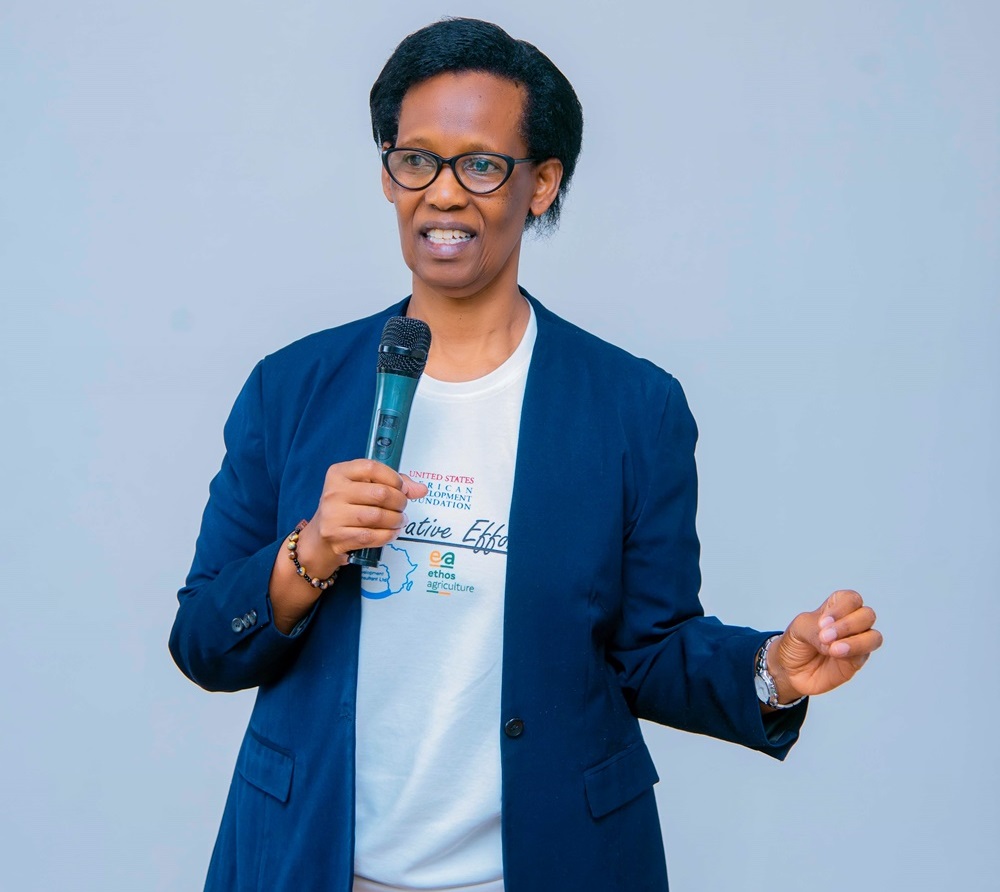
“The cooperatives and the companies who attended workshop training which is in line with this capacity building. We are working with another partner which is Ethos Agriculture as they are experts in training on how to market and export coffee,” she said.
Beneficiaries of the capacity building welcomed the support.
Laetitia Mukantwaza, in charge of finance and administration at Rwamatamu Coffee Company, said: “The knowledge gained from training will help improve our operations, the way we can tap into different coffee markets abroad, and how to market our coffee.”
The treasurer of Dukunde Kawa Musasa Cooperative in Gakenke District, Erneste Nshimiyimana, said that the training was useful.
“We have to keep gaining knowledge to boost coffee production and operations of our coffee stations. The fair price we want on the international market is based on the quality of the coffee we produce locally. We have four wet mills, a dry mill, and thanks to USADF we got a roastery,” he said.”
Mathias Abimana, a coffee farmer who also has a coffee washing station added that capacity building was needed considering that they need a sustainable market for their coffee.
“We have to maintain the quality of coffee so that we maintain good markets we have or even get better ones,” he noted.



Leave a Reply