
The pain of NCDs survivors: families’ economic losses, depression and abrupt anger [Testimonies]
By Elias Hakizimana.
Non-communicable diseases are the current leading causes of death worldwide, and the burden is increasingly shifting from developed to developing countries.
Accumulative economic losses of families while spending on treatment coupled with self-depression and abrupt anger and lack of patience could define the pain of survivors of Non-Communicable Diseases (NCDs).
Globally, four most prevalent NCDs, along with mental health, would pose accumulative global economic losses of 47 trillion USD by 2030, approximately 75% of global gross domestic product (GDP) according to the research. These are cardiovascular diseases mainly heart attacks and stroke, cancer, chronic respiratory diseases (chronic obstructed pulmonary disease and asthma) and diabetes.
A mini-survey conducted by The Inspirer in Kigali-Rwanda, among the survivors of NCDs and their families proves how NCDs pose huge economic losses to the families while helping the survivors to get healthcare at a very high cost.
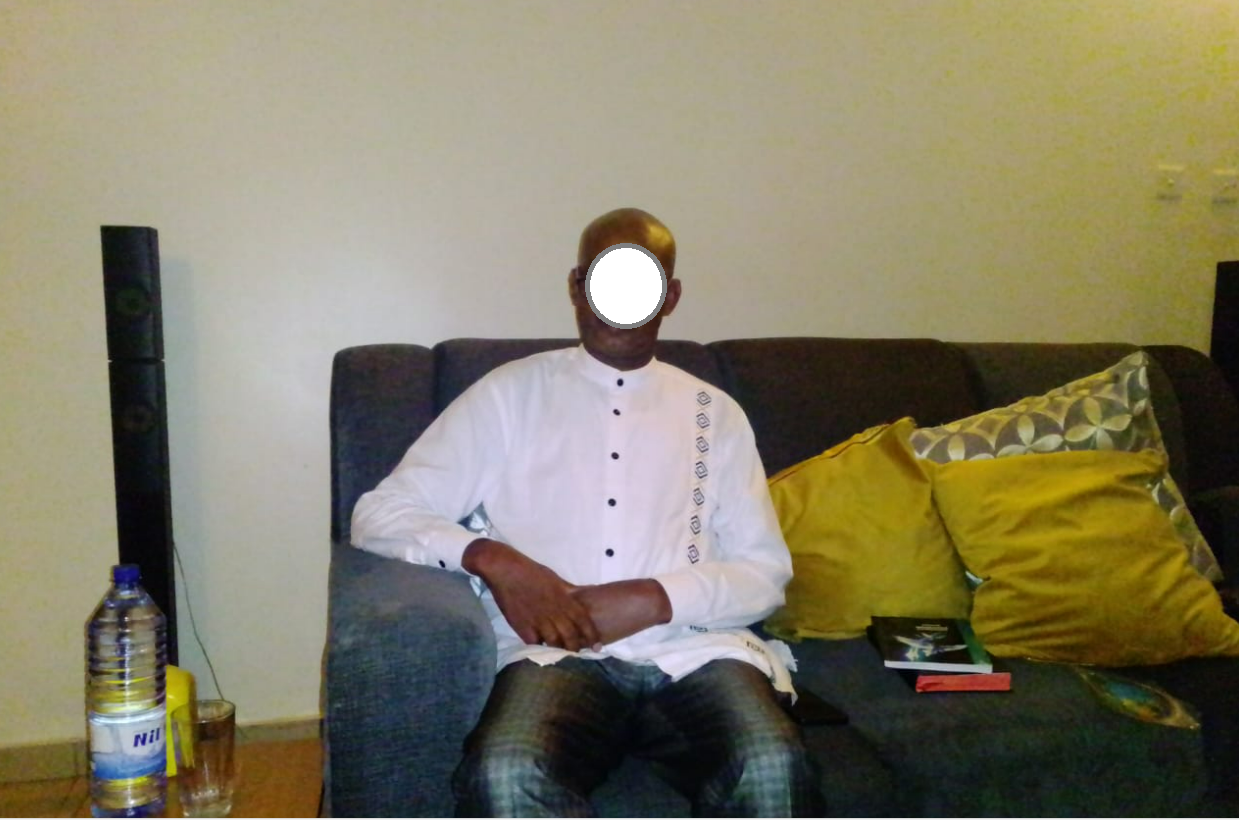
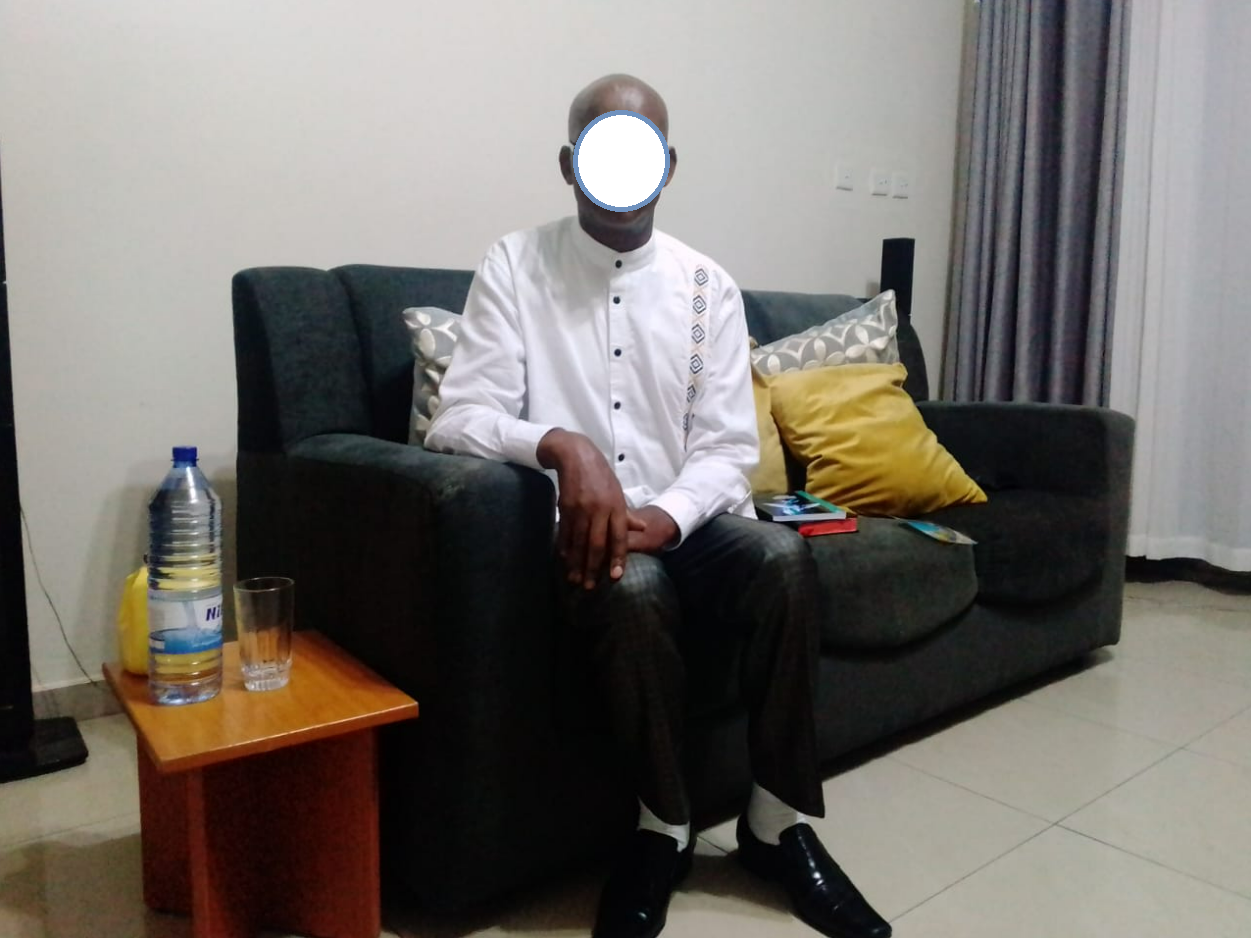
The journalist made a 5 kilometer’s evening journey to visit Fulgence at his residence in Kibagabaga, Kigali city. The welcoming man, sitting in the upper saloon in a-two-flours house, always has his holly bible with a bottle of water closer to him. He stood up and gave me a warm welcome before he shared a bit, the tough journey of how he suffered a non-communicable disease.
The 55-year-old man is a stroke survivor. The Inspirer withheld his second name for the ethical matters.
When he knew he suffered from stroke in 2017, he was at King Faisal Hospital, Kigali and doctors revealed he suffered from ischemic stroke, his family decided to take him to India, Medanta Multispecialty International Hospital for advanced treatment.
An ischemic stroke occurs when the blood supply to part of the brain is interrupted or reduced, preventing brain tissue from getting oxygen and nutrients, making the brain cells to die in minutes.
As a medical emergency, stroke requires a prompt treatment to reduce brain damage and other complications according to experts.
Fulgence’s left side (leg and arm) cannot function, but his brain is healthy. The right leg and arm can do everything like writing and other soft practices.
Stroke and its economic impacts in families
Before the incidence, he had had a well-salaried job in a Non-Governmental Organization, and he was the Executive Director whose main responsibilities were to oversee the functionality of the institution and the interests of employees such as salaries. Unfortunately, the health condition made all to stop, and the family started to sell important properties to pay his healthcare in India.
Not only himself, but all his employees also lost salaries and the country lost those tax revenues.
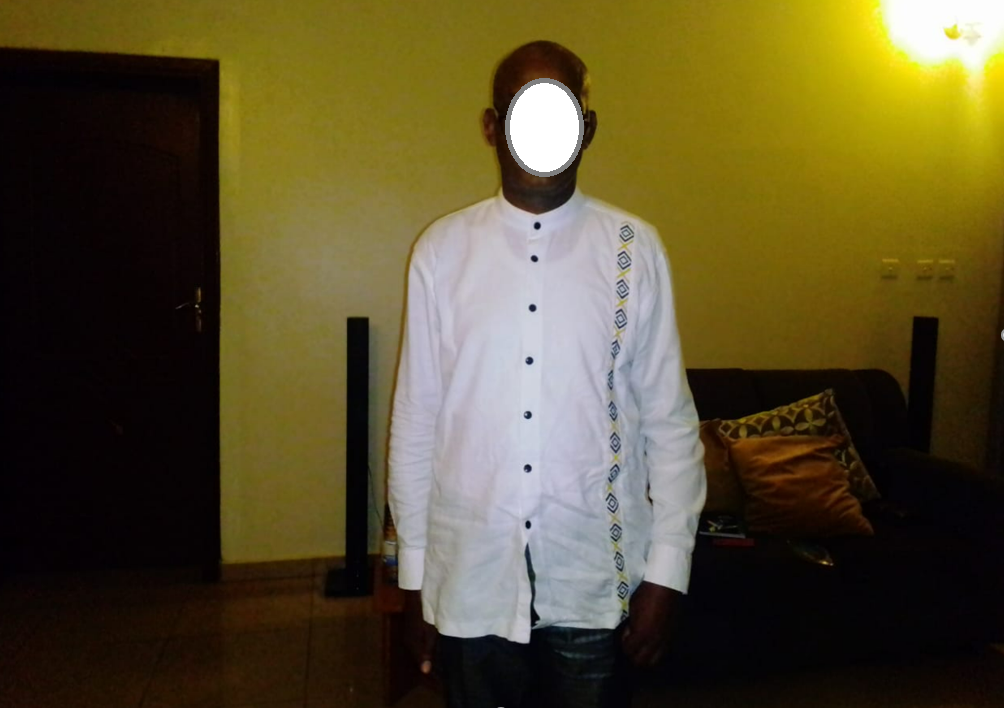
“I had a good salary and I had other commercial activities that could generate income. They all stopped but, God has many ways, my wife since then got a good job after 10 years unemployed. Her employer provided her with health insurance for the whole family, but we could spend much in India for my health treatment. I had two floor shelters I built using the bank loan, and they sold one worth Rwf250million to pay the loan after treatment to avoid stroke stress, I also sold my car ‘Mercedes Benz Compressor’ worth Rwf18million and other commodities worth Rwf300 million in total to survive the disease,” Fulgence says.
Depression as a psychological effect
Besides Economic impacts of stroke on his family, the disease left him with psychological consequences such as depression and the anger that can happen abruptly.
“I get depression when thinking of such an abrupt change and inability to perform what I used to help myself, calling someone to help me wearing shoes or closing the shirt buttons, all of these scenarios make me to feel depressed, I remember my doctor gave me anti-depression medicines to calm the situation when I was at King Faisal Hospital,” Fulgence says.
Abrupt anger
“Sometimes I can tell someone to bring something for me and when he/she delays a bit, I start to insult him/her with an aggressing mood, [anger], which is another sign of depression,” he says.
Family members affected.
Kellya, the name changed due to the ethical matters, is the daughter of Fulgence. When her father was taken to India for medical treatment, Kellya was at school abroad, and she could not embrace the situation by then as she was informed.
“The issue also affected us as children, it hurts a lot to see our father in another way different from the normal situation in which we used to see him, it was not easy for us to understand, and I was outside the country, it has been a couple of years now, so, we gradually embraced the situation,” says the 21-year-old Kellya.
Not only stroke, other NCDs like diabetes also bring economic and psychological impacts among the families of survivors.
The burden of Diabetes on family’s economy
Veneranda, the name changed due to the ethical matters, is a citizen of Gasabo district in Kigali city. The 62-year-old single mother of seven children is a survivor of diabetes since June 2020. Her husband passed away in 1994.
“I never stop going for medical checkup and I have fresh appointments with the doctor, I remember we paid around Rwf600,000 in hospitals in the beginning, I had had high blood sugar, hyperglycemia,” she says.
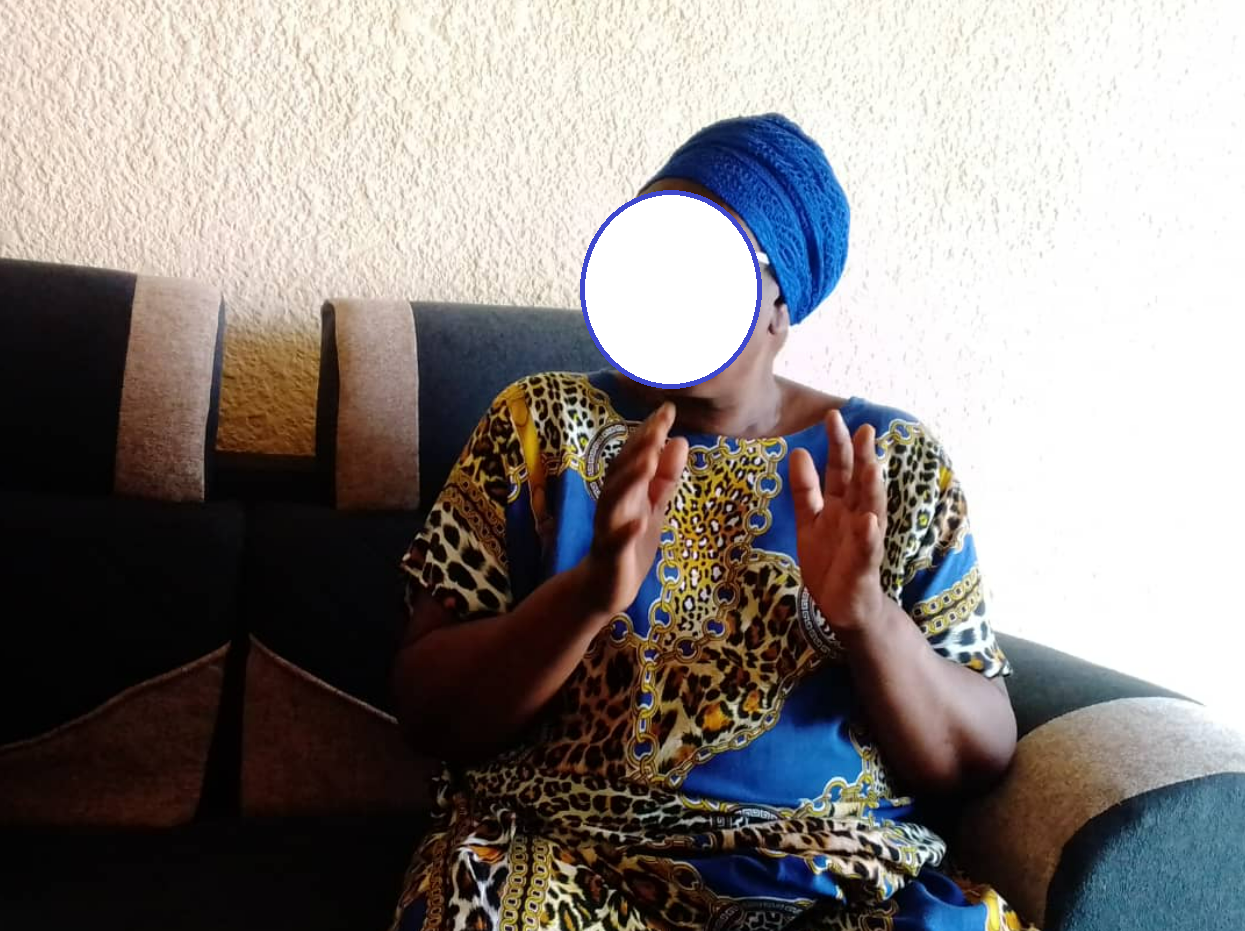
Her family has spent around Rwf600,000 in three years for the injectable medications since she suffered from the disease. The minimum expenses since then worth over Rwf3million and she is still suffering.
“I use 2 bottles of injectable medications worth Rwf8,000 every month and this is for permanent basis, I don’t count motorcycle transport costs and recommended dietary supplements by the doctor, plus the weakly pain killer tablets when I suffer from bones’ pain. In general, diabetes causes poverty to the family and anger to the patient.” Veneranda adds.
Paladie Mategeko, 24, suffered from type 1 diabetes in 2010 when she was 12 years old. The society used to say discouraging words about her life, but she never lost hope.
“Some could say that I have few days of life, but God proved them wrong, now I have Bachelors of Arts in Healthcare Management,” she says.
The young lady from Kimironko sector, Gasabo district is proud to be an advocate for the community and to raise awareness of diabetes and its impacts on the society.

Diabetes as a non-communicable disease is a common condition that can seriously affect the patient’s quality of life. The good news according to experts is that it is possible to take charge and stop Diabetes in its tracks and keep it from developing in the first place.
Experts believe that investing in NCD prevention and control strategies could prevent millions of premature deaths and billions in economic loss.
Challenges to healthcare access
According to Louis Ngabonzima, Project Coordinator of The Our Views, Our Voices Project at Rwanda NCD Alliance, NCDs survivors face limited package of the community-based healthcare insurance scheme (Mutuelle de Santé).
“People with NCDs pay out-of-pocket expenditures on their costly medications and other different services, given that most prescribed ones are not covered by community-based healthcare insurance, Ngabonzima says.
Besides the burden of lack of health insurance cover, the workload on NCD nurses, delay in some NCD diagnosis results, stock-out of NCD medicines, lack of patient identification for some and multiple medical appointments affect healthcare services of the survivors at the health facilities which lead to late treatment, development of complications and involve high costs in terms of time and quality of care.

As per the Second Rwanda Non-Communicable Diseases Risk Factors Study 2021-2022, the percentage of Rwandans with raised fasting blood glucose who were on medication were 2.9 percent, with 3.3 percent (95% higher in females than in males 2.6 percent, which was not statistically different.
According to Dr. Francois Uwinkindi, the manager of the NCDs division at Rwanda Biomedical Centre (RBC) the prevalence of diabetes in Rwanda is still low compared to the global prevalence where it is affecting 10% of the global population.
One of the strategic objectives of the NCD national strategic plan 2020-2025 is to strengthen health systems for quality NCD early detection, care and treatment at all levels according to Dr. Francois.
Globally, non-communicable diseases kill 41 million people every year, equivalent to 74 percent of all deaths according to the World Health Organization (WHO).
theinspirerpublications@gmail.com
Follow us @theinspirerpubl




Leave a Reply