
The ordeal of Mukasekuru, a defilement victim who escaped death from unsafe abortion
By Elias Hakizimana.
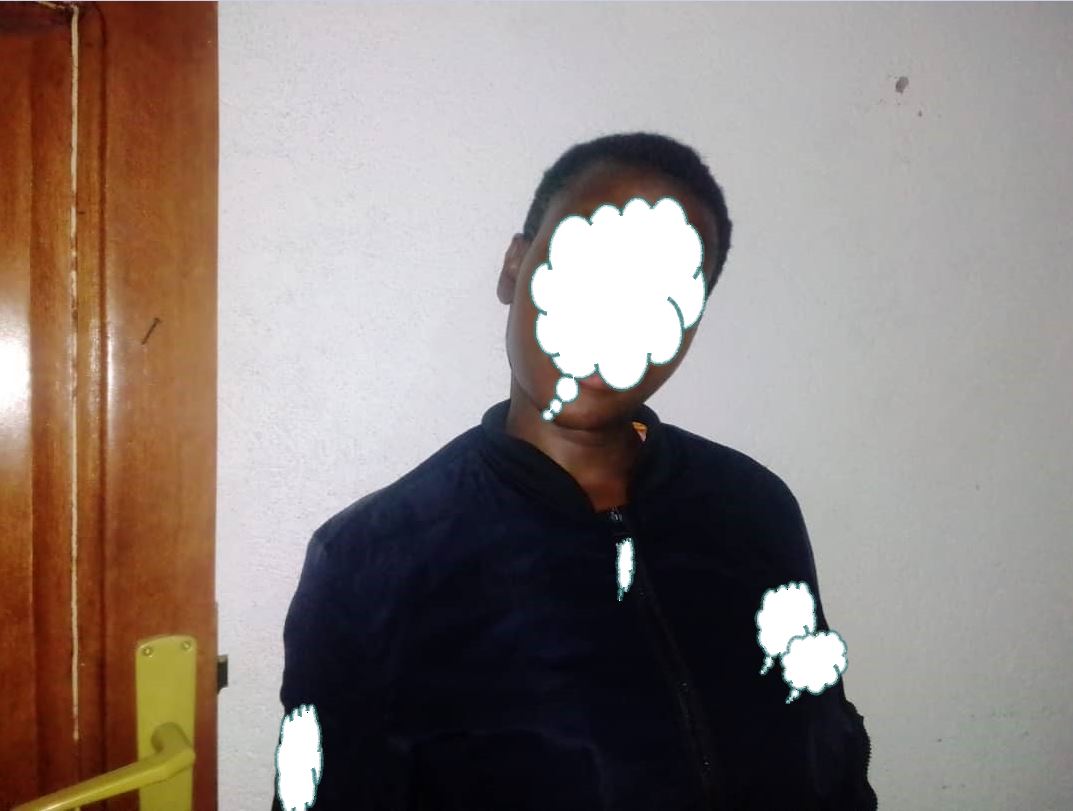
At the age of 16, Mukasekuru was defiled and impregnated by her cousin, a circumstance that subjected the then senior three teenage girl student to a tough life and a painful experience. The case occurred in May 2022.
Her second name was withheld by The Inspirer’s editorial team for the purpose of protecting the identity of this unsafe abortion survivor.
The teenager told The Inspirer that it took her a long time to be able to speak out about her ordeal of living with pregnancy and hiding away from her parents who live in Rwamagana district as she was scared they could mistreat her if they learned about her case.
When the pregnancy was around three months, the girl stopped going to school and stayed at home for one week, citing lack of school materials as a reason. But she left home when her parents informed her they were going to buy her the academic equipment.
Mukasekuru made a long journey to her cousin’s parents in Nyarugenge district to tell them she was impregnated by their son, but her intention hit a snag as her cousin told her to never reveal the situation, promising her support to have a safe abortion.
“My cousin resisted and could not allow me to reveal the situation, he promised me to pay Rwf60,000 for a private doctor to help me terminate the pregnancy safely, but I waited in vain until the pregnancy reached five months,” Mukasekuru said.
Realising that the chance for getting the abortion performed by the doctor was scuppering, she bought into the advice from a friend to resort to a soap-induced pregnancy termination.
“I was living with my peer colleague whom I knew in Nyamirambo. She could at least understand my situation and tried to help. She is the one who later advised me to try another alternative to terminate the pregnancy by using a soap. It was not easy, and I did not choose that life. I nearly died as a result of a soap-induced abortion, because my knowledge about safe abortion was so limited,” Mukasekuru narrated.
She said that nurses at the nearest health center tried hard to help her recover from post-abortion complications.
The 2018 penal code in Rwanda allows safe abortion for women and girls under certain circumstances like when pregnancy is a result of incest, rape, forced marriage, or if the pregnancy threatens her health.
However, unsafe abortion practices are increasingly putting many lives in danger due to inaccessibility of services that are provided at district hospitals by specialized medical doctors. This problem is coupled with limited knowledge on Comprehensive Sexual Education (CSE) and safe abortion awareness.
The issue has been a subject of debate and is still putting different activists including Great Lakes Initiative for Human Rights and Development (GLIHD) on pressure to conduct further advocacy initiatives in Rwanda.
A call for addressing the remaining hindrances to safe abortion services
Twenty years ago, Rwanda ratified the African Charter on Human and Peoples’ Rights on the Rights of Women in Africa also known as “Maputo Protocol,” and in 2018, it revised the 2012 penal code, which expanded access to safe abortion services and ensuring compliance with the Maputo Protocol.
During an extra-ordinary meeting with stakeholders, held in Kigali, on March 16, 2023, on legal exemptions that are allowed for safe abortion in Rwanda and the ministerial order which determines the modalities and conditions to be fulfilled by medical doctor to provide safe abortion in Rwanda, GLIHD commended the efforts made by the Government of Rwanda to remove the requirement to obtain a court authorization for the minors to legally get safe abortions.
However, they pointed to the new law that still imposes barriers that could prevent women from accessing legal abortions.
Like in many other African countries, different legislative and other measures have been taken to give effect to the Protocol, but women still face vulnerabilities due to the fact that the implementation of the Maputo Protocol at the domestic level faces various challenges, including patriarchy, ignorance, culture, traditional norms and legal barriers.
Izere Mugeni Vedastine, SRHR Coordinator at GLIHD said that they are tirelessly working to train nurses and midwives and other citizens on the existing law so that they altogether advocate for the rights to do safe abortion.

“Currently, the law permits safe abortion to be performed by a specialized medical doctor at the district hospital, and there is still a barrier of long journey done by women and girls from the remote areas who need this service. And, according to our research, sometimes the medical doctors are few with many patients to help, which remains a hindrance to women and girls to get accessible and affordable safe abortion services,” Mugeni explained.
Aimable Sibomana, Registration Officer at the National Council for Nurses and Midwives (NCNM) said that nurses, midwives and medical doctors have no problem in regard with professionalism to perform safe abortion.
“The problem is the law that does not allow them to give this service, in case they are trained, they can perform safe abortion, and even, currently, nurses and midwives are the ones who follow on the woman or a girl who seeks for this service since she is admitted until the end of service.” Sibomana said.
Francois Xavier Hakizimana, a medical doctor at Isange One Stop Center, at Kacyiru Hospital, explained that the mindset and how people interpret abortion itself remains an issue of concern due to traditional norms that define abortion as a crime.

He observed that one of the challenges is that medical doctors can deny performing safe abortion due to their religious beliefs and it worsens the burden to women and girls who leave the nearby religious-based hospitals to go to look for the service far from their neighborhoods, which is costly in terms of transport, and discourages vulnerable citizens who cannot afford it.
Christopher Sengoga, Human Rights Officer at Health Development Initiative (HDI) appreciated the significant stride Rwanda has made since 2019, when the ministerial order came in place. He said current challenge of this order that only allows medical doctor to perform abortion needs amendment to further ease access to safe abortion services.
“We feel that this can be looked into to see its feasibility and extend services to a health provider who is trained and qualified to provide safe abortion services, Sengoga said.
“As sometimes, minors, the children and adolescent girls below the age of 18, their parents deny them access to safe abortion, there should be measures to make sure that other hospitals also can have the best practices like Kacyiru, whereby the law should extend to kinship, not necessarily parent or guardian,” Sengoga said.
theinspirerpublications@gmail.com



Leave a Reply