
The Global Fund needs $18 billion to eradicate HIV, TB, and Malaria by 2029
By Elias HAKIZIMANA.
When Isabella Nizeyimana learned she was HIV positive in the year 2000, she thought her life had ended. “At that time, being HIV positive was seen as a death sentence,” she recalled softly, standing before a room full of policymakers, donors, and civil society leaders in Kigali.
She was a young woman working with the UN Refugee Agency (UNHCR) in Gihembe Camp. Treatment was still a distant dream. “We had to get drugs from Uganda, which was difficult and expensive,” she said. “I was scared about what the future would hold—and about leaving my children behind as orphans.”
That fear changed when the Global Fund began operations in Rwanda in 2002. A year later, antiretroviral drugs were made available locally, free of charge. Isabella was among the first Rwandans to start treatment. “It changed my life,” she said. “I got a second chance.”
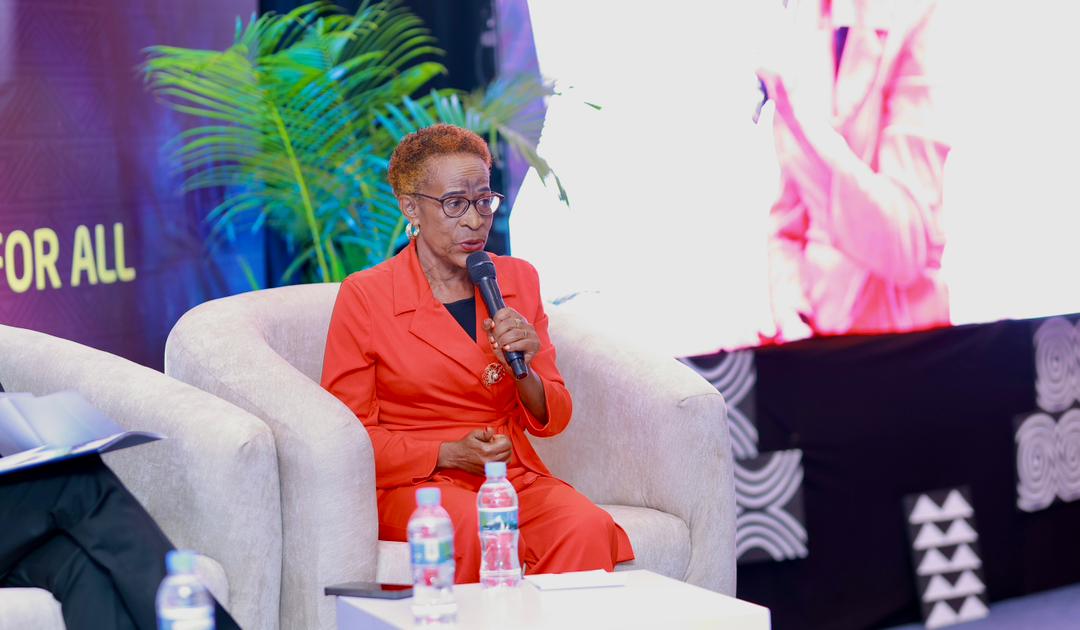
Today, 25 years later, Isabella is not only alive—she’s thriving. She’s a grandmother, an advocate, and a community leader who has spent decades fighting stigma and guiding others to treatment.
“The investment made in me by the Global Fund has not gone to waste,” she said, her voice steady with pride. “Today, I have grandchildren who call me ‘grandma’, and I hope to live many more years with them.”
She paused, then looked around the room filled with international partners and Rwandan health officials. “I urge everyone—donors, embassies, civil society, and partners—to continue supporting the Global Fund,” she said. “Your contributions help people like me live full, healthy lives.”
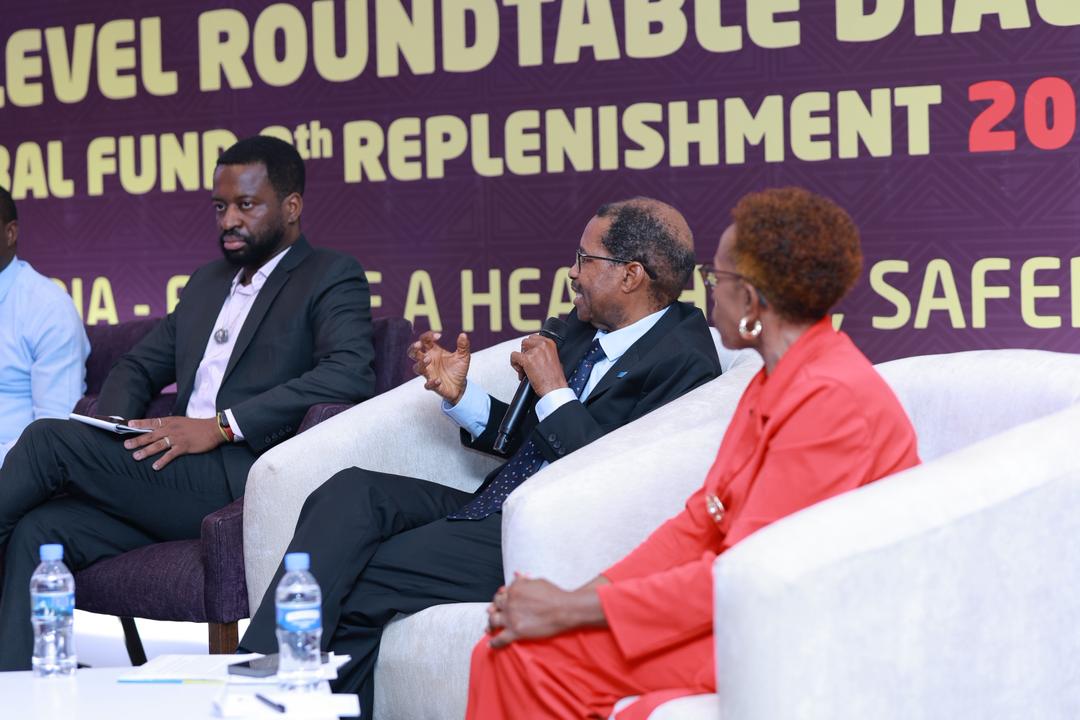
Rwanda’s call for continued global solidarity
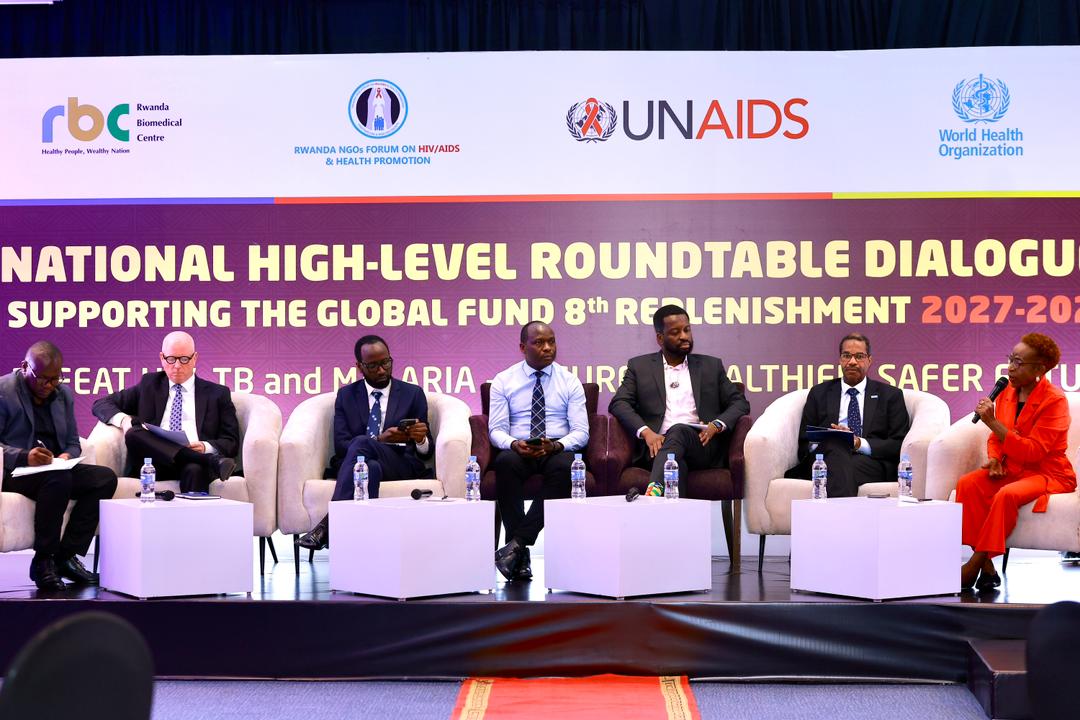
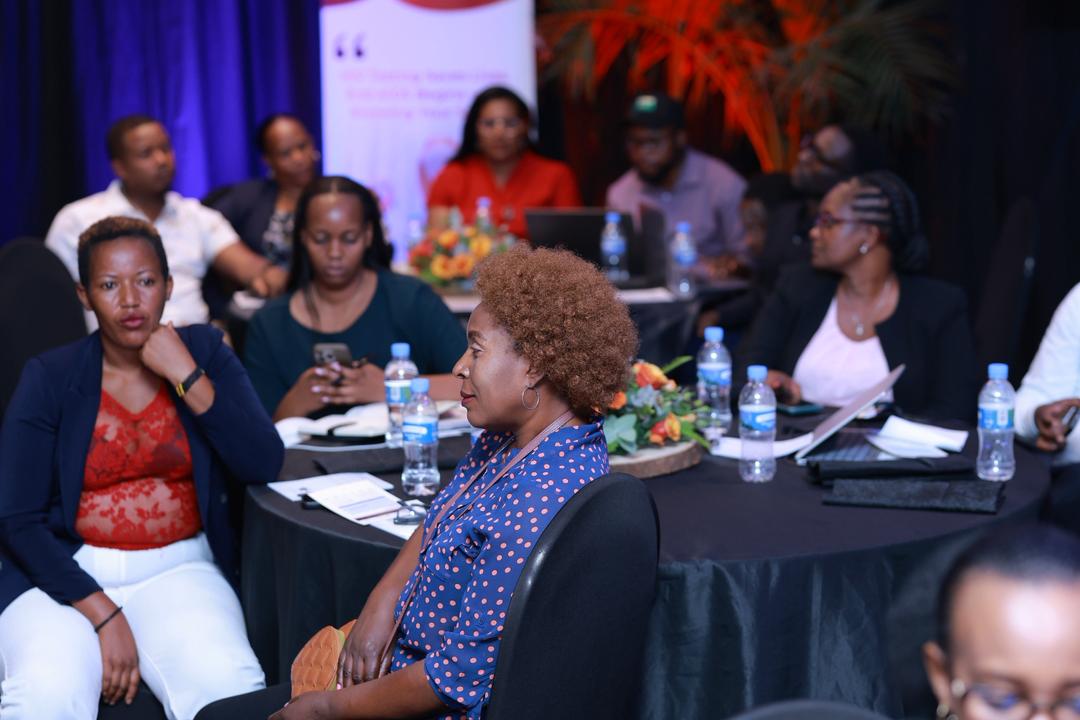
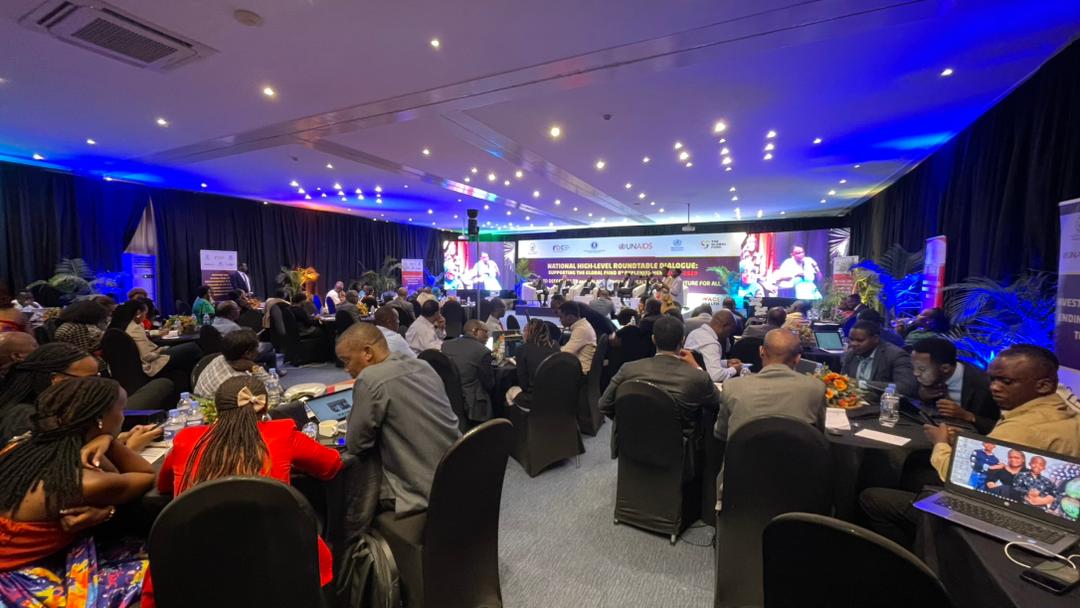
Isabella’s story was the emotional centerpiece of Rwanda’s National High-Level Roundtable Dialogue to Support the Global Fund’s 8th Replenishment (2027–2029), held on November 5, 2025 in Kigali.
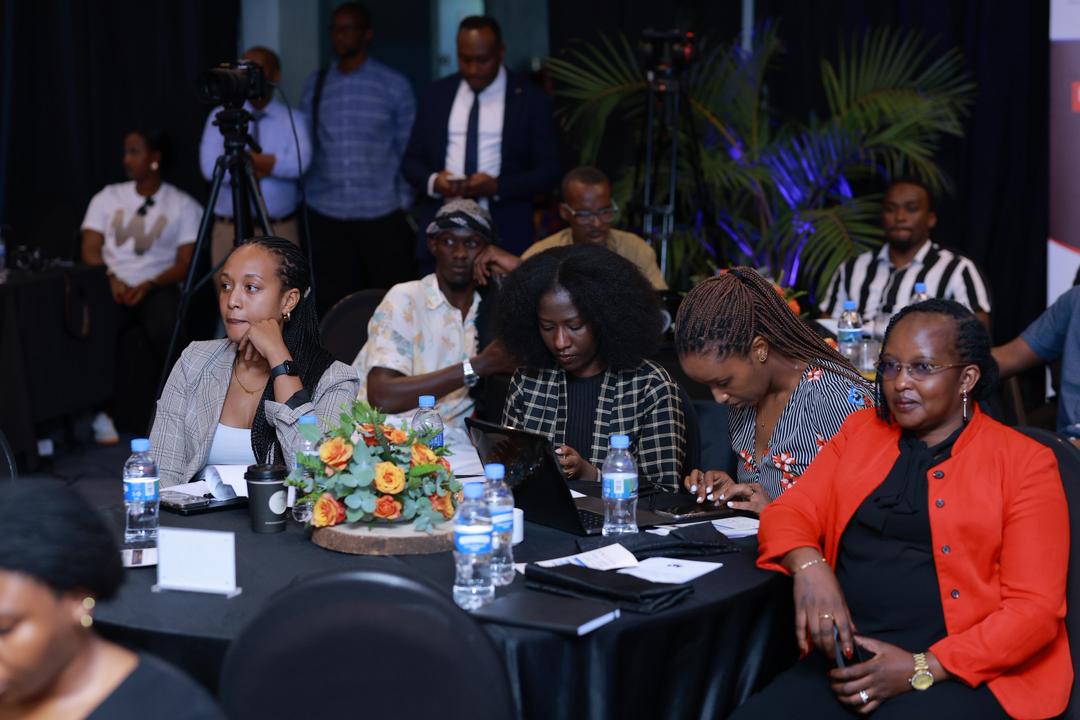
The event, themed “United to Defeat HIV, TB, and Malaria: Ensure a Healthier, Safer Future for All,” brought together more than 110 participants—government officials, UN agencies, donors, civil society, and private sector representatives—to mobilize support for a global goal: raising $18 billion to eradicate the three diseases by 2029.
Since its creation in 2002, the Global Fund has saved more than 65 million lives, reducing deaths from HIV, tuberculosis, and malaria by over 60% in countries it supports. But the fight is far from over. The 8th replenishment aims to save 23 million more lives and prevent 400 million new infections.
Communities still carry the burden
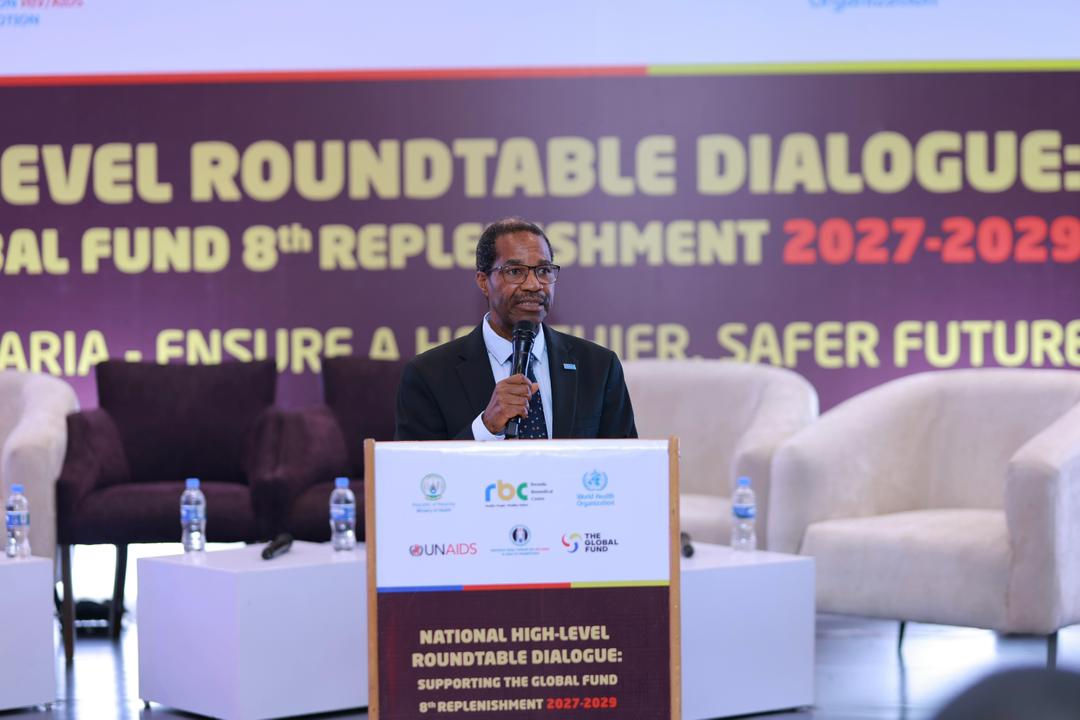
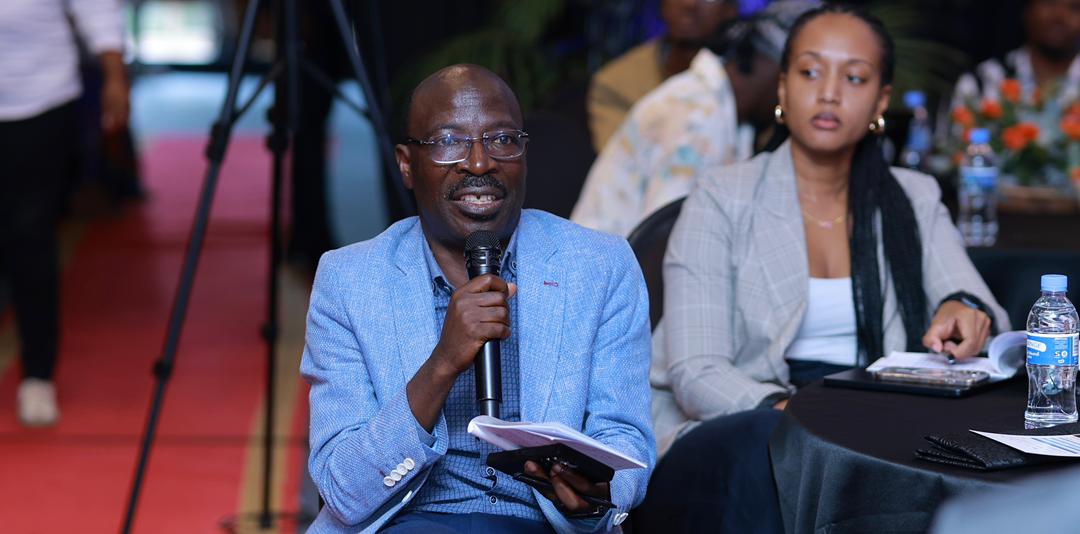
Opening the dialogue, Bernard Muramira, Chairperson of the Rwanda NGOs Forum on HIV/AIDS and Health Promotion (RNGOF on HIV/AIDS & HP), reminded the audience that even with decades of progress, millions remain vulnerable.
“We are gathered here at a time when global health funding is declining, yet the challenges remain—or are even increasing,” he said. “Communities are still suffering, and we must sustain momentum in resource mobilization.”
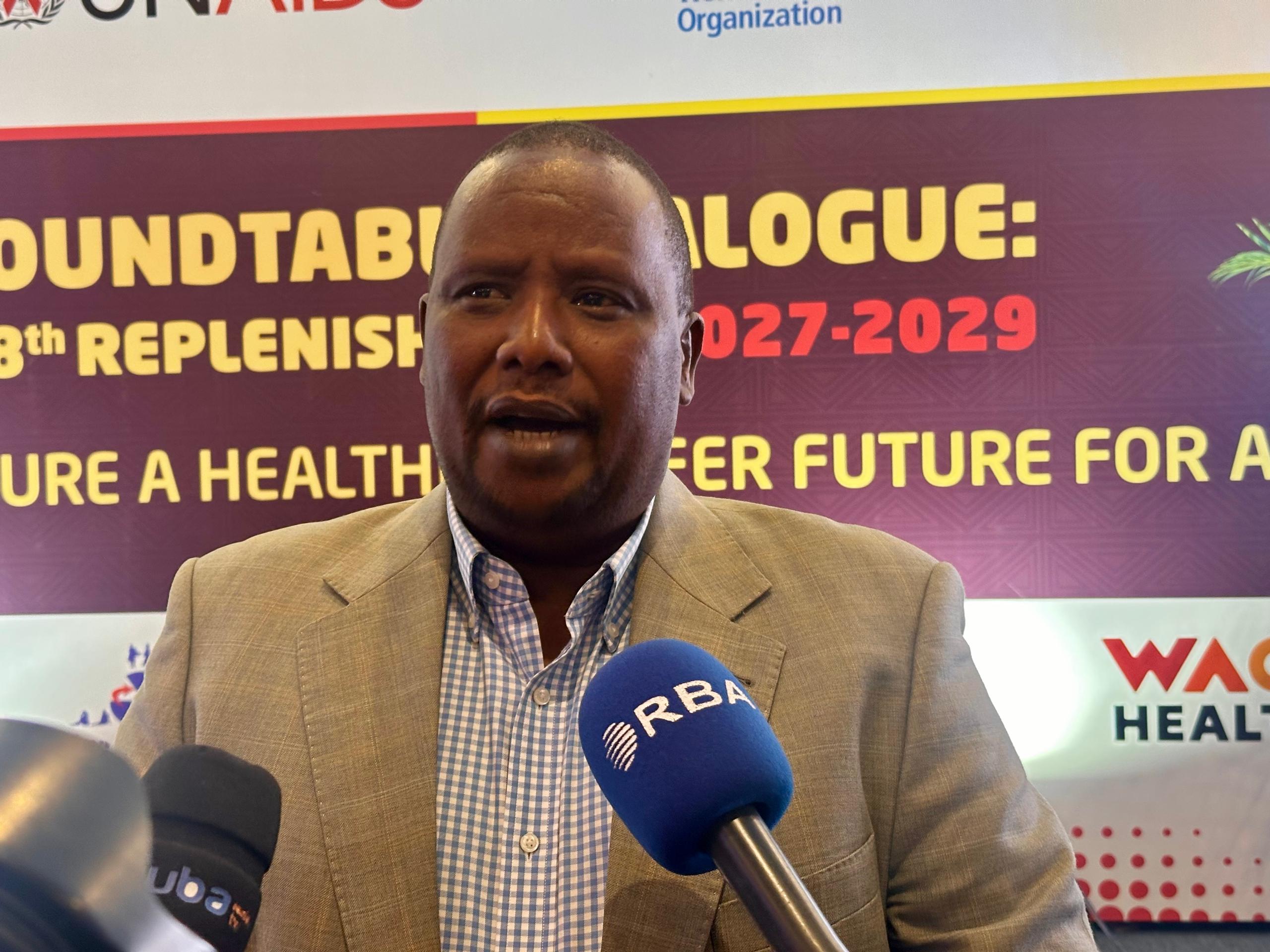
He praised countries like France and Denmark for leading pledges, and recognized the efforts of Rwanda Biomedical Centre (RBC), WHO, and UNAIDS. “The Global Fund needs $18 billion globally to sustain its life-saving work,” Muramira emphasized. “Achieving this goal requires collective advocacy and commitment.”
Hard-won progress at risk
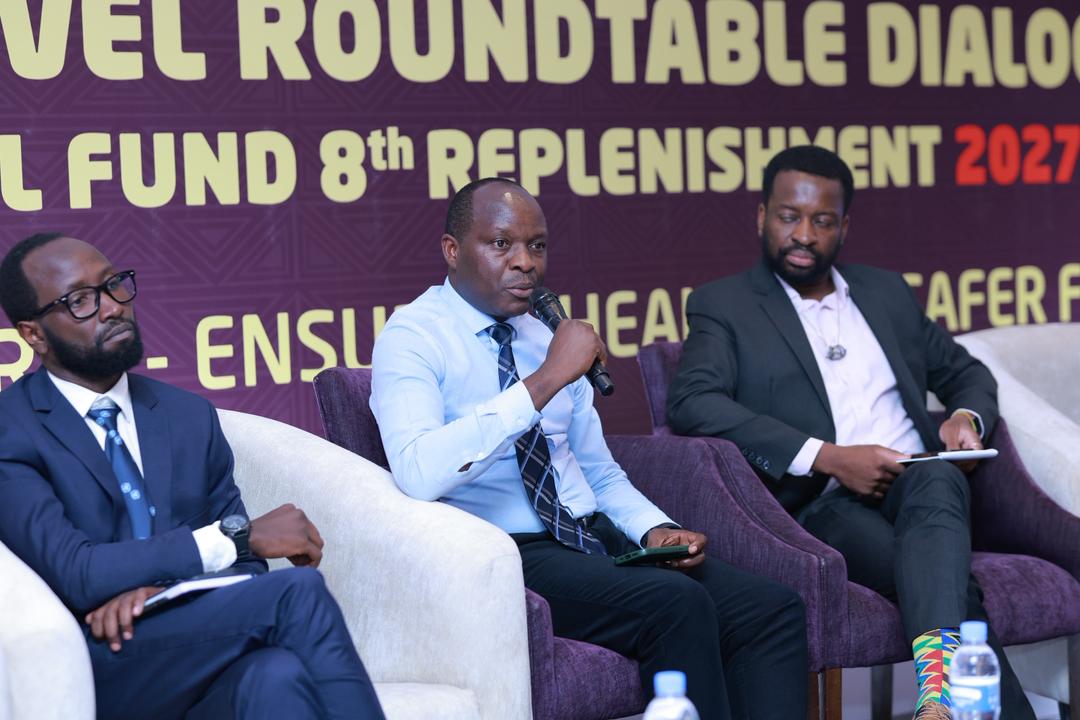
For Dr. Brian Chirombo, WHO Country Representative in Rwanda, the stakes are deeply personal. He recalled working in Zimbabwe in the 1990s, where hospitals were overwhelmed by patients dying from AIDS, TB, and malaria.
“Those were difficult days for communities and for health workers,” he said. “But the Global Fund partnership changed that trajectory—saving over 70 million lives worldwide.”
He warned, however, that progress remains fragile. Economic shocks, conflicts, and climate change threaten to undo years of gains. “Every dollar invested in the Global Fund yields nineteen dollars in health and economic returns,” he said, urging partners to view the fund not just as charity, but as a smart, life-saving investment.
In Rwanda, the Global Fund’s $174 million grant for 2024–2027 supports HIV prevention, AI-driven TB diagnostics, malaria control, laboratory strengthening, and digital health systems.
Rwanda’s leadership in health
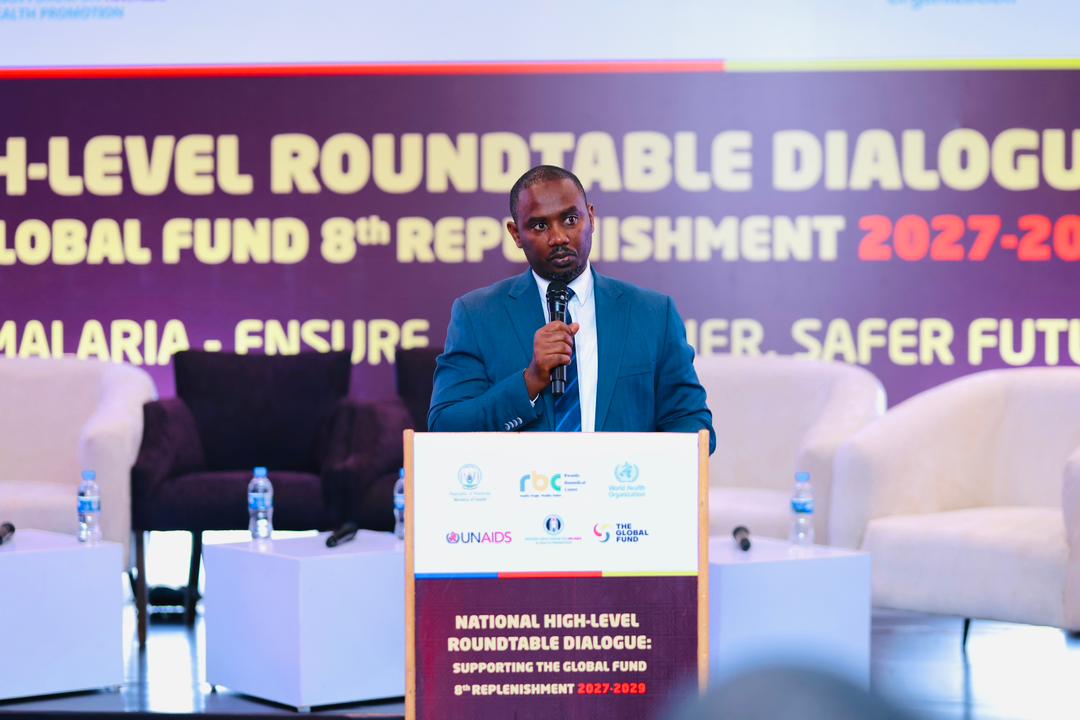
Representing the government, Dr. Muhammed Semakula, Permanent Secretary at the Ministry of Health, reaffirmed Rwanda’s commitment to solidarity and self-reliance.
“This is not only about funding; it is about protecting lives,” he said. Rwanda’s progress speaks volumes: 95% of people living with HIV know their status, 95% are on treatment, and 95% are virally suppressed—a global benchmark of success.
Dr. Semakula outlined how Rwanda’s Health Sector Strategic Plan 5 focuses on building resilient systems and targeting emerging challenges like drug resistance and non-communicable diseases. “In TB, we track individuals to ensure they receive care. For malaria, we target interventions where the problem occurs,” he explained.
He called on all partners to rally ahead of the Johannesburg Replenishment Summit later this month, stressing that Rwanda will continue contributing both financially and through moral leadership.
A message of hope
As the meeting closed, applause filled the hall when Isabella stood once again and raised her fist: “Viva Global Fund!” she shouted, smiling broadly.
Her words carried more than gratitude—they carried a nation’s story of resilience and hope.
For millions around the world still living with HIV, TB, and malaria, the Global Fund is more than an aid mechanism—it is a lifeline.
And for Isabella, it is the reason she’s still here—alive to tell her story, alive to raise her grandchildren, alive to remind the world that every dollar, every dose, and every act of solidarity saves a life.
The Global Fund’s 8th Replenishment Summit will take place on November 21, 2025, in Johannesburg, South Africa, co-hosted by South Africa and the United Kingdom on the sidelines of the G20 Leaders’ Summit.
theinspirerpublications@gmail.com




Leave a Reply